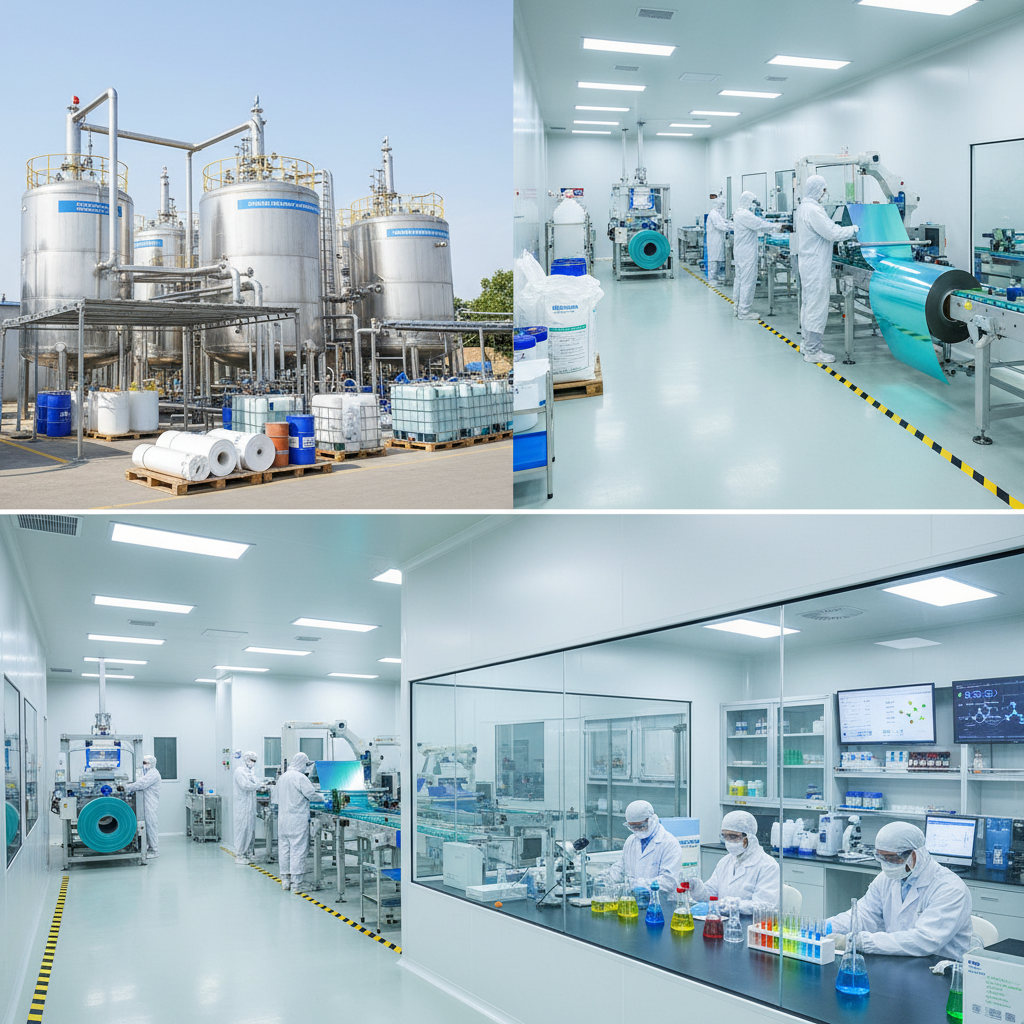
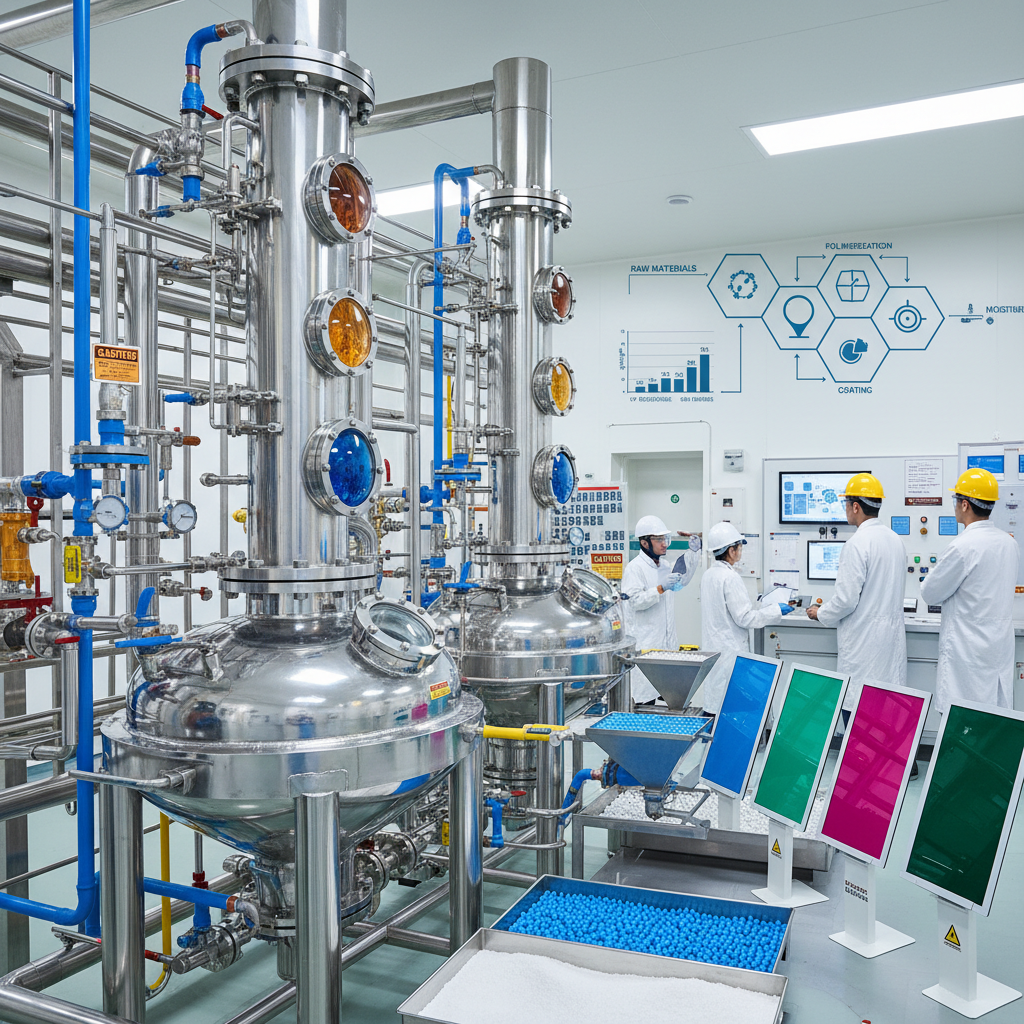
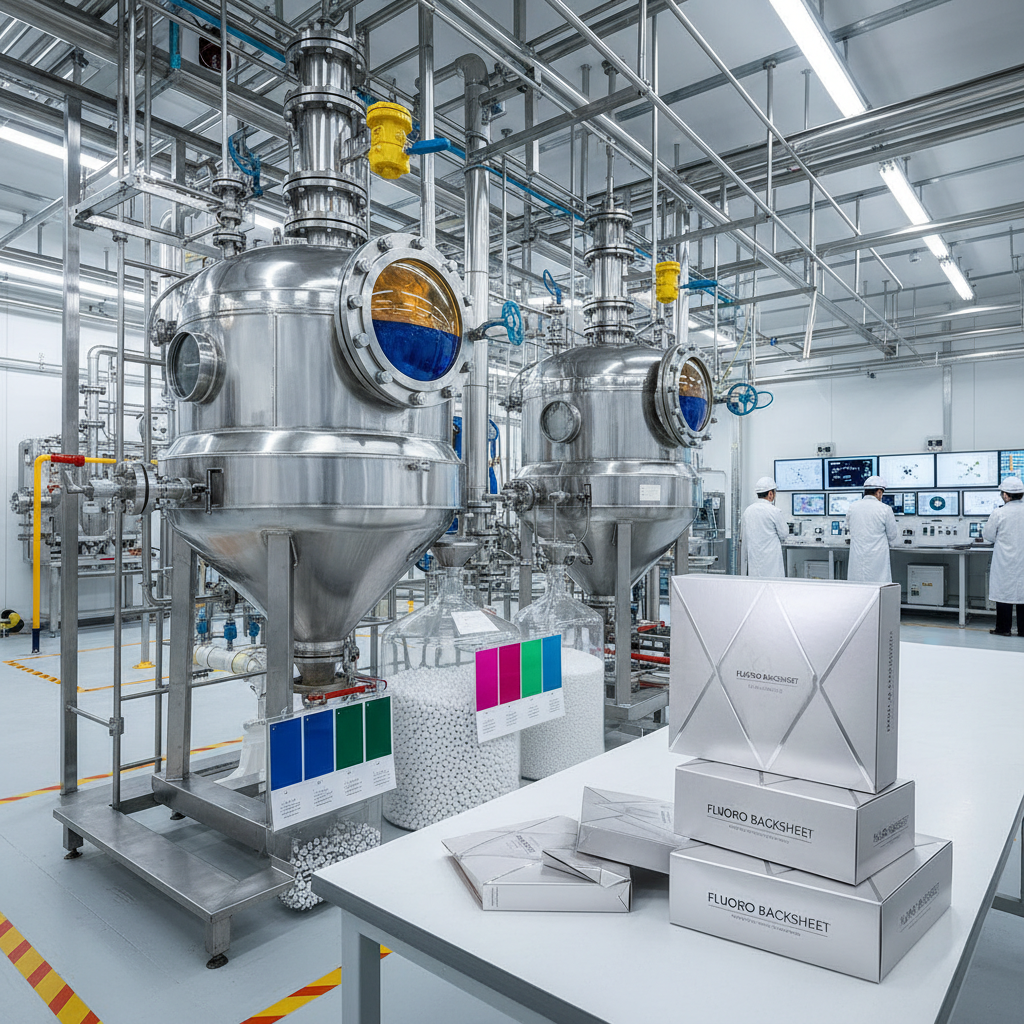
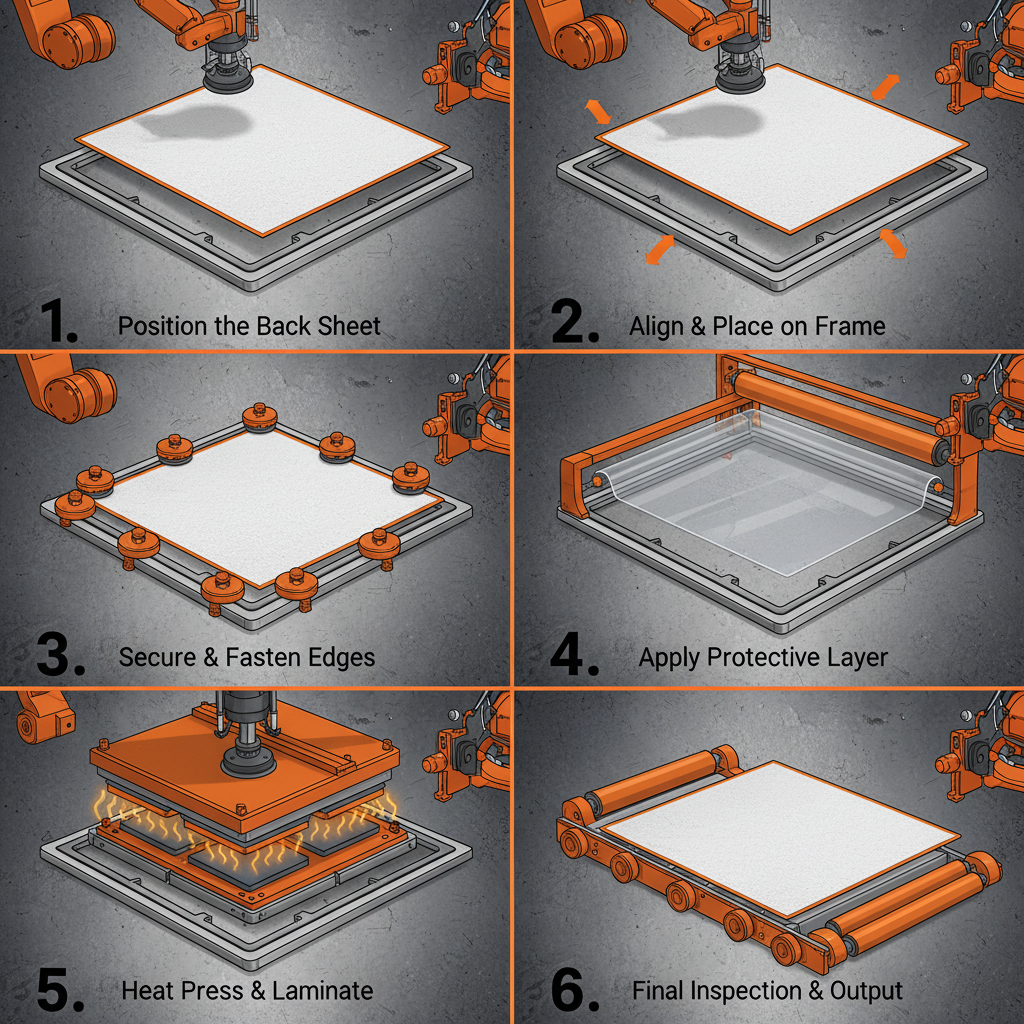
Solar backsheet material – it’s not glamorous, but it’s fundamental. I spend my days on rooftops and in manufacturing plants, and let me tell you, you quickly learn what keeps a solar panel ticking for decades. It's not just about silicon and sunlight; it’s about protecting that investment, and the backsheet is a huge part of that. We’re talking about a material that endures scorching heat, biting cold, UV radiation, and even physical impacts. Reliable solar energy deployment hinges on it, and frankly, it’s an area where cutting corners can lead to some seriously expensive headaches down the line.
Globally, the demand for solar energy is exploding, driven by climate change concerns and the falling cost of photovoltaic (PV) technology. According to the International Renewable Energy Agency (IRENA), solar PV capacity has seen exponential growth in the last decade, with billions of dollars invested annually. But increased deployment also means increased scrutiny on the durability and long-term performance of these systems. That's where understanding solar backsheet material becomes critical – it’s the unsung hero of a sustainable energy future.
Simply put, solar backsheet material is the outermost layer on the back of a solar panel. It acts as a protective barrier against environmental factors, providing electrical insulation and mechanical support. Think of it like the skin of the panel. It's a multi-layered film, typically made of polymers, designed to prevent moisture ingress, resist UV degradation, and maintain the structural integrity of the module over its 25-30 year lifespan. It’s a critical component that directly impacts the long-term energy yield and return on investment for solar projects, whether powering a home or a utility-scale plant.
The Core Principles of solar backsheet material
Durability is paramount. We’re talking about materials that can withstand decades of exposure without cracking, delaminating, or losing their protective properties. I’ve seen failures firsthand where cheap backsheets become brittle and allow moisture in, leading to corrosion and drastically reduced power output. It's a costly lesson.
Scalability is also a major consideration. Manufacturers need materials that can be produced in large volumes to meet the growing demand for solar panels. The supply chain needs to be robust and reliable, capable of handling the needs of massive solar farms. Without that scalability, we hit bottlenecks and drive up costs.
The Global Landscape of solar backsheet material
The global solar backsheet material market is dominated by a few key players, primarily based in Asia, Europe, and North America. China currently holds the largest share of both production and consumption, driven by its massive domestic solar industry. However, there's a growing emphasis on diversifying the supply chain, particularly in light of recent geopolitical events. We're seeing more investment in manufacturing capacity in countries like India and Vietnam.
The industry is also heavily influenced by international standards like IEC 61215 and IEC 61730, which define the performance requirements for solar modules, including the backsheet. Meeting these standards is essential for accessing global markets and ensuring product quality. ISO 9001 certification is also common, demonstrating a commitment to quality management.
One significant challenge is the fluctuating price of raw materials, particularly polymers like PET, PVF, and PE. These price swings can impact the cost of backsheet production and, ultimately, the price of solar panels. Companies are actively exploring alternative materials and manufacturing processes to mitigate these risks and improve cost-competitiveness.
Defining solar backsheet material: A Practical Perspective
From a boots-on-the-ground perspective, solar backsheet material isn’t just a technical specification; it’s a tangible layer of protection. It's what keeps the delicate circuitry inside the panel safe from the elements. We're not talking about just keeping the rain out; we're talking about resisting the constant bombardment of UV radiation, the expansion and contraction caused by temperature fluctuations, and even the occasional hail storm.
The connection to modern industry and humanitarian needs is direct. Reliable solar power provides access to electricity in remote areas, supports economic development, and reduces reliance on fossil fuels. In disaster relief scenarios, portable solar systems with robust backsheets can provide critical power for communication, medical equipment, and essential services. It's about more than just generating electricity; it's about empowering communities and building resilience.
There are several common types of backsheet materials, each with its own advantages and disadvantages. These include TPT (Tedlar-Polyester-Tedlar), TPE (Tedlar-Polyester-EVA), and PPE (Polyester-Polyester-EVA). The choice of material depends on the specific application and performance requirements.
Key Performance Factors of solar backsheet material
Cost-effectiveness is always a factor. A backsheet that provides excellent performance but is prohibitively expensive isn't practical. Finding the right balance between cost and performance is critical. We need materials that offer a good return on investment for solar projects, making clean energy more accessible and affordable.
UV resistance is another key factor. The sun’s ultraviolet radiation can degrade polymers over time, leading to cracking and delamination. High-quality backsheets are specifically formulated to resist UV degradation, maintaining their protective properties for decades.
Solar Backsheet Material Performance Comparison
Real-World Applications of solar backsheet material
You see solar backsheet material in everything from residential rooftop installations to massive utility-scale solar farms. In post-disaster relief operations, ruggedized solar panels with durable backsheets are deployed to provide emergency power to affected communities.
In remote industrial zones, like mining operations or off-grid facilities, solar backsheets ensure the reliability of power systems in harsh environments. Even in space, solar panels powering satellites and spacecraft rely on specialized backsheet materials designed to withstand extreme temperatures and radiation levels.
The Long-Term Value Proposition of solar backsheet material
Investing in high-quality solar backsheet material translates to long-term cost savings. Fewer replacements, reduced maintenance, and sustained energy output over the panel’s lifespan all contribute to a lower levelized cost of energy (LCOE). It’s not just about the initial investment; it’s about the total cost of ownership.
From a sustainability perspective, durable backsheets reduce waste by extending the lifespan of solar panels, minimizing the need for premature replacements. This aligns with the principles of a circular economy and promotes responsible resource management.
Future Trends and Challenges in solar backsheet material
We're seeing a lot of innovation in backsheet materials, including the development of more sustainable and recyclable options. There's a growing focus on bio-based polymers and materials that minimize environmental impact. Researchers are also exploring new coating technologies to enhance UV resistance and improve durability.
One significant challenge is addressing the potential for degradation caused by Potential Induced Degradation (PID), a phenomenon that can reduce panel efficiency over time. New backsheet materials and designs are being developed to mitigate PID effects.
Digitalization is also playing a role, with the use of data analytics and machine learning to optimize backsheet performance and predict potential failures. This allows for proactive maintenance and ensures the long-term reliability of solar installations.
Summary of Key Challenges and Potential Solutions for Solar Backsheet Materials
| Challenge |
Impact on Performance |
Potential Solution |
Implementation Cost (Scale 1-10) |
| UV Degradation |
Reduced lifespan, cracking, delamination |
Enhanced UV-resistant coatings, optimized polymer formulations |
6 |
| Moisture Ingress |
Corrosion, reduced efficiency, potential electrical hazards |
Improved sealing technologies, multi-layer barrier films |
7 |
| Potential Induced Degradation (PID) |
Reduced power output, accelerated degradation |
PID-resistant backsheet materials, grounding optimization |
8 |
| Thermal Cycling |
Stress on material, delamination |
Materials with low CTE (Coefficient of Thermal Expansion) |
5 |
| Supply Chain Disruptions |
Material scarcity, price fluctuations |
Diversification of suppliers, strategic stockpiling |
4 |
| Recyclability |
Environmental impact, waste management challenges |
Development of recyclable backsheet materials, improved recycling processes |
9 |
FAQS
A high-quality solar panel backsheet is typically designed to last the lifetime of the panel, which is generally 25-30 years. However, actual lifespan can vary depending on environmental conditions, material quality, and manufacturing processes. Factors like intense UV exposure, extreme temperatures, and humidity can accelerate degradation. Regularly inspecting backsheets for signs of cracking, delamination, or discoloration can help identify potential issues early on.
Common materials include multi-layer constructions of polymers like PET (Polyethylene Terephthalate), PVF (Polyvinyl Fluoride), and PE (Polyethylene). TPT (Tedlar-Polyester-Tedlar) is a well-established combination offering excellent durability. Newer materials like PPE (Polyester-Polyester-EVA) are also gaining popularity. Material selection depends on the desired performance characteristics, cost considerations, and specific application requirements.
While the backsheet doesn’t directly generate electricity, it plays a crucial role in maintaining panel efficiency. A compromised backsheet can allow moisture ingress, leading to corrosion and reduced electrical conductivity. It also provides electrical insulation, preventing short circuits. A high-quality backsheet ensures optimal performance and prevents premature degradation of the solar cells.
Potential Induced Degradation (PID) is a phenomenon where high voltage stress causes performance loss in solar panels. Certain backsheet materials can contribute to PID by allowing ion migration. PID-resistant backsheet materials with optimized compositions and barrier properties help minimize ion migration and reduce the risk of PID, maintaining panel efficiency over time.
Yes, there's growing research into bio-based polymers and recyclable backsheet materials to reduce the environmental impact of solar panels. While these alternatives are still under development, they offer promising solutions for a more sustainable solar industry. The goal is to create backsheets that are not only durable and efficient but also easily recyclable at the end of their lifespan.
The backsheet material represents a significant portion of the overall solar panel cost, typically ranging from 5-15%. While premium backsheet materials may have a higher upfront cost, their enhanced durability and performance can result in lower lifecycle costs due to reduced maintenance and longer panel lifespan. Choosing the right backsheet material involves carefully balancing cost, performance, and long-term reliability.
Conclusion
Ultimately, solar backsheet material is a critical, often overlooked, component of a successful solar energy system. It's not just about keeping the elements out; it’s about ensuring long-term performance, maximizing energy yield, and building a sustainable future. Investing in quality materials and staying abreast of the latest innovations in backsheet technology is essential for anyone involved in the solar industry.
Looking ahead, we’ll see a continued focus on sustainable materials, improved durability, and enhanced recyclability. The demand for reliable solar energy is only going to grow, and the industry needs to prioritize materials that can withstand the test of time and contribute to a cleaner, more resilient energy future. Visit our website at www.lkintl.com to learn more about our cutting-edge backsheet solutions.