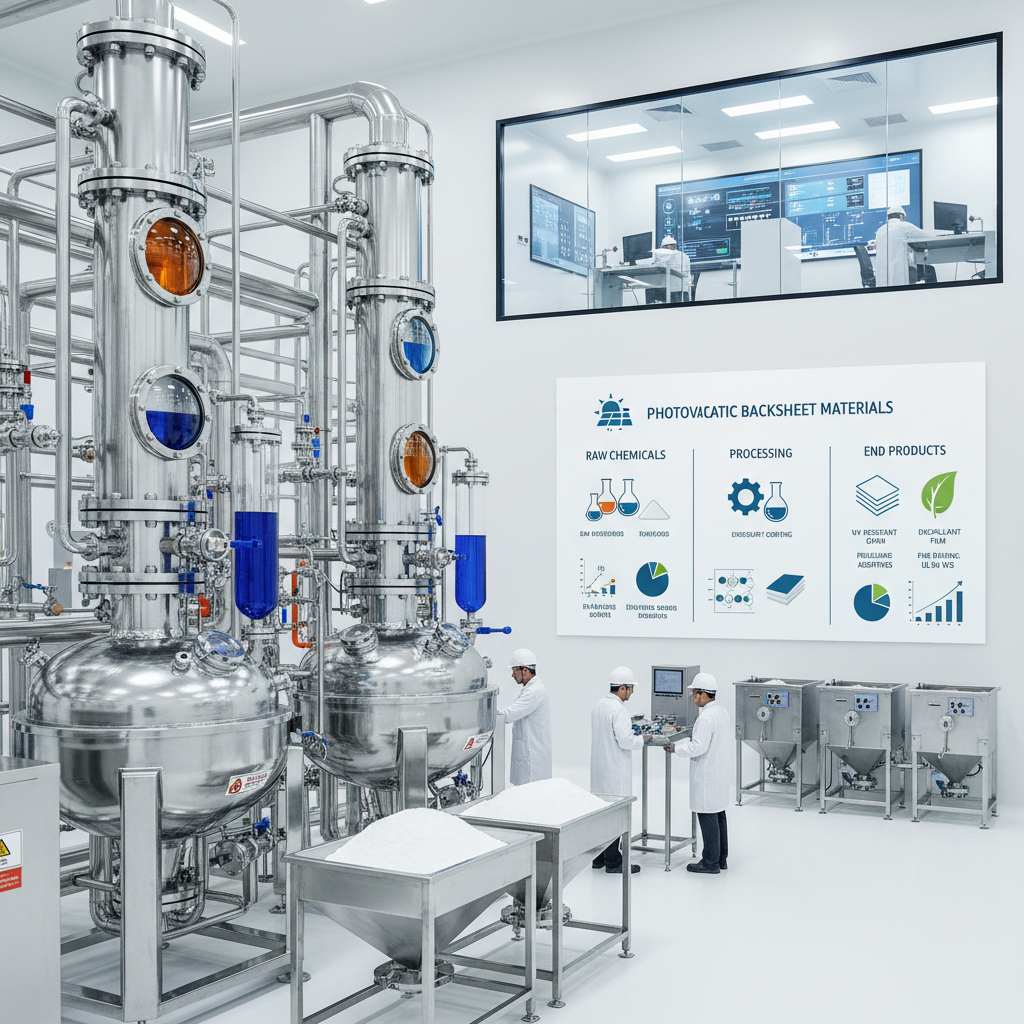
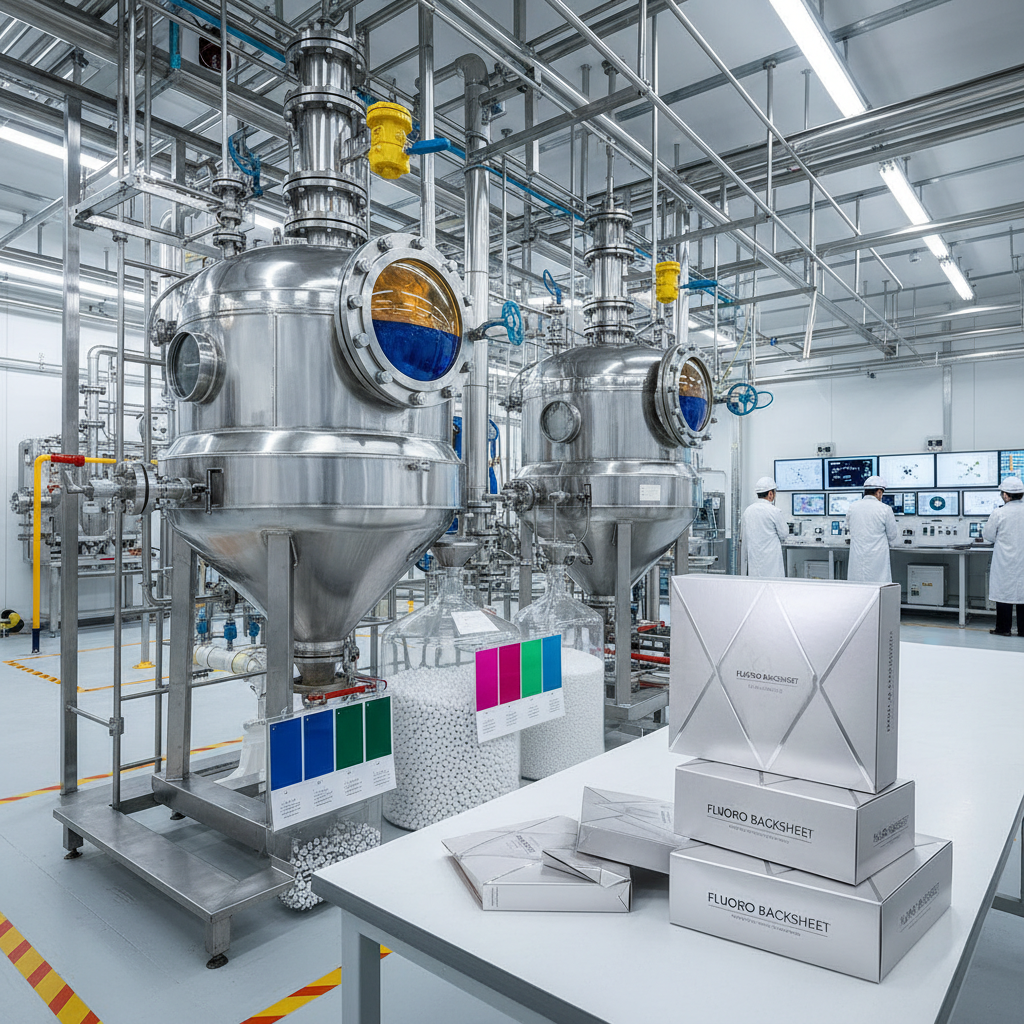
Photovoltaic backsheet is a crucial component in solar panel construction, acting as the final layer of encapsulation. Its primary role is to protect the delicate solar cells from environmental factors like moisture, UV radiation, and temperature fluctuations, significantly impacting the long-term performance and durability of the panel. Understanding the nuances of photovoltaic backsheet technology is becoming increasingly important as the global demand for renewable energy sources surges.
The growing adoption of solar energy is driven by the urgent need to mitigate climate change and reduce reliance on fossil fuels. Photovoltaic backsheet plays a vital role in enabling this transition by ensuring the longevity and efficiency of solar installations worldwide. Innovations in this field directly translate to lower energy costs and a more sustainable energy future.
From large-scale solar farms powering entire cities to rooftop installations providing energy independence for homes, the quality and performance of photovoltaic backsheet directly influences the reliability and return on investment in solar energy projects. This makes a comprehensive understanding of its properties and advancements essential for industry professionals and consumers alike.
Introduction to Photovoltaic Backsheet
The photovoltaic backsheet is a critical encapsulating layer, providing essential protection to the solar cells within a module. Without a robust backsheet, the lifespan and efficiency of a solar panel would be drastically reduced due to environmental degradation. Proper backsheet selection is paramount for ensuring reliable long-term energy generation.
Modern photovoltaic backsheets are engineered with specialized polymers and coatings to withstand harsh weather conditions, including extreme temperatures, high humidity, and prolonged UV exposure. This advanced material science ensures optimal performance and minimal degradation over the typical 25-30 year lifespan of a solar installation.
Global Relevance and Industry Context
The global solar energy market is experiencing exponential growth, driven by international commitments to reduce carbon emissions and the falling cost of photovoltaic technology. The International Renewable Energy Agency (IRENA) reports that solar PV capacity increased by over 22% in 2023, signaling a significant shift towards renewable energy sources. This growth directly fuels the demand for high-quality photovoltaic backsheet.
The efficiency and durability of solar panels are directly tied to the performance of their backsheets. As solar installations expand into increasingly challenging environments – from deserts to coastal regions – the need for robust and reliable backsheet materials becomes even more critical. Manufacturers are constantly striving to improve backsheet technology to meet these evolving demands.
The photovoltaic backsheet market is highly competitive, with manufacturers around the globe vying to provide innovative solutions. Standards organizations like the IEC (International Electrotechnical Commission) play a crucial role in setting performance benchmarks and ensuring product quality, contributing to the overall reliability of solar energy systems.
Defining Photovoltaic Backsheet
A photovoltaic backsheet is the outermost layer on the rear of a solar panel, providing essential protection against moisture ingress, UV radiation, mechanical stress, and electrical insulation. It's typically a multi-layered composite material designed to ensure the long-term reliability and performance of the solar module.
Essentially, it acts as a barrier, preventing environmental factors from damaging the sensitive solar cells within. The backsheet isn’t just about protection; it also contributes to the overall mechanical strength of the module, ensuring it can withstand wind loads, hail, and other external forces.
The development of effective photovoltaic backsheet technology is crucial for the widespread adoption of solar energy, particularly in harsh climates. Without a reliable backsheet, the efficiency and lifespan of a solar panel would be severely compromised, hindering the progress towards a sustainable energy future.
Key Properties of Photovoltaic Backsheet
Several key properties define the quality and performance of a photovoltaic backsheet. These include weatherability, which refers to its resistance to degradation from UV exposure, temperature cycling, and humidity. Mechanical strength is also critical, ensuring the backsheet can withstand physical stress during installation and operation.
Electrical insulation is paramount, preventing short circuits and ensuring safe operation. Additionally, reflectivity is becoming an increasingly important consideration, as some backsheet designs can enhance light capture and boost overall module efficiency.
Photovoltaic Backsheet Performance Metrics
Applications in Real-World Scenarios
Photovoltaic backsheet is integral to virtually all solar panel applications, from residential rooftop systems to utility-scale solar farms. Its protective properties are particularly crucial in harsh environments such as desert climates, where extreme temperatures and intense UV radiation can rapidly degrade module performance.
In coastal regions, the backsheet must withstand high humidity and salt spray, preventing corrosion and maintaining electrical integrity. Furthermore, the rise of flexible solar panels – used in applications like portable chargers and building-integrated photovoltaics (BIPV) – demands backsheet materials that can conform to curved surfaces without compromising performance.
Advantages and Long-Term Value
Utilizing high-quality photovoltaic backsheet offers numerous advantages. The most significant is enhanced module lifespan, translating to lower lifetime energy costs and a greater return on investment. Improved durability reduces the need for premature panel replacement, minimizing waste and environmental impact.
A reliable backsheet also contributes to increased system safety by preventing moisture ingress and electrical failures. This peace of mind, coupled with the sustainability benefits of solar energy, makes investing in high-performance backsheet a prudent choice for both residential and commercial customers.
Future Trends and Innovations
Ongoing research and development efforts are focused on creating even more durable and efficient photovoltaic backsheet materials. This includes exploring new polymer blends, incorporating advanced coatings for enhanced UV resistance, and developing self-healing backsheets that can automatically repair minor damage.
The integration of nanotechnology is also showing promise, potentially leading to backsheets with superior barrier properties and improved reflectivity. Furthermore, the trend towards circular economy principles is driving the development of recyclable backsheet materials, reducing waste and promoting sustainability.
Smart backsheets, equipped with sensors to monitor module health and performance, are another exciting area of innovation. These sensors can provide valuable data for optimizing system operation and predicting potential failures, further enhancing the reliability and efficiency of solar energy installations.
Analysis of Key Factors Influencing Photovoltaic Backsheet Performance
| Material Composition |
Weather Resistance Score (1-10) |
Cost per Square Meter ($) |
Recyclability Potential |
| Polyester (PET) |
6 |
0.50 |
Low |
| Polyvinyl Fluoride (PVF) |
8 |
0.75 |
Medium |
| Polyethylene Terephthalate (PETP) |
7 |
0.60 |
Medium |
| Ethylene Vinyl Acetate (EVA) Composite |
5 |
0.40 |
Low |
| Modified Polyolefin (MPO) |
9 |
0.90 |
High |
| Fluoropolymer Blend |
10 |
1.20 |
Medium |
FAQS
The typical lifespan of a photovoltaic backsheet is designed to match the lifespan of the solar panel itself, generally around 25-30 years. However, this can vary depending on the material composition, environmental conditions, and the quality of the manufacturing process. High-quality materials like modified polyolefins (MPO) and fluoropolymer blends offer superior long-term durability and can extend panel life even further.
While the primary role of the backsheet is protection, certain backsheet materials can also influence panel efficiency. Highly reflective backsheets can bounce sunlight back onto the solar cells, increasing light absorption and boosting overall energy output. Furthermore, backsheet materials with low light absorption minimize heat buildup, contributing to improved cell performance.
Common failure modes include delamination (separation of layers), cracking, discoloration, and chalking. These failures are often caused by UV exposure, temperature cycling, and moisture ingress. Proper material selection and quality control during manufacturing are crucial to mitigating these risks. Regular inspections can also help identify early signs of degradation.
Yes, there is a growing trend towards developing more sustainable photovoltaic backsheet materials. Manufacturers are exploring recyclable polymers and bio-based materials to reduce the environmental impact of solar panel disposal. While full recyclability remains a challenge, significant progress is being made in this area, driven by circular economy principles.
Electrical insulation is critically important. The backsheet prevents electrical shorts and ensures the safe operation of the solar panel. A compromised backsheet can lead to ground faults, posing a safety hazard and reducing system performance. High-quality backsheets are rigorously tested to ensure they meet stringent electrical insulation standards.
Key certifications include IEC 61730 (Photovoltaic module safety qualification) and IEC 61215 (Land-based photovoltaic modules – design qualification and type approval). These certifications demonstrate that the backsheet has undergone rigorous testing to meet industry standards for safety, durability, and performance. Look for backsheets that have been tested and certified by reputable third-party laboratories.
Conclusion
In conclusion, the photovoltaic backsheet is an often-underestimated, yet vitally important component of any solar panel. Its role extends beyond simple protection, influencing module efficiency, lifespan, safety, and sustainability. Advancements in backsheet technology are directly contributing to the ongoing expansion and improvement of solar energy as a viable and reliable source of power.
Looking forward, continued innovation in materials science, coupled with a focus on recyclability and circular economy principles, will be essential for ensuring the long-term viability and environmental responsibility of the solar industry. For more information about high-quality photovoltaic backsheet solutions, please visit our website: lkintl.com