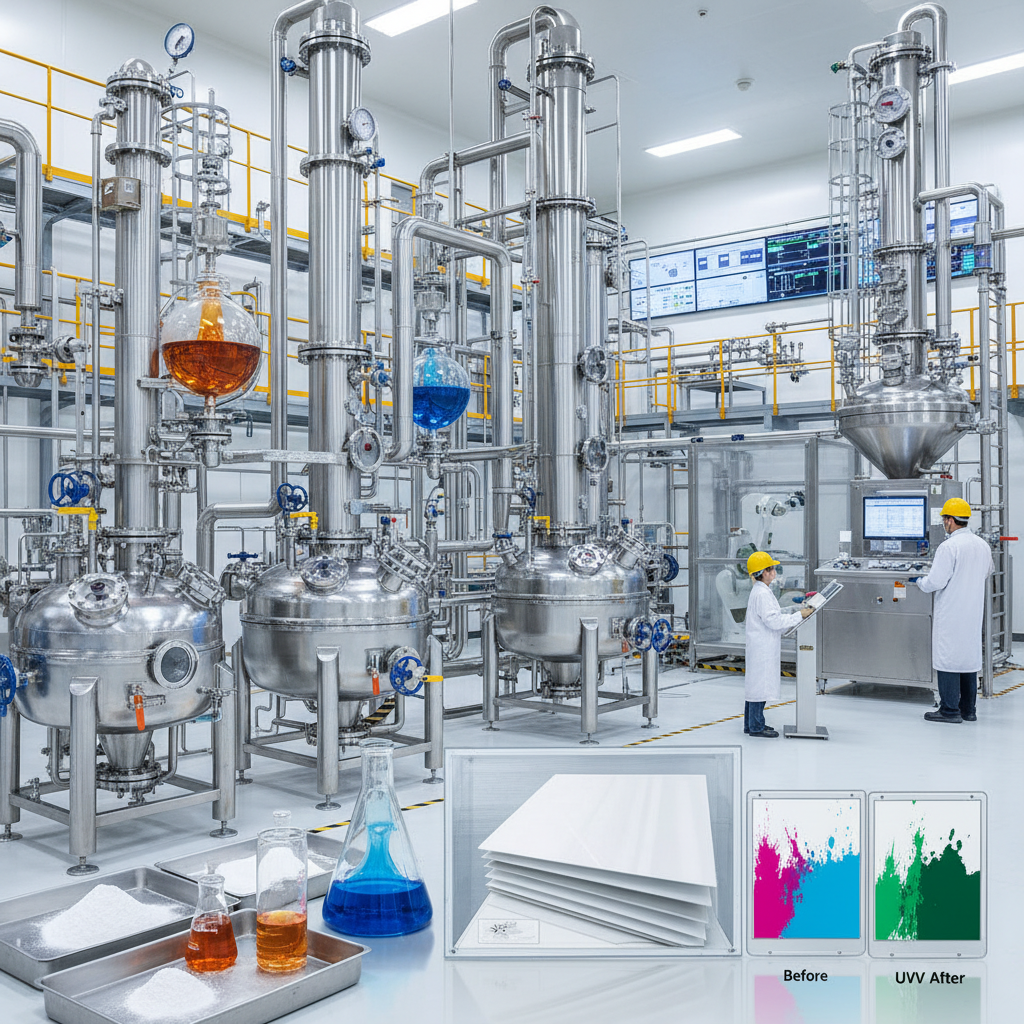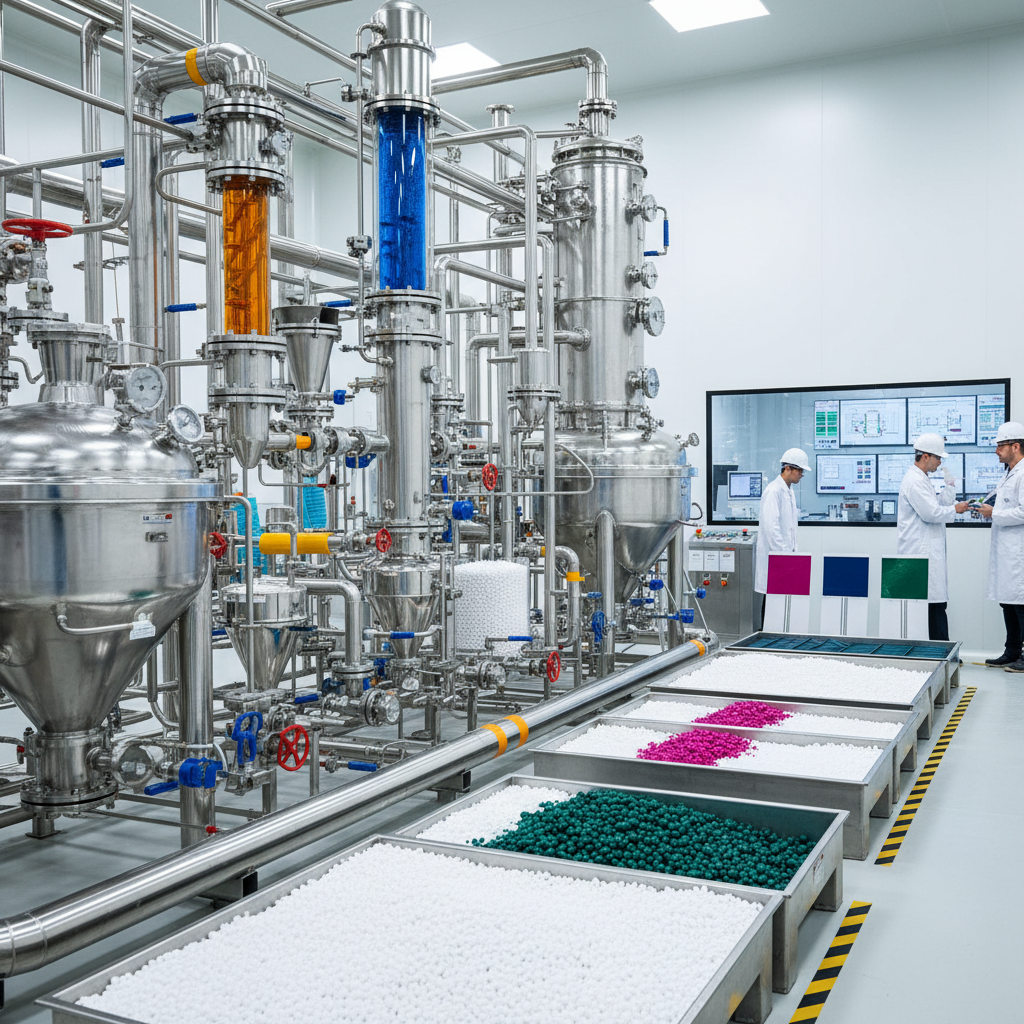


To be honest, the photo paper industry… it’s not as exciting as everyone thinks. It's been kinda stagnant for years, right? But lately, there's been a surge in demand for higher-quality, more durable papers. Not just for fancy prints, but for industrial applications, like barcodes and labels that actually stay stuck. Have you noticed that? Everyone's chasing that "premium" feel, which means a lot more tinkering with coatings and base materials.
I spend most of my time on construction sites and in factories, dealing with the real-world stuff, and what I've seen is that a lot of designers underestimate how important the feel of the paper is. They get hung up on color profiles and resolution, which are important, sure, but if it feels cheap or tears easily, nobody's gonna be happy. It’s a surprisingly tactile business.
And the biggest trap? Trying to cut corners on the base paper.
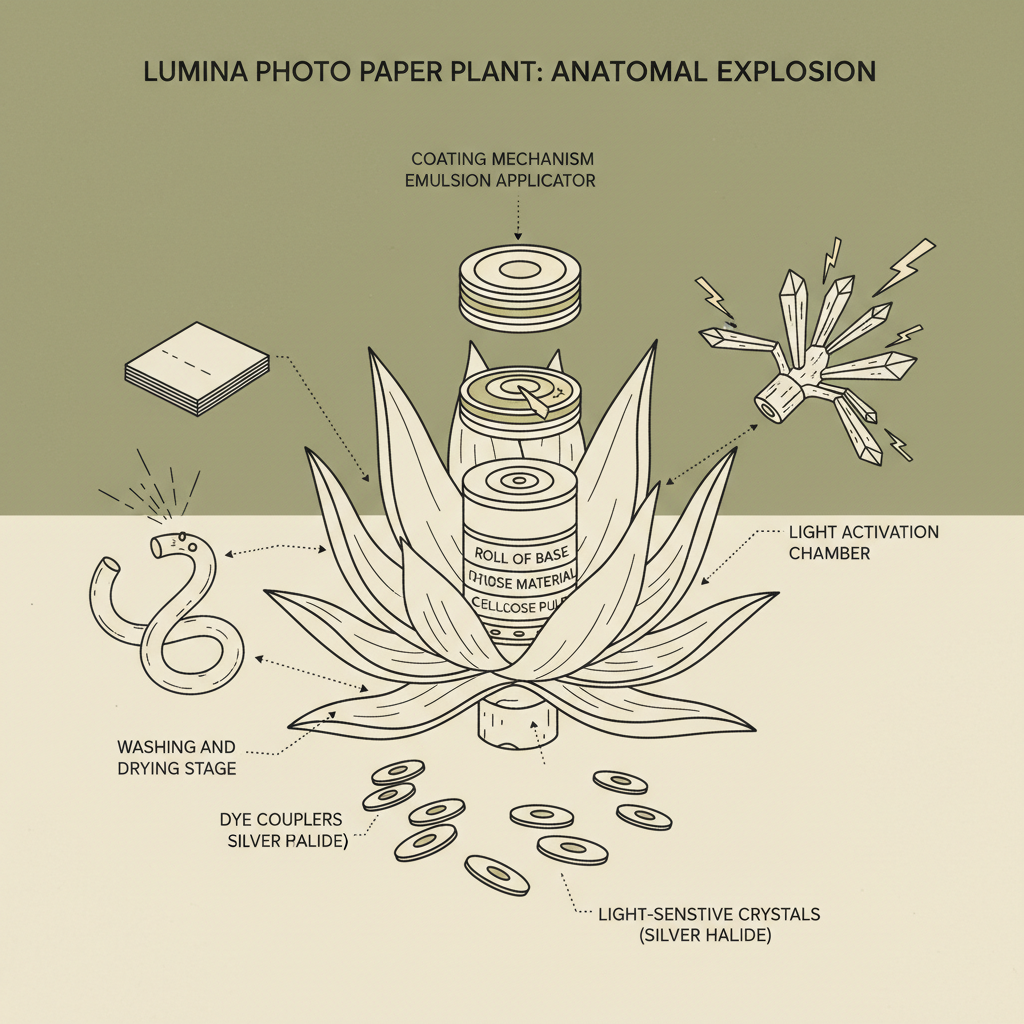
It's moving East, plain and simple. China dominates a lot of the production now, which isn't necessarily a bad thing, but it means quality control can be… variable. I encountered this at a factory in Jiangsu province last time – they were using a really cheap pulp, and the result was a paper that yellowed within weeks. Strangel,y, they didn't seem too concerned. They said it 'added character'.
Anyway, I think the biggest driver right now isn’t actually photographers. It’s the industrial labeling market. Everyone needs durable, high-resolution labels for everything from shipping to product packaging, and photo paper technology is being adapted for that. And the push for eco-friendly options is forcing manufacturers to rethink their coatings and adhesives.
For high-resolution portraits, you really want something with a smooth surface and a wide color gamut. A premium glossy or satin photo paper is usually the best bet. Look for a paper with a weight of at least 240gsm. The key is to capture those subtle skin tones accurately, and a good coating will help with that. Don’t skimp on the paper – it’ll show in the final print.
That depends on a lot of factors: the type of paper, the ink used, and how the print is stored. Archival-quality papers, when combined with pigment-based inks and proper storage (away from direct sunlight and moisture), can last for decades—even over a hundred years. Cheaper papers and dye-based inks will fade much faster, sometimes within a few years.
“Waterproof” is a bit of a strong word. Most waterproof photo papers are water-resistant, meaning they can withstand a splash or a brief exposure to moisture. However, they’re not designed to be submerged in water for extended periods. The coating can eventually start to break down. I've seen plenty of supposedly "waterproof" prints ruined by a leaky pipe.
Glossy paper offers vibrant colors and sharp details, but it can be prone to glare and fingerprints. Matte paper provides a more subdued look with less reflection, making it ideal for viewing under bright lights. It’s also more resistant to fingerprints. It really comes down to personal preference and the type of image you're printing. Landscape photos often look great on matte, while portraits can pop on glossy.
It's tricky. Traditional photo paper with a polyethylene coating isn't typically recyclable with standard paper recycling programs. The coating makes it difficult to break down. However, some companies are developing more eco-friendly photo papers made from recycled materials or with biodegradable coatings. Look for those options if you're concerned about sustainability. And, honestly, a lot of recycling plants just aren't equipped to handle it.
Keep them in a cool, dry, dark place, away from direct sunlight and moisture. Acid-free photo albums or archival sleeves are ideal. Avoid stacking prints directly on top of each other, as that can cause them to stick together. And, for heaven’s sake, don’t store them in the attic or basement! Temperature fluctuations are the enemy.
Ultimately, the photo paper market is about finding the right balance between quality, cost, and durability. It's not glamorous work, but it’s important. From industrial labels to cherished family photos, photo paper plays a surprisingly significant role in our lives. There’s more innovation happening now than there has been in years – new coatings, new materials, new printing technologies.
And at the end of the day, whether this thing works or not, the worker will know the moment he tightens the screw. The feel of it, the way it holds up, the colors…you can't fake that. If you want to know if a photo paper is any good, just ask someone who uses it every single day. photo paper manufacturer.