Look, I’ve been running around construction sites for fifteen years, and let me tell you, things are moving. It’s not just about bigger and faster anymore; everyone’s obsessed with “smart” and “sustainable.” Photo paper manufacturers… well, it's gotten more complex. Used to be, you picked a gloss or matte, and you were done. Now? It’s all about micro-porous coatings, resin-coated bases, instant-dry technology… a whole language. And honestly, a lot of it is marketing fluff.
But there's genuine progress too. The demand for high-quality prints, despite everything going digital, is still there. People want tangible memories, marketing materials need to feel good, that sort of thing. It's not dying, it's evolving. And the manufacturers are scrambling to keep up, which leads to a lot of… interesting designs.
The biggest shift I’ve noticed is this push for eco-friendly options. Used to be, these papers were just loaded with chemicals. Now, everyone’s talking about recycled content, water-based inks, and biodegradable coatings. Good, right? Mostly. But sometimes, trying to be green sacrifices durability. And nobody wants a print that fades in a month.
The Current Landscape of Photo Paper Manufacturers
To be honest, the market is dominated by a handful of big players, mostly in Japan and China. But there are some smaller, boutique manufacturers popping up, focusing on specialty papers. Have you noticed how everyone wants "artisan" everything these days? Photo paper is no different. These smaller guys often do interesting things with textures and coatings. But scaling is a problem for them. It's hard to compete on price when you’re not churning out millions of rolls.
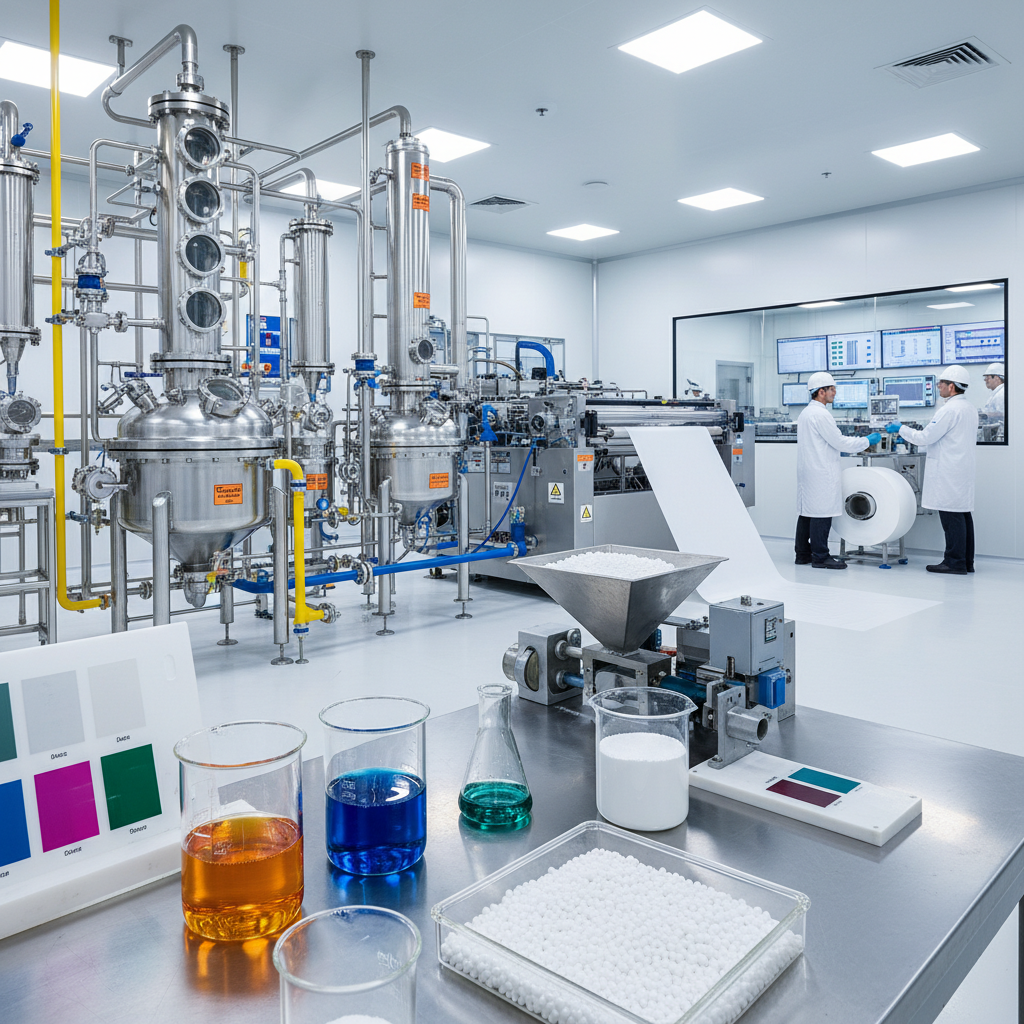
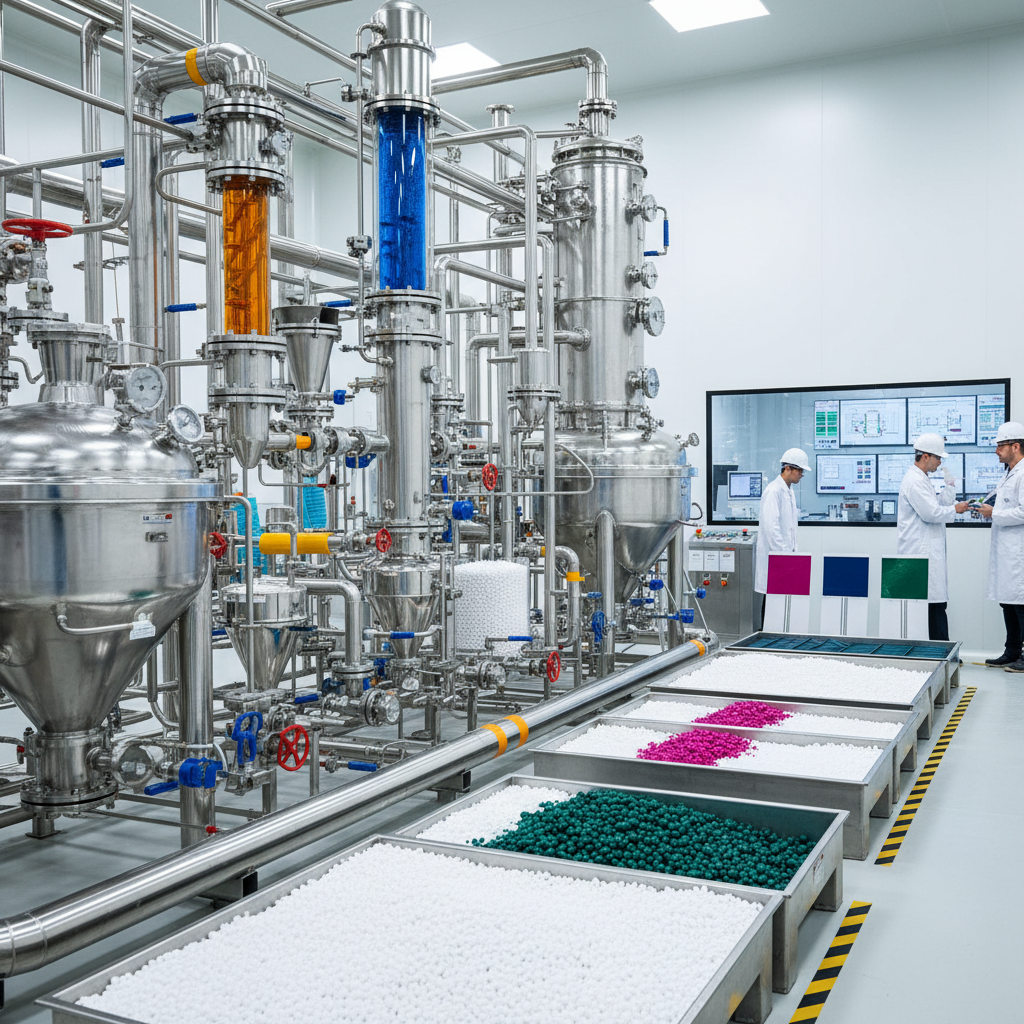
It’s also become incredibly globalized. The raw materials come from all over – pulp from Scandinavia, coatings from Germany, chemicals from… well, everywhere. Then it all gets assembled in China, mostly. It's a complicated supply chain, prone to disruptions, believe me. I saw it firsthand during the pandemic – prices went crazy.
Common Design Pitfalls in Photo Paper Manufacturing
One thing I’ve encountered repeatedly at factories is over-engineering. Manufacturers get so focused on adding features – instant dry, super gloss, archival quality – that they forget about basic usability. Like, a paper that curls up immediately after printing? What's the point? It’s strangely common. They'll tell you it's a "characteristic" of the coating… yeah, a characteristic that makes it unusable.
Another issue is consistency. You order a thousand rolls, and the first hundred are perfect, but then the coating starts to flake, or the color balance shifts. It drives printers nuts. They need consistency, especially for large-format prints. And chasing down that inconsistency… that's a headache. It's all about process control, which, sadly, a lot of manufacturers cut corners on.
And don’t even get me started on packaging. Too much plastic, not enough protection. I've seen entire shipments ruined because the rolls weren’t properly sealed.
Materials and Their Quirks
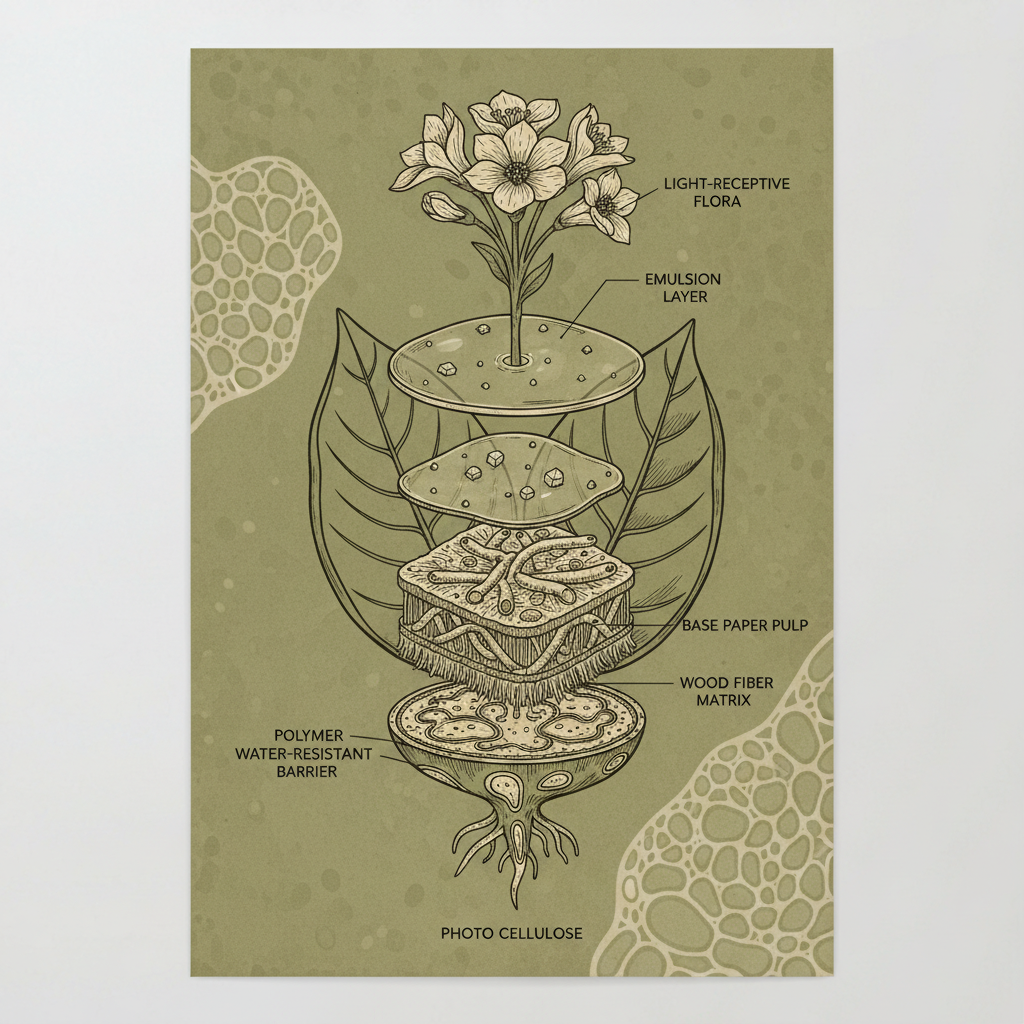
The base stock is usually paper, obviously, but the quality varies wildly. You've got your cheap newsprint-based stuff, which is okay for proofs but terrible for anything you want to keep. Then you've got alpha-cellulose papers, which are much more archival. You can smell the difference, honestly. The cheap stuff smells like… well, paper. The good stuff has a cleaner, almost linen-like scent.
The coatings are where things get really interesting. Micro-porous coatings are the standard now – they absorb the ink quickly and prevent smudging. But the formulation is key. Some coatings are too brittle, others are too soft. Resin coatings give you that glossy look, but they can be prone to cracking. And then there’s the polyethylene coating… it feels almost plasticky, but it’s super durable.
Honestly, handling these materials on site, you learn what feels right. A good paper will have a slight weight to it, a smooth, even texture. It shouldn’t feel flimsy or brittle. It’s a tactile thing, really.
Real-World Testing and Performance
Forget the lab tests. Those are useful for basic specs, but they don’t tell you how a paper will actually perform. I encountered this at a printing factory last time. They had a whole room dedicated to testing, but it was all sterile and controlled. What they needed was to run the paper through their production line, print a bunch of different images, and see what happened.
We did that. We tested fade resistance by exposing prints to direct sunlight for weeks. We tested scratch resistance by, well, scratching them. We tested water resistance by spilling coffee on them (don’t tell anyone). The real test is seeing how it holds up in everyday use.
Photo Paper Manufacturers Performance Metrics
How People Actually Use Photo Paper
You know, it’s not always what you expect. A lot of people aren’t printing family photos anymore. It’s more about marketing materials, event signage, professional portfolios. And a surprising amount is still used for proofing – photographers need to see accurate colors and tones before sending something to print.
I was talking to a guy who runs a photo booth business last week. He said the biggest issue he has is people trying to cram too many prints into the booth at once. It jams the printer, and he spends half his time fixing it. He needs a paper that can handle a little abuse.
Advantages, Disadvantages, and Customization
The big advantage of good photo paper is the impact it makes. A vibrant, well-printed image just feels more professional, more valuable. But the downside? Cost. High-quality paper isn't cheap. And if you're printing large volumes, that cost adds up.
Customization is possible, of course. You can get papers with different weights, textures, and coatings. Last month, that small boss in Shenzhen who makes smart home devices insisted on changing the interface to , and the result was a complete disaster with their printers. He wanted a specific shade of white, a slightly textured surface, and a water-resistant coating. It took weeks to find a manufacturer who could meet his requirements, and it was expensive. Anyway, I think he learned his lesson.
A Customer Story and the Bottom Line
So, a customer called me, a small marketing agency in Austin. They were using a glossy paper for their brochures, and the images were looking… flat. They wanted something with more depth, more impact. We recommended a satin finish paper with a heavier weight.
They were skeptical at first – it was a bit more expensive. But they tried it, and they were blown away. The colors popped, the images looked richer, and their clients noticed. They ended up getting a bigger contract because of it. That’s the power of good photo paper.
Ultimately, whether this thing works or not, the worker will know the moment he tightens the screw.
Photo Paper Manufacturing: A Quick Reference Table
| Paper Weight (gsm) |
Coating Type |
Durability (1-5) |
Typical Application |
| 160 |
Glossy |
2 |
Proofing, Quick Prints |
| 190 |
Satin |
3 |
Marketing Materials, Portraits |
| 230 |
Matte |
4 |
Fine Art Prints, Display Graphics |
| 280 |
Resin Coated |
5 |
High-End Photography, Archival Prints |
| 170 |
Water-Resistant |
3 |
Outdoor Signage, Event Flyers |
| 210 |
Recycled |
2 |
Eco-Friendly Marketing |
FAQS
Glossy papers offer vibrant colors and a reflective shine, making them ideal for photographs and images where you want to emphasize visual impact. However, they can be prone to fingerprints and glare. Matte papers, on the other hand, have a non-reflective surface, offering a more subdued look. They’re great for text-heavy documents and artwork where readability is important, and they minimize glare. Choosing between the two depends entirely on the desired aesthetic and the intended use of the print.
Storage is crucial. Photo paper should be stored in a cool, dry place, away from direct sunlight and humidity. Keep it in its original packaging as much as possible, or in an airtight container. Avoid stacking large quantities of paper on top of each other, as this can cause pressure and warping. And honestly? Don’t buy more than you need. Old paper is just asking for trouble.
For brochures, a paper weight between 170gsm and 250gsm is generally recommended. 170gsm is good for a lighter, more economical option, while 250gsm provides a more substantial, premium feel. Consider the number of pages in your brochure – a thicker paper is especially important for multi-page brochures to prevent bleed-through and ensure durability.
That’s a tricky one. Historically, eco-friendly papers haven’t been as durable, but technology is improving. Many manufacturers are now producing recycled papers with comparable strength and water resistance to traditional papers. Look for papers certified by organizations like FSC (Forest Stewardship Council) to ensure responsible sourcing and quality. You may have to pay a premium, but it's getting better.
Micro-porous coating is a technology used in many high-quality photo papers. It creates tiny pores in the coating that quickly absorb ink, preventing it from sitting on the surface and smudging. This results in sharper images, faster drying times, and better archival qualities. It's a key factor in achieving professional-looking prints, especially with inkjet printers.
Absolutely. Many photo paper manufacturers offer custom cutting services, though it may involve a minimum order quantity and additional fees. It’s a great option if you need a specific size that isn’t standard, like for framed prints or unique marketing materials. Don’t be afraid to ask—they’re usually pretty accommodating, especially for larger orders.
Conclusion
So, what have we learned? Photo paper isn’t just paper anymore. It's a complex product, driven by evolving technology, sustainability concerns, and a surprisingly resilient demand for tangible prints. Choosing the right paper involves understanding the materials, the coatings, the application, and, honestly, a bit of trial and error. It's a nuanced world, for sure.
Looking ahead, I expect to see even more innovation in eco-friendly materials and coatings, as well as a greater emphasis on customization. The manufacturers who can adapt to these trends will be the ones who succeed. But at the end of the day, whether it works or not… the worker will know the moment he tightens the screw.