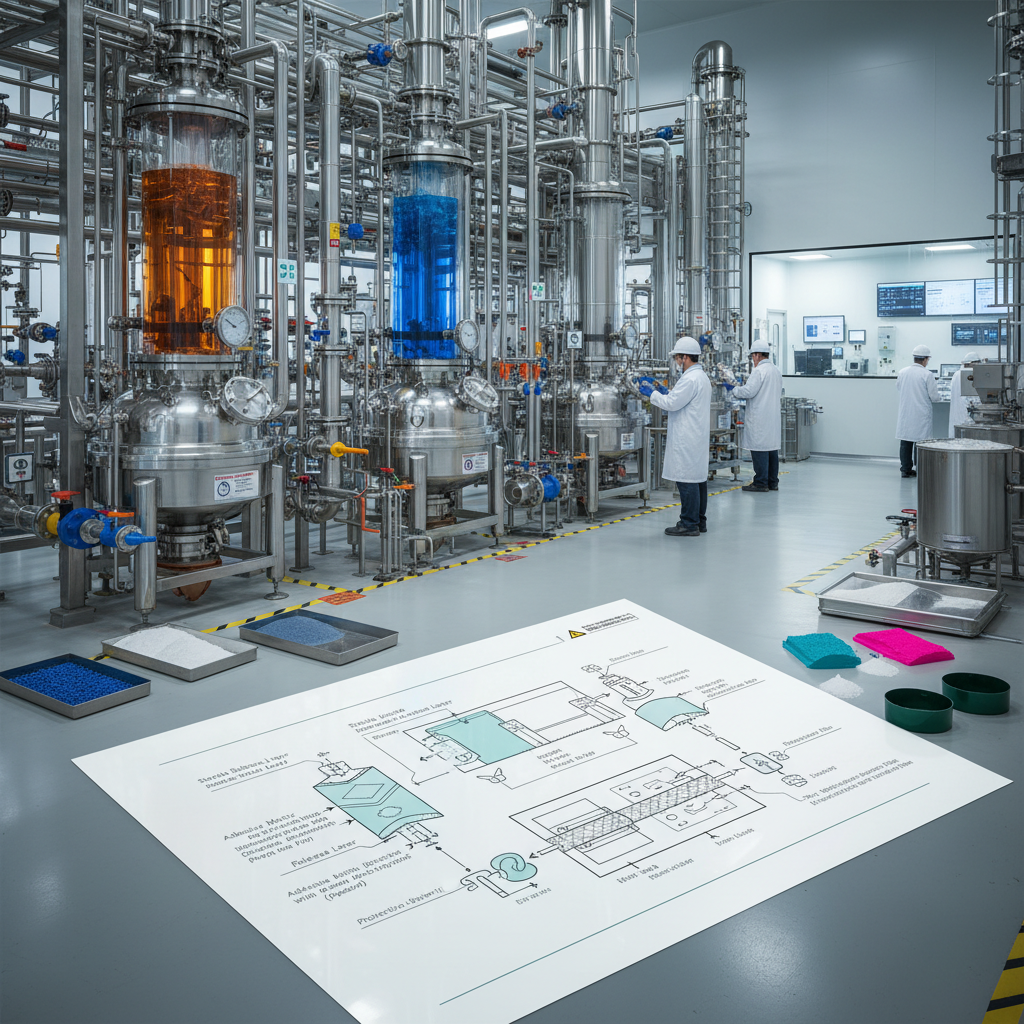
The solar back sheet is a crucial component of any photovoltaic (PV) module, acting as the final encapsulating layer that protects the sensitive solar cells from environmental stressors. Its significance is growing exponentially as the world transitions toward renewable energy sources, particularly solar power, to combat climate change. Understanding the nuances of solar back sheet technology – its materials, performance characteristics, and evolving innovations – is paramount for ensuring the long-term reliability, efficiency, and sustainability of solar energy systems.
Globally, the demand for solar energy is soaring, driven by government incentives, decreasing costs, and increasing environmental awareness. According to the International Renewable Energy Agency (IRENA), global solar PV capacity reached over 1 terawatt in 2022, representing a substantial increase from previous years. The solar back sheet directly impacts the longevity and performance of this expanding infrastructure, making its quality and durability essential. Failure of the back sheet can lead to module degradation, reduced power output, and ultimately, higher lifecycle costs.
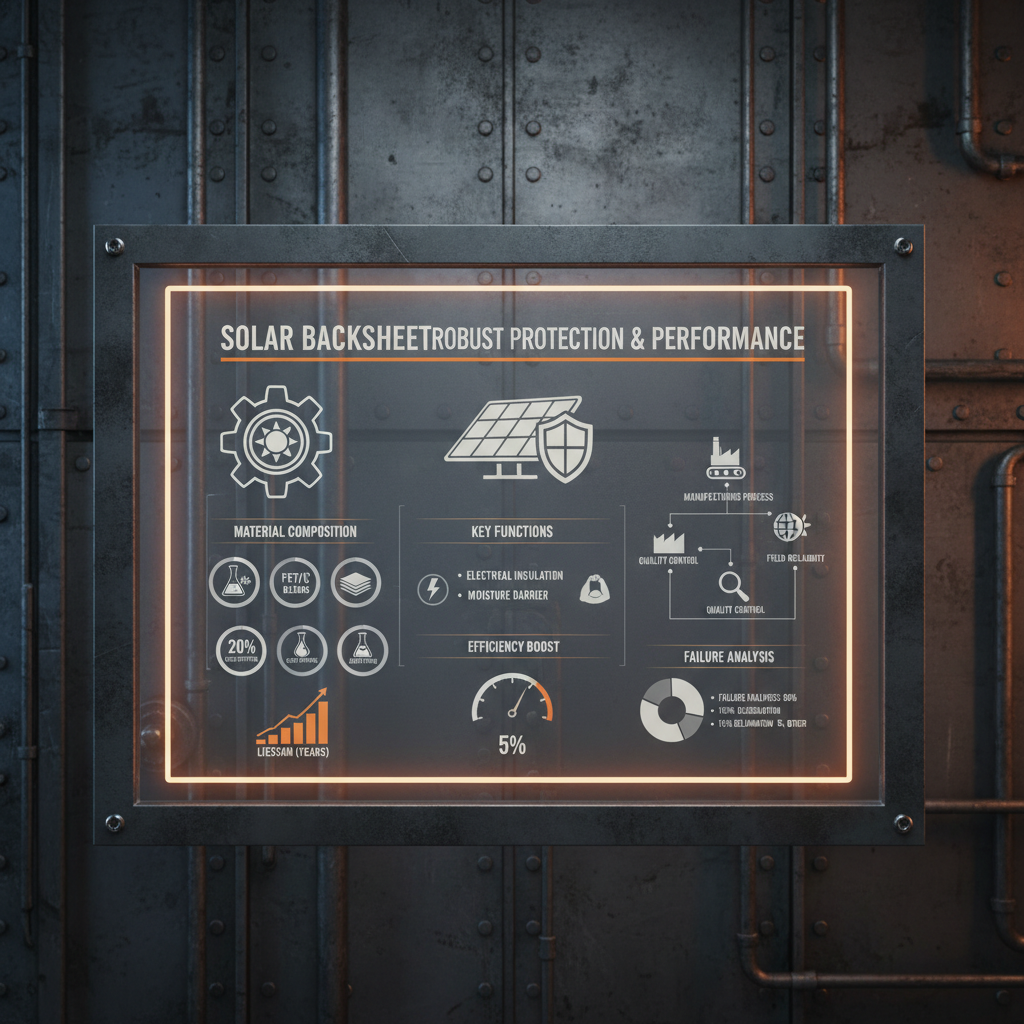
The solar back sheet is a multi-layered polymeric material applied to the rear of a solar panel. It provides electrical insulation, moisture barrier protection, and mechanical support. Essentially, it safeguards the solar cells from the harsh realities of outdoor exposure – UV radiation, temperature fluctuations, humidity, and physical impact. Modern back sheets are designed to not only protect but also contribute to the overall efficiency and safety of the solar module.
Introduction to Solar Back Sheet
The rising demand for sustainable energy solutions has placed the solar industry at the forefront of technological advancement. A critical, yet often overlooked, component within this industry is the solar back sheet. Its primary function extends beyond simple protection; it’s integral to ensuring the long-term viability and efficient operation of solar panels, significantly impacting the return on investment for solar energy projects.
The evolution of the solar back sheet has been driven by the need for enhanced durability, improved performance under extreme conditions, and increased sustainability. From early materials to sophisticated multi-layer constructions, the continuous pursuit of innovation in this area is vital for meeting the ever-growing demands of the global energy market. The development of better solar back sheets directly contributes to reducing the levelized cost of electricity (LCOE) from solar power.
Defining Solar Back Sheet Technology
A solar back sheet is the outermost layer on the rear of a solar panel. It is typically a composite structure designed to provide several key functions. Primarily, it serves as an electrical insulator, preventing short circuits and ensuring safe operation. Second, it acts as a moisture barrier, protecting the delicate solar cells from humidity, corrosion, and degradation. Lastly, it provides mechanical support, resisting physical damage from hail, wind, and other environmental factors.
The composition of a solar back sheet has evolved significantly over time. Early materials were primarily based on Tedlar (PVF), but modern back sheets often incorporate multi-layer structures featuring PET (polyethylene terephthalate), EVA (ethylene-vinyl acetate), and other polymers to optimize performance characteristics. The choice of material impacts factors such as UV resistance, thermal stability, and overall lifespan.
This technology connects directly to modern industry needs for reliable and cost-effective renewable energy. The demand for solar energy aligns with global initiatives to reduce carbon emissions and transition towards sustainable energy sources. Improved back sheet technologies directly contribute to achieving these goals by extending the lifespan and enhancing the efficiency of solar installations.
Core Components of a Solar Back Sheet
A typical solar back sheet consists of multiple layers, each with a specific function. The outer layer often features a fluoropolymer, such as PVF or PVDF, providing excellent resistance to UV radiation and weathering. This layer is crucial for long-term durability and protection against environmental degradation.
Beneath the outer layer lies a core layer, frequently made of PET or PEN. This layer provides mechanical strength and acts as a barrier against moisture and oxygen. Its properties contribute to the overall dimensional stability and durability of the back sheet. The adhesive layers between these components are also vital for ensuring cohesion and preventing delamination.
Finally, an inner layer, often comprised of EVA or similar materials, provides adhesion to the encapsulant layer and further enhances moisture resistance. The integration of these layers creates a robust and reliable barrier, ensuring the long-term performance of the solar module.
Performance Characteristics of Solar Back Sheet
The performance of a solar back sheet is evaluated based on several key metrics. UV resistance is paramount, as prolonged exposure to ultraviolet radiation can cause degradation and loss of mechanical properties. Moisture penetration is another critical factor, as water ingress can lead to corrosion and reduced electrical insulation.
Thermal stability is essential, as solar panels experience significant temperature fluctuations during operation. The back sheet must withstand these temperature cycles without cracking, warping, or delaminating. Electrical insulation properties are also crucial for safety and preventing short circuits.
Solar Back Sheet Performance Comparison
Global Applications of Solar Back Sheet
Solar back sheets are utilized in a wide array of solar energy applications globally. Large-scale solar farms, residential rooftop installations, and off-grid power systems all rely on the protective capabilities of these materials. Regions with high solar irradiance, such as the southwestern United States, Australia, and the Middle East, are particularly dependent on durable and high-performing back sheets.
In post-disaster relief operations, portable solar power solutions employing robust back sheets provide critical electricity access to affected communities. Similarly, in remote industrial zones and developing countries, solar back sheets enable reliable power generation where grid connectivity is limited or unavailable. They are integral in providing power to critical infrastructure like telecommunications towers, water pumping stations, and healthcare facilities.
Advantages and Long-Term Value
The advantages of using high-quality solar back sheets are substantial. They contribute to increased module lifespan, reduced maintenance costs, and improved overall system reliability. This translates to a lower levelized cost of electricity (LCOE) for solar power, making it more competitive with traditional energy sources. A durable back sheet minimizes the risk of premature module failure and warranty claims.
Beyond economic benefits, solar back sheets promote sustainability by reducing waste and extending the useful life of solar panels. The long-term value lies in the assurance of consistent power generation, reduced environmental impact, and a greater return on investment for solar energy projects. This builds trust in solar technology as a viable and responsible energy solution.
The choice of a high-quality solar back sheet demonstrates a commitment to long-term performance, safety, and environmental responsibility, enhancing the overall credibility and appeal of solar energy investments.
Future Trends and Innovations in Solar Back Sheet
The future of solar back sheet technology is focused on several key areas. Research and development efforts are directed towards creating back sheets with enhanced durability, improved moisture resistance, and increased UV stability. The exploration of new materials, such as polyimides and modified fluoropolymers, is gaining momentum.
Innovations in encapsulation techniques, including the use of advanced adhesives and barrier films, are also driving improvements in back sheet performance. Furthermore, the integration of smart materials and sensors into back sheets could enable real-time monitoring of module health and performance, facilitating proactive maintenance and optimizing energy output. The pursuit of recyclable and biodegradable back sheet materials aligns with growing sustainability concerns.
These advancements will play a crucial role in reducing the cost of solar energy, increasing its efficiency, and further accelerating the global transition towards a cleaner and more sustainable energy future.
Summary of Key Innovations in Solar Back Sheet Technology
| Innovation Area |
Material Focus |
Performance Enhancement |
Implementation Stage |
| Fluoropolymer Alternatives |
PVDF, FEVE |
Improved UV Resistance & Chemical Stability |
Commercialization |
| Polyimide Back Sheets |
Kapton, Upilex |
Exceptional Thermal Stability & Flexibility |
Pilot Production |
| Advanced Adhesive Systems |
Modified EVA, Silicone-Based Adhesives |
Enhanced Bonding Strength & Moisture Barrier |
Ongoing Research |
| Barrier Film Integration |
AlOx, SiNx Coatings |
Reduced Water Vapor Transmission Rate |
Limited Commercial Availability |
| Recyclable Back Sheet Materials |
Bio-Based Polymers, Degradable Plastics |
Reduced Environmental Impact & Circularity |
Early-Stage Development |
| Integrated Sensor Technology |
Conductive Polymers, Thin-Film Sensors |
Real-Time Performance Monitoring & Predictive Maintenance |
Proof-of-Concept |
FAQS
The lifespan of a solar panel back sheet typically ranges from 25 to 30 years, mirroring the warranty periods offered by many solar panel manufacturers. However, actual lifespan depends on material quality, environmental conditions, and manufacturing processes. High-quality fluoropolymer-based back sheets generally offer superior longevity compared to other materials. Regular inspection and maintenance can help maximize its lifespan.
Temperature fluctuations significantly impact a solar back sheet. Extreme heat can cause thermal stress, leading to cracking or delamination, while cold temperatures can make the material brittle. A good solar back sheet must maintain its integrity and performance across a wide temperature range, typically from -40°C to +85°C. Thermal cycling tests are essential to evaluate its resilience.
Common materials include fluoropolymers like PVF (Tedlar) and PVDF, polyesters like PET (polyethylene terephthalate), and polyimides. EVA (ethylene-vinyl acetate) is often used as an adhesive layer. Newer materials like PEN (polyethylene naphthalate) offer improved thermal stability. The choice of materials depends on the desired performance characteristics and cost considerations.
UV resistance is critically important. Prolonged exposure to ultraviolet radiation can cause the back sheet to degrade, leading to discoloration, cracking, and loss of mechanical properties. Fluoropolymers are inherently UV-resistant, making them a preferred choice for the outer layer of the back sheet. UV aging tests are performed to assess its resistance to degradation.
Yes, research is underway to develop more sustainable alternatives. Bio-based polymers and degradable plastics are being explored as potential replacements for conventional materials. Efforts are also focused on improving the recyclability of existing back sheets to reduce environmental waste. While these alternatives are still in early stages, they represent a promising step towards greener solar technology.
Look for certifications like IEC 61730, which validates safety and performance. Check the data sheet for UV resistance, moisture permeability, and thermal stability specifications. Reputable manufacturers provide detailed test reports and warranties. The material composition, particularly the presence of high-quality fluoropolymers, is a key indicator of quality.
Conclusion
The solar back sheet is a deceptively simple component that plays a vital role in the long-term success of solar energy. From providing essential protection to influencing module efficiency and lifespan, its importance cannot be overstated. Understanding the core components, performance characteristics, and emerging innovations in this technology is crucial for ensuring the reliability and sustainability of solar power systems. The continuous development of advanced materials and encapsulation techniques will further enhance the performance and reduce the cost of solar energy.
Investing in high-quality solar back sheets is not merely a cost consideration; it's a strategic decision that impacts the overall return on investment, environmental responsibility, and the future of clean energy. To learn more about our cutting-edge solar back sheet solutions and how they can benefit your projects, visit our website: www.lkintl.com.