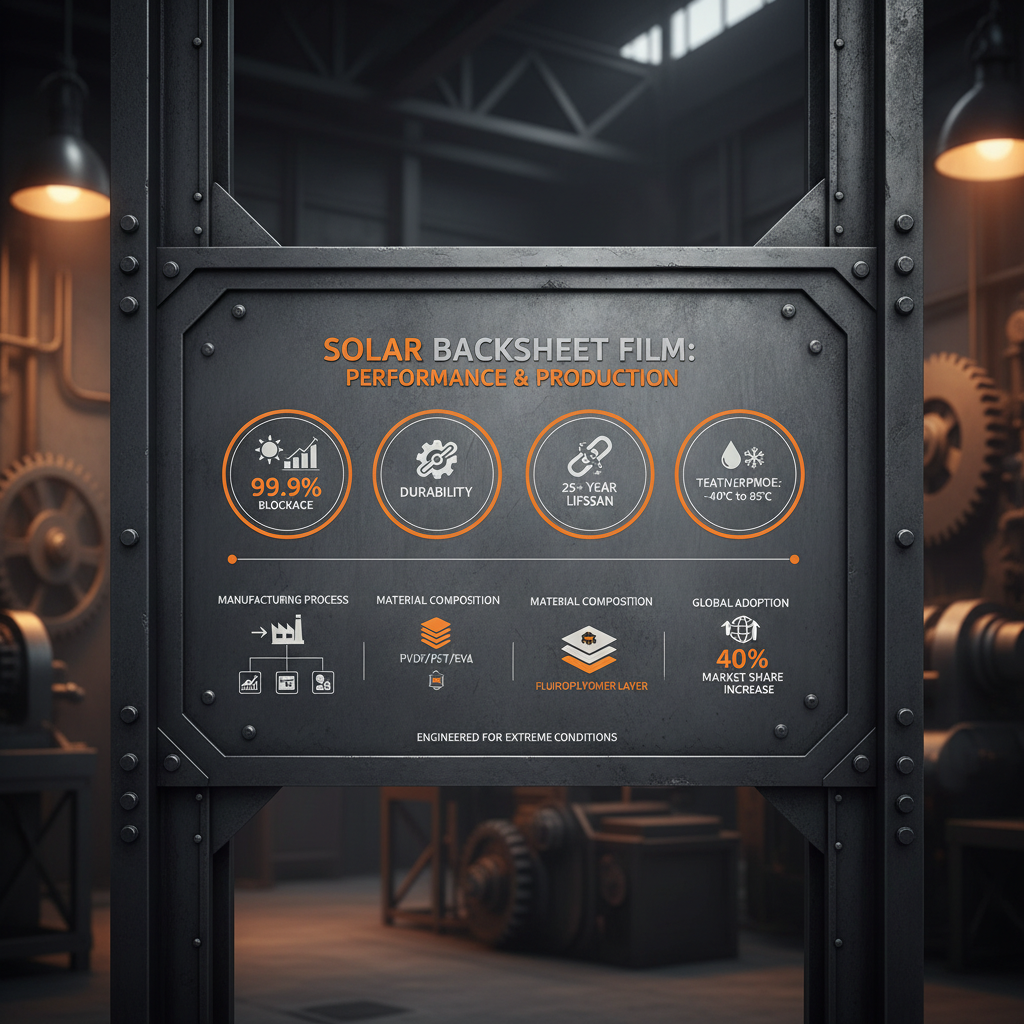
Solar backsheet film is a crucial component in the construction of photovoltaic (PV) modules, more commonly known as solar panels. It’s the outermost layer on the back of a solar panel, providing essential protection against environmental factors like moisture, UV radiation, and temperature fluctuations. This seemingly simple film plays a vital role in ensuring the longevity and efficiency of solar energy systems globally.
The growing demand for renewable energy sources, driven by climate change concerns and decreasing costs, has led to a significant expansion in the solar energy sector. Consequently, the demand for high-quality solar backsheet film is steadily increasing. Globally, investment in renewable energy is reaching record levels, with solar power leading the charge. Data from the International Renewable Energy Agency (IRENA) shows consistent annual growth in installed solar capacity.
Understanding the properties, applications, and future trends of solar backsheet film is critical for anyone involved in the solar energy industry – from manufacturers and installers to policymakers and investors. A well-functioning backsheet directly correlates with the reliability and cost-effectiveness of solar energy generation, impacting the widespread adoption of this sustainable technology.
The Importance of Solar Backsheet Film
The longevity and performance of a solar panel are heavily reliant on the quality of its backsheet. A compromised backsheet can lead to delamination, corrosion, and ultimately, a significant reduction in power output. The solar backsheet film acts as the first line of defense against harsh weather conditions, protecting the delicate solar cells within.
Modern solar backsheet film is engineered to withstand extreme temperatures, high humidity, and prolonged exposure to ultraviolet (UV) radiation. Advancements in materials science have resulted in backsheets with improved durability and resistance to degradation, directly contributing to the increased lifespan and reliability of solar installations.
Defining Solar Backsheet Film
Solar backsheet film is a multi-layered polymer sheet applied to the rear of a solar panel module. It’s not simply a protective covering; it’s an integral part of the panel’s electrical insulation and structural integrity. The primary function is to insulate the solar cells from moisture and contaminants, preventing short circuits and corrosion.
It typically consists of several layers, each designed to provide specific properties. These layers often include a protective outer layer (such as fluoropolymers), a core layer for electrical insulation, and an adhesive layer for bonding to the solar cells. Different backsheet materials offer varying levels of performance and cost.
The development of solar backsheet film is directly linked to the evolution of the solar energy industry. As demand for solar power increased, so did the need for more robust and reliable backsheet materials to ensure the long-term performance of solar installations and meet stringent industry standards.
Core Characteristics of Solar Backsheet Film
One of the most critical characteristics is its dielectric strength – the ability to resist the flow of electrical current. A high dielectric strength is essential for preventing short circuits and ensuring the safe operation of the solar panel. The backsheet’s thermal stability is also vital, allowing it to maintain its properties over a wide range of operating temperatures.
UV resistance is paramount, as prolonged exposure to UV radiation can cause degradation and embrittlement of the material. Similarly, water vapor transmission rate (WVTR) is a key metric; a low WVTR indicates a more effective barrier against moisture ingress. Mechanical strength, including tensile strength and tear resistance, ensures the backsheet can withstand handling and environmental stresses.
Finally, chemical resistance is important, as the backsheet may be exposed to various chemicals during manufacturing, installation, and operation. These characteristics collectively determine the overall reliability and lifespan of the solar module and are rigorously tested to ensure compliance with industry standards like IEC 61730 and UL 1703.
Key Factors Influencing Performance
The choice of material significantly impacts the performance of solar backsheet film. Commonly used materials include Polyvinyl Fluoride (PVF), Polyester (PET), Polyethylene Terephthalate (PET), and Polyimide (PI). Each material possesses unique strengths and weaknesses concerning cost, durability, and environmental resistance.
The manufacturing process also plays a critical role. Extrusion, coating, and lamination techniques all affect the final properties of the backsheet. Precise control over these processes is essential to ensure consistent quality and optimal performance. Furthermore, the thickness of each layer within the multi-layered backsheet influences its barrier properties and mechanical strength.
Solar Backsheet Film Performance Metrics
Global Applications and Industry Impact
Solar backsheet film finds application across a wide spectrum of solar energy projects, from large-scale utility power plants to residential rooftop installations. In post-disaster relief operations, portable solar generators utilizing robust backsheet materials provide critical power to affected communities.
The industry impact extends beyond energy production. Demand for high-quality solar backsheet film drives innovation in materials science and manufacturing processes, creating employment opportunities and fostering economic growth. Regions with significant solar energy initiatives, such as China, Europe, and the United States, represent major markets for solar backsheet film manufacturers.
Advantages and Long-Term Value Proposition
The primary advantage of using high-quality solar backsheet film lies in its enhanced durability and extended lifespan, reducing the need for frequent panel replacements. This translates to significant cost savings over the lifetime of the solar installation. Furthermore, improved weather resistance minimizes performance degradation, maximizing energy yield.
From a sustainability perspective, a longer-lasting solar panel reduces waste and minimizes the environmental footprint of solar energy generation. The inherent reliability of a well-designed backsheet provides peace of mind to consumers and investors, fostering trust in the long-term viability of solar technology.
Future Trends and Innovation in Solar Backsheet Film
Current research focuses on developing next-generation solar backsheet films with even greater durability, lighter weight, and improved recyclability. Materials like thermoplastic polyolefins (TPOs) and advanced fluoropolymers are being explored as alternatives to traditional materials.
The integration of digital printing technologies allows for customized backsheet designs and enhanced functionality, potentially incorporating features like self-cleaning surfaces or embedded sensors for performance monitoring. Policy initiatives promoting sustainable energy practices and circular economy principles are also driving innovation in backsheet materials and manufacturing processes.
These developments will play a crucial role in further reducing the cost of solar energy and accelerating its widespread adoption, contributing to a more sustainable energy future. The future of solar backsheet film is intertwined with the broader goals of decarbonization and energy independence.
Overview of Key Challenges and Potential Solutions in Solar Backsheet Film
One of the persistent challenges with solar backsheet film is the potential for field failures, such as cracking or delamination, particularly in harsh climates. This can lead to costly repairs and reduced energy output. A common solution involves enhancing material formulations and improving quality control during manufacturing.
Another issue is the recyclability of existing backsheet materials. Many current backsheets contain multiple layers of different polymers, making separation and recycling difficult. Research is underway to develop mono-material backsheets or designs that facilitate easier disassembly and material recovery.
Finally, the industry faces ongoing pressure to reduce costs without compromising performance. Innovative manufacturing techniques, such as thin-film coating and optimized material usage, are being explored to address this challenge.
Summary of Challenges and Solutions in Solar Backsheet Film
| Challenge |
Impact on System |
Potential Solution |
Implementation Difficulty (1-5) |
| Backsheet Cracking |
Reduced power output, potential safety hazard |
Improved material flexibility and UV resistance |
3 |
| Delamination |
Moisture ingress, corrosion of cells |
Enhanced adhesive layers, improved sealing |
4 |
| Low Recyclability |
Environmental waste, circular economy challenges |
Mono-material designs, improved disassembly methods |
5 |
| High Cost |
Increased overall system cost, reduced competitiveness |
Optimized manufacturing processes, alternative materials |
3 |
| UV Degradation |
Loss of mechanical properties, reduced lifespan |
UV-stabilized materials, protective coatings |
2 |
| Moisture Permeation |
Corrosion and reduced efficiency |
Advanced barrier layers |
4 |
FAQS
The expected lifespan of a solar panel backsheet typically ranges from 25 to 30 years, mirroring the warranty periods offered by most solar panel manufacturers. However, this can vary based on the material used, the manufacturing quality, and the environmental conditions the panel is exposed to. Factors like UV radiation, temperature fluctuations, and humidity can accelerate degradation, so selecting a high-quality backsheet film designed for the specific climate is essential for maximizing longevity. Proper installation and maintenance also contribute to the backsheet’s overall performance over time.
PVF (Polyvinyl Fluoride) backsheets are known for their excellent long-term weather resistance and durability, making them a premium option, albeit more expensive. PET (Polyester) backsheets are a more cost-effective alternative offering good mechanical strength but generally have lower UV resistance than PVF. PI (Polyimide) backsheets are the highest performing, with exceptional thermal stability and dielectric strength, often used in demanding applications but come at a significantly higher cost. Each material has trade-offs, and the optimal choice depends on the specific application and budget.
While the backsheet doesn’t directly generate electricity, it plays a critical role in maintaining the efficiency of the solar panel over its lifespan. A compromised backsheet can lead to moisture ingress and corrosion, which degrade the solar cells and reduce their output. A high-quality backsheet ensures optimal insulation, preventing electrical leakage and maintaining the panel's performance. The backsheet's reflectivity can also subtly influence performance by reflecting light back onto the cells.
Common signs of backsheet failure include discoloration, cracking, delamination (peeling), and blistering. Visible cracks are a clear indicator of degradation. Discoloration often signals UV damage. Delamination allows moisture to enter the panel, potentially causing corrosion. These signs should prompt a professional inspection to assess the extent of the damage and determine if panel replacement is necessary. Regularly monitoring panels for these issues can prevent more significant problems.
Repairing a damaged solar panel backsheet is generally not recommended and often impractical. Because the backsheet is a critical component for structural integrity and electrical insulation, any repair attempts are unlikely to restore its original protective properties. Furthermore, attempting a repair could potentially void the panel's warranty. It is typically more cost-effective and safer to replace the entire panel than to attempt a repair.
Recyclability is a growing concern in the solar industry. Traditionally, many backsheets contained multiple layers of different polymers, making separation and recycling difficult. However, advancements are being made with mono-material backsheets (made from a single polymer) and designs that facilitate easier disassembly. Research is also focused on developing chemical recycling processes to break down backsheet materials into their constituent components for reuse. These innovations aim to reduce waste and promote a circular economy within the solar industry.
Conclusion
Solar backsheet film is a foundational element in the success of solar energy, providing crucial protection, insulation, and long-term reliability to photovoltaic modules. Its performance directly impacts the efficiency, lifespan, and overall cost-effectiveness of solar installations, making it a vital consideration for manufacturers, installers, and investors alike. Ongoing innovation in materials science and manufacturing processes is continually improving backsheet performance and addressing challenges related to recyclability and sustainability.
Looking ahead, continued research and development focused on advanced materials, improved manufacturing techniques, and circular economy principles will be essential for unlocking the full potential of solar energy. Exploring new materials like TPOs and implementing design for recyclability will be pivotal in making solar energy an even more sustainable and environmentally responsible energy source. For more information about our high-quality solar backsheet film solutions, visit our website: www.lkintl.com.