In the precision-driven world of medical imaging, brain mri film serves as a critical bridge between complex digital data and tangible diagnostic analysis. While the industry has shifted heavily toward digital PACS systems, high-quality physical films remain indispensable for surgical planning, legal medical documentation, and diagnostic review in regions where digital infrastructure is still evolving.
The technical quality of the medium directly impacts the accuracy of neurological interpretations. A high-grade brain mri film must maintain exceptional contrast resolution and grayscale linearity to ensure that subtle lesions, vascular anomalies, or structural shifts in the brain are visible to the radiologist.
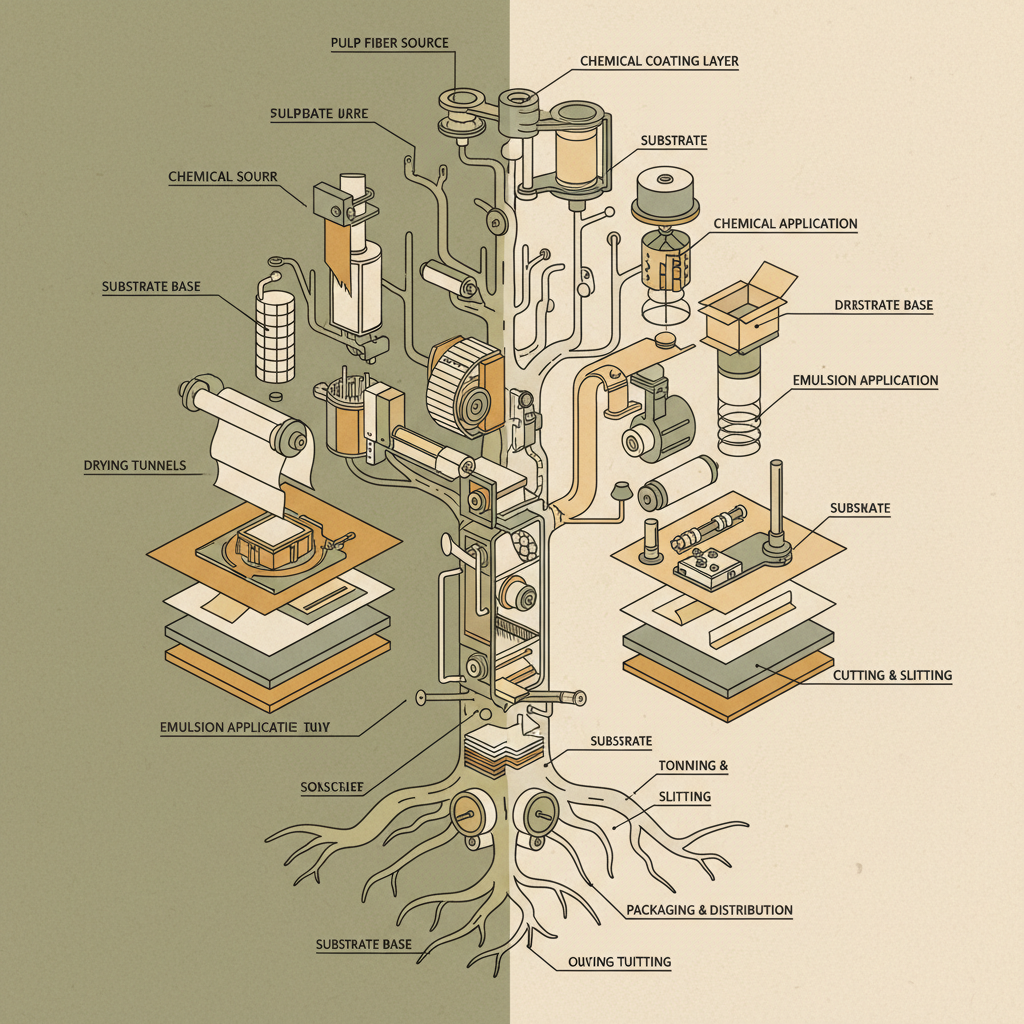
Understanding the material science behind these films—from the polyester base to the silver halide layers—is essential for healthcare providers and medical material suppliers. By optimizing the chemical composition and coating process, manufacturers can produce films that provide long-term archival stability and unmatched clarity for critical brain diagnostics.
Global Relevance of Brain MRI Film in Modern Healthcare
Across the globe, the demand for reliable neurological imaging remains at an all-time high. According to health industry standards and ISO quality benchmarks, the precision of a brain mri film is not merely a matter of convenience but a clinical necessity. In many developing healthcare systems, physical films are the primary means of transporting patient data between specialist clinics and rural hospitals, ensuring that life-saving interventions for stroke or trauma are not delayed by software incompatibilities.
Despite the digital revolution, the physical stability of these films provides a "hard copy" safety net. In high-stakes environments, such as neurosurgical theaters, having a physical brain mri film allows surgeons to mark areas of interest directly on the medium, facilitating a tactile and immediate reference that digital screens sometimes fail to provide in a fast-paced operative setting.
Defining the Technical Standards of Brain MRI Film
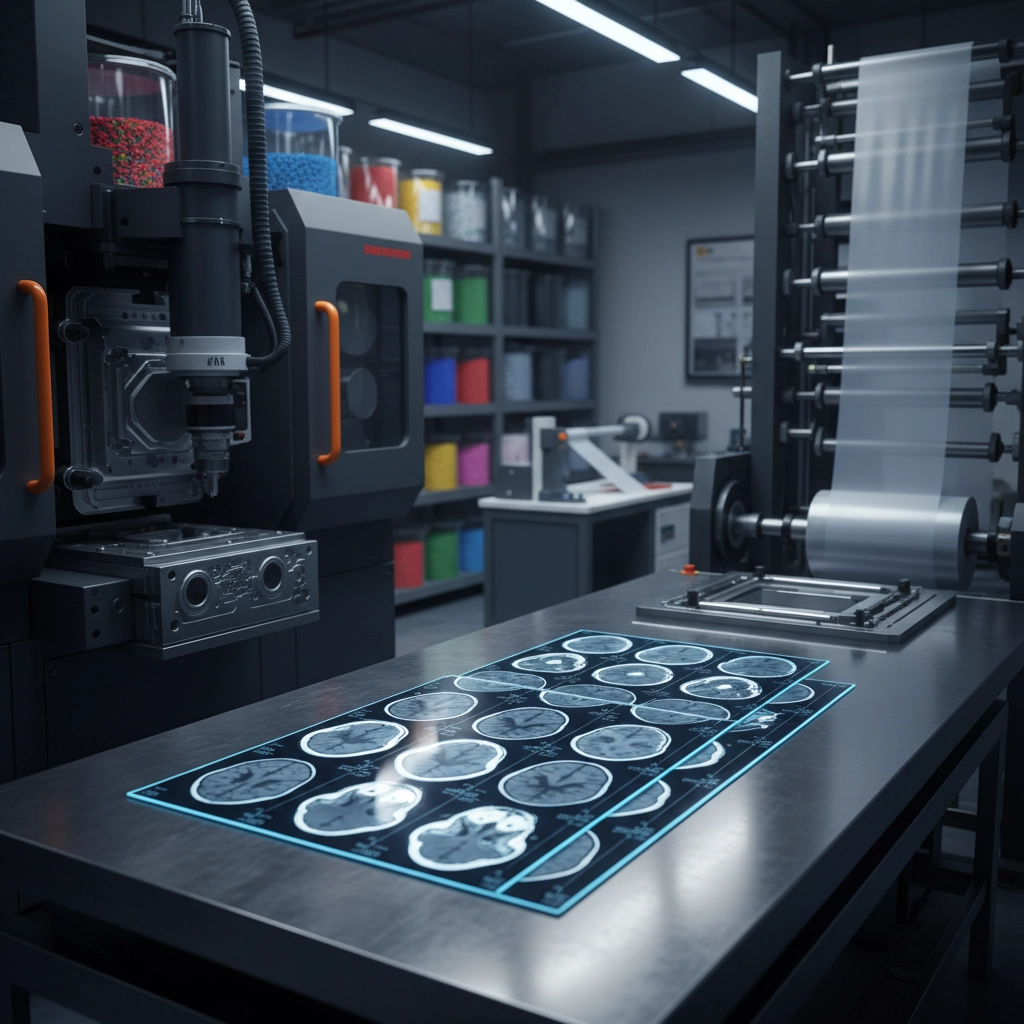
In simple terms, brain mri film is a specialized medical-grade polyester substrate coated with a light-sensitive emulsion that records the magnetic resonance images of the human brain. Unlike standard photographic film, these materials are engineered for extreme grayscale precision, allowing physicians to distinguish between white matter, gray matter, and cerebrospinal fluid.
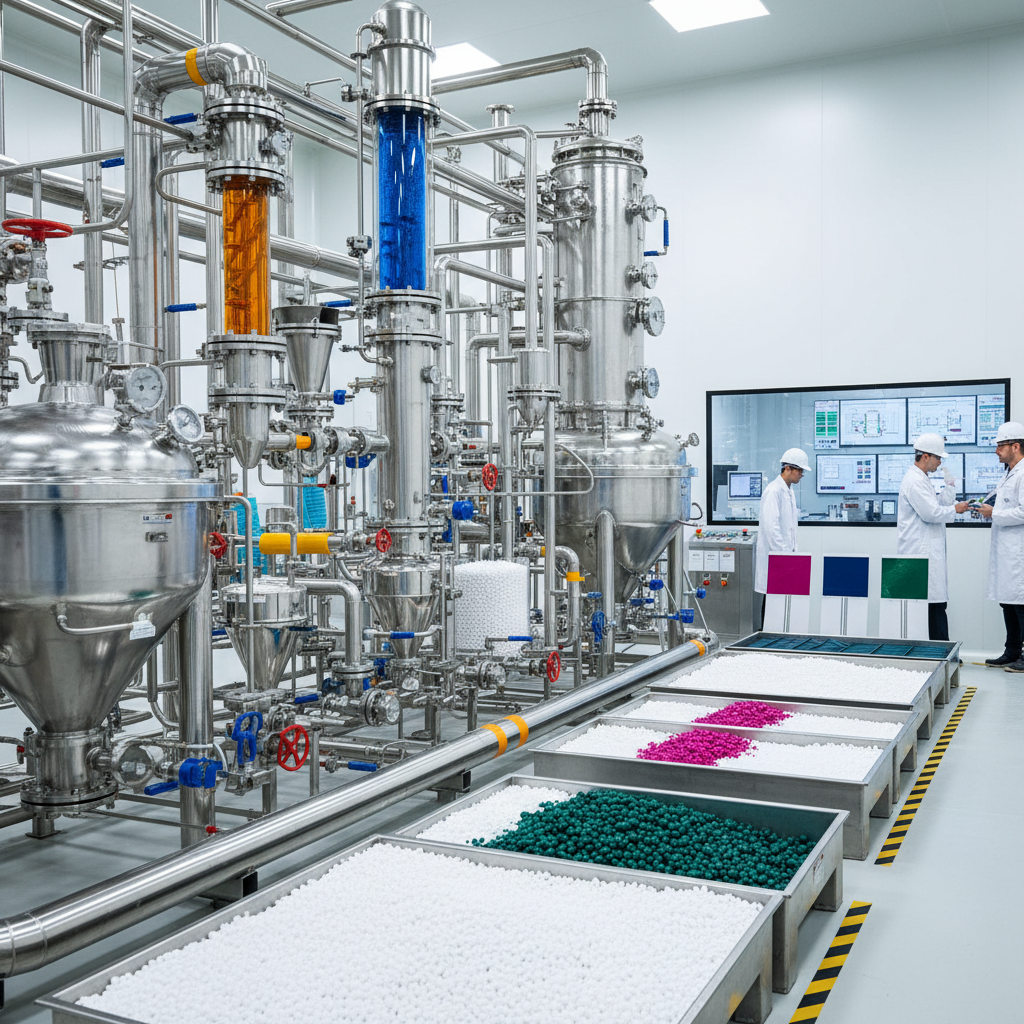
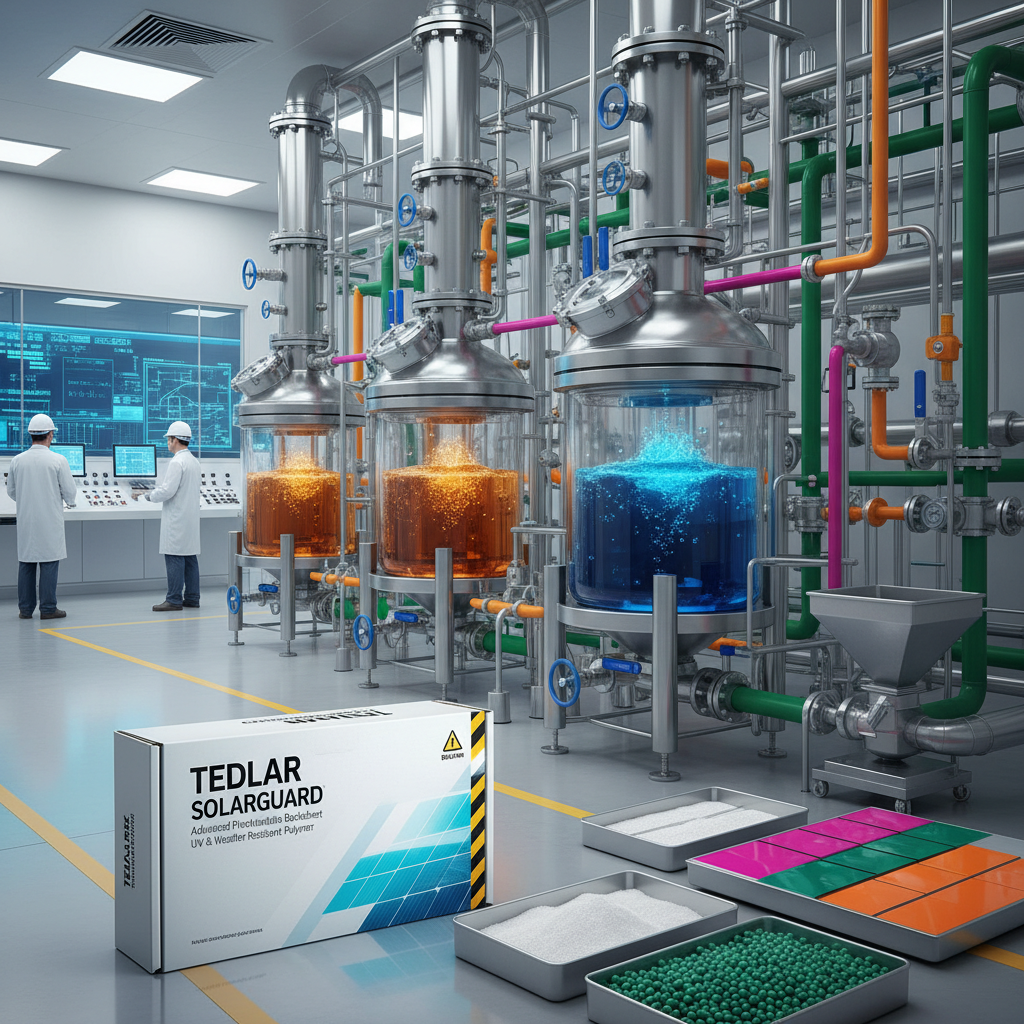
The connection to modern industry lies in the advanced polymer science used to create the base. By utilizing high-transparency PET (Polyethylene Terephthalate), manufacturers ensure that the film is dimensionally stable, meaning it will not shrink or expand regardless of humidity or temperature changes, which is critical for maintaining the anatomical scale of brain structures.
From a humanitarian perspective, providing low-cost yet high-fidelity brain mri film to underserved regions empowers local doctors to diagnose neurological disorders without requiring million-dollar server infrastructures, effectively democratizing access to essential brain health diagnostics.
Core Components Affecting Image Fidelity
One of the most critical factors for any brain mri film is its optical density. This refers to the film's ability to block light in the darkest areas of the image, providing the high contrast necessary to spot tiny hemorrhages or tumors that might otherwise be lost in a "washed-out" image.
The emulsion layer chemistry is equally vital. By controlling the grain size of the silver halides within the brain mri film, developers can achieve "fine-grain" results, which eliminates visual noise and ensures that the edges of brain tissues are sharp and clearly defined for the radiologist.
Finally, the anti-halation layer prevents light from bouncing back through the film base, which would otherwise create "ghost images" or blurred edges. This technical detail ensures that the brain mri film produces a crisp, high-fidelity representation of the patient's neuroanatomy.
Performance Metrics and Material Efficiency
When evaluating different types of brain mri film, hospitals focus on three primary metrics: D-max (maximum density), contrast linearity, and archival longevity. A higher D-max allows for deeper blacks, which is essential for the high-contrast requirements of MRI scans, while linearity ensures that different shades of gray are represented accurately across the entire spectrum.
The shift toward "dry" processing technology has further improved efficiency by removing the need for toxic liquid developers. Modern brain mri film utilizing thermal imaging technology allows for near-instantaneous prints, reducing the turnaround time for urgent brain scans in emergency departments.
Comparative Performance Analysis of Brain MRI Film Variants
Global Applications and Diagnostic Use Cases
In real-world clinical settings, brain mri film is used extensively in oncology for tracking tumor growth over several years. By comparing physical films from different time periods, oncologists can visually gauge the efficacy of a treatment plan with a consistent reference point that is not subject to the "brightness" or "contrast" settings of a digital monitor.
Beyond the clinic, these films are vital in forensic pathology and legal medical reviews. In cases of brain trauma, a physical brain mri film provides a permanent, unalterable record that can be presented in court, ensuring that the evidence of a neurological injury is preserved without the risk of digital file corruption or metadata tampering.
Long-Term Value and Archival Reliability
The long-term value of investing in premium brain mri film lies in its archival stability. While digital drives can crash and cloud services can be deleted, a properly stored physical film can last for decades. This reliability is essential for longitudinal studies on neurodegenerative diseases like Alzheimer's, where researchers need to review brain scans from 20 years ago to understand disease progression.
From a logical angle, the use of high-quality films reduces the risk of misdiagnosis. When a film is produced with high linearity and low noise, the "trust" between the radiologist and the image is strengthened. This reliability translates directly into patient safety, as the precision of the brain mri film minimizes the chance of overlooking a critical finding.
Furthermore, the emotional peace of mind provided to patients cannot be understated. Being able to hold a physical record of their health status allows patients to seek second opinions from specialists globally without needing to navigate complex digital transfer protocols, granting them autonomy over their own medical data.
Future Innovations in Medical Imaging Materials
The future of brain mri film is leaning heavily toward sustainability. Researchers are currently developing biodegradable polymer bases that maintain the same clarity and stability as PET but break down safely after their clinical utility has ended, aligning medical imaging with global "green" initiatives.
Digital transformation is also integrating with physical media through the introduction of "Smart Films." These next-generation brain mri film products include embedded QR codes or RFID tags that, when scanned, instantly pull up the digital patient record, combining the tactile benefits of film with the speed of the cloud.
Automation in the coating process is also reducing human error and material waste. By using AI-driven precision rollers, manufacturers can now ensure that the emulsion layer on every inch of the brain mri film is perfectly uniform, eliminating "hot spots" or faded areas that could lead to diagnostic errors.
Comparative Analysis of Brain MRI Film Material Generations
| Material Generation |
Contrast Precision |
Archival Life (Years) |
Environmental Impact |
| Traditional Silver Halide |
High |
50+ |
High (Chemicals) |
| Early Thermal Film |
Medium |
20-30 |
Medium |
| Modern High-Dmax PET |
Very High |
40+ |
Medium |
| Hybrid Digital-Print |
High |
30+ |
Low |
| Bio-Polymer Film |
High |
25+ |
Very Low |
| Smart RFID-Integrated |
Extreme |
40+ |
Medium |
FAQS
Physical brain mri film provides a permanent, hardware-independent record of neurological data. It is essential for surgical planning where a physical map is needed, for legal medical documentation where digital files may be questioned, and in regions with limited digital infrastructure to ensure seamless patient transfers between facilities.
Low-quality films can suffer from poor contrast or "noise," which may hide small lesions or abnormalities in the brain. High-grade brain mri film ensures maximum D-max and grayscale linearity, allowing radiologists to see fine details of the brain's structure, which is critical for accurate diagnosis of tumors or strokes.
Silver halide films are traditionally processed with chemicals and offer legendary archival stability. Thermal films are "dry" processed using heat, offering much faster results and eliminating toxic waste, making them more suitable for fast-paced emergency environments while maintaining high diagnostic quality.
To maintain the integrity of brain mri film, it should be stored in a cool, dry environment away from direct sunlight and extreme temperature fluctuations. Using acid-free archival folders helps prevent chemical reactions that could cause the image to fade or yellow over time.
Yes, the industry is moving toward bio-polymer bases and dry-processing technologies. These innovations reduce the reliance on petroleum-based plastics and toxic developer chemicals, making the production and disposal of brain mri film significantly more sustainable.
Yes, through the use of "Smart Films" that incorporate QR codes or barcodes. This allows a clinician to look at a physical brain mri film and instantly access the full digital patient history via a tablet or smartphone, bridging the gap between physical and digital workflows.
Conclusion
In summary, brain mri film remains a cornerstone of neurological diagnostics, offering a level of archival reliability, tactile utility, and accessibility that digital systems cannot fully replace. From the precision of its polyester base to the high-contrast requirements of brain imaging, the material science behind these films is what ensures a physician's ability to make life-saving decisions with confidence.
Looking forward, the integration of sustainable materials and smart technology will only enhance the value of physical imaging. For healthcare providers and distributors, prioritizing high-fidelity, eco-friendly films is not just an operational choice, but a commitment to patient safety and global health equity. To explore our range of high-performance imaging materials, visit our website: www.lkintl.com