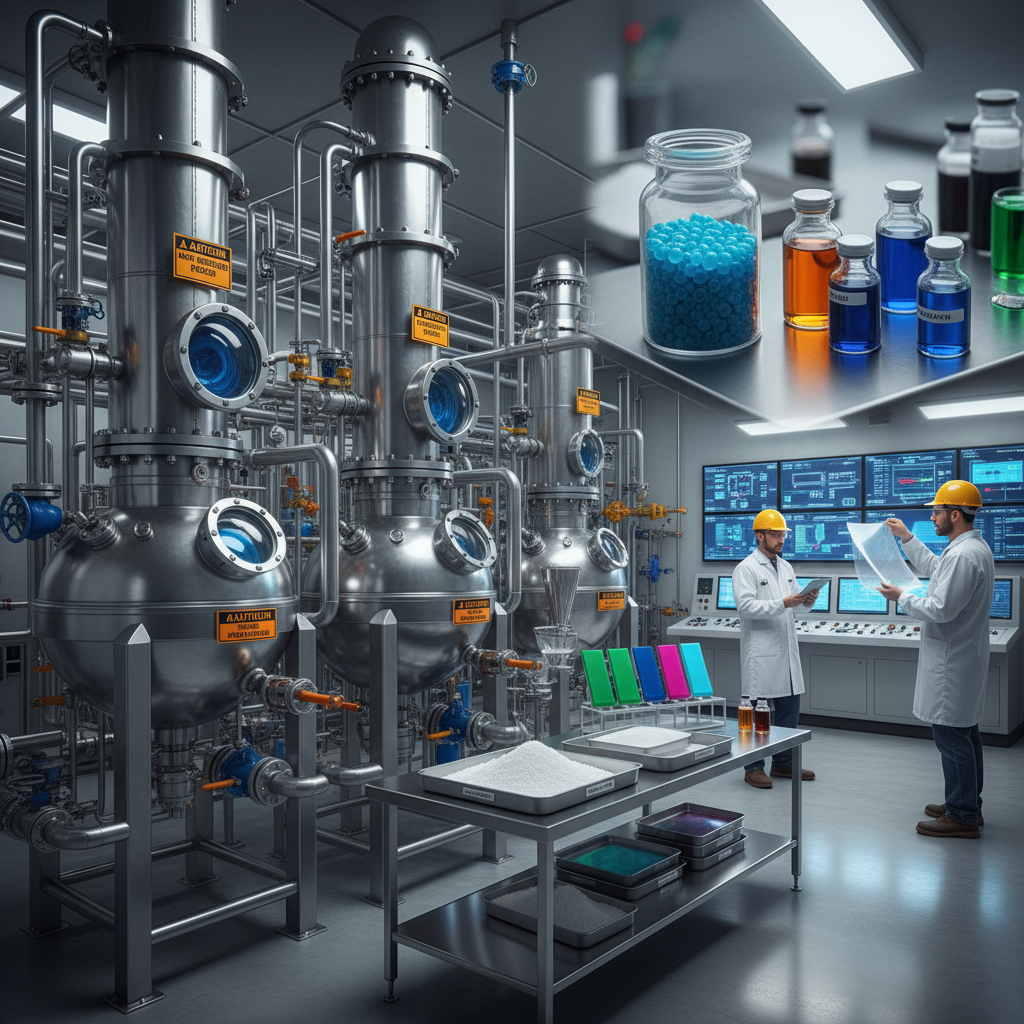
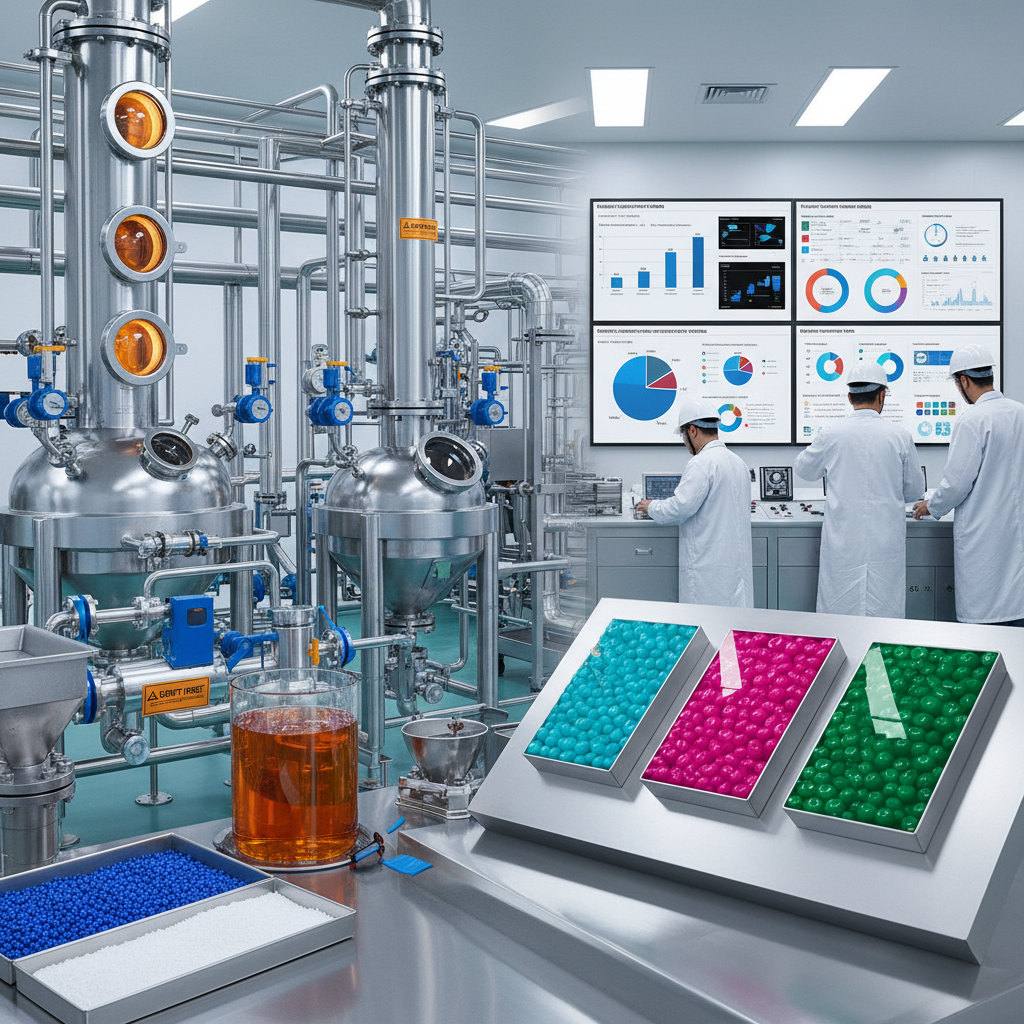
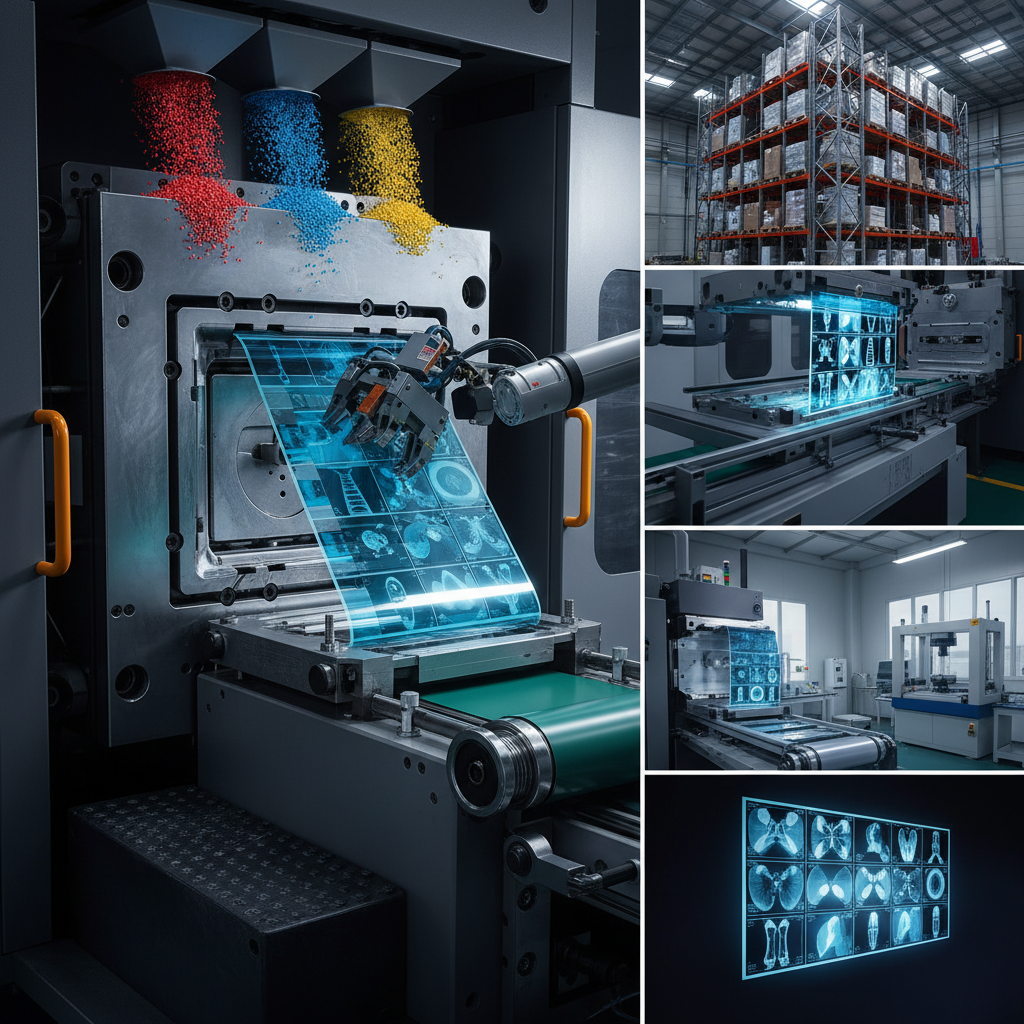
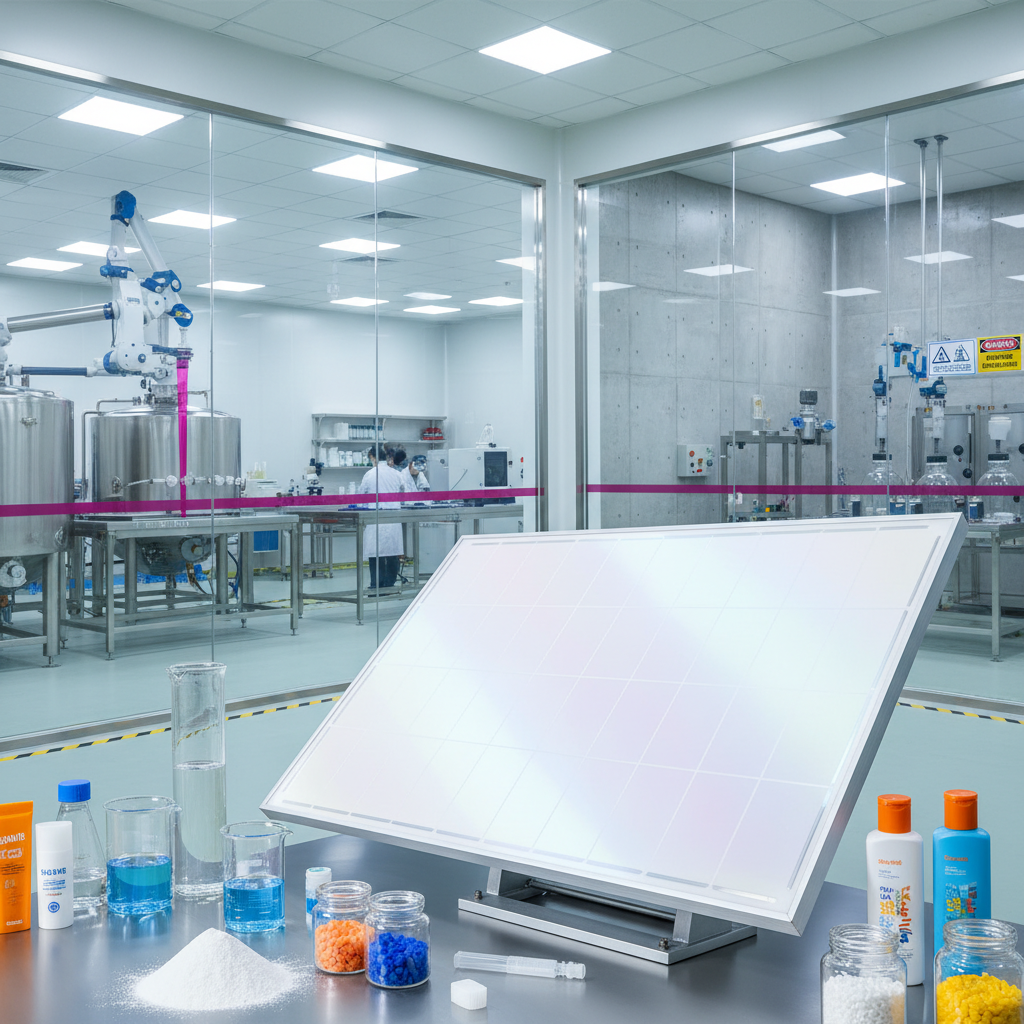
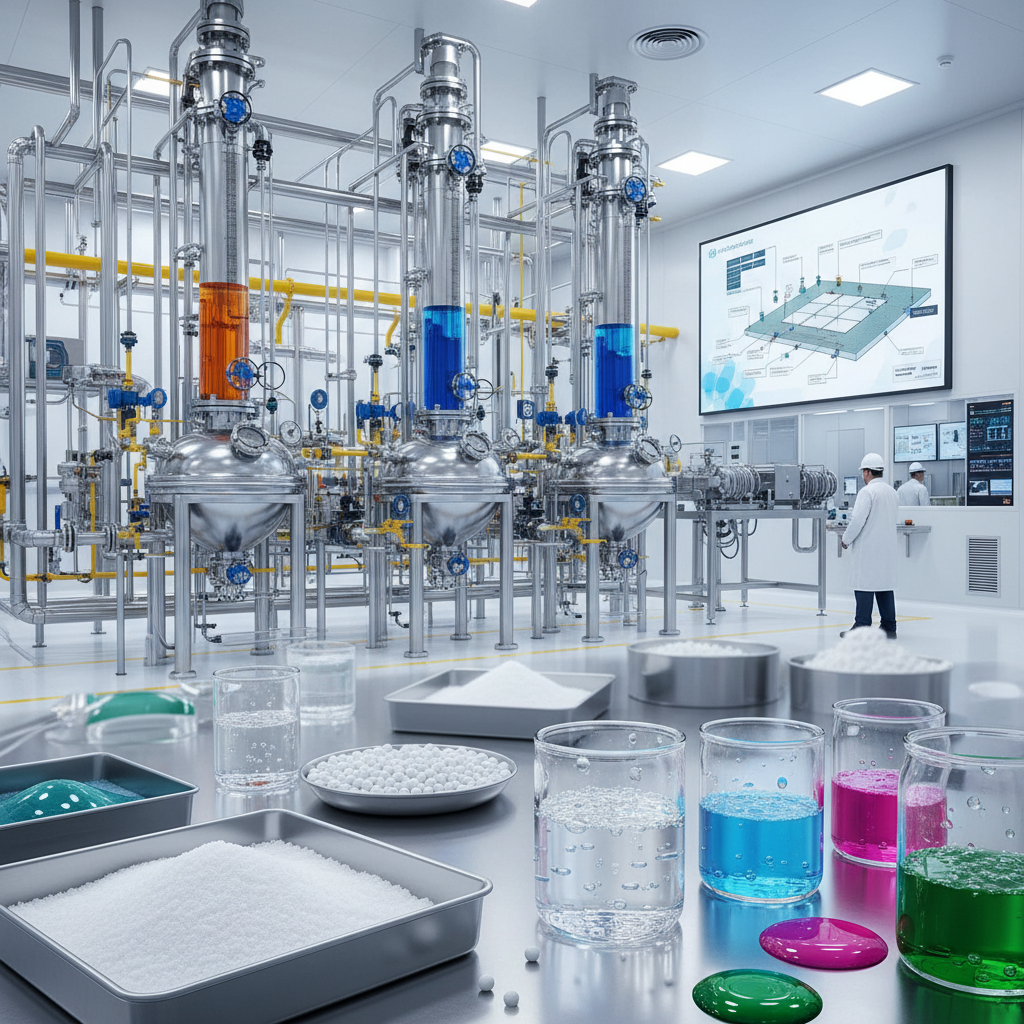
In the rapidly evolving landscape of medical technology, the development of high-performance polymers has become a cornerstone for patient safety and surgical precision. Among these, film polyurethane medical stands out as a critical material due to its exceptional biocompatibility and mechanical versatility, bridging the gap between rigid structural supports and flexible organic tissues.
The global demand for advanced wound care and surgical barriers has surged, pushing manufacturers to refine the chemical composition of polyurethane films to ensure maximum breathability and moisture vapor transmission. By optimizing the balance between hydrophobic and hydrophilic segments, film polyurethane medical provides an impermeable barrier against bacteria and contaminants while allowing the skin to "breathe," which is essential for accelerated healing.
Understanding the technical nuances of these materials is not merely an industrial requirement but a clinical necessity. As healthcare systems transition toward minimally invasive procedures and long-term chronic wound management, the strategic implementation of high-grade film polyurethane medical ensures that medical devices remain sterile and patients remain protected from secondary infections.
Global Industry Context of Polyurethane Medical Films
The global medical materials market is currently undergoing a paradigm shift, with an increasing emphasis on ISO 10993 standards for biological evaluation. The integration of film polyurethane medical has become pivotal in meeting these stringent regulations, especially as the prevalence of chronic wounds and diabetes-related ulcers rises globally.
Industry data suggests that the shift toward semi-permeable films has reduced hospital-acquired infections (HAIs) by providing a more reliable barrier than traditional gauze. This evolution in material science allows for a significant reduction in dressing change frequency, thereby lowering healthcare costs and improving the overall patient experience in clinical settings.
Defining Film Polyurethane Medical and its Purpose
In simple terms, film polyurethane medical is a high-performance thermoplastic polymer engineered specifically for healthcare applications. Unlike standard industrial plastics, medical-grade polyurethane is synthesized to be non-toxic, non-irritating, and chemically stable, ensuring it does not react with human tissue or pharmaceutical agents.
The primary purpose of this material is to provide a "second skin" effect. It is designed to protect vulnerable areas—such as surgical incisions or IV insertion sites—from external pathogens while maintaining a moist wound environment that promotes autolytic debridement and faster epithelialization.
Beyond simple protection, these films are essential for the modern humanitarian need for scalable, sterile packaging and wearable medical devices. Whether used in advanced wound dressings or as a component in imaging information materials, the material's ability to be customized in thickness and porosity makes it indispensable.
Key Technical Components for Performance
The effectiveness of film polyurethane medical depends heavily on its Molecular Weight Distribution. By controlling the polymer chain length, manufacturers can adjust the film's tensile strength and elasticity, ensuring the material moves with the patient's body without peeling or causing skin trauma.
Moisture Vapor Transmission Rate (MVTR) is perhaps the most critical metric for film polyurethane medical. A high MVTR prevents the accumulation of exudate under the film, which would otherwise lead to skin maceration, while still blocking liquid water and bacteria from entering the wound.
Biocompatibility and hypoallergenic properties are the final core pillars. The removal of residual monomers and catalysts during the production of film polyurethane medical ensures that the material remains inert, minimizing the risk of contact dermatitis or inflammatory responses in sensitive patients.
Comparative Performance Analysis of PU Films
When evaluating different grades of film polyurethane medical, it is essential to compare them based on their clinical application. For instance, a film designed for long-term catheter fixation requires higher adhesive stability than a film used for short-term surgical site protection.
The following data represents a comparative analysis of different polyurethane formulations, highlighting how specific modifications affect the overall performance rating across key medical parameters.
Performance Comparison of Medical Polyurethane Formulations
Global Applications and Clinical Use Cases
The practical application of film polyurethane medical spans across various healthcare sectors. In advanced wound care, it is used as a primary dressing for second-degree burns and superficial abrasions, providing a sterile environment that encourages the body's natural healing process without the need for frequent, painful dressing changes.
Beyond wound care, these materials are critical in the manufacturing of medical-grade tubing and catheter coatings. In remote industrial zones or post-disaster relief operations, where sterile environments are hard to maintain, the use of polyurethane-based barriers helps prevent sepsis and other critical infections in field hospitals.
Long-term Value and Patient Safety Impact
The long-term value of adopting high-quality film polyurethane medical lies in the reduction of chronic inflammation and skin trauma. By providing a consistent, non-reactive interface between the device and the skin, these films reduce the occurrence of Medical Adhesive-Related Skin Injuries (MARSI).
From a psychological perspective, the transparency of these films allows clinicians to monitor the wound site without removing the dressing. This reduces patient anxiety and prevents the disruption of the healing clot, fostering a sense of trust and safety in the treatment process.
Economically, while the initial cost of medical-grade polyurethane may be higher than simple plastics, the total cost of care is lowered. Fewer dressing changes mean less nursing time spent on routine maintenance and a decreased likelihood of expensive complications related to hospital-acquired infections.
Future Innovations in Medical Polyurethane Material
Looking ahead, the next generation of film polyurethane medical is moving toward "smart" materials. Researchers are integrating biosensors directly into the film matrix, allowing for the real-time monitoring of pH levels, temperature, and glucose concentrations directly from the wound bed without invasive sampling.
Sustainability is also becoming a primary driver. The industry is shifting toward bio-based polyurethanes derived from renewable resources, reducing the reliance on petroleum-based feedstocks while maintaining the same high standards of biocompatibility and strength.
Furthermore, the integration of antimicrobial nanoparticles, such as silver or zinc oxide, into the film's structure is creating active barriers that not only block bacteria but actively neutralize them, providing an extra layer of protection for immunocompromised patients.
Core Analysis of Future Medical Polyurethane Trends
| Innovation Type |
Technical Goal |
Clinical Benefit |
Adoption Maturity |
| Smart Sensors |
Real-time pH monitoring |
Early infection detection |
Experimental (3/10) |
| Bio-Based PU |
Carbon footprint reduction |
Eco-friendly healthcare |
Emerging (6/10) |
| Nano-Silver Coating |
Active sterilization |
Reduced antibiotic use |
Commercial (9/10) |
| Self-Healing Polymers |
Automatic tear repair |
Extended wear time |
Research (4/10) |
| Biodegradable Films |
In-vivo resorption |
No second surgery for removal |
Moderate (7/10) |
| Custom Porosity |
Tailored MVTR levels |
Specific wound optimization |
High (10/10) |
FAQS
Medical-grade polyurethane undergoes strict purification processes to remove catalysts and monomers that could cause toxicity. It is specifically tested for biocompatibility according to ISO 10993, ensuring it does not irritate human skin or cause systemic toxicity, whereas industrial films are not held to these safety standards.
Breathability, measured by the Moisture Vapor Transmission Rate (MVTR), allows excess water vapor to escape while preventing liquid water and bacteria from entering. This maintains a moist environment that accelerates epithelialization and prevents maceration of the surrounding skin, which is vital for faster recovery.
Yes, due to its high elasticity and hypoallergenic nature, it is ideal for long-term wearables. It conforms to the body's contours and maintains adhesion without causing skin breakdown, making it the preferred choice for continuous glucose monitors and long-term ECG electrodes.
Absolutely. Manufacturers can adjust the extrusion process to create films ranging from ultra-thin (for high transparency and breathability) to thicker layers (for increased mechanical strength and durability), depending on whether the application is a simple dressing or a structural medical component.
Medical PU films are typically sterilized using Gamma radiation, Ethylene Oxide (EtO), or Electron Beam (E-beam) processing. Polyurethane is chosen because it remains stable and does not degrade or lose its mechanical properties when subjected to these common sterilization methods.
Yes, the industry is transitioning toward bio-based polyurethanes that use plant-derived polyols. These "green" versions aim to reduce carbon emissions during production while maintaining the identical biocompatibility and performance metrics required for clinical safety.
Conclusion
The strategic integration of film polyurethane medical into modern healthcare has fundamentally improved the way we approach wound management and device integration. By combining high breathability, mechanical strength, and uncompromising biocompatibility, this material ensures that patients receive a higher standard of care while reducing the clinical burden on healthcare providers.
As we look toward a future defined by smart materials and sustainable manufacturing, the role of medical polymers will only expand. Investing in high-grade polyurethane solutions is not just a technical choice, but a commitment to patient dignity, safety, and the pursuit of medical excellence. Visit our website for more professional materials: www.lkintl.com