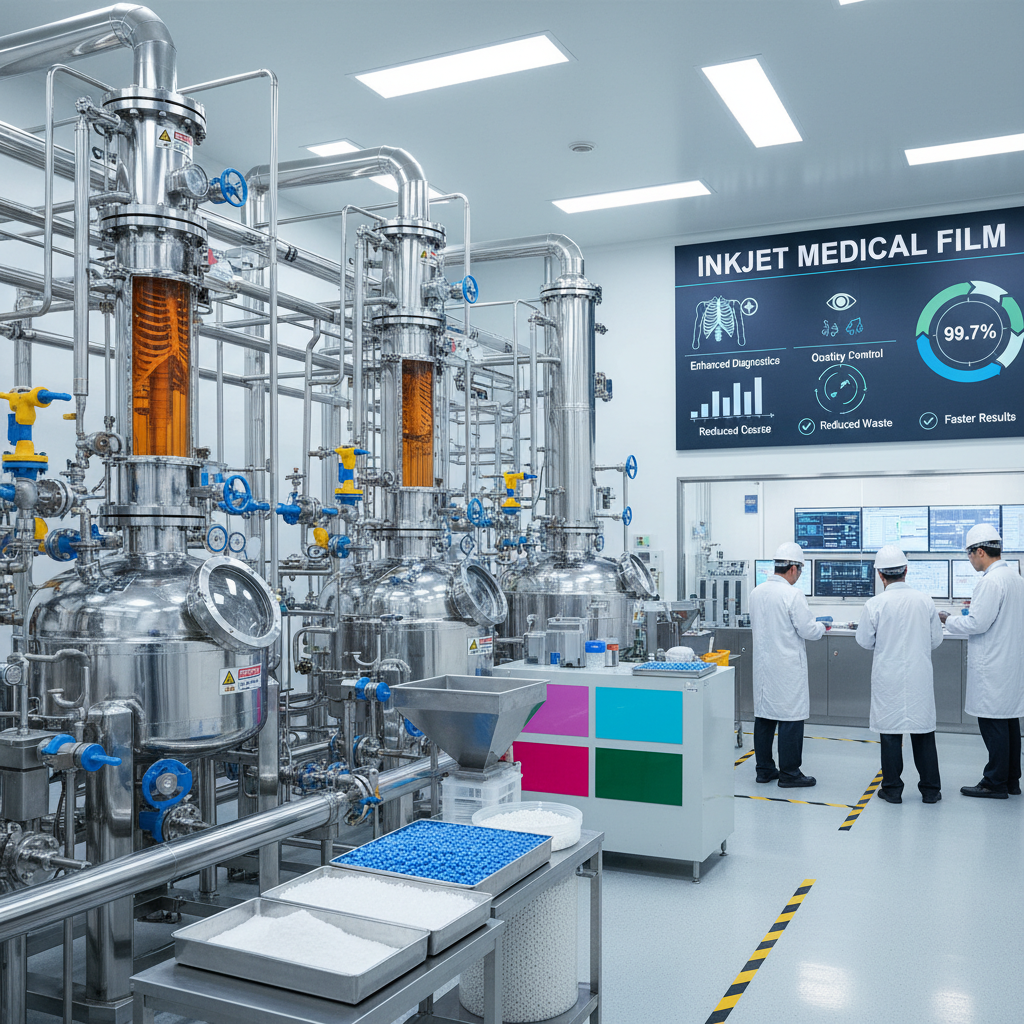
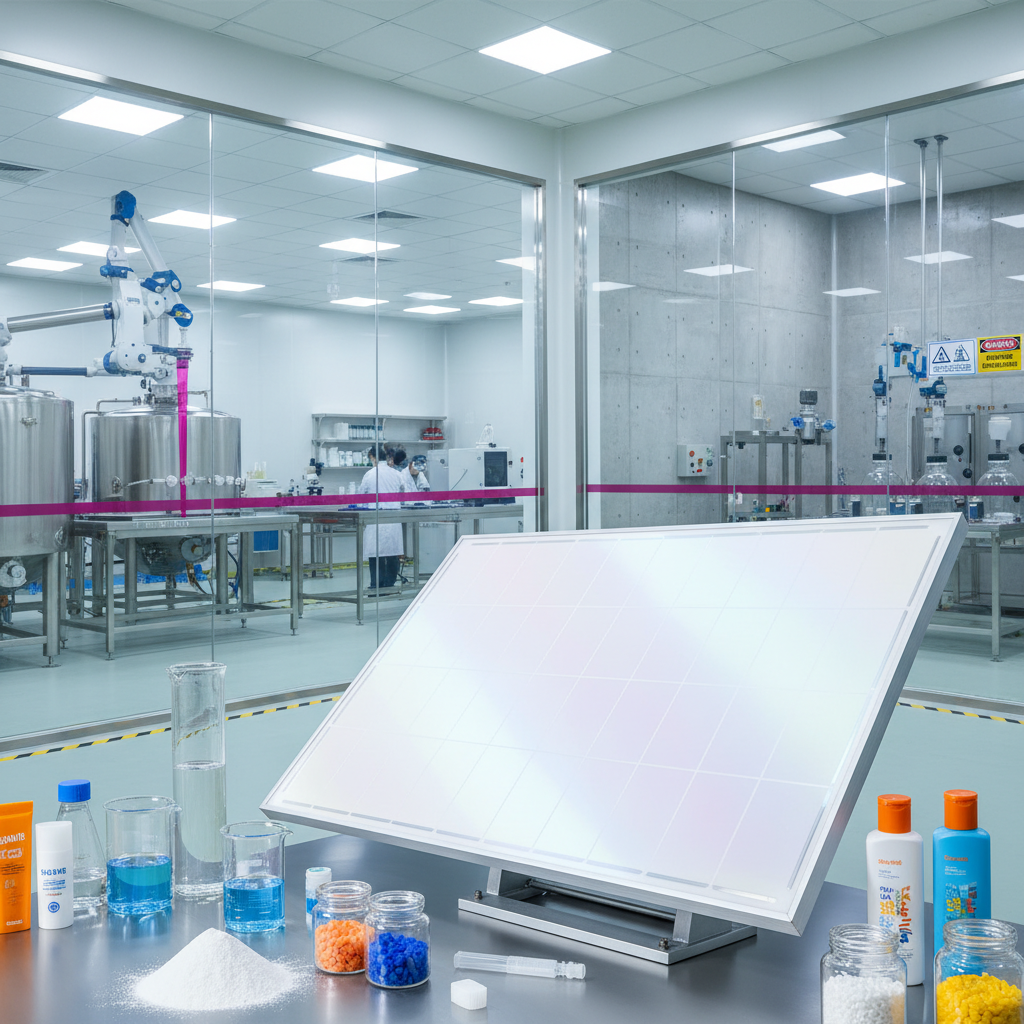
The evolution of medical imaging has shifted dramatically toward digital flexibility, and at the heart of this transition is the adoption of inkjet medical film. This specialized material bridges the gap between traditional analog clarity and modern digital speed, allowing healthcare providers to produce high-resolution diagnostic archives without the cumbersome overhead of traditional silver-halide processing.
Globally, the demand for efficient, on-demand imaging is surging as clinics move toward decentralized care. By leveraging advanced polymer science, inkjet medical film enables the immediate printing of X-rays, ultrasounds, and MRI scans with a level of precision that ensures diagnostic accuracy while significantly reducing the environmental footprint associated with chemical developers.
Understanding the technical nuances of these films is not merely about procurement; it is about enhancing patient outcomes. From the molecular coating that ensures ink adhesion to the optical transparency that ensures clear visibility, the right choice in imaging materials directly impacts the speed of diagnosis and the reliability of long-term medical records.
Global Industry Context of Inkjet Medical Film
The global healthcare sector is currently undergoing a massive digital transformation, yet the physical "hard copy" remains a legal and practical necessity in many jurisdictions. According to ISO standards for medical archiving, the stability of diagnostic images must be guaranteed for decades. This creates a critical challenge: how to maintain the high optical density of traditional film while removing the toxic chemicals of the darkroom.
The rise of inkjet medical film addresses this paradox by combining high-grade PET substrates with specialized microporous coatings. This innovation allows hospitals to transition to a "dry" process, eliminating the need for silver-based emulsions and the hazardous waste streams that once plagued medical imaging departments.
Defining the Technology and Its Purpose
At its core, inkjet medical film is a high-transparency polyester base coated with a sophisticated ink-receiving layer. Unlike standard office inkjet paper, this film is engineered to absorb pigment-based inks quickly while preventing "bleed," ensuring that the edges of a fracture or the boundary of a lesion are rendered with absolute sharpness.
The primary purpose of this material is to facilitate "Dry Imaging." In a traditional setting, films were exposed to light and then chemically developed. With the inkjet approach, the image is constructed dot-by-dot via high-precision print heads, creating a digital-to-analog translation that is nearly instantaneous. This significantly reduces the time a patient spends waiting for their physical results.
Beyond mere convenience, this technology serves a humanitarian need in remote areas. In regions where complex chemical processing labs are impossible to maintain due to power or supply chain constraints, a simple inkjet-based imaging system allows local clinics to produce high-quality diagnostic films that can be transported to specialists for second opinions.
Key Technical Factors for Performance
The efficacy of inkjet medical film relies heavily on its optical density (D-max). A high D-max ensures that the black areas of an X-ray are deep and opaque, providing the necessary contrast to distinguish between different tissue densities, which is paramount for accurate radiology.
Durability and archival stability are equally critical. The films must be resistant to humidity, temperature fluctuations, and UV exposure. High-quality inkjet medical film utilizes a cross-linked polymer structure in its coating to lock in the ink, preventing fading or smudging over a projected lifespan of 20 to 50 years.
Lastly, the surface tension and wetting properties of the film determine the print speed and resolution. If the film does not absorb the ink at the correct rate, "pooling" occurs, which can obscure critical medical data. Advanced chemical engineering ensures that the ink is absorbed vertically into the coating rather than spreading horizontally across the surface.
Comparative Efficiency in Clinical Workflows
When comparing inkjet medical film to traditional thermal printing or silver-halide processing, the primary gain is in operational agility. The removal of liquid chemicals means that imaging stations can be placed directly in the exam room rather than in a centralized, ventilated basement lab, speeding up the physician's feedback loop.
Furthermore, the scalability of inkjet systems allows for variable sizing and immediate adjustments. Whether a clinic needs a small crop of a specific area or a full-body skeletal print, the inkjet process handles these variations without the need to change physical cassettes or chemical baths.
Performance Comparison of Imaging Material Methods
Global Applications and Real-World Use Cases
In high-traffic metropolitan hospitals across Europe and North America, inkjet medical film is used to create rapid physical backups of digital PACS (Picture Archiving and Communication Systems). This ensures that in the event of a system outage, surgeons have immediate physical access to patient imaging during critical operations.
Conversely, in post-disaster relief operations in Southeast Asia or Africa, portable inkjet imaging kits are deployed. These systems allow field medics to print diagnostic films that can be physically attached to patient charts, facilitating the transfer of care between multiple NGOs and government agencies without relying on a stable internet connection for cloud-based image sharing.
Long-Term Value and Sustainable Advantages
The shift toward inkjet medical film represents a significant leap in environmental stewardship. By eliminating the need for hydroquinone and other toxic developers, medical facilities drastically reduce their hazardous waste output, aligning with global sustainability goals and reducing the costs associated with chemical disposal.
From a logical perspective, the cost-per-print is lowered when the hidden costs of darkroom maintenance—ventilation, chemical replenishment, and specialized labor—are removed. The operational expenditure shifts from a complex chemical process to a simple consumable-based model.
Beyond the numbers, there is an emotional value of trust and safety. Patients feel more secure knowing that their records are stored on stable, non-toxic materials that will not degrade over time. The innovation provides a sense of reliability, ensuring that a scan taken today will be as legible in twenty years as it is now.
Future Trends and Material Innovations
The next frontier for inkjet medical film lies in the integration of biodegradable polymers. Research is currently focused on creating a PET-alternative that maintains the same optical clarity and ink-holding capacity but can be broken down in industrial composting facilities, further reducing the medical industry's plastic footprint.
Digital transformation is also pushing the film toward "Smart Imaging." We are seeing the development of films with embedded QR codes printed directly onto the margin, allowing a practitioner to scan the physical film and immediately pull up the full 3D DICOM data set on a tablet, effectively merging the physical and digital worlds.
Automation is another key driver. Future inkjet systems will likely incorporate AI-driven ink management that adjusts the ink saturation based on the contrast of the digital image, optimizing the use of ink while maximizing the diagnostic detail of the resulting film.
Core Analysis of Future Inkjet Medical Film Innovations
| Innovation Dimension |
Technical Approach |
Expected Impact |
Adoption Readiness |
| Sustainability |
PLA-based Substrates |
Zero-waste archiving |
Moderate |
| Connectivity |
Integrated QR Linking |
Physical-to-Digital Sync |
High |
| Image Quality |
Nano-porous Coating |
Ultra-high D-max |
Very High |
| Production |
AI-Optimized Inking |
Reduced Consumable Cost |
Moderate |
| Durability |
UV-Shielding Layers |
100-year Archival Life |
High |
| Versatility |
Multi-layer Hybrid Film |
Cross-modality Use |
Low |
FAQS
The primary advantage is the elimination of toxic chemical processing. Inkjet medical film allows for "dry printing," which means no darkroom is required and there are no hazardous waste products. Additionally, it offers faster turnaround times from scan to physical print, improving clinical efficiency.
When using high-grade, archival-quality films and pigment-based inks, these images are designed to last between 20 to 50 years. The key is the specialized coating that locks the ink into the substrate, protecting it from oxidation and UV degradation, provided they are stored in standard medical archiving conditions.
While some basic films may work, professional inkjet medical film is engineered for high-precision medical printers. These printers control ink volume and dot placement far more accurately than office machines, ensuring the optical density and contrast required for a medical diagnosis.
No, high-quality inkjet medical film features a microporous receiving layer. This layer is designed to pull the ink instantly into the coating through capillary action, preventing any horizontal spread or smudging, which ensures the edges of medical images remain sharp and accurate.
PACS is generally cheaper for daily storage, but inkjet medical film provides a necessary physical redundancy. The cost of the film is significantly lower than traditional silver-halide films, making it a cost-effective way to maintain physical backups for legal compliance and emergency accessibility.
Yes, it is highly versatile. Because it is a digital-to-analog process, any image generated by a medical modality (X-ray, MRI, CT, Ultrasound) can be printed onto the film, provided the software can output the image to the printer.
Conclusion
The transition to inkjet medical film represents a critical intersection of polymer chemistry and healthcare efficiency. By replacing hazardous chemical processes with high-precision digital printing, the industry has not only reduced its environmental impact but has also enhanced the accessibility and reliability of diagnostic archives. From the technical necessity of D-max and archival stability to the practical benefits of decentralized imaging in remote areas, this material is indispensable in the modern medical workflow.
Looking forward, the integration of sustainable materials and smart-linking technologies will further solidify the role of these films in a digital-first world. We encourage healthcare administrators and imaging specialists to evaluate their current archiving protocols and embrace the efficiency of dry imaging. For high-performance materials that meet global medical standards, visit our website: www.lkintl.com