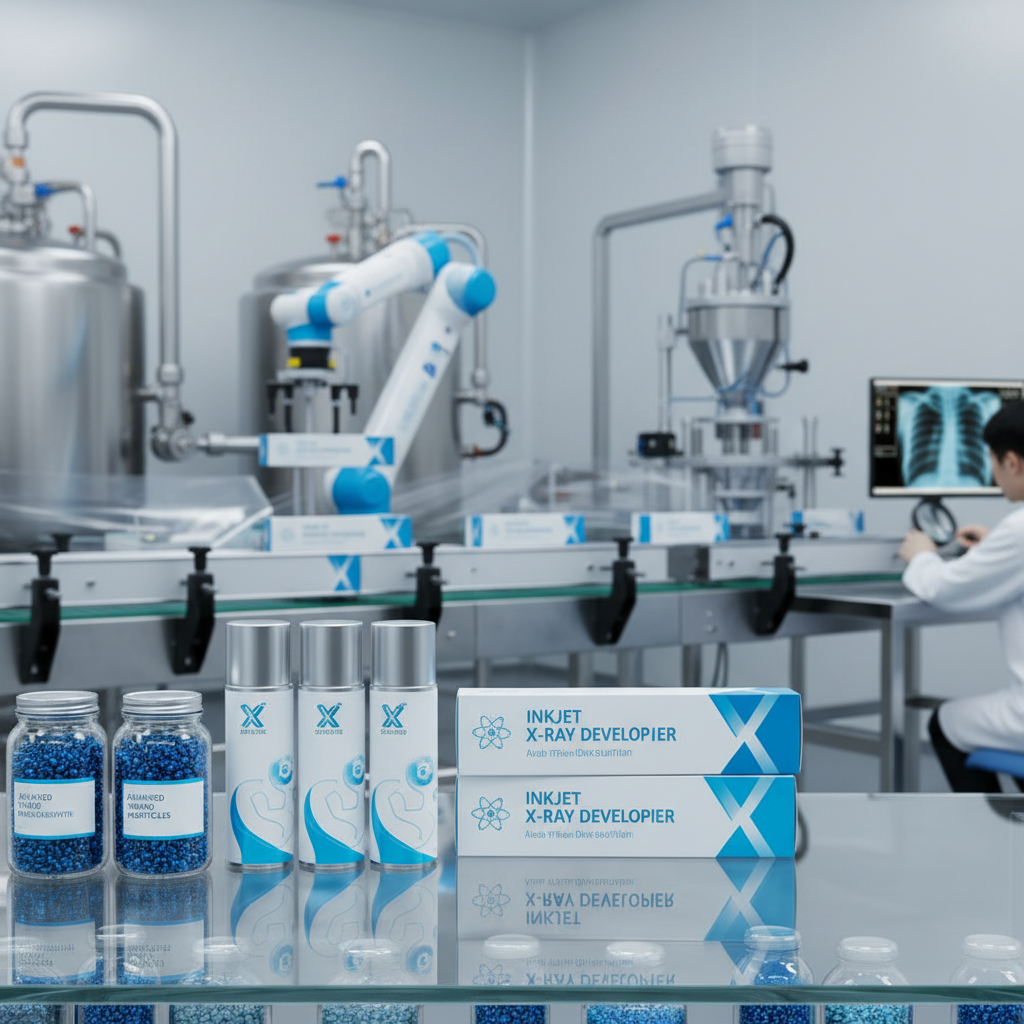
The evolution of medical imaging has consistently moved toward greater efficiency, precision, and accessibility. Among the most significant advancements in this journey is the development of inkjet x ray film gần đây, a technology that bridges the gap between traditional analog film quality and the flexibility of digital printing. By utilizing advanced polymer coatings and high-resolution inkjet technology, medical facilities can now produce high-fidelity diagnostic images without the cumbersome requirements of darkrooms or hazardous chemical processing.
Globally, the demand for high-quality imaging materials is surging as healthcare systems expand in emerging economies. The integration of inkjet x ray film allows for the rapid distribution of diagnostic records in remote areas where traditional X-ray processing infrastructure is non-existent. This shift not only reduces the operational overhead for clinics but also accelerates the diagnostic timeline, ensuring that patients receive critical care faster than ever before.
Understanding the technical nuances and commercial advantages of this material is essential for stakeholders in the medical supplies and imaging industries. From reducing environmental waste to enhancing the archival stability of patient records, the transition to inkjet-based imaging represents a pivotal moment in medical material science. This comprehensive guide explores the mechanics, applications, and future trajectory of this innovative imaging solution.
Global Relevance and Industrial Context of Inkjet X Ray Film
On a global scale, the medical imaging market is under immense pressure to balance diagnostic accuracy with cost reduction. According to trends aligned with ISO standards for medical imaging, there is a growing shift away from silver-halide chemistry due to the environmental impact of heavy metals. The emergence of inkjet x ray film addresses this challenge by providing a chemically stable, non-toxic alternative that maintains the high contrast and resolution required for professional radiology.
In many developing regions, the lack of stable electricity and specialized chemical disposal systems makes traditional X-ray processing nearly impossible. By deploying inkjet-based solutions, healthcare providers can leverage standard digital imaging software and professional inkjet printers to produce physical films. This decentralization of imaging capabilities is not just a technical upgrade; it is a humanitarian necessity that ensures patients in remote zones have access to the same quality of diagnostic evidence as those in metropolitan hospitals.
Defining Inkjet X Ray Film in Modern Medicine
In simple terms, inkjet x ray film is a specialized synthetic substrate coated with a sophisticated microporous layer designed to absorb inkjet inks with extreme precision. Unlike standard office paper or basic transparency films, this material is engineered to produce deep blacks and crisp whites, mimicking the appearance of a traditionally developed X-ray. It allows digital X-ray images to be "printed" onto a physical medium that can be held up to a light box for traditional physician review.
The connection to modern industry lies in the fusion of polymer science and digital printing. By utilizing a high-performance PET (Polyethylene Terephthalate) base, the film ensures dimensional stability and tear resistance. This ensures that the medical record remains intact over decades of storage, fulfilling the stringent legal and medical requirements for patient record archiving.
From a humanitarian perspective, the adoption of this technology means that diagnostic expertise can be shared more easily. A physician in a city can receive a digital file, print it on inkjet x ray film, and provide a physical copy to a patient who may not have digital access, ensuring that the "last mile" of healthcare delivery is completed with professional-grade materials.
Core Technical Components and Performance Factors
The performance of inkjet x ray film is primarily determined by its coating technology. The microporous layer must be engineered to prevent ink bleeding, which would otherwise blur the fine lines of a bone fracture or a subtle pulmonary nodule. High-resolution ink absorption is critical to ensure that the grayscale gradients are smooth and accurate, providing the radiologist with the necessary contrast to make a confident diagnosis.
Another vital factor is optical clarity. The base material of the inkjet x ray film must be exceptionally transparent to allow maximum light transmission. This ensures that when the film is placed on a light box, there is no "haze" or distortion, allowing the high-density ink areas to stand out sharply against the transparent background, mimicking the high-Dmax (maximum optical density) of traditional silver-based films.
Finally, archival durability is a non-negotiable requirement. The interaction between the ink and the coating must be chemically stable to prevent fading or yellowing over time. Professional inkjet x ray film is designed to be resistant to humidity and temperature fluctuations, ensuring that a patient's medical history remains legible for twenty years or more, satisfying international medical archiving standards.
Comparative Efficiency and Cost-Benefit Analysis
When comparing inkjet x ray film to traditional silver-halide processing, the most immediate advantage is the elimination of the "wet" process. Traditional films require developers, fixers, and washing stations—all of which involve toxic chemicals and significant water consumption. By switching to an inkjet workflow, facilities can reduce their environmental footprint by nearly 90% while eliminating the need for specialized darkroom ventilation and chemical waste disposal services.
From a cost perspective, the initial investment in a professional inkjet printer is offset rapidly by the reduction in recurring chemical costs and labor. The streamlined workflow allows for "on-demand" printing, meaning films are only produced when necessary, drastically reducing the waste associated with spoiled film rolls or over-developed batches.
Efficiency Ratings of Various Imaging Methods
Global Applications and Real-World Use Cases
The practical application of inkjet x ray film is most evident in mobile medical clinics and disaster relief operations. In post-earthquake or flood scenarios, where permanent hospitals are compromised, portable X-ray machines paired with inkjet printers allow triage teams to produce physical records that can be easily transported and shared among different surgical teams without needing a shared digital network.
In stable industrial zones, this technology is also utilized for non-destructive testing (NDT). Engineers use the film to print high-resolution X-rays of pipeline welds or aerospace components. Because these industries require physical archives for safety audits and legal compliance, the ability to print a durable, high-contrast film from a digital scan provides a reliable and cost-effective auditing trail.
Long-term Value and Sustainability Advantages
Beyond the immediate cost savings, the long-term value of inkjet x ray film lies in its contribution to "Green Healthcare." By eliminating silver recovery processes—which are often managed poorly in small clinics—the medical community can significantly reduce the amount of heavy metal runoff entering local water systems. This aligns with the growing global push toward sustainable medical procurement and ISO 14001 environmental management standards.
There is also an emotional and professional dimension to this innovation. For patients, receiving a high-quality, clear physical film provides a sense of transparency and ownership over their health data. For clinicians, the reliability of the film ensures that they can trust their visual diagnostics regardless of whether they are in a high-tech city hospital or a rural clinic, fostering a standard of care that is equitable across different socioeconomic landscapes.
Furthermore, the scalability of the technology allows facilities to grow without needing to build expensive new darkroom infrastructure. As a clinic expands its patient volume, it simply adds more printing capacity, ensuring that the quality of the inkjet x ray film remains consistent, thereby maintaining trust and professionalism in the eyes of the patient.
Future Innovations and Digital Transformation Trends
Looking ahead, the development of inkjet x ray film is moving toward "intelligent substrates." Researchers are exploring the integration of QR codes directly into the film's printable area. This would allow a physician to scan a physical film with a tablet and instantly pull up the patient's full digital history, including 3D CT scans and blood work, effectively merging the physical and digital worlds.
Another trend is the movement toward biodegradable PET bases. While current films are designed for extreme longevity, the next generation of medical materials will likely focus on "circularity," creating films that are fully recyclable without compromising the archival stability required for medical records. This will further solidify the role of inkjet technology as the most sustainable option for physical medical imaging.
The automation of the imaging workflow is also accelerating. We are seeing the rise of AI-driven print optimization, where software automatically adjusts the ink density on the inkjet x ray film based on the specific anatomy being imaged (e.g., increasing contrast for lung tissue while softening it for bone), ensuring that every print is optimized for the highest possible diagnostic yield.
Comparative Analysis of Inkjet X Ray Film Material Specifications
|
Material Grade
|
Optical Density (Dmax)
|
Archival Rating (Years)
|
Environmental Impact
|
| Standard Medical |
3.5 - 4.0 |
20+ Years |
Low (Non-toxic) |
| Premium High-Contrast |
4.2 - 4.8 |
50+ Years |
Low (Eco-certified) |
| Industrial NDT |
3.0 - 3.8 |
15+ Years |
Moderate |
| Economic Grade |
2.5 - 3.0 |
10+ Years |
Low |
| Ultra-Thin Series |
3.2 - 3.6 |
20+ Years |
Very Low |
| Biodegradable Beta |
3.4 - 3.9 |
15+ Years |
Negligible |
FAQS
Yes, when using professional-grade inkjet x ray film and high-resolution printers, the resulting images offer the contrast and clarity necessary for clinical diagnosis. The key is the microporous coating, which ensures high ink density (Dmax) and prevents blurring, making it a reliable alternative for most radiology applications.
Professional inkjet films are engineered for archival stability. Depending on the grade and ink used, they can last from 20 to over 50 years. They are designed to resist UV degradation and humidity, ensuring that patient records remain legible throughout the legally required retention period.
While many high-end commercial inkjet printers can work, it is recommended to use printers capable of handling thicker synthetic media and those that utilize pigment-based inks for maximum archival longevity and density. Always check the film's compatibility guide to ensure the best results.
Absolutely. inkjet x ray film eliminates the need for toxic developing chemicals and silver recovery systems. This drastically reduces hazardous waste and water consumption, making it the most sustainable choice for modern medical imaging centers.
Yes, it is highly effective for Non-Destructive Testing (NDT). Its ability to print high-contrast images makes it ideal for checking welds, castings, and composite materials in aerospace and construction, providing a physical audit trail that is easy to store and review.
While digital storage is cheaper per image, physical film is still required for many legal archives, patient transfers, and areas with poor digital infrastructure. inkjet x ray film provides a middle ground, offering the low cost of digital printing with the reliability of a physical record.
Conclusion
The transition to inkjet x ray film represents a significant leap forward in the synergy between material science and healthcare. By combining the high-fidelity requirements of radiology with the efficiency and sustainability of digital printing, this technology solves the critical problem of toxic chemical waste while expanding the reach of diagnostic imaging to the most remote corners of the globe. From its superior optical density to its archival stability, the value proposition is clear: it is a safer, faster, and more cost-effective solution for both medical and industrial applications.
As we move toward a more digitized and environmentally conscious future, the role of specialized imaging materials will continue to evolve. We encourage healthcare administrators and industrial engineers to embrace these innovations to improve operational efficiency and patient outcomes. For high-performance imaging materials that meet global standards, visit our website: www.lkintl.com.