Solar panel backsheet material – it's not glamorous, but it's the unsung hero of any reliable solar installation. After years spent on rooftops and in fields watching these systems go up, you quickly realize that the panels themselves are only half the story. The backsheet is what keeps them going, protecting everything inside from the elements and ensuring long-term performance. It’s a critical component, and frankly, too often an afterthought. We’re talking about a material that needs to withstand years of UV exposure, temperature swings, humidity, and even physical stress, and that’s why getting the right solar panel backsheet material is paramount.
The industry has come a long way. I remember when options were limited, and failures were common. Now, we’re seeing incredibly durable and efficient backsheets that are extending the lifespan of solar installations and driving down the levelized cost of energy. This isn't just about making renewables cheaper; it's about building a sustainable future, one reliable panel at a time. The demand for durable, high-performing backsheets is only going to increase as solar deployment scales up globally.
And believe me, when you’re dealing with a large-scale project, especially in harsh environments, even a small percentage improvement in backsheet reliability can translate into significant cost savings over the life of the system. That’s why understanding the nuances of these materials – their composition, their performance characteristics, and their long-term durability – is so crucial.
The Importance of Solar Panel Backsheet Material
Let's be clear: the backsheet isn’t just packaging. It’s the first line of defense against the harsh realities of outdoor operation. Think about it – constant sun, rain, snow, hail, temperature fluctuations...all pounding on these panels for decades. A compromised backsheet means moisture ingress, corrosion of internal components, and ultimately, panel failure. And trust me, replacing panels in a large installation is a major headache, both financially and logistically.
I’ve seen projects delayed and budgets blown because of subpar backsheet choices. It's an area where cutting corners always comes back to bite you. Choosing a quality solar panel backsheet material is an investment in the long-term reliability and profitability of any solar project.
Defining Solar Panel Backsheet Material
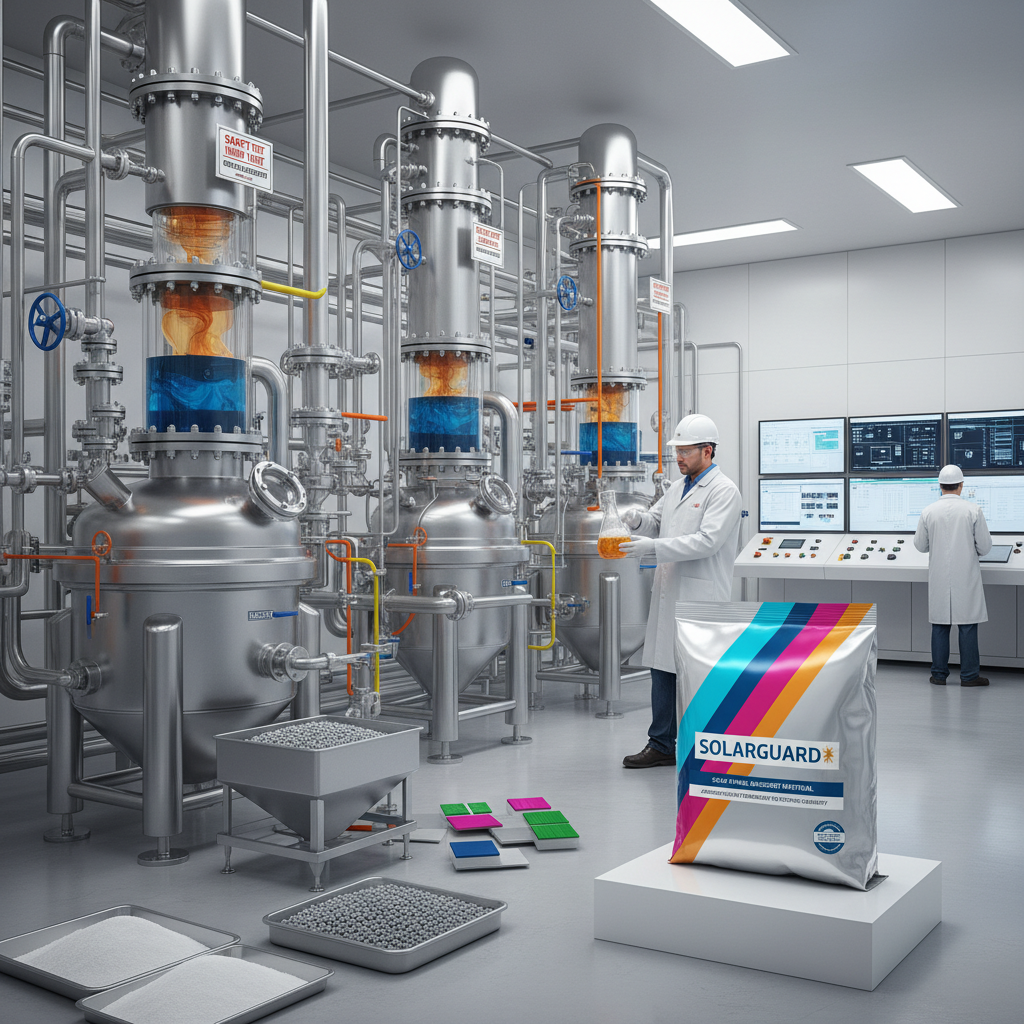
Simply put, a solar panel backsheet is the outermost layer on the rear of a solar panel. Its primary function is to provide electrical insulation, mechanical support, and environmental protection to the delicate cells and internal wiring. It's typically a multi-layered film, often incorporating materials like PET (polyethylene terephthalate), PVF (polyvinyl fluoride), and polyamide. The specific composition dictates its performance characteristics.
Historically, these materials weren’t always up to the task. Early backsheets suffered from cracking, delamination, and yellowing – issues that dramatically shortened the lifespan of panels. Now, advanced formulations and manufacturing processes have yielded backsheets with superior UV resistance, moisture barrier properties, and overall durability.
This isn’t just about keeping the electricity flowing; it’s about minimizing waste and maximizing the return on investment for renewable energy projects. It directly connects to the sustainability goals that are driving the industry forward.
Key Factors of High-Quality Backsheets
Durability is obviously paramount. We're talking about resistance to UV degradation, temperature cycling, humidity, and mechanical stress. I've seen backsheets brittle and crack after just a few years of exposure, while others maintain their integrity for decades. The materials used and the manufacturing process are key here.
Another critical factor is moisture permeability. Water ingress is a silent killer for solar panels. Even small amounts of moisture can cause corrosion and lead to electrical shorts. A good backsheet acts as a robust barrier, preventing moisture from reaching the sensitive internal components. Look for backsheets with extremely low water vapor transmission rates.
Electrical insulation is also non-negotiable. The backsheet must reliably prevent electrical leakage, ensuring the safety of the installation and maximizing energy production. Dielectric strength and breakdown voltage are important metrics to consider. And finally, look at the backsheet’s adhesion to the encapsulant – delamination is a common failure mode, so a strong bond is essential.
Global Applications and Use Cases
You’ll find these backsheets everywhere solar panels are deployed, from massive utility-scale farms in the American Southwest to rooftop installations in bustling cities and remote off-grid systems powering villages in developing countries. They're vital in every climate, but particularly critical in harsh environments – deserts, coastal regions, and areas with extreme temperature swings.
I’ve worked on projects in the Middle East where the intense heat and UV radiation demanded the highest-performing backsheets. We've also deployed systems in hurricane-prone areas where mechanical strength and resistance to flying debris were key considerations. The applications are incredibly diverse.
Backsheet Performance Comparison Across Different Technologies
Advantages and Long-Term Value
The biggest advantage is extended panel lifespan. A quality backsheet protects your investment, reducing the need for costly replacements and minimizing downtime. This translates directly into lower levelized cost of energy (LCOE) and higher returns. It's not just about the initial price; it's about the total cost of ownership.
Beyond economics, there’s a significant environmental benefit. Reducing waste from panel failures means less landfill burden and a smaller carbon footprint. Reliable solar power also contributes to energy independence and a more sustainable future. It feels good to be a part of that.
Future Trends and Innovations
We’re seeing a push towards more sustainable backsheet materials, like bio-based polymers. There’s also a lot of research happening on advanced coatings that enhance UV resistance and self-cleaning properties. And, frankly, better testing and quality control protocols are critical to ensuring long-term reliability.
I also expect to see more integration of smart technologies – potentially backsheets with embedded sensors that can monitor panel health and provide early warning signs of potential failures. That kind of predictive maintenance would be a game-changer for large-scale solar operations.
Challenges and Solutions in Backsheet Technology
One ongoing challenge is the potential for backsheet degradation due to long-term UV exposure and temperature cycling. Manufacturers are constantly working to improve material formulations and processing techniques to mitigate this risk. Proper installation practices are also crucial – incorrect mounting or handling can stress the backsheet and accelerate failure.
Another issue is the lack of standardized testing and certification procedures. This makes it difficult to compare the performance of different backsheets accurately. Industry collaboration and the development of more rigorous testing standards are needed.
Finally, cost remains a factor. High-performance backsheets often come with a premium price tag. However, as demand increases and manufacturing processes become more efficient, I expect prices to come down, making these durable materials more accessible to a wider range of projects.
Summary of Backsheet Material Performance Characteristics
| Material Type |
UV Resistance (Scale 1-10) |
Moisture Permeability (g/m²/day) |
Mechanical Strength (MPa) |
| PET/PVF |
7 |
2.5 |
150 |
| PET/PPE |
8 |
2.0 |
180 |
| TPT (Tedlar/Polyester/Tedlar) |
9 |
1.5 |
200 |
| TPK (Tedlar/Polyester/Kevlar) |
9 |
1.2 |
220 |
| POF |
6 |
3.0 |
120 |
| Bio-based Polymer |
7.5 |
2.2 |
160 |
FAQS
A quality solar panel backsheet should last for at least 25-30 years, aligning with the warranty periods offered by most panel manufacturers. However, the actual lifespan depends on several factors, including the material type, the climate, and the installation quality. We've seen failures in cheaper backsheets as early as 5-10 years, highlighting the importance of investing in premium materials.
Extreme temperature fluctuations can cause backsheets to expand and contract, leading to cracking and delamination over time. High temperatures also accelerate UV degradation. Look for backsheets specifically designed to withstand wide temperature swings and high heat, as these are more likely to maintain their integrity over the long term.
PET (polyethylene terephthalate) is a common and cost-effective material, but it has lower UV resistance. PVF (polyvinyl fluoride) offers excellent UV resistance but can be more expensive. TPT (Tedlar/Polyester/Tedlar) is a highly durable option that combines the benefits of both, making it a popular choice for demanding applications. TPK adds Kevlar for increased mechanical strength.
Signs of a failing backsheet include discoloration, cracking, bubbling, or delamination. You may also notice a decrease in panel output. Regular visual inspections are crucial, especially in harsh environments. Thermal imaging can also help identify areas of moisture ingress or electrical shorts.
Replacing a backsheet is technically possible, but it's a complex and often cost-prohibitive process. It typically requires disassembling the entire panel, which can be time-consuming and risky. In most cases, it's more cost-effective to replace the entire panel. That's why selecting a reliable backsheet upfront is so important.
Look for backsheets that meet IEC 61730 standards, which specify safety and performance requirements for photovoltaic modules. Additionally, certifications like UL 1703 demonstrate compliance with US safety standards. Independent testing reports from reputable labs can also provide valuable insights into a backsheet’s performance characteristics.
Conclusion
In conclusion, the solar panel backsheet is a critical, yet often overlooked, component of any solar power system. It’s the silent guardian, protecting the expensive and delicate cells inside from the elements and ensuring long-term reliability. Investing in a high-quality solar panel backsheet material isn't just about saving money in the long run; it's about maximizing energy production, minimizing waste, and building a sustainable future.
As the solar industry continues to grow, innovation in backsheet technology will be crucial. We need to see continued development of more durable, sustainable, and cost-effective materials, as well as more standardized testing and certification procedures. And as someone who spends their days on construction sites, I can tell you – attention to detail, from the panels themselves to the backsheets that protect them, is what separates a successful project from a costly headache. Visit our website at www.lkintl.com to learn more about our range of high-performance backsheet solutions.