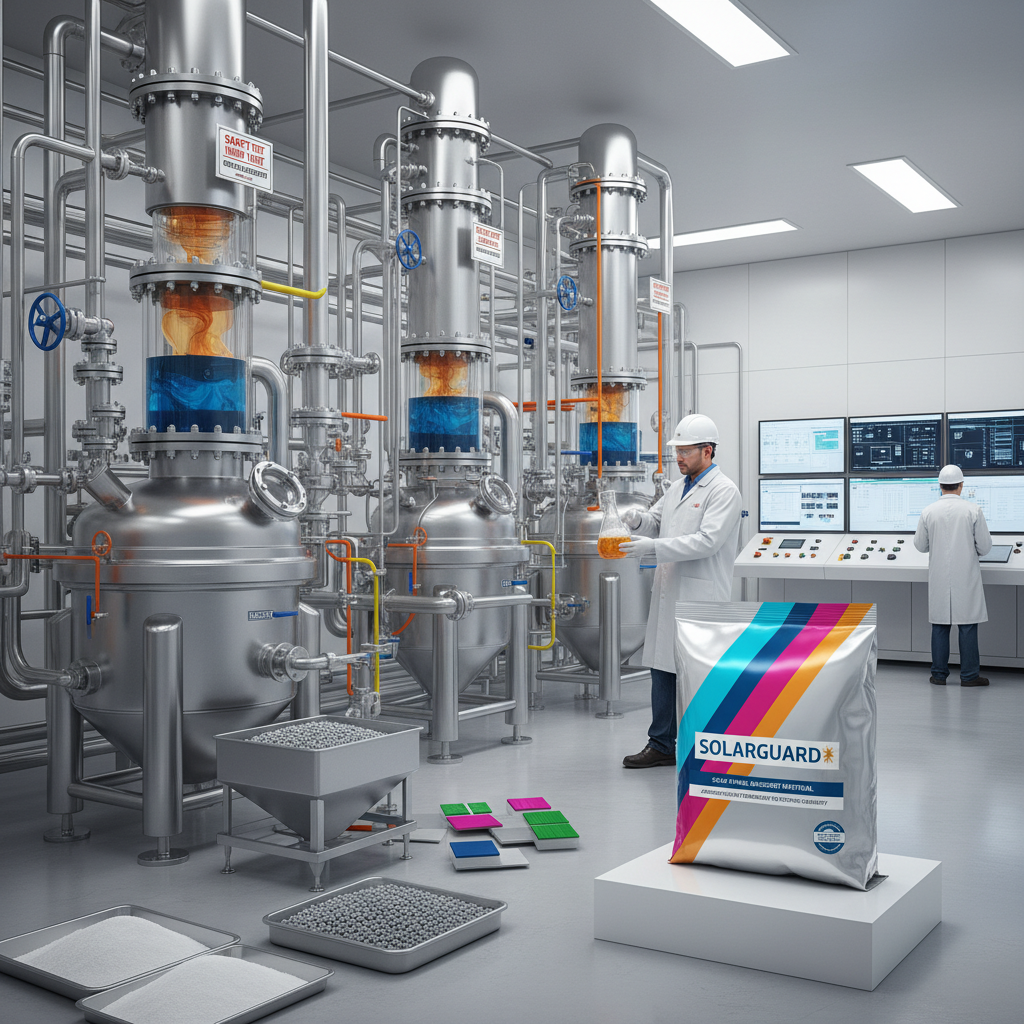
Backsheet material is a critical component in a wide range of industries, most notably in the production of photovoltaic (PV) modules, also known as solar panels. These materials serve as the final protective layer, shielding the delicate solar cells from environmental factors like moisture, UV radiation, and temperature fluctuations. The global demand for efficient and durable backsheet material is steadily increasing, driven by the worldwide push for renewable energy sources and a reduction in carbon emissions. Understanding the nuances of backsheet material – its composition, performance characteristics, and evolving technologies – is paramount for optimizing solar panel efficiency and longevity.
Within the broader trade agency and brokerage landscape, backsheet material represents a significant commercial opportunity. Global trade in this sector is influenced by factors such as fluctuating raw material costs, geopolitical events impacting supply chains, and the evolving regulatory frameworks surrounding renewable energy. Effective trade agents need a comprehensive understanding of these dynamics to facilitate seamless transactions and ensure compliance with international standards. The ability to source high-quality backsheet material reliably and cost-effectively is a key differentiator in this competitive market.
The increasing adoption of photovoltaic technologies, coupled with the need for longer-lasting and more efficient solar panels, is fueling innovation in backsheet material. This demand extends beyond just solar energy, with emerging applications in medical imaging and specialized industrial coatings further expanding the market potential. For businesses involved in trade brokerage, recognizing these trends and offering cutting-edge solutions is crucial for sustained success.
The Core Role of Backsheet Material
The primary role of backsheet material is to provide a robust and lasting barrier against environmental stressors. It prevents moisture ingress, which can corrode the internal components of solar panels and significantly reduce their lifespan. Furthermore, high-quality backsheet material offers excellent UV resistance, preventing degradation of the encapsulant and cells due to prolonged sun exposure. This protection directly translates to increased energy yield and a longer return on investment for solar installations.
Beyond protection, backsheet materials also contribute to the overall electrical insulation of the module, ensuring safety and preventing short circuits. Their dielectric properties are crucial for maintaining the performance and reliability of the solar panel throughout its operational life. Selecting the right backsheet material is, therefore, a fundamental aspect of ensuring the long-term effectiveness and economic viability of solar energy projects.
Defining Backsheet Material and its Industrial Significance
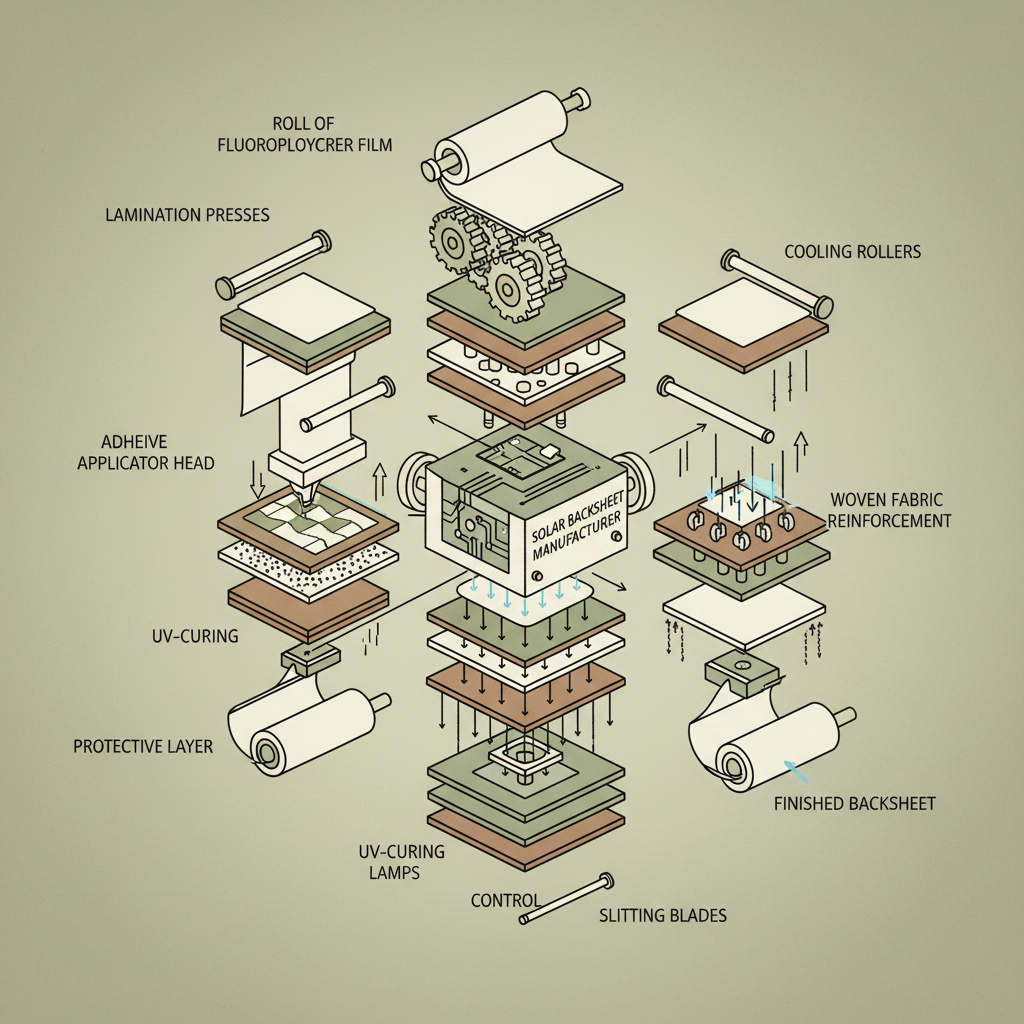
Backsheet material, in its simplest form, is a multi-layered polymer film applied to the rear surface of a photovoltaic module. These layers typically include a protective outer layer, a core layer providing insulation and mechanical strength, and an adhesive layer for bonding to the encapsulant. Common materials used in backsheet construction include polymers such as polyethylene terephthalate (PET), polyvinyl fluoride (PVF), and polyethylene (PE). The specific combination and thickness of these layers dictate the material’s performance characteristics.
Its industrial significance extends far beyond solar energy. Backsheet technology, adapted and modified, finds applications in medical imaging films, requiring stringent quality control and biocompatibility. Specialized coatings utilizing similar polymer structures are also used in industrial settings to protect sensitive equipment from harsh environments. This versatility underscores the broader importance of backsheet materials in various modern industries.
The connection to modern industry and humanitarian needs lies in its role in enabling sustainable energy solutions. By enhancing the durability and efficiency of solar panels, backsheet material contributes directly to the global transition towards cleaner energy sources. This is particularly vital in regions with limited access to traditional power grids, where solar energy provides a reliable and cost-effective alternative.
Key Characteristics of High-Performance Backsheet Materials
Durability is arguably the most crucial characteristic of high-performance backsheet material. This encompasses resistance to weathering, UV degradation, temperature cycling, and mechanical stress. A durable backsheet ensures long-term module reliability and minimizes the risk of premature failure, reducing maintenance costs and maximizing energy generation. Independent testing standards, such as IEC 61215 and IEC 61730, define the rigorous requirements for backsheet durability.
Electrical insulation is another critical aspect. The backsheet must effectively prevent electrical leakage and short circuits, ensuring the safety of the solar installation and protecting against potential hazards. The dielectric strength of the material is a key parameter, measured in kV/mm, and must meet or exceed industry standards. Proper insulation also contributes to the overall efficiency of the module by minimizing energy losses.
Moisture permeability is a vital factor impacting the longevity of the module. Backsheet material must provide an effective barrier against moisture ingress, preventing corrosion of the cells and interconnects. Low water vapor transmission rate (WVTR) is a desirable characteristic, indicating the material’s ability to resist moisture penetration. This is particularly important in humid climates.
Global Applications of Backsheet Material in Diverse Sectors
The most significant application of backsheet material remains in the solar energy sector, powering residential, commercial, and utility-scale solar installations worldwide. Countries with ambitious renewable energy targets, such as China, Germany, and the United States, are major consumers of backsheet material. In regions with limited grid access, like parts of Africa and Asia, solar energy enabled by durable backsheet materials is providing vital power to communities and businesses.
Expanding beyond solar, modified backsheet materials are finding increasing use in medical imaging, specifically in the production of X-ray and MRI films. These applications require exceptional clarity, durability, and biocompatibility, driving demand for specialized backsheet formulations. This trend represents a growth opportunity for backsheet manufacturers willing to invest in research and development.
Furthermore, industrial coatings utilizing similar polymer technologies are employed to protect sensitive electronic components and equipment in harsh environments, such as chemical processing plants and offshore oil rigs. The ability to withstand extreme temperatures, corrosive substances, and mechanical abrasion makes these materials invaluable for ensuring the reliability of critical infrastructure.
Comparative Performance of backsheet material Types
Advantages and Long-Term Value Proposition of Backsheet Materials
The primary advantage of utilizing high-quality backsheet material is enhanced module lifespan. By effectively protecting the internal components from environmental degradation, these materials contribute to a longer operational life, maximizing energy generation and reducing the need for frequent replacements. This translates to significant cost savings over the lifetime of the solar installation.
From a sustainability perspective, durable backsheet material reduces waste associated with premature module failure, aligning with circular economy principles. Moreover, the increased efficiency facilitated by superior backsheet materials contributes to a lower carbon footprint for energy production. This combination of economic and environmental benefits makes them a compelling choice for environmentally conscious consumers and investors.
Emerging Trends and Innovation in Backsheet Material Technology
One key trend is the development of lighter-weight backsheet materials, which reduce the overall weight of the solar module, simplifying installation and lowering transportation costs. These materials often utilize advanced polymer blends and innovative manufacturing techniques. Another exciting development is the incorporation of self-healing polymers, capable of repairing minor damage and extending the lifespan of the backsheet.
Research into bio-based and recyclable backsheet materials is gaining momentum, driven by the demand for more sustainable solutions. These materials utilize renewable resources and are designed for end-of-life recyclability, reducing environmental impact. Further exploration of nanotechnology is also underway to enhance the barrier properties and performance characteristics of backsheet materials.
The integration of digital technologies, such as advanced sensor monitoring, into backsheet materials is enabling real-time performance tracking and predictive maintenance, allowing operators to identify and address potential issues before they escalate. This proactive approach maximizes energy output and minimizes downtime.
Challenges in Backsheet Material Implementation and Mitigation Strategies
A significant challenge is the potential for degradation of certain backsheet materials over time, particularly in harsh climates. Issues such as cracking, delamination, and discoloration can compromise the module’s performance and reliability. Careful material selection, rigorous testing, and adherence to industry standards are crucial for mitigating these risks.
Another challenge is ensuring consistent quality across different manufacturing batches and suppliers. Variations in material composition or manufacturing processes can lead to inconsistencies in performance. Implementing robust quality control procedures and working with reputable suppliers are essential for maintaining consistent standards.
Finally, the cost of high-performance backsheet materials can be a barrier to wider adoption. However, the long-term benefits – increased lifespan, higher energy yield, and reduced maintenance costs – often outweigh the initial investment. Continued innovation and economies of scale are driving down costs, making these materials more accessible.
Summary of Backsheet Material Challenge Mitigation Strategies
| Challenge Area |
Mitigation Strategy |
Implementation Cost (1-10) |
Expected Impact (1-10) |
| Material Degradation |
Select UV-resistant polymers, conduct accelerated aging tests |
6 |
9 |
| Quality Control Variance |
Implement rigorous supplier audits and incoming material inspection |
7 |
8 |
| High Material Costs |
Negotiate bulk pricing, explore alternative materials |
5 |
7 |
| Moisture Ingress |
Utilize materials with low WVTR, improve sealing techniques |
6 |
9 |
| Thermal Stress |
Choose materials with high thermal stability, optimize module design |
7 |
8 |
| Long-Term Reliability |
Conduct long-term field testing, monitor performance data |
8 |
9 |
FAQS
PET offers good mechanical strength and cost-effectiveness, making it a common choice for many applications. PVF provides superior weather resistance and UV stability, ideal for harsh environments. PE is cost-effective and offers good moisture barrier properties, often used in combination with other materials. The best choice depends on the specific performance requirements and budget constraints of the application. Considering the long-term energy yield and the geographical location is crucial in choosing the right backsheet material.
Temperature cycling refers to the repeated expansion and contraction of materials due to fluctuations in temperature. This can cause stress and cracking in backsheet material, leading to moisture ingress and reduced module performance. High-quality backsheet materials are designed to withstand numerous temperature cycles without significant degradation, but proper material selection and module design are crucial for long-term reliability. Performing thorough testing is essential.
Traditional backsheet materials can pose environmental challenges at end-of-life due to their polymer composition. Recycling options are limited, and improper disposal can contribute to plastic waste. Growing interest in bio-based and recyclable backsheet materials aims to address these concerns. Choosing materials that can be responsibly recycled or composted is a key step towards sustainability.
IEC 61215 and IEC 61730 are the primary international standards used to assess the performance and reliability of photovoltaic materials, including backsheets. These standards define a series of tests evaluating resistance to UV radiation, temperature cycling, humidity, mechanical stress, and electrical insulation. Compliance with these standards ensures that the material meets minimum quality requirements.
Look for suppliers with a strong track record, certifications (e.g., ISO 9001), and a commitment to quality control. Request detailed technical specifications and test reports, and inquire about their manufacturing processes and materials sourcing. Consider their reputation within the industry and seek references from other customers.
Emerging technologies include the use of self-healing polymers that can repair minor damage, enhancing long-term durability. Another is incorporating advanced coatings that improve light reflection and reduce heat absorption, leading to higher module efficiency. The development of lightweight materials also contributes to ease of installation and reduces overall system costs.
Conclusion
In conclusion, backsheet material plays a pivotal role in the performance, longevity, and sustainability of solar energy systems, and is increasingly important in specialized applications like medical imaging. Understanding its core characteristics, emerging trends, and potential challenges is essential for stakeholders across the industry – from manufacturers and installers to trade agencies and end-users. Choosing the right backsheet material is a strategic decision with far-reaching implications.
Looking ahead, continued innovation in materials science and manufacturing techniques will drive further improvements in backsheet performance and reduce costs. Embracing sustainable materials and circular economy principles will be critical for minimizing environmental impact. By staying informed and proactively adapting to these advancements, businesses can unlock new opportunities and contribute to a cleaner, more sustainable energy future. Visit our website at www.lkintl.com to learn more about our backsheet material solutions.