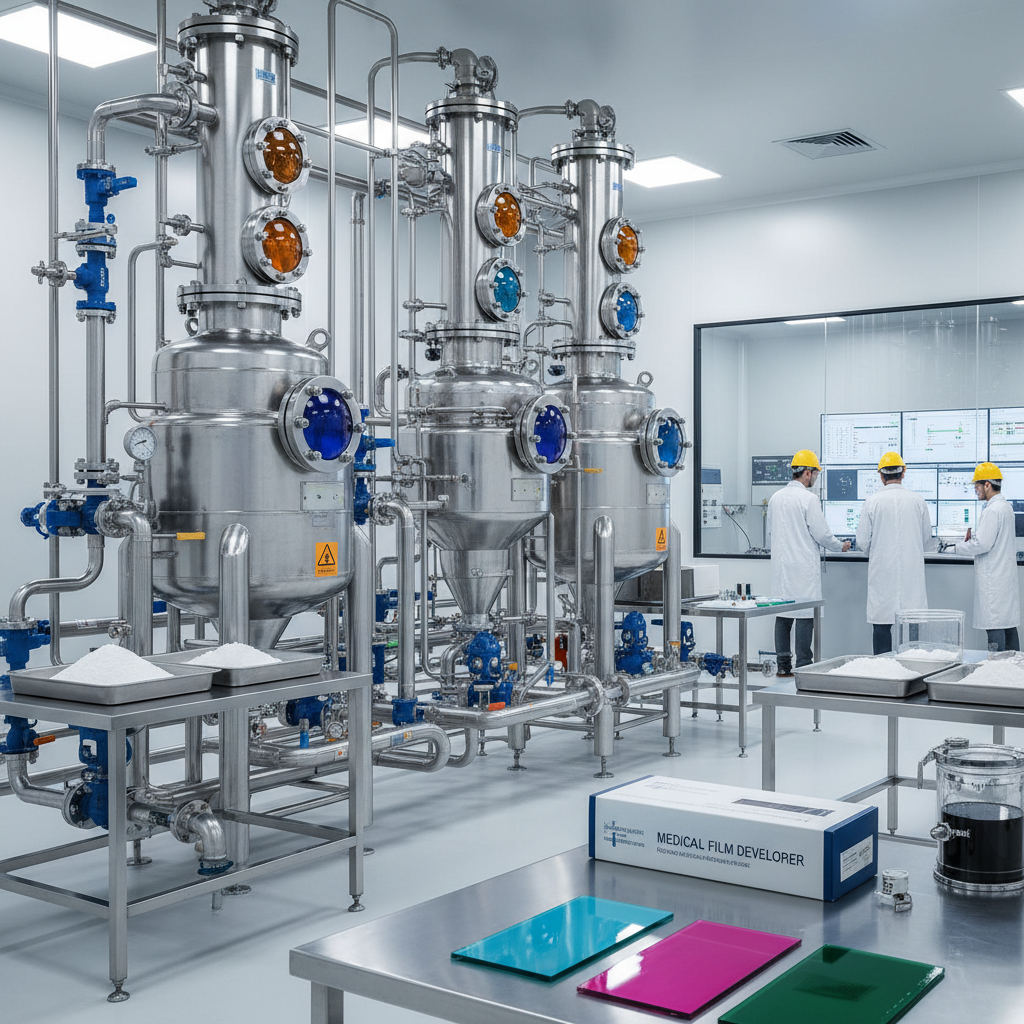
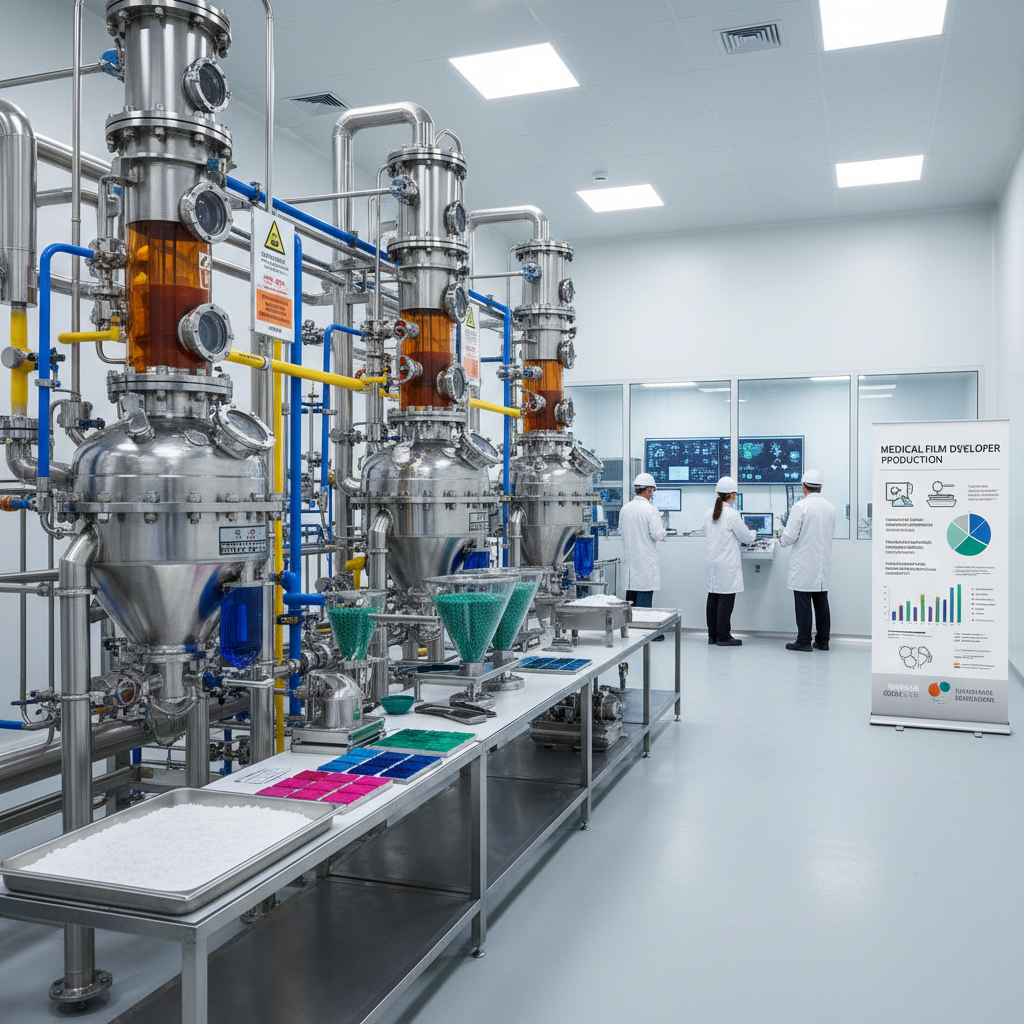
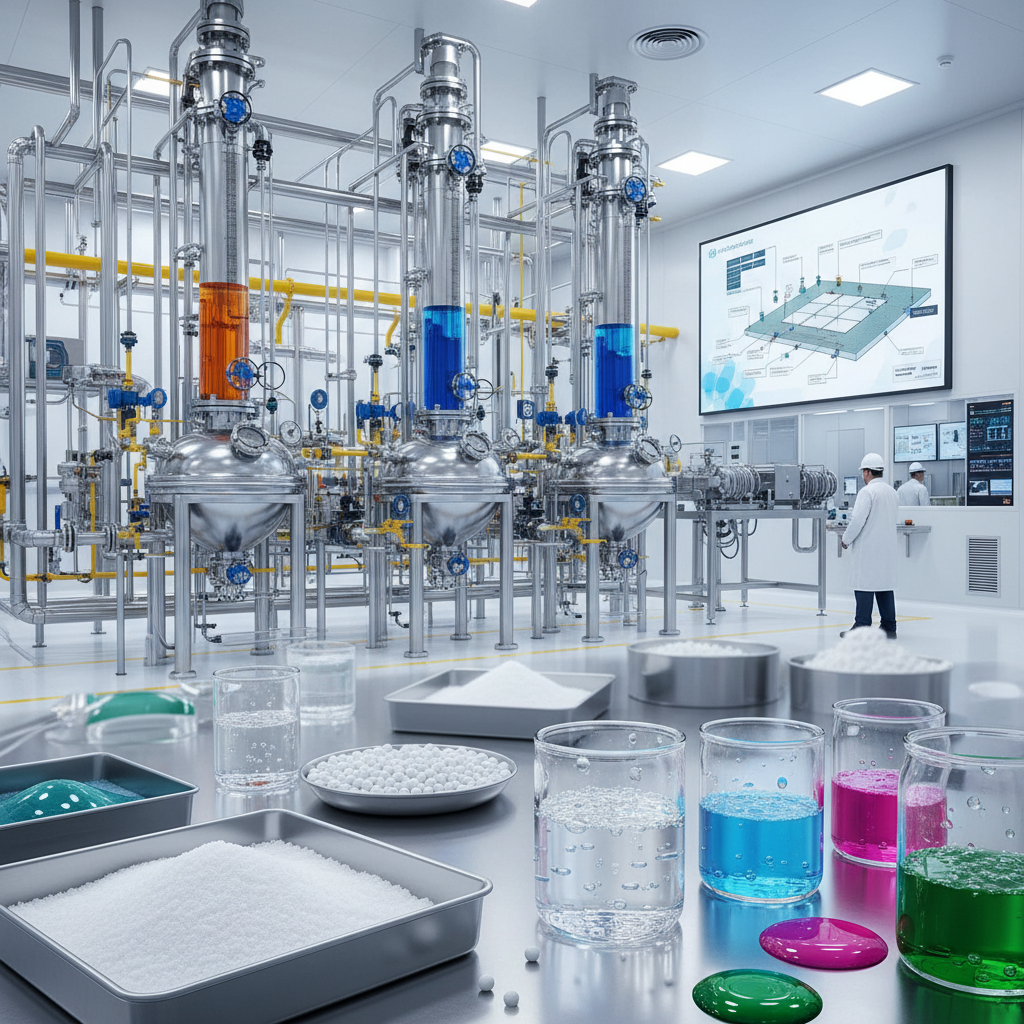
Medical film, a cornerstone of modern diagnostics, plays a vital role in healthcare systems globally. From routine X-rays to complex fluoroscopic procedures, its quality directly impacts the accuracy of medical assessments and, consequently, patient care. The demand for high-resolution, reliable medical film remains significant, even with the rise of digital imaging, due to cost considerations and specific application needs in many parts of the world. Understanding the nuances of medical film—its composition, manufacturing, and optimal usage—is crucial for professionals across the healthcare spectrum.
The global medical film market is influenced by several factors, including aging populations, increasing prevalence of chronic diseases, and advancements in medical imaging technologies. Regions with developing healthcare infrastructure often rely heavily on traditional film-based systems, creating a consistent demand. However, environmental concerns surrounding traditional silver halide film are driving a push for more sustainable alternatives and innovative processing techniques. The trade of medical film necessitates adherence to stringent regulatory standards to ensure patient safety and efficacy.
The ability to source high-quality medical film reliably and efficiently is paramount for hospitals, clinics, and diagnostic centers. Disruptions in supply chains, as witnessed in recent years, underscore the importance of establishing robust partnerships with trusted suppliers. This content will delve into the intricacies of medical film, exploring its properties, applications, future trends, and the challenges associated with its procurement and use.
The Importance of Medical Film in Modern Healthcare
Medical film remains a critical diagnostic tool in numerous medical specialties, including radiology, cardiology, and dentistry. Despite the increasing prevalence of digital imaging, film-based radiography continues to offer advantages in specific scenarios, particularly in resource-limited settings. Its affordability, relative simplicity, and established workflows make it a valuable asset for many healthcare providers, ensuring access to essential diagnostic capabilities.
The quality of medical film directly impacts the accuracy of diagnoses and the effectiveness of treatment plans. Factors such as film speed, contrast, and latitude are crucial considerations for achieving optimal image quality. Properly processed and interpreted medical films provide clinicians with vital information for making informed decisions about patient care.
Defining Medical Film and its Applications
Medical film is a specialized photographic film designed to capture X-ray images for diagnostic purposes. It consists of a polyester base coated with an emulsion containing silver halide crystals. When exposed to X-rays, these crystals undergo a chemical change that, upon development, creates a visible image representing the internal structures of the body. Different types of medical film are formulated for specific applications, such as mammography, angiography, and general radiography.
The applications of medical film are broad and varied. It's used to detect fractures, identify tumors, assess organ function, and guide surgical procedures. In mammography, specialized film with high contrast is employed to detect subtle changes in breast tissue. Angiography utilizes medical film to visualize blood vessels, aiding in the diagnosis of cardiovascular diseases.
Medical film’s continued relevance stems from its cost-effectiveness in certain contexts and its ability to provide a permanent, physical record of diagnostic images. This is particularly valuable in legal and archival settings, and in regions where digital infrastructure is limited or unreliable.
Core Components of High-Quality Medical Film
Several key components contribute to the quality and performance of medical film. Film speed, measured by the ANSI/ISO system, indicates the amount of radiation required to produce a visible image. Faster films require less radiation, reducing patient exposure. Contrast refers to the difference in density between adjacent areas of the image, crucial for distinguishing between different tissues.
Latitude describes the film’s ability to accurately record detail over a range of radiation exposures. A wider latitude allows for greater flexibility in technique and reduces the likelihood of under- or overexposed images. The emulsion’s chemical composition and manufacturing process significantly impact these properties, influencing the overall image quality and diagnostic value.
Finally, the base material—typically polyester—provides structural support and dimensional stability. High-quality polyester bases are resistant to tearing, scratching, and chemical degradation, ensuring the longevity of the image. Proper storage and handling of medical film are essential to preserve its quality and prevent image deterioration.
Global Applications of Medical Film
The applications of medical film span the globe, serving diverse healthcare needs in both developed and developing nations. In many African countries, for example, medical film remains the primary imaging modality due to cost and infrastructure limitations. Similarly, in remote areas of South America and Asia, its portability and ease of use make it invaluable for providing essential diagnostic services.
Within developed countries, specialized applications of medical film continue to thrive. Mammography centers frequently rely on high-resolution film for screening and diagnostic purposes. Interventional radiology departments utilize film-based fluoroscopy to guide minimally invasive procedures. Veterinary medicine also benefits from the use of medical film for diagnosing animal ailments.
Comparison of Medical Film Usage Across Different Diagnostic Procedures
Advantages and Long-Term Value of Medical Film
Despite the advancements in digital imaging, medical film retains several advantages. Its initial cost is often lower than that of digital radiography systems, making it accessible to healthcare facilities with limited budgets. The tangible nature of film provides a permanent, physical record that is independent of electronic systems, reducing the risk of data loss or corruption.
Moreover, medical film offers excellent image quality, particularly in terms of spatial resolution. This can be crucial for detecting subtle details that might be missed on digital images. The established workflow and familiarity among radiologists and technicians also contribute to its continued use.
Future Trends and Innovations in Medical Film Technology
While digital imaging dominates the landscape, innovation continues within the realm of medical film. Researchers are exploring new emulsion formulations that offer improved contrast, speed, and sensitivity. Developments in film processing chemicals aim to reduce environmental impact and enhance image quality.
Sustainable manufacturing practices are gaining traction, with efforts to minimize waste and conserve resources. Furthermore, hybrid systems that combine the benefits of both film and digital technologies are emerging, offering a potential bridge between traditional and modern imaging modalities.
The demand for specialized film types, such as those designed for low-dose applications and specific anatomical regions, is also driving innovation. These advancements ensure that medical film remains a viable option for certain diagnostic needs.
Challenges and Solutions in Medical Film Supply and Usage
The medical film supply chain faces several challenges, including fluctuating raw material costs, geopolitical instability, and stringent regulatory requirements. Ensuring a reliable and consistent supply of high-quality film requires robust sourcing strategies and close collaboration with trusted manufacturers.
Proper film storage and handling are crucial for maintaining image quality. Exposure to heat, humidity, and light can cause fogging and degradation. Implementing strict quality control measures and providing adequate training for personnel are essential for minimizing these risks.
Environmental concerns surrounding the disposal of silver halide waste also pose a challenge. Implementing effective recycling programs and exploring alternative, eco-friendly film technologies are necessary for mitigating this impact.
Summary of Challenges and Solutions in Medical Film Management
| Challenge |
Impact on Healthcare |
Potential Solutions |
Implementation Cost (1-10) |
| Supply Chain Disruptions |
Delays in diagnosis, compromised patient care. |
Diversify suppliers, build strategic reserves. |
7 |
| Film Degradation (Storage) |
Inaccurate diagnoses, repeat imaging. |
Climate-controlled storage, regular inspections. |
6 |
| Silver Halide Waste Disposal |
Environmental pollution, regulatory non-compliance. |
Implement silver recovery programs, explore alternative films. |
8 |
| Technician Training Gaps |
Suboptimal image quality, increased radiation exposure. |
Regular continuing education, standardized protocols. |
5 |
| Regulatory Compliance Costs |
Increased operational expenses, potential penalties. |
Automated compliance tracking, streamlined documentation. |
7 |
| Competition from Digital Imaging |
Decreasing market share, reduced investment in film technology. |
Focus on niche applications, highlight unique benefits. |
4 |
FAQS
Traditional radiography uses chemical processing to develop the image directly onto medical film. Computed radiography, however, employs a photostimulable phosphor plate that captures the X-ray image and then releases it as a digital signal for processing. CR systems offer advantages like wider dynamic range and the ability to manipulate images digitally, while traditional film relies on the inherent properties of the film itself.
High temperatures accelerate the degradation of medical film emulsions. It’s recommended to store film in a cool, dry place, ideally between 65-75°F (18-24°C). Exposure to excessive heat can cause fogging, loss of contrast, and ultimately, an unusable image. Following manufacturer guidelines for storage is crucial for maintaining film quality over time.
Traditional silver halide medical film is not inherently environmentally friendly due to the silver content and the chemical processing required. The best disposal practice is to participate in silver recovery programs, which reclaim the silver from used film for reuse. Proper disposal of processing chemicals is also essential to prevent environmental contamination.
When handling medical film, avoid bending or scratching the film surface. Wear appropriate personal protective equipment (PPE), such as gloves and eye protection, when handling processing chemicals. Ensure adequate ventilation in the darkroom to minimize exposure to chemical fumes. Follow all manufacturer’s safety guidelines for both film and chemicals.
Film speed and patient radiation dose are inversely proportional. Faster film requires less radiation to produce a diagnostic image, resulting in a lower dose for the patient. However, faster films may have lower contrast. Radiographers must carefully balance these factors to optimize image quality while minimizing radiation exposure, adhering to the ALARA (As Low As Reasonably Achievable) principle.
The shelf life of unopened medical film varies depending on the manufacturer and film type, but typically ranges from 2 to 5 years when stored properly. It’s important to check the expiration date printed on the film packaging and adhere to the manufacturer’s storage recommendations. Expired film may exhibit reduced sensitivity and increased fogging.
Conclusion
Medical film, despite the advancements in digital imaging, continues to play a crucial role in healthcare globally. Its affordability, ease of use, and established workflows make it a valuable tool, particularly in resource-constrained settings and specialized applications. Understanding its core components, proper handling, and evolving innovations is essential for ensuring optimal diagnostic accuracy and patient care.
Looking ahead, embracing sustainable practices, investing in ongoing training, and exploring hybrid solutions will be key to maximizing the long-term value of medical film. By addressing the challenges associated with supply, disposal, and technological advancements, we can continue to leverage the benefits of this time-tested imaging modality for years to come.