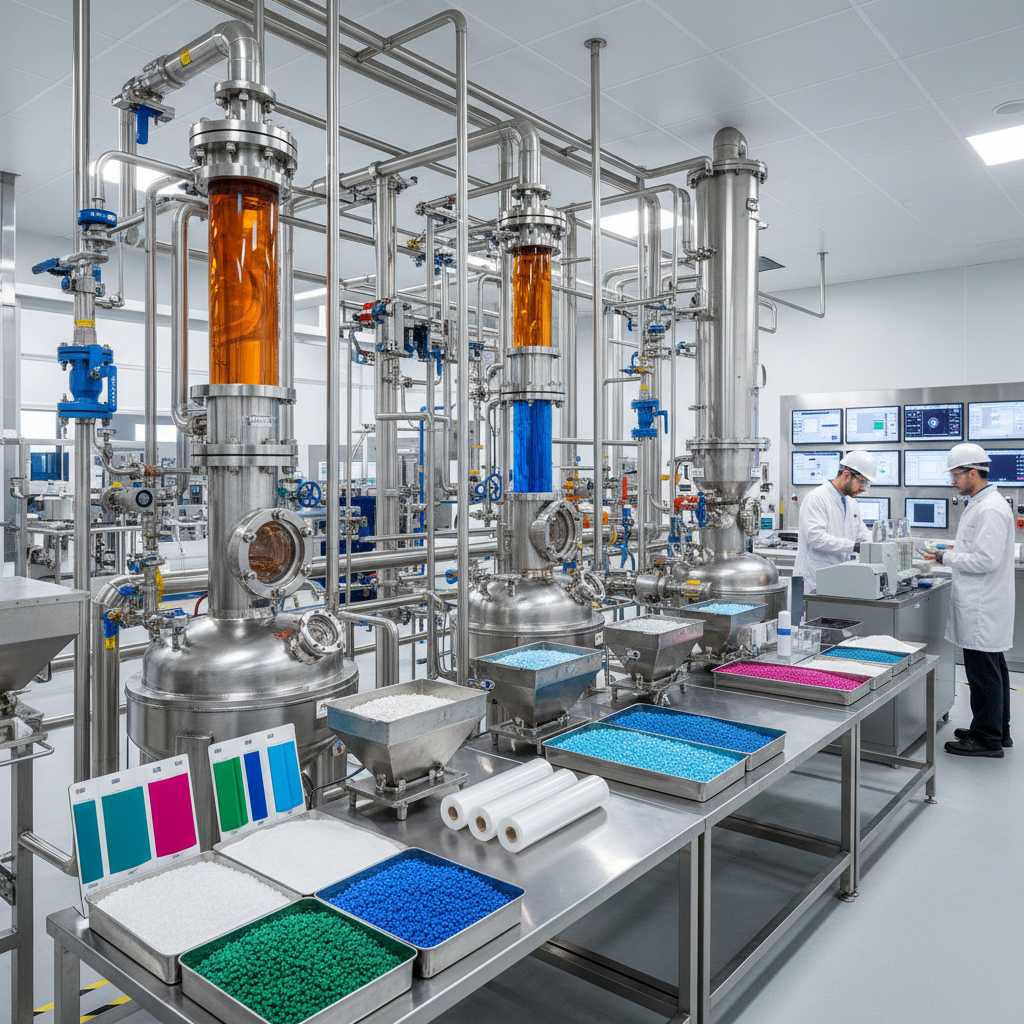
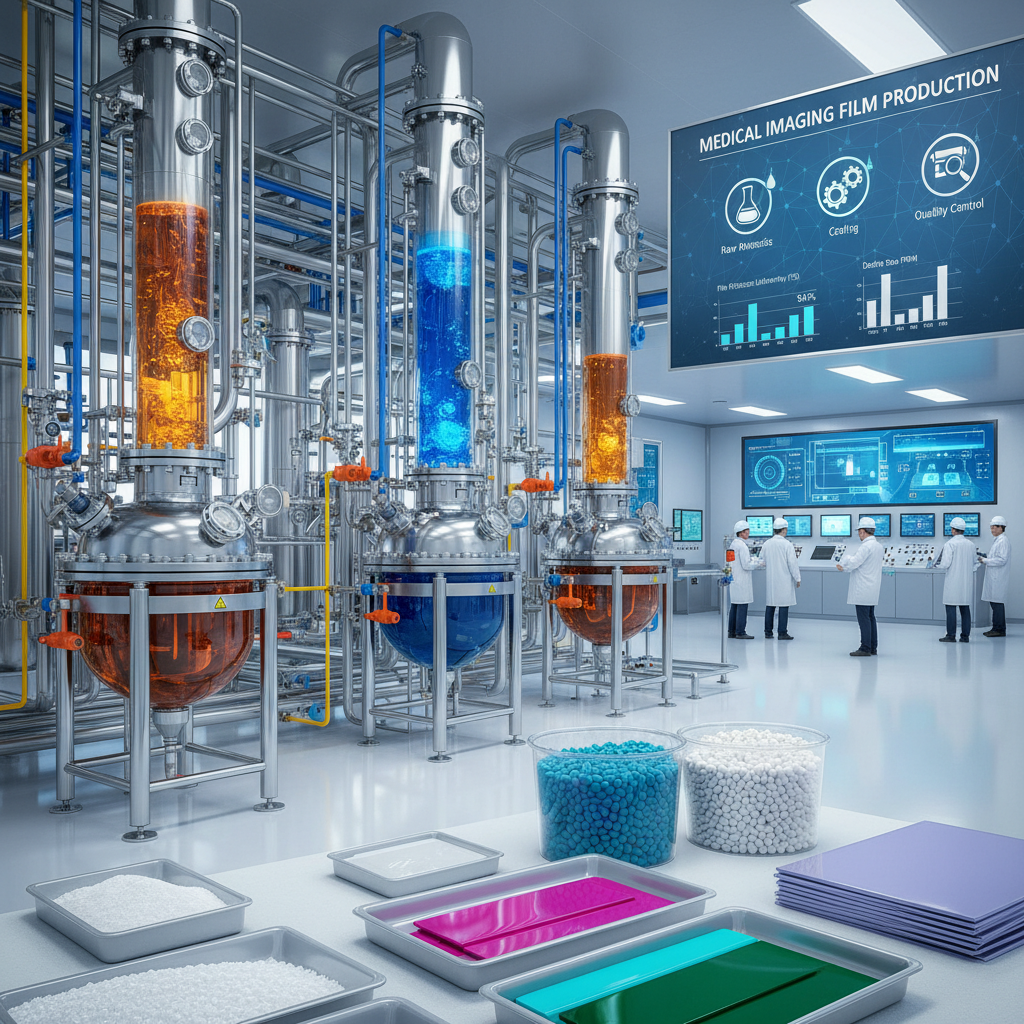
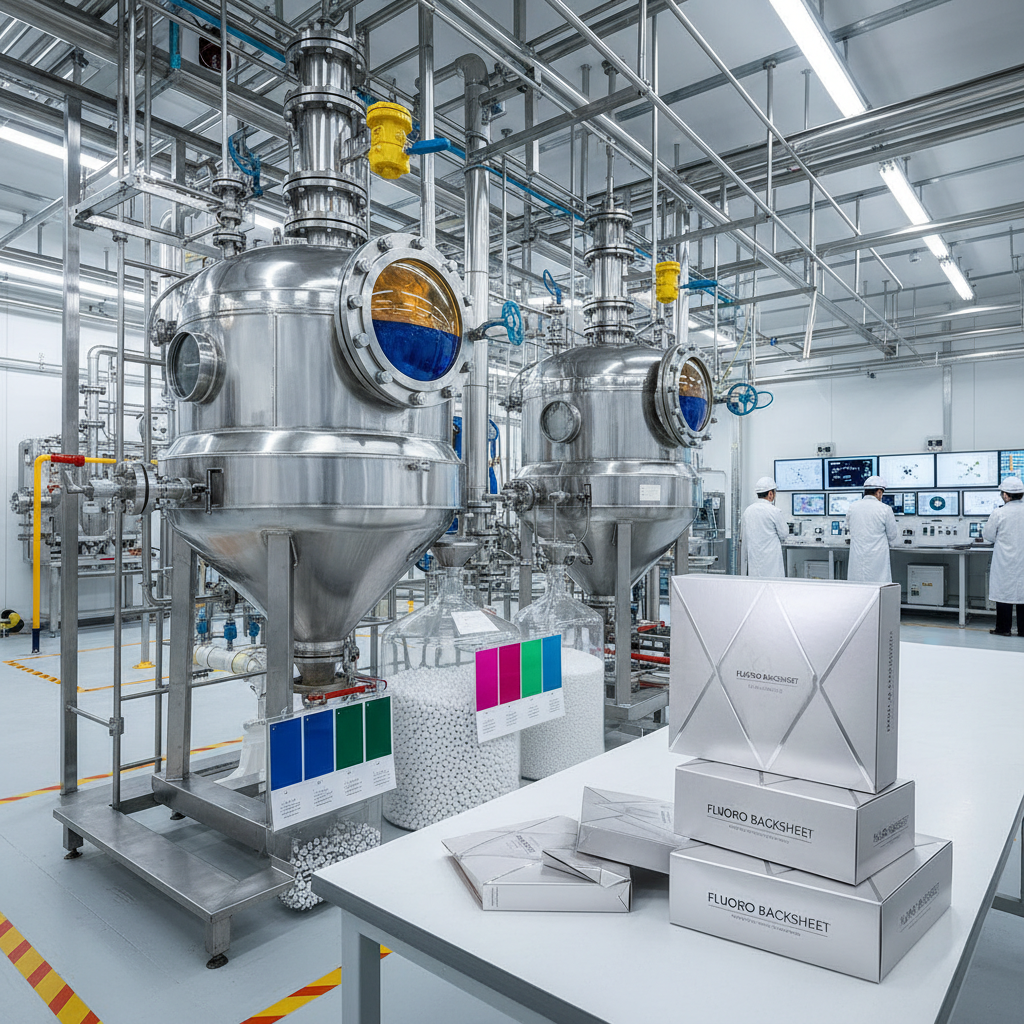
In the precision-driven world of medical packaging, medical forming films stand as a critical barrier between sterile medical devices and the external environment. These specialized polymers are engineered to undergo precise thermoforming processes, creating rigid blister packs that ensure product integrity, prevent contamination, and facilitate ease of use for healthcare professionals globally.
The global demand for these materials has surged as healthcare systems shift toward more complex drug delivery systems and minimally invasive surgical tools. By integrating advanced material science with stringent regulatory compliance, the industry is now focusing on films that offer not only superior puncture resistance but also enhanced compatibility with various sterilization methods, such as Gamma irradiation and Ethylene Oxide (EtO).
Understanding the nuances of these materials is essential for manufacturers aiming to optimize their production lines and reduce waste. From the choice of PVC and PVDC blends to the emergence of sustainable, recyclable alternatives, the evolution of medical forming films reflects a broader commitment to patient safety and operational efficiency in the global medical supply chain.
Global Industry Context of Medical Forming Films
The global landscape for medical forming films is inextricably linked to the growth of the pharmaceutical and medical device sectors. With an aging global population and the rise of chronic diseases, ISO standards and FDA regulations have become more stringent, demanding packaging materials that can maintain a sterile barrier for years. The industry has moved beyond simple containment to creating "intelligent" packaging that protects sensitive biologics from moisture and oxygen.
Current market data suggests a steady CAGR in the high-barrier film segment, driven largely by the expansion of healthcare infrastructure in emerging economies. The primary challenge facing the industry today is the balance between absolute sterility—which often requires multi-layer plastic composites—and the growing global mandate for environmental sustainability and the reduction of single-use plastics in clinical settings.
Defining the Essence of Medical Forming Films
In simple technical terms, medical forming films are high-performance thermoplastic sheets designed to be heated and molded into specific shapes (blisters) to hold medical components or medication. Unlike standard industrial films, these materials must be biocompatible, non-leaching, and capable of maintaining precise dimensions after the cooling process to ensure a perfect seal with the lidding material.
The connection to humanitarian needs is profound; these films allow for the safe transport of life-saving vaccines and surgical instruments to remote regions of the world. By providing a lightweight, shatterproof, and airtight enclosure, they reduce the risk of contamination in environments where sterile facilities are limited, effectively bridging the gap between advanced manufacturing and bedside care.
Modern industry defines these films not just by their chemical composition, but by their "formability"—the ability to stretch uniformly without thinning too much at the corners. This structural integrity is what prevents "pinholes," which would otherwise compromise the sterile boundary and render the medical device unusable and potentially dangerous to the patient.
Core Components and Technical Factors
One of the most critical factors in the performance of medical forming films is Barrier Efficiency. This refers to the film's ability to block the permeation of water vapor and oxygen. High-barrier films often utilize PVDC or Aclar coatings to protect moisture-sensitive pharmaceuticals, ensuring that the chemical potency of the drug remains intact throughout its entire shelf life.
Thermal Stability and Draw Ratio are equally vital. The film must possess a specific glass transition temperature that allows it to be shaped rapidly in a thermoforming machine without degrading the polymer chain. A high draw ratio ensures that the medical forming films can be stretched deeply into complex molds while maintaining a consistent wall thickness, which is essential for uniform sterilization penetration.
Lastly, Optical Clarity and Chemical Compatibility play a key role in clinical safety. Clarity allows healthcare providers to visually inspect the device for defects or contaminants before use. Simultaneously, the film must be chemically inert, meaning it will not react with the medical device it holds, nor will it release volatile organic compounds (VOCs) that could migrate into the sterile product.
Global Applications and Use Cases
The application of medical forming films spans across various healthcare sectors, from high-tech hospitals in North America to rural clinics in Southeast Asia. In the pharmaceutical industry, they are the gold standard for blister packaging of tablets and capsules, providing unit-dose protection that prevents cross-contamination and ensures patient adherence to medication schedules.
In more specialized contexts, such as post-disaster relief operations, these films are used to package pre-assembled surgical kits. Because these kits must survive extreme temperature fluctuations and rough handling during air-drops or truck transport in remote industrial zones, the puncture resistance of the forming film becomes the primary line of defense for maintaining the sterility of the instruments inside.
Performance Comparison of Medical Forming Films Methods
Tangible Advantages and Long-Term Value
The primary logical advantage of utilizing high-quality medical forming films is the drastic reduction in product spoilage and recall rates. By providing a hermetic seal, these materials ensure that expensive biologics and sensitive medical components do not degrade, thereby protecting the manufacturer's investment and, more importantly, ensuring patient safety.
From an emotional and ethical perspective, the reliability of these films fosters trust between the patient and the provider. Knowing that a surgical tool has been protected by a gold-standard sterile barrier provides a sense of dignity and security in the operating room. Furthermore, the innovation in film transparency allows for faster identification of contents, reducing stress for clinicians in high-pressure emergency environments.
Future Trends and Material Innovations
The future of medical forming films is leaning heavily toward the "Green Transition." Research is currently focused on biodegradable polymers and mono-material structures that can be easily recycled without sacrificing the barrier properties required for medical sterilization. This shift is driven by both EU packaging directives and a global corporate move toward carbon neutrality.
Digital transformation is also making its mark through the integration of "Smart Films." We are seeing the development of films embedded with chemical indicators or RFID tags that can change color if a breach in sterility occurs or if the product has been exposed to temperatures outside the recommended range. This adds a layer of automated quality control that was previously impossible.
Automation in the forming process is another key trend. Advanced AI-driven thermoforming machines are now being paired with precision-engineered films to reduce material scrap by up to 15%. This synergy between material science and robotics ensures that the next generation of medical packaging is not only safer but also more cost-effective and sustainable.
Challenges and Expert Solutions
One of the most persistent challenges in the use of medical forming films is "thinning" during the deep-draw process, which can lead to structural weak points. Expert solutions involve the use of multi-layer co-extrusion, where a high-strength core layer is sandwiched between two flexible layers, distributing the tension more evenly during the heating and forming phase.
Another limitation is the incompatibility of some traditional films with low-temperature sterilization methods. To overcome this, material scientists are developing specialized copolymers that maintain their flexibility and seal strength even at sub-zero temperatures, expanding the types of medical devices that can be safely packaged and shipped.
Finally, the conflict between barrier performance and recyclability remains a hurdle. The industry is solving this by moving toward "functional coatings" rather than permanent multi-layer laminates. These coatings provide the necessary oxygen and moisture barriers but can be stripped away during the recycling process, allowing the base polymer to be recovered and reused.
Comparison of Medical Forming Film Technical Specifications
| Material Grade |
Oxygen Barrier Level |
Formability Index |
Sterilization Compatibility |
| Standard PVC/PVDC |
High |
8/10 |
EtO / Gamma |
| High-Barrier Aclar |
Ultra-High |
7/10 |
All Methods |
| Medical PETG |
Medium |
9/10 |
EtO / Steam |
| Bio-Polymer Blend |
Low-Medium |
6/10 |
Gamma Only |
| Co-extruded PP |
Medium-High |
8/10 |
EtO / Gamma |
| Specialty Fluoropolymer |
Ultra-High |
5/10 |
All Methods |
FAQS
Medical forming films are engineered for absolute sterility and biocompatibility. Unlike standard films, they must pass rigorous tests to ensure they don't leach chemicals into the product and must maintain a consistent barrier against moisture and oxygen even after being stretched during the thermoforming process. They also require specific compatibility with sterilization methods like Gamma or EtO.
The choice depends on the sensitivity of your medical device or drug. For moisture-sensitive pharmaceuticals, an ultra-high barrier film (like those with Aclar) is necessary. For surgical tools that are stable but require sterility, a medium-barrier PETG or PP film may suffice. Always evaluate the required shelf life and the environmental conditions of the destination market.
Historically, the multi-layer nature of these films made recycling difficult. However, new mono-material developments and removable functional coatings are making recycling possible. While the films used in clinical settings must be treated as medical waste, the scrap generated during the manufacturing process is increasingly being recycled through specialized polymer recovery channels.
Thinning occurs when the film stretches excessively at the corners or deep points of a mold during thermoforming. This reduces the barrier effectiveness and increases the risk of pinholes or ruptures. High-quality medical forming films are designed with a specific "draw ratio" to ensure wall thickness remains uniform, preserving the sterile boundary.
No, compatibility varies. For example, some PVC-based films may degrade or discolor under high-heat steam sterilization. PETG and Polypropylene are generally more versatile. It is critical to match the film material to the sterilization method (EtO, Gamma, E-beam, or Steam) to avoid material embrittlement or seal failure.
Manufacturers can optimize waste by using AI-driven precision heating and molding, which reduces the amount of trim scrap. Additionally, switching to films with better formability allows for tighter nesting of blisters on a single sheet, increasing the number of units per roll and reducing overall material consumption.
Conclusion
In conclusion, medical forming films are far more than simple packaging; they are an integral component of patient safety and pharmaceutical efficacy. By balancing technical factors like barrier efficiency, thermal stability, and sterilization compatibility, these materials ensure that life-saving technologies reach their destination in a pristine, sterile state. From the high-barrier requirements of biologics to the rugged needs of emergency surgical kits, the versatility of these films is what enables the modern medical supply chain to function reliably on a global scale.
Looking forward, the industry is poised for a revolution driven by sustainability and digitalization. The transition toward mono-materials and "smart" sterile indicators will not only reduce the environmental footprint of healthcare but also provide unprecedented levels of quality assurance. For manufacturers and healthcare providers, investing in high-performance, sustainable forming solutions is no longer just a regulatory requirement—it is a strategic imperative for innovation and trust. Visit our website: www.lkintl.com