Fluoro backsheet technology represents a crucial advancement in the reliability and longevity of solar panels, becoming increasingly vital as the world transitions toward renewable energy sources. Its role extends beyond simple weatherproofing; fluoro backsheet actively enhances performance by protecting delicate photovoltaic cells from environmental stressors like UV radiation, moisture, and extreme temperatures. This protective function is paramount for maintaining consistent energy output and reducing degradation over time, ultimately impacting the cost-effectiveness of solar energy installations globally.
The global demand for solar energy is experiencing exponential growth, driven by international commitments to reduce carbon emissions and declining costs of solar panel technology. According to the International Energy Agency (IEA), solar power is now the cheapest source of electricity in many parts of the world. However, the long-term performance and durability of solar panels remain key concerns for investors and consumers alike. Fluoro backsheet addresses this challenge directly, offering a significantly improved lifespan and resistance to environmental factors compared to traditional backsheet materials.
Understanding the intricacies of fluoro backsheet is therefore essential for professionals in the solar energy industry, policymakers focused on renewable energy infrastructure, and consumers seeking long-term, reliable energy solutions. This comprehensive overview will delve into the core components, applications, advantages, and future trends surrounding this critical technology, highlighting its significant contribution to a sustainable energy future.
Introduction to Fluoro Backsheet
The adoption of fluoro backsheet materials is rapidly increasing across the solar panel manufacturing sector, driven by a growing understanding of their superior long-term performance characteristics. Traditional backsheets, often composed of polyethylene terephthalate (PET), are susceptible to degradation from UV exposure and moisture ingress, leading to reduced efficiency and premature failure of the solar panel. Fluoro backsheets, utilizing materials like polyvinyl fluoride (PVF), offer a robust barrier against these elements, significantly extending panel lifespan and maximizing energy yield.
The transition to fluoro backsheet technology is not simply a material upgrade; it represents a paradigm shift in the approach to solar panel durability. Manufacturers are recognizing the economic benefits of offering panels with longer warranties and guaranteed performance, a key differentiator in a competitive market. This proactive approach to quality and reliability directly addresses consumer concerns and fuels continued investment in solar energy solutions.
Defining Fluoro Backsheet
Fluoro backsheet refers to the protective layer applied to the rear of a solar panel, primarily composed of fluoropolymers such as polyvinyl fluoride (PVF) – commonly known as Tedlar® – and ethylene tetrafluoroethylene (ETFE). These materials are chosen for their exceptional resistance to environmental factors, including ultraviolet (UV) radiation, moisture, temperature fluctuations, and chemical degradation. Unlike traditional backsheets made of PET or polyester, fluoro backsheets exhibit superior durability and maintain their protective properties over extended periods.
The core function of a fluoro backsheet is to act as a barrier, preventing moisture penetration and electrical leakage within the solar panel. This is critical for maintaining the integrity of the photovoltaic cells and ensuring consistent energy output. By encapsulating the internal components, the fluoro backsheet safeguards against corrosion, delamination, and other forms of degradation that can lead to premature panel failure.
Its connection to modern industry and humanitarian needs is clear: a reliable and durable energy source is essential for powering communities, driving economic growth, and mitigating climate change. Fluoro backsheet, by extending the lifespan and enhancing the performance of solar panels, directly contributes to these critical goals.
Core Components of Fluoro Backsheet
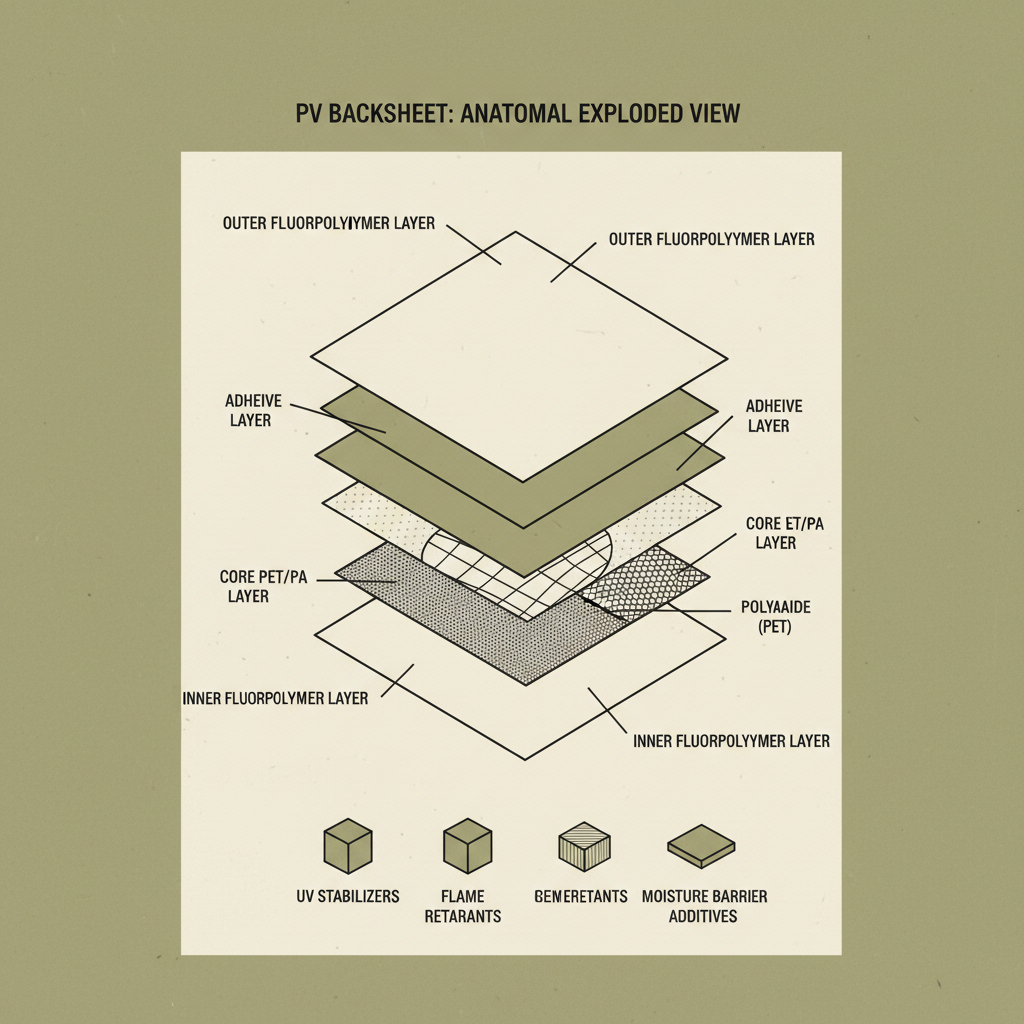
Fluoro backsheet isn’t a single material but rather a composite structure designed for optimal performance. The primary component is the fluoropolymer film, typically PVF or ETFE, which provides the core protective barrier. These films are known for their exceptional resistance to weathering and chemical exposure. The choice between PVF and ETFE often depends on specific application requirements and cost considerations.
Beyond the fluoropolymer film, fluoro backsheets often incorporate additional layers for enhanced functionality. These can include adhesion layers to ensure strong bonding with the solar panel components, as well as surface treatments to improve scratch resistance and reflectivity. These auxiliary layers work synergistically with the fluoropolymer film to create a robust and reliable protective system.
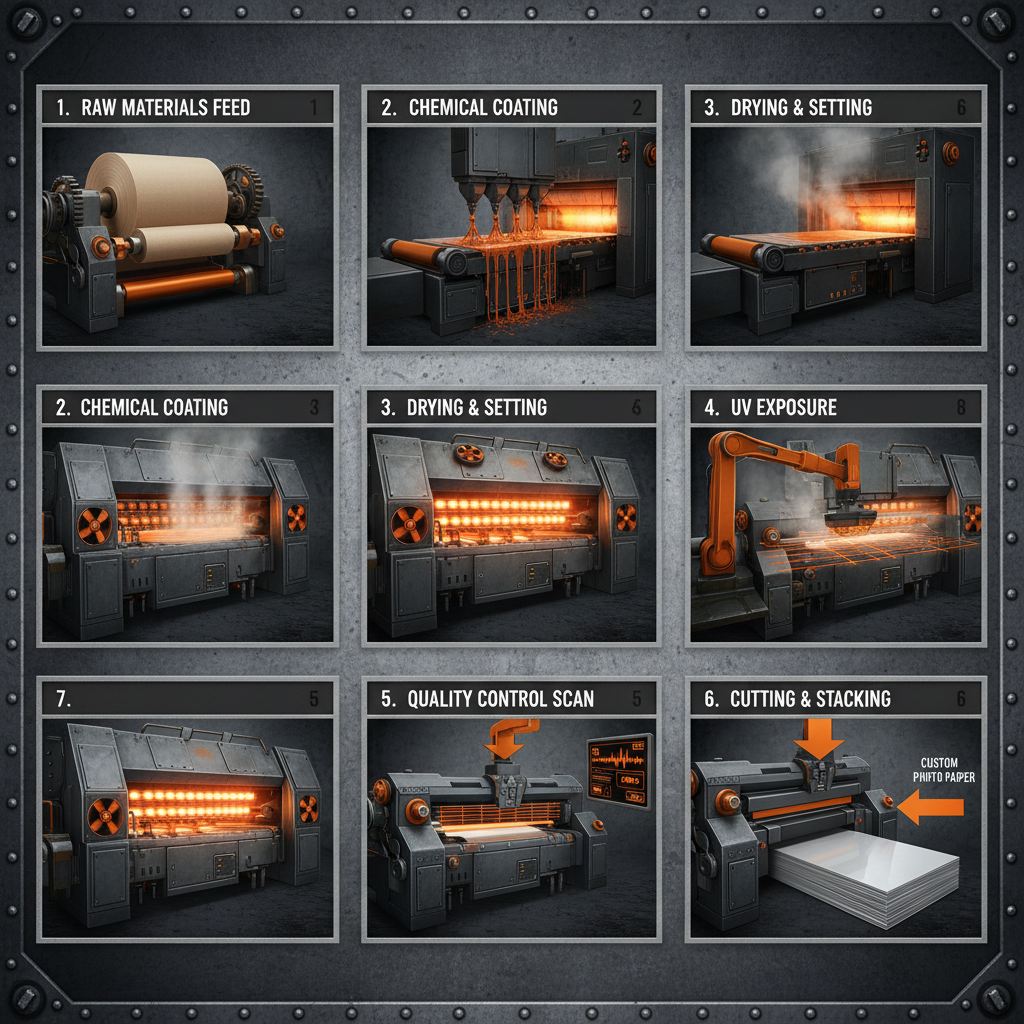
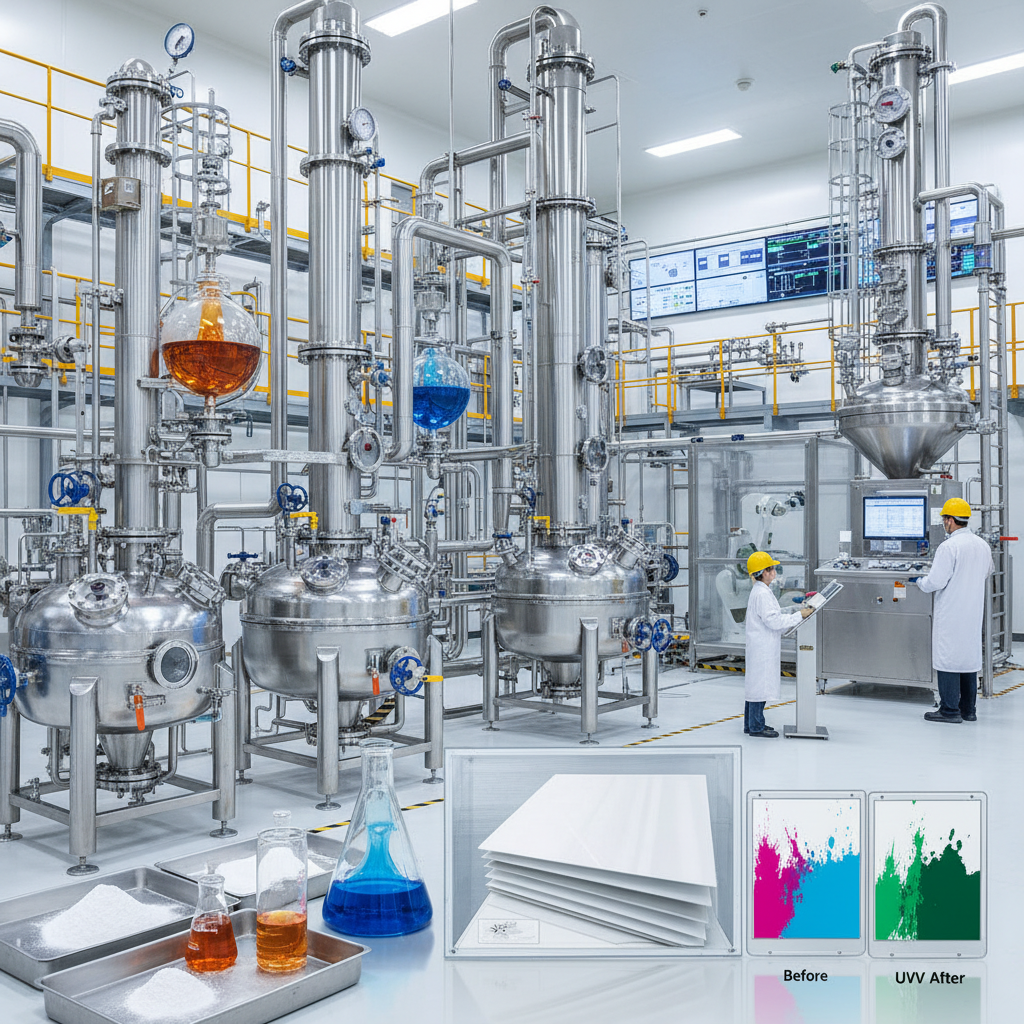
Furthermore, the manufacturing process of fluoro backsheet is crucial for ensuring its quality and performance. Precise control over film extrusion, lamination, and curing is essential for achieving uniform thickness, optimal adhesion, and consistent barrier properties. Reputable manufacturers employ rigorous quality control measures throughout the production process to guarantee the integrity of their products.
Key Performance Factors
Several key factors define the performance of a fluoro backsheet and dictate its suitability for various applications. Durability is paramount; fluoro backsheet materials exhibit exceptional resistance to UV degradation, maintaining their integrity and protective properties even after prolonged exposure to sunlight. This directly translates to a longer panel lifespan and reduced maintenance costs.
Another critical factor is moisture permeability. Fluoro backsheets effectively prevent moisture ingress, protecting the internal components of the solar panel from corrosion and electrical short circuits. Scalability refers to the ease with which fluoro backsheet can be integrated into existing manufacturing processes without significant modifications, allowing for cost-effective adoption by panel manufacturers.
Fluoro Backsheet Performance Metrics
Global Applications and Use Cases
Fluoro backsheet is employed across a wide spectrum of solar panel applications, ranging from residential rooftop installations to large-scale commercial and utility-grade solar farms. In regions with harsh climates – such as the deserts of the southwestern United States or the humid tropics of Southeast Asia – the superior durability of fluoro backsheet is particularly critical for ensuring long-term performance and minimizing maintenance requirements.
Its use is also expanding rapidly in off-grid solar solutions, where reliability and longevity are paramount. In post-disaster relief operations, where access to power is crucial for communication and essential services, solar panels equipped with fluoro backsheet provide a resilient and dependable energy source. Moreover, its adoption is increasing in remote industrial zones where maintaining consistent power supply is vital for operations.
Advantages and Long-Term Value
The advantages of utilizing fluoro backsheet extend beyond mere durability. From a cost perspective, the extended lifespan of panels equipped with this technology translates to lower life-cycle costs, reducing the need for frequent replacements. Sustainability is also enhanced, as less frequent panel replacement minimizes waste and conserves resources.
The social impact is significant, providing access to reliable and affordable electricity, particularly in underserved communities. Emotionally, consumers benefit from the peace of mind knowing they’ve invested in a durable, long-lasting product. Logically, the investment is sound due to the increased reliability and predictable performance of the solar panels. This fosters trust in the renewable energy sector and encourages wider adoption.
Future Trends and Innovations
Looking ahead, several key trends are shaping the future of fluoro backsheet technology. Research and development efforts are focused on enhancing material properties, such as improving UV resistance and reducing moisture permeability even further. The integration of nanotechnology into fluoro backsheet materials promises to create even more robust and durable protective layers.
Furthermore, the growing emphasis on circular economy principles is driving innovation in recycling and repurposing of fluoro backsheet materials at the end of their lifespan. This aligns with broader sustainability goals and minimizes the environmental impact of solar panel production and disposal. Advancements in digital monitoring and predictive maintenance will also play a role, allowing for early detection of potential issues and proactive interventions to maximize panel performance.
A Summary of Fluoro Backsheet Challenges and Mitigation Strategies
| Challenge |
Impact on Performance |
Mitigation Strategy |
Implementation Cost (1-10) |
| High Initial Cost |
Increased upfront investment for panel manufacturers. |
Long-term cost savings due to reduced maintenance & replacements. |
7 |
| Material Sourcing |
Supply chain disruptions and potential cost fluctuations. |
Diversifying suppliers and establishing long-term contracts. |
6 |
| Manufacturing Complexity |
Requires precise control over lamination and curing processes. |
Investing in advanced manufacturing equipment and quality control systems. |
8 |
| Recycling Challenges |
Fluoropolymers can be difficult to recycle using conventional methods. |
Developing innovative recycling technologies and promoting circular economy practices. |
5 |
| Adhesion Issues |
Poor bonding between backsheet and panel components can lead to delamination. |
Utilizing advanced adhesion promoters and optimizing lamination parameters. |
7 |
| UV Degradation (long-term) |
Despite high resistance, prolonged exposure can still cause minor degradation. |
Developing more UV-stable fluoropolymers and protective coatings. |
4 |
FAQS
Fluoro backsheets offer significantly enhanced durability, UV resistance, and moisture protection compared to traditional materials like PET. This translates to a longer panel lifespan, reduced degradation, and improved long-term energy output. They're particularly beneficial in harsh environments where traditional backsheets are prone to failure. Furthermore, the extended warranty periods offered with panels using fluoro backsheets demonstrate the increased confidence in their reliability, leading to lower life-cycle costs and greater return on investment.
Fluoro backsheets generally have a higher upfront cost than traditional PET backsheets. However, this higher initial investment is often offset by the longer lifespan and reduced maintenance requirements. Over the entire lifespan of a solar panel, the total cost of ownership is often lower with a fluoro backsheet due to fewer replacements and sustained performance. The long-term savings in energy output and reduced downtime make it a cost-effective choice, particularly for large-scale solar projects.
While fluoro backsheets offer exceptional durability, their end-of-life management is a growing environmental concern. Recycling fluoropolymers can be challenging with conventional methods. However, ongoing research is focused on developing innovative recycling technologies and promoting circular economy practices to minimize waste and recover valuable materials. Manufacturers are also exploring the use of more sustainable materials and reducing the environmental impact of the production process.
Fluoro backsheets are particularly advantageous in applications where long-term reliability and performance are critical. This includes installations in harsh climates (high UV, humidity, temperature extremes), remote locations with limited access for maintenance, and large-scale solar farms where minimizing downtime is essential. They are also ideal for off-grid systems and projects requiring extended warranties, providing peace of mind and maximizing energy output over the panel's lifetime.
Look for fluoro backsheets that comply with relevant industry standards, such as IEC 61215 and IEC 61730. Certifications from independent testing laboratories (e.g., UL, TUV) provide assurance of quality and performance. Manufacturers should also provide detailed technical data sheets outlining the material's properties, UV resistance, moisture permeability, and other key characteristics. A reputable supplier will readily provide this information and offer technical support.
Fluoro backsheets exhibit excellent thermal stability, maintaining their properties over a wide temperature range. Unlike some materials, they don't become brittle or degrade significantly at high temperatures. However, extreme and rapid temperature fluctuations can still induce stress on the backsheet and the overall panel structure. Reputable manufacturers design their fluoro backsheets to withstand these thermal cycles, ensuring long-term performance and preventing delamination or cracking.
Conclusion
In conclusion, fluoro backsheet technology represents a significant advancement in solar panel durability and performance. By providing superior protection against environmental stressors, it extends panel lifespan, reduces maintenance costs, and enhances the overall reliability of solar energy systems. The long-term benefits—including increased energy output, lower life-cycle costs, and greater sustainability—make fluoro backsheet a crucial component of the global transition to renewable energy.
Looking forward, continued innovation in material science and recycling technologies will further enhance the value proposition of fluoro backsheet. As the demand for clean energy grows, embracing this technology is essential for ensuring a sustainable and reliable energy future. To learn more about how fluoro backsheet can benefit your solar projects, visit our website at fluoro backsheet.