Wechat
11111
Email
Tel
Top
0%

Table of Contents

The global demand for renewable energy sources is rapidly increasing, driving innovation and advancements in photovoltaic (PV) technology. Central to the efficiency and longevity of any solar panel system is the pv backsheet material, a critical component often overlooked. This material serves as the final layer of encapsulation, protecting the solar cells from environmental factors like moisture, UV radiation, and temperature fluctuations. Understanding the nuances of pv backsheet material is essential for manufacturers, installers, and investors alike, as it directly impacts the performance, reliability, and overall lifespan of solar installations worldwide.

The importance of high-quality pv backsheet material stems from its role in maintaining electrical insulation and preventing degradation of the solar cells. Without a robust backsheet, the delicate inner workings of a solar panel are vulnerable to corrosion and damage, leading to decreased energy output and premature failure. As the world transitions towards sustainable energy solutions, selecting durable and cost-effective pv backsheet materials becomes paramount for maximizing the return on investment in solar energy projects. Furthermore, advancements in backsheet technology are contributing to increased panel efficiency and reduced environmental impact.

From large-scale solar farms powering entire cities to individual rooftop installations providing clean energy for homes, the application of pv backsheet material is widespread and continually expanding. Investing in understanding this material isn’t simply a technical pursuit; it's an investment in a greener, more sustainable future, and crucial for supporting the continued growth of the renewable energy sector.
Understanding PV Backsheet Material for Enhanced Solar Panel Performance

Introduction to pv backsheet material

Understanding PV Backsheet Material for Enhanced Solar Panel Performance

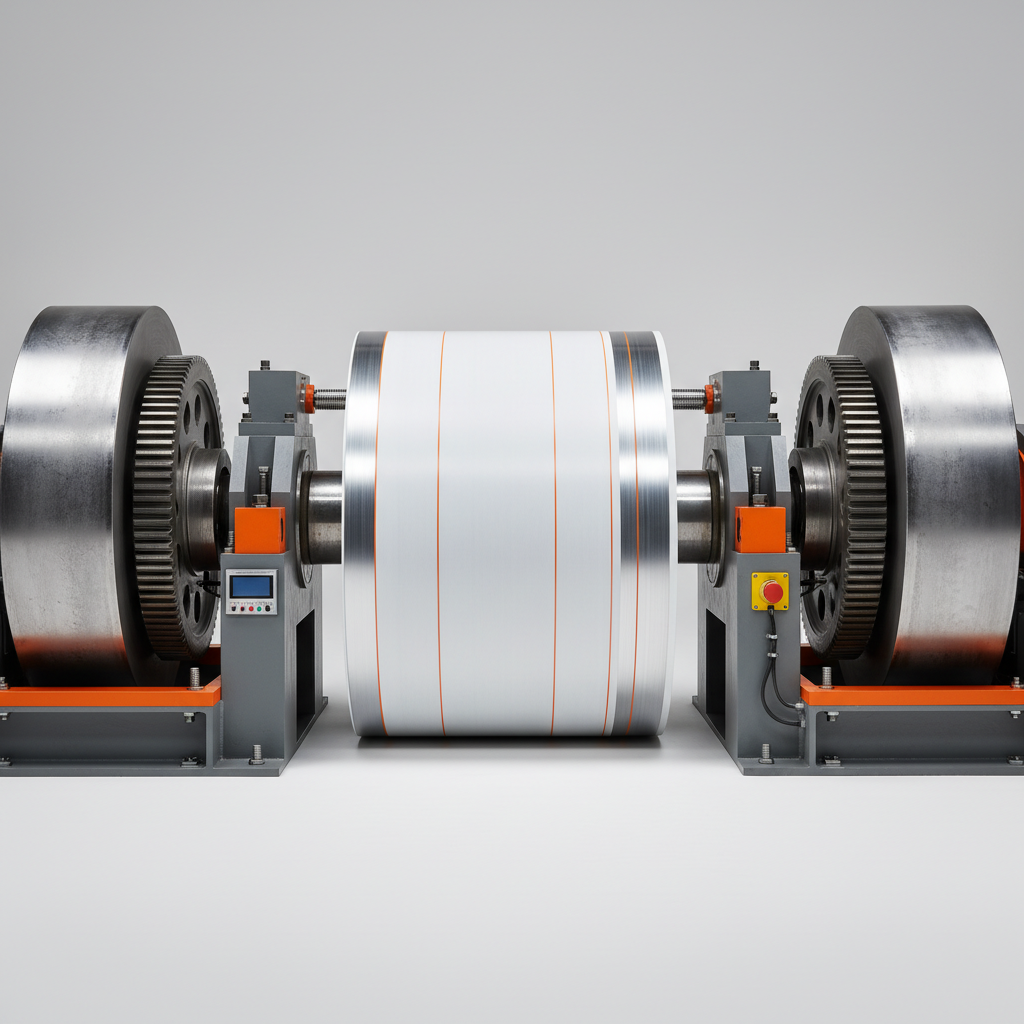
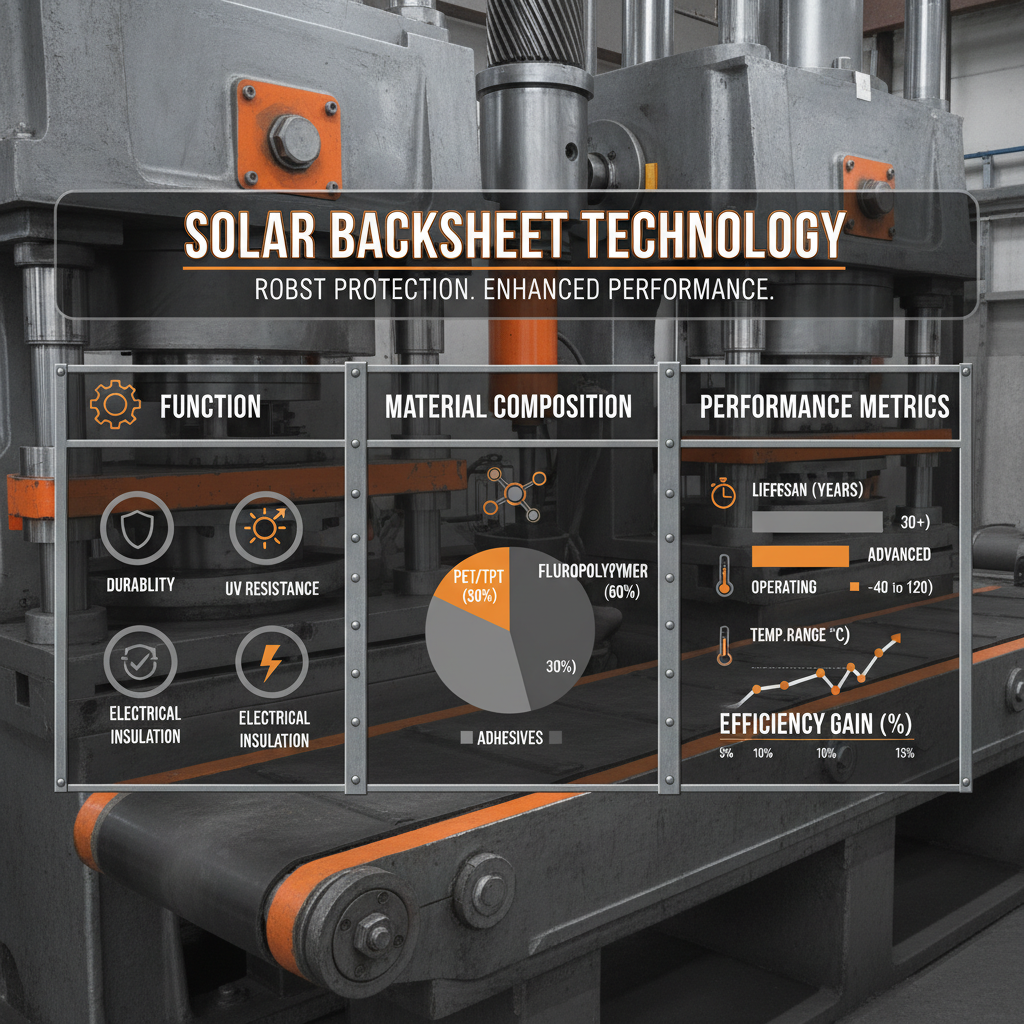
pv backsheet material acts as the outer protective layer in a solar panel, safeguarding the internal components from harsh environmental conditions. Its primary function is to provide electrical insulation, preventing short circuits and ensuring the safe operation of the module. Beyond protection, the backsheet also contributes to the overall mechanical strength and durability of the solar panel, resisting tearing, abrasion, and UV degradation.

Modern backsheet materials are engineered to optimize light reflection, potentially enhancing the panel’s energy capture. Their selection directly influences the long-term performance, warranty claims, and overall cost-effectiveness of solar energy systems. Understanding the different types of backsheet materials, their properties, and their limitations is critical for informed decision-making in the solar industry.

Global Relevance and Challenges

The global demand for renewable energy is surging, with solar power leading the charge. According to the International Renewable Energy Agency (IRENA), solar PV capacity has seen exponential growth, exceeding 1 terawatt globally in 2022. This growth is fueled by declining costs, increasing efficiency, and growing awareness of the environmental impact of fossil fuels. pv backsheet material plays a crucial, though often unseen, role in this expansion.

However, the rapid growth presents challenges. One key issue is the reliability of backsheet materials. Early generation backsheets experienced issues with degradation and delamination, leading to costly warranty claims and reduced panel lifespan. Furthermore, the environmental impact of backsheet production and disposal is becoming a growing concern, prompting the need for more sustainable materials and manufacturing processes.

The ISO standards for solar panels, specifically IEC 61215 and IEC 61730, dictate rigorous testing requirements for backsheet materials. Meeting these standards is crucial for ensuring product quality and preventing failures in the field, but ongoing research is needed to address emerging challenges like extreme weather events and the long-term effects of UV exposure.

Defining pv backsheet material

pv backsheet material is the outermost layer of a solar panel module, typically a multi-layered film designed to protect the internal components from environmental stressors. It's fundamentally a protective barrier, but its composition and construction are far more complex than a simple plastic sheet. The primary goal is to isolate the solar cells and electrical connections from moisture, UV radiation, temperature swings, and physical damage.

Its connection to modern industry stems from the global shift towards renewable energy. As the demand for solar power increases, the need for reliable and durable components like backsheets becomes paramount. This directly supports humanitarian needs by providing access to clean, affordable electricity in remote or underserved communities, contributing to improved healthcare, education, and economic development.

Traditionally, backsheets were constructed from materials like polyvinyl fluoride (PVF) and polyethylene terephthalate (PET). However, newer materials, such as polypropylene (PP) and composite structures incorporating multiple layers of different polymers, are gaining prominence due to their enhanced performance and durability.

Core Components and Key Factors

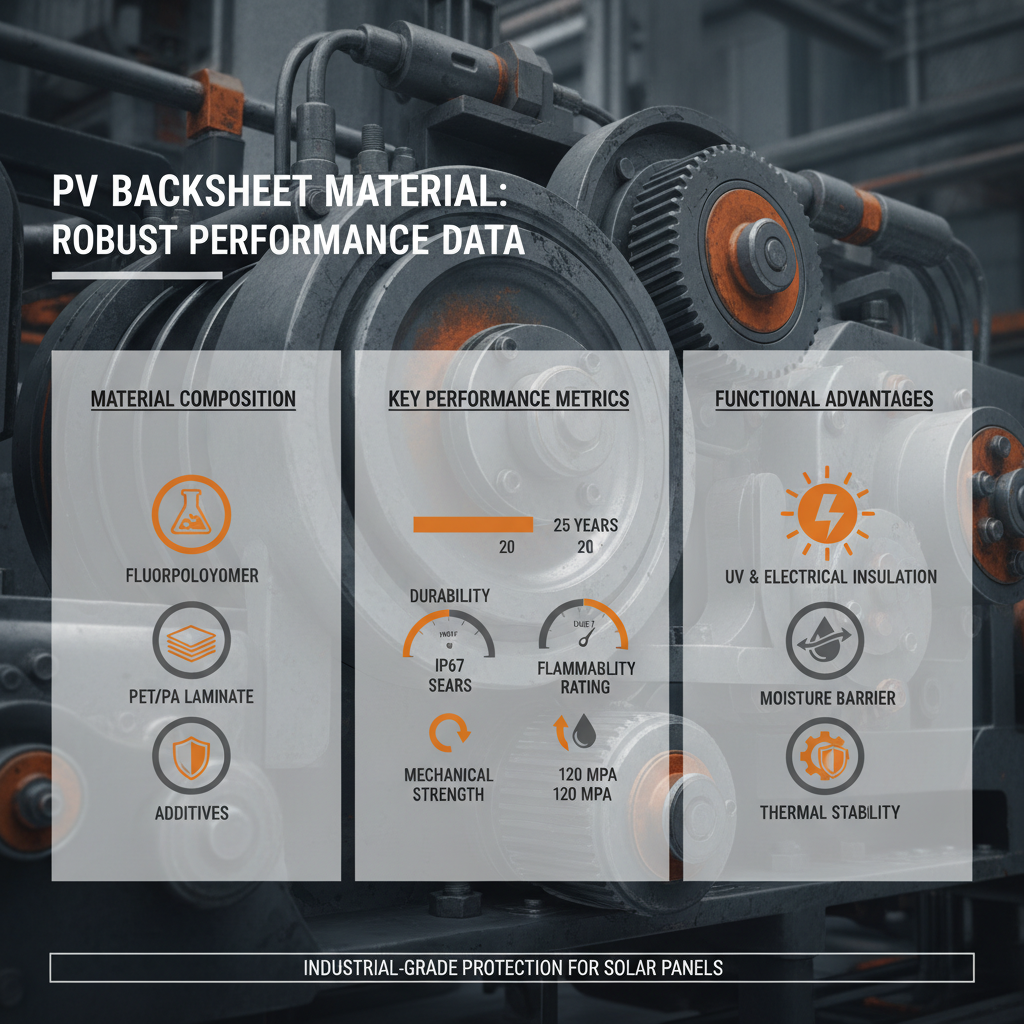
Several key factors dictate the performance and longevity of pv backsheet material. Durability is paramount, referring to the material’s resistance to weathering, UV degradation, and mechanical stress. A durable backsheet prevents moisture ingress and maintains electrical insulation over the panel’s lifespan. Weatherability, related to durability, specifically addresses the resistance to degradation from prolonged exposure to sunlight, rain, hail, and temperature cycles.

Electrical Insulation is crucial for safety and performance. The backsheet must effectively isolate the high-voltage components within the panel to prevent short circuits and ensure safe operation. Moisture Permeability is another vital characteristic. Low moisture permeability prevents water vapor from entering the panel, protecting the cells from corrosion and delamination. Mechanical Strength is also important, providing resistance to tearing, abrasion, and impact damage during handling, installation, and operation. Finally, Cost-Effectiveness plays a vital role, balancing performance with affordability to maximize the return on investment for solar projects.

Performance Comparison of Different pv backsheet material Types


Global Applications and Use Cases

pv backsheet material is utilized in a wide range of solar applications globally. Large-scale solar farms in arid regions like the Mojave Desert in the United States and the Atacama Desert in Chile rely heavily on durable backsheet materials to withstand extreme temperatures and UV exposure. In Europe, rooftop solar installations benefit from backsheets designed to withstand frequent temperature fluctuations and snowfall.

In post-disaster relief operations, portable solar power systems equipped with robust backsheets provide crucial electricity to communities lacking access to the grid. In remote industrial zones, such as mining operations in Australia, solar power systems with reliable backsheets offer a sustainable and cost-effective energy solution. The African continent is seeing a surge in off-grid solar deployments, where the longevity of the backsheet directly impacts the long-term viability of these projects.

Furthermore, the marine industry is increasingly adopting solar power for vessels, requiring backsheet materials with exceptional resistance to salt spray and humidity. The demand for reliable backsheets is also growing in the building-integrated photovoltaics (BIPV) sector, where solar panels are integrated directly into building facades and roofing materials.

Advantages and Long-Term Value

The advantages of employing high-quality pv backsheet material are significant and multifaceted. From a cost perspective, a durable backsheet reduces the likelihood of premature panel failure and costly warranty claims, leading to lower lifecycle costs for solar projects. Sustainability is enhanced through increased panel lifespan and reduced material waste, aligning with circular economy principles.

The societal impact is profound, providing access to clean, reliable energy in underserved communities and contributing to a reduction in greenhouse gas emissions. Reliability is paramount, offering peace of mind to investors and consumers alike, knowing their solar investment will deliver consistent energy production for decades. The selection of quality backsheet material builds trust and confidence in the overall solar energy ecosystem.

Future Trends and Innovations

The future of pv backsheet material is focused on sustainability and performance enhancement. Researchers are actively developing bio-based and recyclable backsheet materials to reduce the environmental footprint of solar panel production and disposal. Advances in nanotechnology are leading to the creation of backsheets with improved UV resistance, moisture barrier properties, and self-healing capabilities.

Digital transformation is also playing a role, with the integration of sensors into backsheets to monitor panel health and detect potential failures in real-time. Automation in manufacturing processes will improve consistency and reduce production costs. The convergence of green energy initiatives, digital technologies, and material science innovations promises to deliver even more efficient, durable, and sustainable pv backsheet materials in the years to come.

Challenges & Solutions

Current challenges in pv backsheet material technology include the potential for degradation over time, particularly in harsh climates. Edge sealing is often a weak point, allowing moisture ingress and leading to corrosion. Additionally, the sourcing of raw materials and the manufacturing processes can have significant environmental impacts.

Solutions involve developing advanced encapsulation techniques, improving edge sealing technologies, and utilizing more sustainable materials. For example, utilizing fluoropolymer-free backsheets minimizes reliance on environmentally harmful chemicals. Investing in robust quality control and accelerated aging tests are crucial for identifying and mitigating potential failure mechanisms.

Expert insights suggest a shift towards multi-layer composite backsheets incorporating different materials to optimize performance and durability, coupled with ongoing research into novel polymer blends and protective coatings. Addressing these challenges will be vital for unlocking the full potential of solar energy and accelerating the transition to a sustainable future.

Frequently Asked Questions about pv backsheet material

Type of Backsheet Weather Resistance Cost (USD/sq. meter) Typical Lifespan (Years)
PVF Excellent $2.50 - $3.50 25-30
PET Good $1.50 - $2.50 20-25
PPE Very Good $2.00 - $3.00 25-30
PP Good $1.00 - $2.00 20-25
Composite (PET/PP) Excellent $2.50 - $4.00 25-35
TPO Very Good $2.00 - $3.50 25-30

FAQS

What are the main differences between PVF and PET backsheets?

PVF (Polyvinyl Fluoride) offers superior weather resistance and longevity, making it ideal for harsh climates. However, it's typically more expensive than PET (Polyethylene Terephthalate). PET is more cost-effective but may exhibit lower resistance to UV degradation and moisture ingress over the long term. The best choice depends on the specific application and budget.

How does the backsheet material affect the panel's warranty?

The backsheet material is a critical factor in panel warranties. Manufacturers often specify the backsheet type and performance criteria in their warranty terms. A higher-quality backsheet usually translates to a longer warranty period and more comprehensive coverage. Degradation of the backsheet is a common cause of warranty claims.

What is the environmental impact of different backsheet materials?

Traditional backsheets like PVF can contain fluorine, which has environmental concerns. Newer materials like PP (Polypropylene) are considered more sustainable. Research is ongoing to develop fully recyclable backsheet materials and reduce the carbon footprint of their production. Choosing eco-friendly options is becoming increasingly important.

How important is moisture permeability in a backsheet?

Moisture permeability is extremely important. Water ingress can lead to corrosion of the solar cells and electrical connections, significantly reducing panel performance and lifespan. A low moisture permeability rating ensures the backsheet effectively protects the internal components from humidity and rainfall.

What are composite backsheets and what advantages do they offer?

Composite backsheets combine multiple layers of different materials, such as PET and PP, to leverage the strengths of each. This approach can result in enhanced durability, improved moisture resistance, and better overall performance compared to single-layer backsheets. They often provide a balance between cost and performance.

How can I tell if a backsheet is starting to degrade?

Signs of backsheet degradation include discoloration, cracking, delamination (separation of layers), and blistering. Regular visual inspections can help identify potential problems. Performance monitoring, such as measuring panel output, can also indicate backsheet-related issues. Early detection can prevent more serious failures.

Conclusion

In conclusion, pv backsheet material is an indispensable component of modern solar technology, directly impacting the performance, longevity, and reliability of solar energy systems. Understanding its properties, the challenges it faces, and the innovative solutions being developed is crucial for all stakeholders in the renewable energy sector. Investing in high-quality backsheet materials is an investment in a sustainable future, ensuring a consistent and reliable source of clean energy for generations to come.

Looking ahead, continued research and development are essential to drive innovation in backsheet technology. Focusing on sustainable materials, improved manufacturing processes, and enhanced performance characteristics will be key to unlocking the full potential of solar energy and accelerating the transition to a cleaner, more sustainable energy landscape. Visit our website at www.lkintl.com to learn more about our advanced pv backsheet material solutions.
Michael Thompson

Michael Thompson

Michael Thompson is a Senior Research Scientist at Lucky Group, focusing on the development of advanced materials for medical imaging and new energy applications. He joined the company in 2015, bringing with him a PhD in Materials Science from MIT. Michael’s research focuses on improving the performance and sustainability of
Previous Exploring the Diverse Types of Solar Backsheet for Enhanced Panel Performance
Next Discover the Best Photo Paper to Buy for Vibrant and Lasting Prints

If you are interested in our products, you can choose to leave your information here, and we will be in touch with you shortly.


caozhiqiang@lkintl.com +86 312 7922835 f_btn4