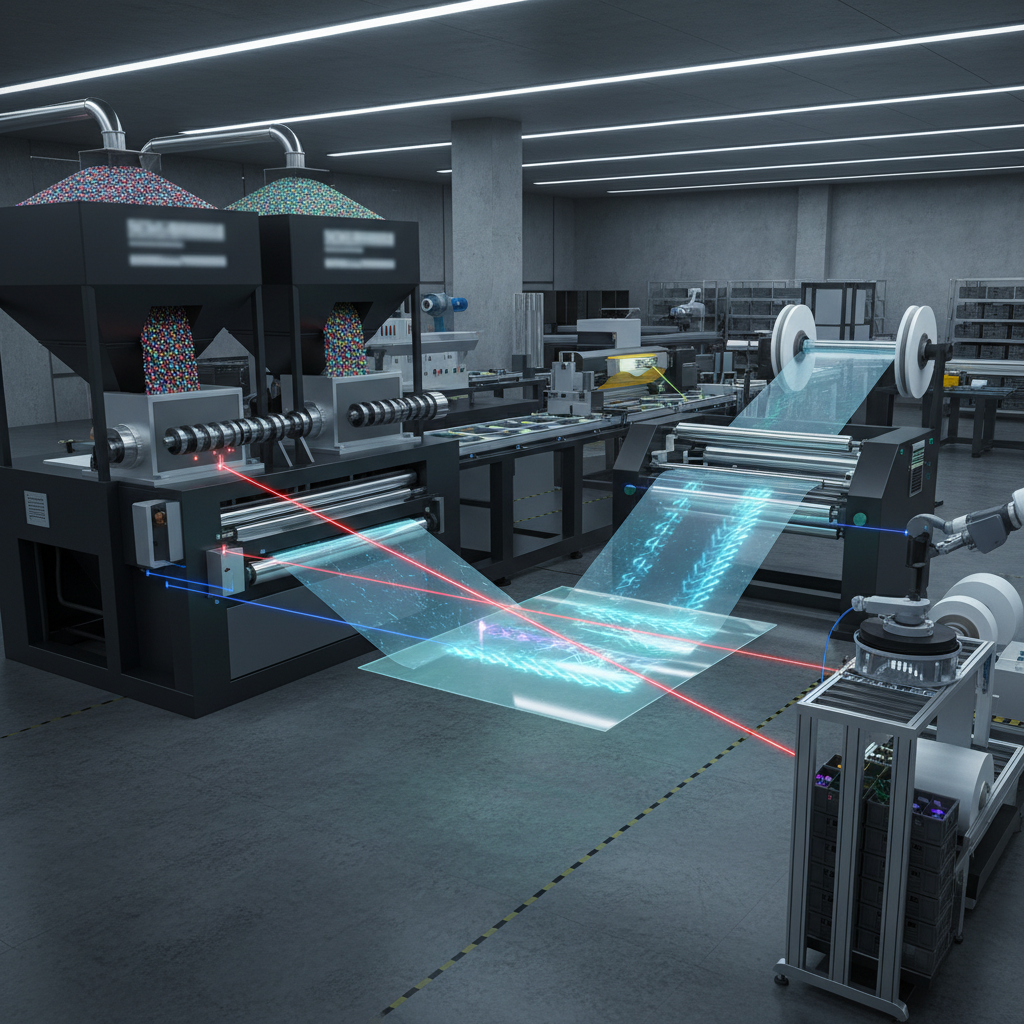
Solar backsheets are a critical, yet often overlooked, component of photovoltaic (PV) modules – commonly known as solar panels. These protective layers are essential for ensuring the long-term performance and reliability of solar energy systems, shielding the delicate solar cells from harsh environmental factors. Their significance extends far beyond just protecting the investment in solar technology, contributing directly to the global transition toward sustainable energy sources.
The demand for high-performance solar backsheets is driven by the exponential growth of the solar energy sector worldwide. According to the International Renewable Energy Agency (IRENA), global installed solar PV capacity reached over 1 TW in 2022, a testament to the accelerating adoption of solar power. This growth presents challenges in maintaining quality and durability, as failures in backsheets can lead to significant power loss and premature module degradation. Addressing these challenges is crucial for maximizing the return on investment for solar projects and fostering continued confidence in the technology.
Understanding the intricacies of solar backsheets – their materials, construction, and performance characteristics – is paramount for stakeholders across the solar value chain, from manufacturers and installers to project developers and end-users. Investing in quality solar backsheets directly translates to a more sustainable and cost-effective energy future.
Introduction to Solar Backsheets
Solar backsheets are the final protective layer on the rear side of a solar panel, encapsulating the solar cells and preventing moisture ingress, UV degradation, and mechanical stress. They act as a vital barrier against environmental elements, ensuring the longevity and optimal performance of the module. Without robust solar backsheets, the efficiency and lifespan of a solar panel would be severely compromised.
The evolution of solar backsheet technology has mirrored the advancements in solar cell efficiency and module design. Initially, simple polymeric films were used, but modern backsheets employ multi-layer structures incorporating materials like fluoropolymers, polyesters, and polyamides, each contributing to specific performance characteristics. Continuous innovation in this field is essential for supporting the growing demand for more durable, reliable, and cost-effective solar energy solutions.
Defining Solar Backsheets
A solar backsheet, in its simplest form, is a laminate that forms the outermost layer on the back of a solar panel. It's a multi-layered structure designed to provide electrical insulation, mechanical protection, and resistance to environmental degradation. Crucially, it’s not just about weatherproofing; it’s about maintaining the electrical integrity of the module for decades.
The connection to modern industry and humanitarian needs is direct. As the world strives for decarbonization, the demand for reliable and efficient solar energy continues to surge. Solar backsheets are fundamental to realizing this goal. They contribute to reducing reliance on fossil fuels, mitigating climate change, and providing access to clean energy in remote and underserved communities. Solar backsheets are a vital enabler of sustainable development.
Furthermore, solar backsheets play a role in enhancing the safety of solar installations. By preventing electrical leakage and protecting against physical damage, they contribute to a safer operating environment for installers, maintenance personnel, and end-users.
Key Factors of Solar Backsheets
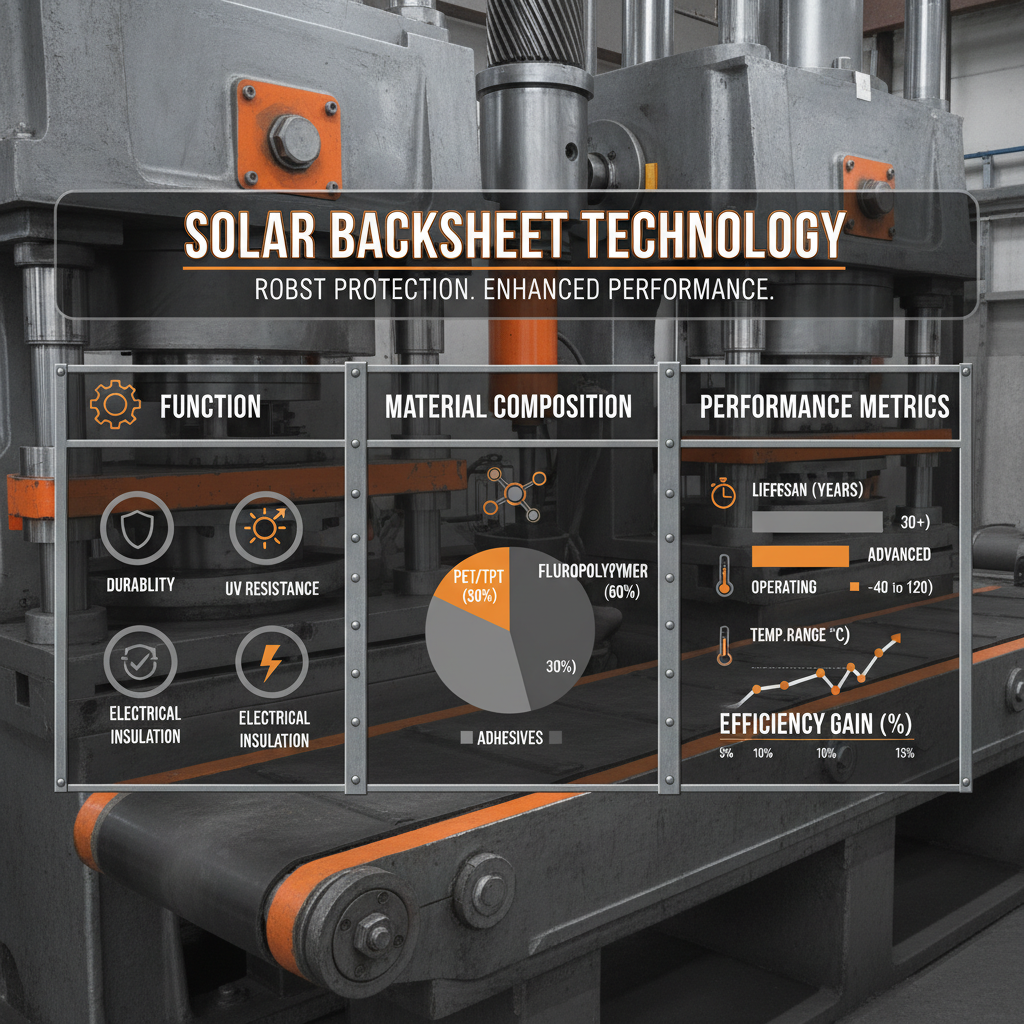
Durability: The ability of a solar backsheet to withstand harsh environmental conditions – including UV radiation, extreme temperatures, humidity, and mechanical stress – is paramount. High-quality backsheets exhibit excellent resistance to cracking, delamination, and discoloration, ensuring long-term performance.
Electrical Insulation: Maintaining robust electrical insulation is critical for preventing short circuits and ensuring the safety of solar installations. The backsheet must effectively isolate the solar cells from the conductive frame and surrounding environment. Solar backsheets with high dielectric strength are essential.
Moisture Barrier: Preventing moisture ingress is vital for protecting the solar cells from corrosion and degradation. Backsheets act as a primary barrier against water vapor, ensuring the long-term reliability of the module. Permeation rates need to be exceptionally low.
UV Resistance: Prolonged exposure to ultraviolet (UV) radiation can cause significant damage to polymeric materials. Backsheets must be formulated with UV stabilizers to prevent discoloration, cracking, and loss of mechanical properties.
Reflectivity: Some backsheets are designed with reflective properties to enhance light capture and improve module efficiency. By reflecting light back onto the solar cells, they can contribute to increased power output.
Mechanical Strength: Resistance to physical damage, such as impacts and abrasion, is crucial for ensuring the long-term durability of the module. A robust backsheet protects the delicate solar cells from potential harm.
Global Applications and Use Cases
Solar backsheets are integral to all types of solar panel installations, ranging from residential rooftop systems to large-scale utility-scale solar farms. In regions with high solar irradiance, such as the southwestern United States, the Middle East, and Australia, durable and high-performing solar backsheets are particularly critical due to the intense UV exposure and temperature fluctuations.
They are also vital in challenging environments, such as marine applications and areas prone to extreme weather events. For example, solar backsheets are used extensively in off-grid solar systems providing power to remote communities in developing countries, where reliability is paramount. In post-disaster relief operations, portable solar generators utilizing durable backsheets provide essential power for communication and emergency services.
Furthermore, solar backsheets are playing an increasingly important role in building-integrated photovoltaics (BIPV), where solar panels are incorporated directly into the building envelope. These applications demand aesthetically pleasing backsheets with excellent weathering resistance and long-term durability. In remote industrial zones, like mining operations, solar backsheets facilitate robust off-grid power solutions.
Solar Backsheet Performance Comparison
Advantages and Long-Term Value
The advantages of investing in high-quality solar backsheets are multi-faceted. From a cost perspective, a durable backsheet minimizes the risk of premature module failure, reducing the need for costly replacements and maintenance. This translates to a lower levelized cost of energy (LCOE) for solar projects. The inherent sustainability of solar energy is amplified by the longevity provided by superior backsheet materials.
Beyond the economic benefits, employing robust solar backsheets fosters environmental responsibility. Reducing waste from failing modules aligns with circular economy principles. Socially, access to reliable, affordable solar power enhances quality of life, empowers communities, and contributes to global energy equity. The psychological benefit of dependable power – the assurance of lighting, heating, and communication – is often underestimated.
Ultimately, choosing high-performance backsheets builds trust and confidence in solar technology. This trust is essential for accelerating the adoption of solar energy and achieving a sustainable energy future. The long-term value lies not only in the financial returns but also in the positive impact on the planet and its people.
Future Trends and Innovations
The future of solar backsheet technology is focused on enhancing performance, reducing costs, and improving sustainability. Emerging trends include the development of backsheets incorporating bio-based and recycled materials, reducing the carbon footprint of solar panel manufacturing. The integration of advanced materials, such as graphene, is being explored to enhance electrical conductivity and mechanical strength.
Another key area of innovation is the development of self-healing backsheets, which can automatically repair minor damage, extending the lifespan of the module. Digital transformation is also playing a role, with the use of advanced testing and monitoring techniques to ensure the quality and reliability of backsheets throughout their lifecycle.
Challenges and Solutions
One of the primary challenges facing the solar backsheet industry is the risk of Potential Induced Degradation (PID), a phenomenon that can lead to significant power loss in solar modules. This is often linked to moisture ingress and defects in the backsheet material. Another challenge is ensuring consistent quality control across different manufacturers and supply chains.
Solutions include the development of PID-resistant backsheet materials, improved encapsulation techniques, and the implementation of rigorous testing protocols. Advancements in manufacturing processes, such as automated optical inspection, are also helping to improve quality control. Solar backsheets manufacturers are increasingly focusing on research and development to address these challenges and deliver more reliable and durable products.
Finally, promoting standardization and certification of backsheet materials is crucial for ensuring transparency and accountability within the industry. This will help to build trust among stakeholders and accelerate the adoption of high-quality solar backsheets.
Summary of Solar Backsheet Performance Characteristics
| Backsheet Material |
UV Resistance (1-10) |
Moisture Permeation Rate (g/m²/day) |
Mechanical Strength (Tensile Strength MPa) |
| Polyester (PET) |
6 |
2.5 |
80 |
| Polyamide (PA) |
7 |
1.8 |
120 |
| Fluoropolymer (PVDF) |
9 |
0.5 |
150 |
| Composite (PET/PA) |
8 |
1.2 |
100 |
| Composite (PVDF/PET) |
9.5 |
0.3 |
130 |
| Advanced Composite (Bio-based) |
7.5 |
1.5 |
90 |
FAQS
The typical lifespan of solar backsheets is designed to match the warranty period of the solar panel, generally ranging from 25 to 30 years. However, the actual lifespan can vary depending on the material, manufacturing quality, and environmental conditions. High-quality fluoropolymer backsheets often exceed this lifespan, providing extended protection and performance. Regular inspection and maintenance can also help to prolong the life of the backsheet.
UV resistance is critically important for solar backsheets. Prolonged exposure to ultraviolet (UV) radiation can cause polymers to degrade, leading to cracking, discoloration, and loss of mechanical strength. This degradation reduces the backsheet’s effectiveness as a barrier against moisture and environmental elements, ultimately compromising the performance and lifespan of the solar module. High-quality backsheets incorporate UV stabilizers to mitigate these effects.
Common causes of solar backsheet failure include UV degradation, moisture ingress, thermal cycling, and mechanical stress. Delamination (separation of layers) can also occur due to poor adhesion or material incompatibility. PID (Potential Induced Degradation) is another significant issue, often linked to moisture and electrical potential differences. Manufacturing defects and improper installation can also contribute to premature failure.
Yes, there's growing interest in eco-friendly alternatives to traditional solar backsheets. These include backsheets made with bio-based polymers derived from renewable resources, as well as those incorporating recycled materials. While these options may not yet match the performance characteristics of fluoropolymers in all aspects, advancements are continuously being made to improve their durability and cost-effectiveness. These initiatives align with the growing demand for sustainable energy solutions.
Signs of solar backsheet failure include discoloration, cracking, blistering, or delamination. A visual inspection can often reveal these issues. Reduced power output from the solar panel can also be an indicator. Professional solar panel inspection services utilize specialized equipment, such as electroluminescence imaging, to detect subtle defects that may not be visible to the naked eye. Early detection is crucial for preventing further damage.
Certain solar backsheets are designed with reflective properties to enhance light capture and improve overall panel efficiency. These reflective backsheets bounce light that passes through the solar cells back onto them, giving them a second chance to generate electricity. This is especially beneficial in situations where some light is not absorbed during the first pass. While reflectivity is a contributing factor, it's typically a smaller effect compared to the primary functions of protection and insulation.
Conclusion
In conclusion, solar backsheets are indispensable components of photovoltaic systems, providing critical protection, electrical insulation, and long-term durability. Their performance directly impacts the efficiency, reliability, and lifespan of solar panels, ultimately contributing to the broader goals of sustainable energy production and climate change mitigation. Continuous innovation in materials science and manufacturing processes is driving improvements in backsheet technology, addressing challenges such as PID and UV degradation.
Looking ahead, the future of solar backsheets lies in developing more sustainable, cost-effective, and high-performing solutions. Embracing eco-friendly materials, advanced testing protocols, and standardization initiatives will be crucial for accelerating the adoption of solar energy and ensuring a brighter, cleaner energy future. Visit our website at www.lkintl.com to learn more about our high-quality solar backsheet solutions and how we can support your solar energy projects.