Solar back sheet manufacturers are the unsung heroes of the renewable energy revolution. They're not the shiny panels everyone sees, but they’re absolutely critical for long-term reliability and performance. I've spent years on solar farms, seen installations in blistering heat and freezing cold, and trust me, a compromised back sheet is a costly headache nobody wants. It’s not just about manufacturing; it’s about understanding how these materials behave in real-world conditions, and that’s where experienced manufacturers truly stand out.
The demand for reliable solar energy is skyrocketing, driven by global climate goals and decreasing costs. This means a massive increase in the need for high-quality back sheets. We're seeing projects scaling up dramatically – utility-scale farms covering square miles – and the longevity of these installations hinges on the materials used. Poor quality back sheets lead to degradation, power loss, and ultimately, expensive repairs or replacements.
From a practical standpoint, working with installers and engineers, the biggest pain point is consistency. You need back sheets that perform predictably, batch after batch. Variations can throw off entire production schedules and impact the overall efficiency of the solar farm. This isn't just a technical issue; it impacts project budgets and timelines. That’s why understanding the manufacturing process and the quality control measures of solar back sheet manufacturers is so crucial.
The Importance of Solar Back Sheet Manufacturers
Look, the solar panel is what generates the electricity, but the back sheet is what protects it from the elements. I’ve pulled apart failed panels – and a lot of the time, the back sheet is the culprit. Moisture ingress, UV degradation, thermal stress...these all start with a compromised back sheet. Selecting the right solar back sheet manufacturers isn't just about cost; it’s about minimizing risk and maximizing the lifespan of a multi-million dollar investment.
From my experience on site, I've noticed the difference between manufacturers who truly understand material science versus those just churning out product. It’s about the coatings, the layers, the adhesion properties – all the small details that add up to a robust, durable back sheet that can handle decades of exposure.
Global Context and Industry Challenges
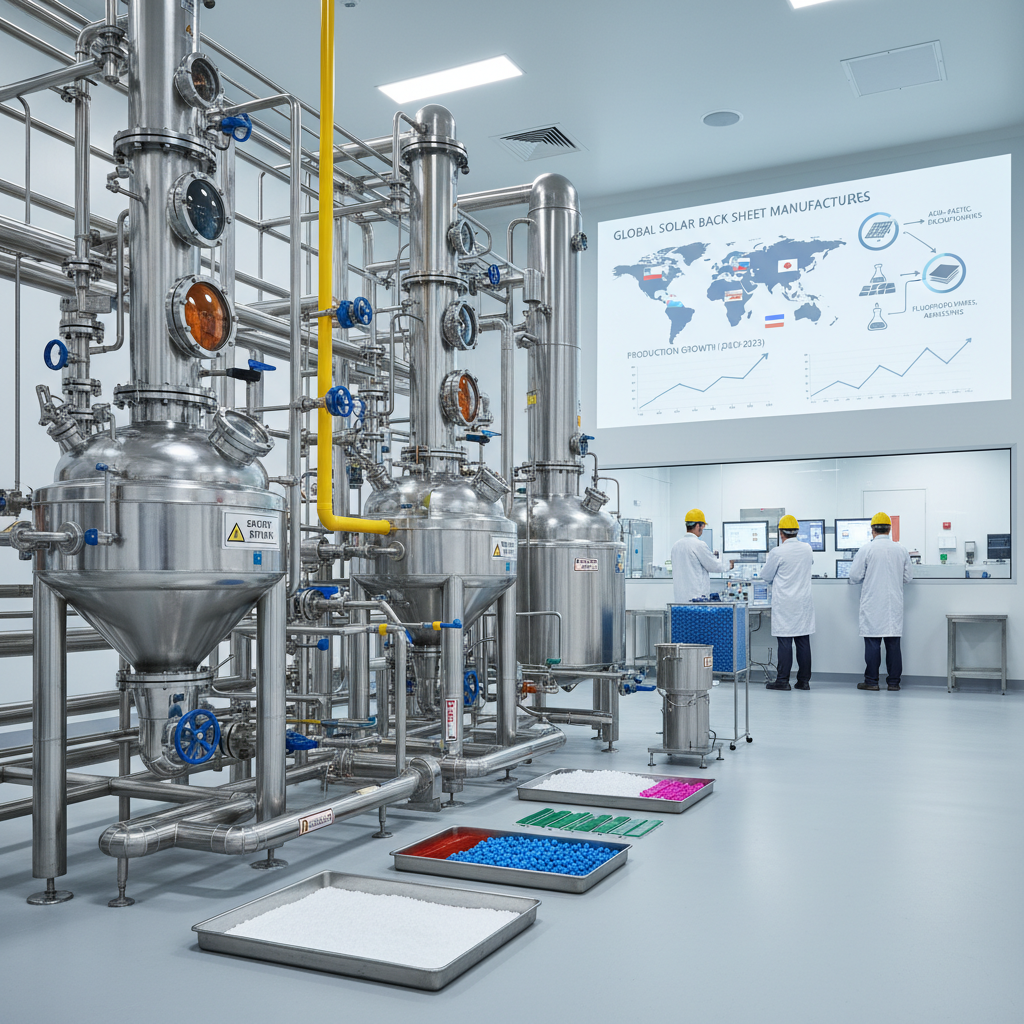
The global solar market is booming. Reports from the International Renewable Energy Agency (IRENA) show exponential growth in installed capacity, and that trend is only going to continue. This puts enormous pressure on the entire supply chain, including solar back sheet manufacturers, to scale up production while maintaining quality. It's a tricky balance.
One of the biggest challenges is the competition from lower-cost manufacturers who cut corners on materials and quality control. We’re seeing a flood of cheaper back sheets entering the market, and while they might seem attractive upfront, they almost always lead to problems down the line. This creates a race to the bottom that threatens the long-term sustainability of the industry.
Another issue is the evolving demands of solar panel technology. Newer panels are becoming more efficient and require back sheets with even higher performance characteristics. Manufacturers have to constantly innovate and adapt to meet these changing needs, and that requires significant investment in research and development.
Defining Solar Back Sheet Manufacturers
Simply put, solar back sheet manufacturers are companies that produce the protective layer applied to the rear of solar panels. It’s a multi-layered laminate, typically composed of polymers, that provides insulation, moisture protection, and mechanical support. But it's more than just a layer – it's a critical component engineered to withstand harsh environmental conditions.
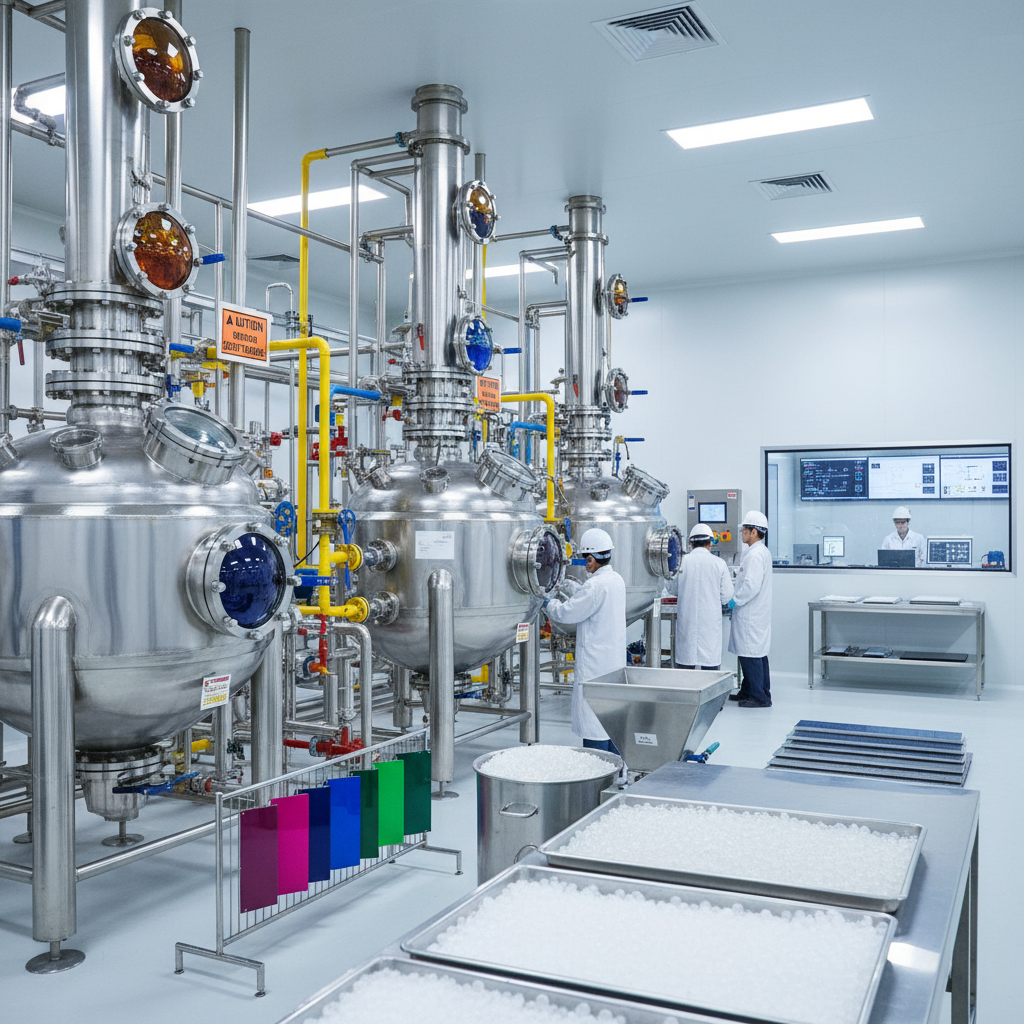
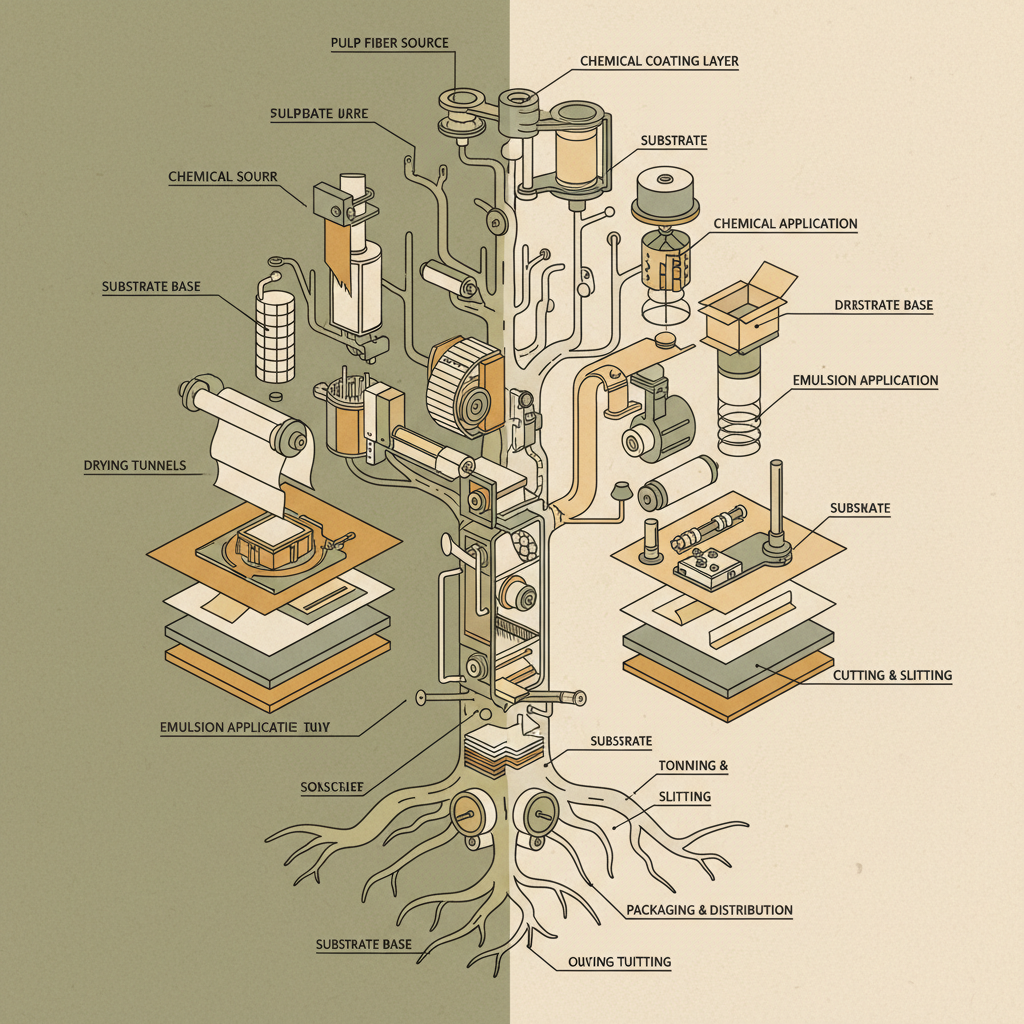
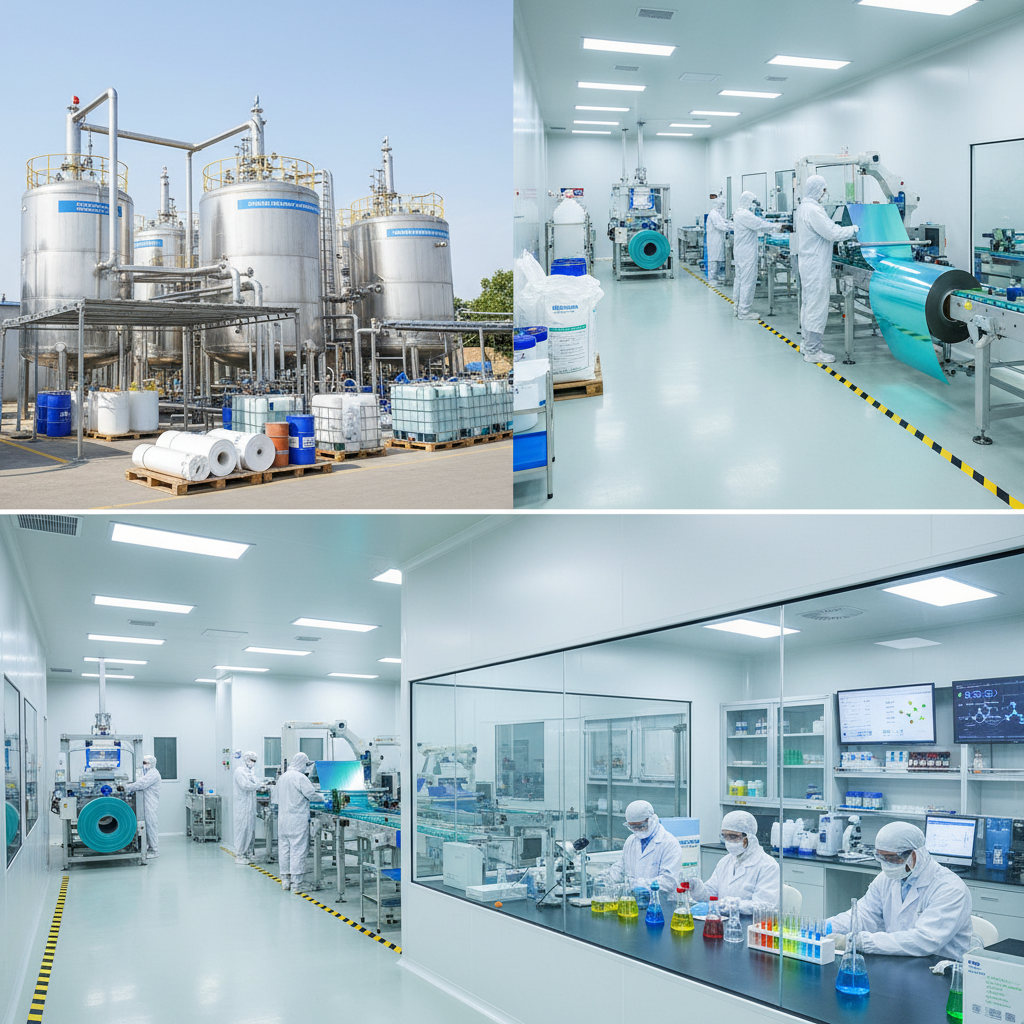
What people often don’t realize is the complexity of the manufacturing process. It’s not like slapping a sticker on the back of a panel. It involves precise extrusion, coating, lamination, and rigorous quality control testing. Solar back sheet manufacturers that excel in these areas are the ones you want to partner with.
This isn’t just about the renewable energy sector; it's about building resilient infrastructure. Reliable solar power is becoming increasingly vital for energy security, disaster relief, and powering remote communities. The back sheet plays a silent, but essential, role in all of that.
Key Performance Factors
Durability is paramount. I'm talking about resistance to UV radiation, temperature cycling, humidity, abrasion, and even hail. A back sheet that cracks or delaminates compromises the entire panel. Scalability is also key – can the manufacturer meet increasing demand without sacrificing quality? Cost-efficiency matters, but not at the expense of performance.
Another critical factor is electrical insulation. The back sheet needs to prevent electrical leakage and ensure the safe operation of the panel. Adhesion strength is also crucial; the back sheet needs to bond securely to the other layers of the panel to prevent moisture ingress.
Back Sheet Performance Comparison
Real-World Applications
You’ll find back sheets on everything from residential rooftop systems to massive utility-scale solar farms. They’re used in harsh desert environments, humid coastal regions, and freezing mountain areas. The applications are incredibly diverse.
In post-disaster relief operations, where rapid deployment of solar power is critical, the reliability of the back sheet is even more important. You need a system that can withstand rough handling and extreme weather conditions. Similarly, in remote industrial zones – mining operations, oil rigs – where power supply is limited, durable solar systems are essential.
Long-Term Benefits and Value Proposition
The tangible benefits are clear: reduced maintenance costs, increased energy yield, and a longer lifespan for the solar installation. But it goes beyond that. Investing in high-quality back sheets from reputable solar back sheet manufacturers also builds trust with your customers and stakeholders.
There's a certain peace of mind that comes with knowing you’ve used the best materials available. It’s about demonstrating a commitment to sustainability, innovation, and long-term value. And, frankly, it avoids the headaches and costs associated with dealing with failed components down the road.
Future Trends and Innovations
We’re seeing a lot of research and development focused on new materials and coatings for back sheets. Things like advanced fluoropolymers and improved barrier layers are showing promise in terms of increased durability and performance. There's also a push towards more sustainable materials – bio-based polymers and recyclable options.
Digitalization is playing a role too. Manufacturers are using advanced sensors and data analytics to monitor the production process and ensure consistent quality. Automation is also helping to reduce costs and improve efficiency. The future of solar back sheet manufacturers will be driven by innovation and a commitment to sustainability.
We’re also likely to see more integration with smart grid technologies, enabling better monitoring and control of solar power systems. This will require back sheets that can withstand more complex operating conditions and provide even greater reliability.
Challenges and Solutions Related to Back Sheet Performance
| Challenge Area |
Severity of Impact |
Potential Solution |
Implementation Cost (1-10) |
| UV Degradation |
High |
Advanced UV-resistant coatings |
7 |
| Moisture Ingress |
Critical |
Improved edge sealing and barrier layers |
8 |
| Thermal Stress |
Medium |
Materials with lower thermal expansion coefficients |
6 |
| Delamination |
High |
Enhanced adhesion promoters |
9 |
| Manufacturing Defects |
Medium |
Automated inspection systems |
5 |
| Supply Chain Disruptions |
High |
Diversifying sourcing and building buffer stocks |
4 |
FAQS
A quality back sheet should last at least 25-30 years, matching the warranty period of most solar panels. However, this depends heavily on the material quality and the environmental conditions the panel is exposed to. Factors like UV radiation, temperature fluctuations, and humidity can accelerate degradation. Regular inspections and choosing a reputable solar back sheet manufacturer are key.
Generally, PET (Polyester) back sheets are the most affordable but offer the lowest durability. TPT (Tedlar-Polyester-Tedlar) provides a good balance of cost and performance. And TPE (Tedlar-Polyester-EVA) and advanced fluoropolymers offer the highest performance but come at a premium price. The ideal choice depends on the specific application and budget.
Look for discoloration, cracking, blistering, or delamination of the back sheet. You might also notice a decrease in the panel’s power output. In severe cases, you could even see moisture ingress, which can cause corrosion and further damage. Early detection is crucial to prevent more extensive problems.
Extremely important. A robust quality control process, including rigorous testing and inspection, is essential to ensure consistent performance and reliability. Look for manufacturers with certifications like ISO 9001 and those that conduct thorough testing to industry standards. Solar back sheet manufacturers who invest in quality control are investing in the long-term success of your project.
Yes, increasingly so. There’s a growing demand for more sustainable materials, such as bio-based polymers and recyclable options. Manufacturers are also working to reduce the environmental impact of their production processes. Consider the lifecycle assessment of the material when making your selection.
Adhesion is critical. The back sheet must bond securely to the other layers of the solar panel to prevent moisture ingress and delamination. Poor adhesion can lead to premature failure and reduced power output. Manufacturers use adhesion promoters and carefully control the lamination process to ensure a strong, durable bond.
Conclusion
In closing, solar back sheet manufacturers are foundational to the success of the renewable energy transition. They provide a critical component that ensures the longevity, reliability, and efficiency of solar power systems. Understanding the key performance factors, the challenges, and the emerging trends is vital for anyone involved in the solar industry.
Investing in high-quality back sheets from reputable manufacturers like LK International isn’t just about saving money in the long run; it's about building a sustainable future. Let's prioritize quality, innovation, and sustainability to unlock the full potential of solar energy and create a cleaner, brighter world.