Photo paper material is a crucial component in the modern imaging world, impacting everything from professional photography and art reproduction to everyday home printing. Its quality directly influences the vibrancy, longevity, and overall aesthetic appeal of printed images. Understanding the nuances of different photo paper materials – their coatings, weights, and finishes – is essential for achieving optimal results and preserving treasured memories. This understanding extends beyond hobbyists, influencing industries reliant on high-quality visual representations, like marketing, design, and archival services.
The global market for photo paper material is substantial and continually evolving. Reports indicate a significant demand driven by both the resurgence of physical photos as keepsakes and the ongoing need for professional-grade printing in commercial sectors. According to industry analysis, the Asia-Pacific region currently represents the largest consumer of photo paper, reflecting its robust manufacturing and consumer electronics industries. However, sustainability concerns are pushing innovation, prompting a search for more environmentally friendly photo paper alternatives.
The increasing reliance on digital imagery has paradoxically fueled the demand for high-quality photo paper material. While digital images are easily shared, the permanence and tactile experience of a printed photograph remain highly valued. This demand presents opportunities for development in specialized photo paper coatings and materials that enhance image fidelity, durability, and resistance to fading, making photo paper material a surprisingly resilient product in a digital age.
Introduction to Photo Paper Material
Photo paper material, at its core, is a specialized substrate designed to accept and retain photographic images with optimal clarity, color accuracy, and permanence. It's far more than just paper; it’s a carefully engineered composite consisting of a base paper, a coating layer (typically containing gelatin or polymers), and often additional layers for enhancing specific properties. The composition of this material dramatically affects the final print quality.
The need for high-quality photo paper material extends beyond artistic and personal applications. Industries such as medical imaging, architectural design, and document archiving rely heavily on photo paper for producing durable, accurate, and legally compliant visual records. As technology advances, so too does the demand for photo paper materials capable of supporting increasingly complex imaging techniques and achieving higher resolutions.
Defining Photo Paper Material
Photo paper material can be defined as a surface specifically engineered to interact with inks or dyes used in photographic printing processes. Unlike standard paper designed for text, photo paper is optimized for the reproduction of continuous-tone images, meaning it’s able to display a wide range of colors and shades with smooth transitions. This is achieved through a combination of the base paper's surface characteristics and the specialized coating applied to it.
Its connection to modern industry is undeniable. The visual communication landscape relies heavily on accurately reproduced images, whether for marketing campaigns, product catalogs, or technical documentation. High-quality photo paper ensures brand consistency and professional presentation. Furthermore, in fields like forensic science and archival preservation, the permanence and reliability of prints on photo paper are critical for maintaining evidentiary integrity.
The material's relevance also extends to humanitarian needs. In disaster relief efforts, quickly printed maps, informational flyers, and identification documents can be crucial. The ability to produce durable, easily distributed visual aids using photo paper material can significantly aid in communication and coordination during emergencies.
Key Components of Photo Paper Material
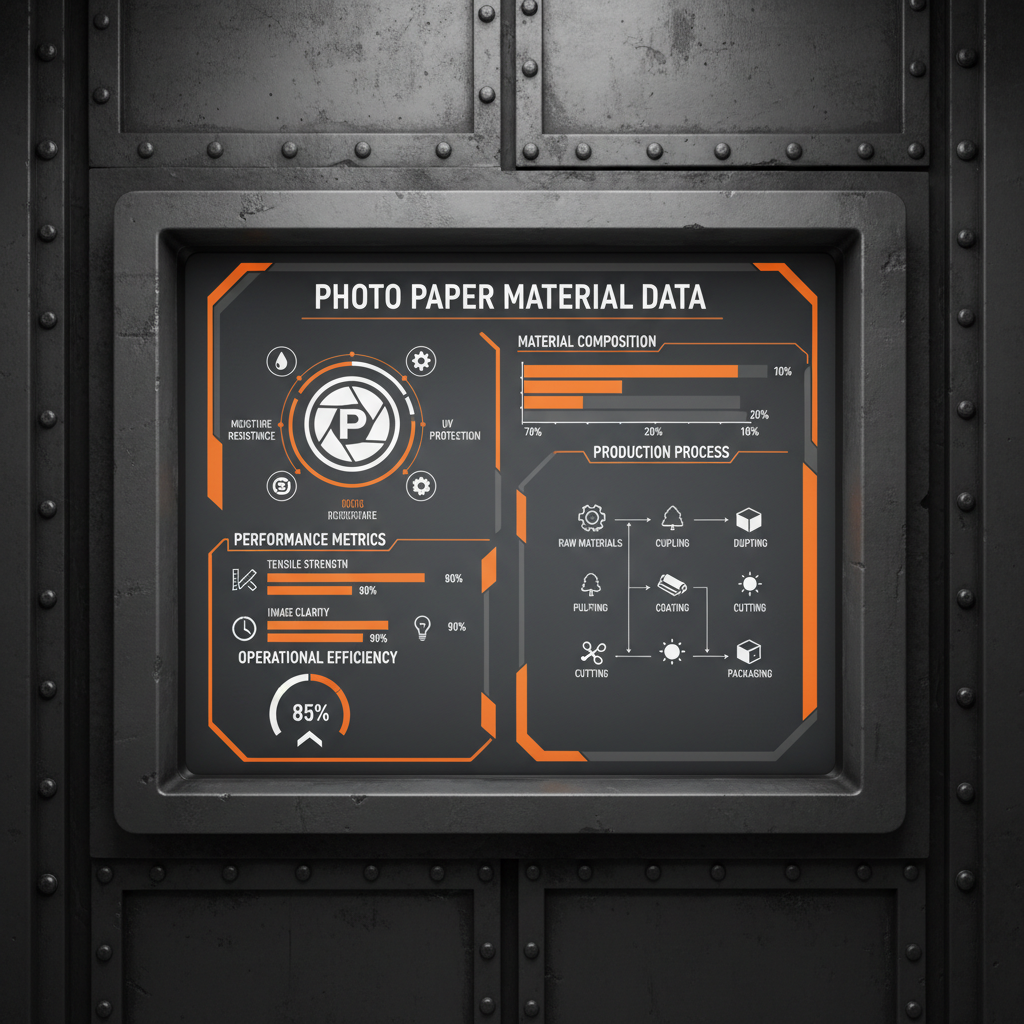
Several key aspects define the quality and performance of photo paper material. Weight (measured in grams per square meter or pounds) influences the paper's feel and durability, with heavier papers generally offering a more premium experience. Brightness affects the vibrancy of colors, with higher brightness levels enhancing image contrast.
Coating is arguably the most critical component, dictating the paper's ability to absorb and hold inks or dyes. Different coatings – such as glossy, matte, satin, and luster – offer varying levels of sheen and impact color saturation. Opacity determines how much light passes through the paper, preventing show-through in double-sided prints.
Finally, acidity plays a crucial role in long-term preservation. Acid-free photo paper material resists yellowing and degradation over time, ensuring images remain vibrant for decades. The interplay of these factors determines the suitability of a particular photo paper for specific applications and desired aesthetic outcomes.
Global Applications of Photo Paper Material
Photo paper material finds extensive application across diverse sectors worldwide. In the realm of professional photography, it remains the preferred medium for creating high-end prints for galleries, exhibitions, and personal portfolios. Architects and designers utilize it for producing detailed renderings and presentation materials.
The marketing and advertising industries rely on photo paper material for creating eye-catching promotional displays, brochures, and point-of-sale materials. In regions like North America and Europe, there is a strong demand for premium photo paper for fine art reproduction and personalized gifts. In Asia, particularly in countries like Japan and South Korea, photo paper is central to the vibrant photo album and photobook industries.
Photo Paper Material Application by Industry
Advantages & Long-Term Value of Photo Paper Material
The advantages of utilizing high-quality photo paper material are multifaceted. Tangibly, it offers superior color reproduction, sharper detail, and increased print longevity compared to standard paper. This translates to cost savings in the long run by reducing the need for reprints due to fading or poor image quality.
Beyond the practical benefits, photo paper material adds a tangible and emotional value to printed images. A professionally printed photograph on quality photo paper is a keepsake that can be cherished for generations, fostering a sense of connection and preserving personal history. The tactile experience of a print offers a different level of engagement than viewing images on a screen.
Future Trends in Photo Paper Material
The future of photo paper material is closely tied to sustainability and technological innovation. We're seeing increasing development in bio-based and recycled photo paper options, addressing growing environmental concerns. Nanotechnology is being explored to create coatings that enhance image durability and color fastness.
Digital watermarking and anti-counterfeiting technologies are also being integrated into photo paper, offering solutions for protecting intellectual property and verifying authenticity. Further, advancements in inkjet technology will likely drive demand for specialized photo paper materials optimized for specific ink formulations and printing techniques.
Challenges & Solutions in Photo Paper Material
One significant challenge facing the photo paper material industry is the cost of raw materials and the energy-intensive production processes. This can lead to higher prices for consumers and limit accessibility in developing regions. Addressing this requires investment in more efficient manufacturing technologies and exploring alternative, sustainably sourced materials.
Another challenge is the competition from digital display technologies. To remain relevant, photo paper material must continue to offer unique value propositions, such as superior image quality, archival stability, and a tangible aesthetic experience. Collaboration between paper manufacturers and printing technology developers is crucial for creating innovative solutions that address these challenges.
A key solution involves embracing circular economy principles, focusing on recycling and reducing waste throughout the photo paper lifecycle. Implementing closed-loop systems where used paper is collected and repurposed can minimize environmental impact and create a more sustainable industry.
Summary of Key Challenges and Potential Solutions for Photo Paper Material
| Challenge |
Impact on Industry |
Potential Solution |
Implementation Cost (1-10) |
| High Raw Material Costs |
Increased product prices, reduced profitability |
Sourcing sustainable alternatives, process optimization |
7 |
| Competition from Digital Displays |
Decreased demand for physical prints |
Focus on unique print qualities (archival, tactile) |
5 |
| Environmental Concerns |
Negative brand perception, regulatory pressure |
Recycled/bio-based materials, reduced waste |
6 |
| Manufacturing Energy Consumption |
High operational costs, carbon footprint |
Energy-efficient processes, renewable energy sources |
8 |
| Counterfeiting and Intellectual Property Theft |
Loss of revenue, damage to brand reputation |
Digital watermarking, secure supply chains |
4 |
| Limited Accessibility in Developing Regions |
Restricted market growth, inequitable access |
Affordable product lines, localized production |
5 |
FAQS
Glossy photo paper provides a vibrant, shiny finish that enhances color saturation and contrast, making images "pop." However, it's prone to fingerprints and glare. Matte photo paper, on the other hand, offers a softer, more subtle look with reduced glare and fingerprint visibility. It’s ideal for images with delicate tones or when a more artistic, less reflective finish is desired. The choice depends on the desired aesthetic and intended use of the print. The coating formulation also differs, influencing how the inks are absorbed and dried.
Archival quality is key to long-lasting prints. Use acid-free photo paper material, combined with pigment-based inks (as opposed to dye-based). Store prints in a cool, dry, dark place, away from direct sunlight and humidity. Consider using archival sleeves or albums specifically designed for photo preservation. Properly stored prints on archival quality materials can last for decades, even centuries, without significant fading or discoloration.
For professional prints, a weight of 200-300gsm (grams per square meter) is generally recommended. Heavier weights offer a more substantial feel and improved durability. 240gsm is a popular choice, providing a good balance between weight, quality, and cost. For very high-end applications, such as fine art reproductions, weights exceeding 300gsm are often preferred. The weight also influences how the paper handles different printing techniques.
Recycled photo paper material has come a long way. Modern manufacturing processes ensure that recycled photo paper can deliver excellent print quality, comparable to virgin paper. However, it's important to choose recycled photo paper specifically designed for photographic printing, as not all recycled papers are suitable. Look for papers with a high percentage of post-consumer waste and certification from reputable organizations. The surface coating is critical in achieving comparable results.
RC (Resin Coated) paper is the most common type, featuring a plastic coating on a paper base. It’s relatively inexpensive, dries quickly, and produces vivid colors. Fiber-based paper uses a traditional gelatin emulsion on a 100% cotton rag base. It’s more expensive, takes longer to dry, but offers superior archival qualities and a more traditional photographic aesthetic. Fiber-based prints are favored by fine art photographers for their depth and longevity.
For black and white prints, consider papers with a neutral tone to avoid unwanted color casts. Matte or baryta papers are excellent choices, offering a beautiful texture and depth. Baryta papers, in particular, are known for their ability to reproduce a wide tonal range and provide excellent archival stability. Avoid papers designed primarily for color prints, as they may introduce a slight warm or cool tone to your black and white images.
Conclusion
In conclusion, photo paper material is a vital component of the imaging process, impacting image quality, longevity, and overall aesthetic appeal. Understanding its various types, key characteristics, and emerging trends is essential for both professional photographers and casual enthusiasts alike. From advancements in sustainable materials to innovative coating technologies, the future of photo paper is bright, offering exciting possibilities for capturing and preserving cherished memories.
As technology continues to evolve, photo paper material will undoubtedly adapt to meet changing demands. Investing in high-quality photo paper, combined with proper printing and storage techniques, remains the best way to ensure that your images endure for generations. To explore a wide range of photo paper material options and find the perfect solution for your needs, visit our website: www.lkintl.com