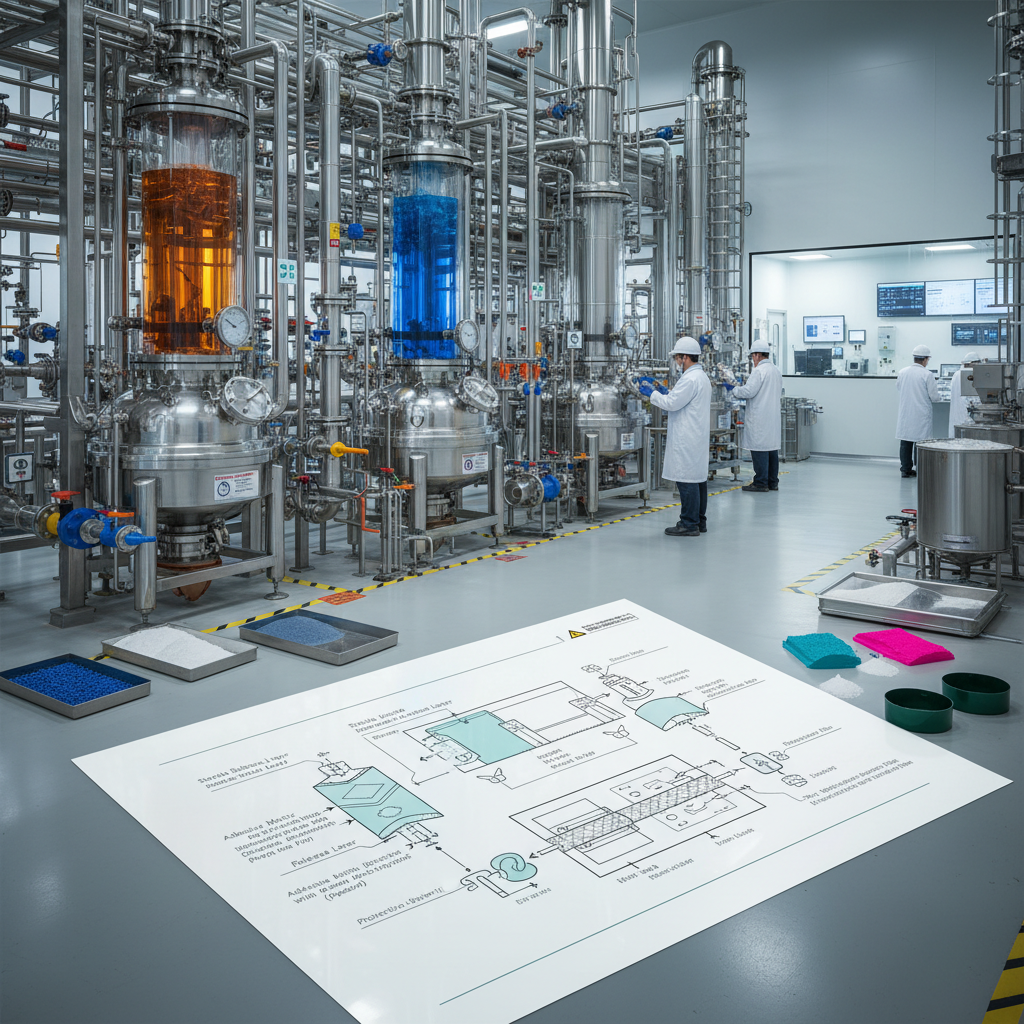
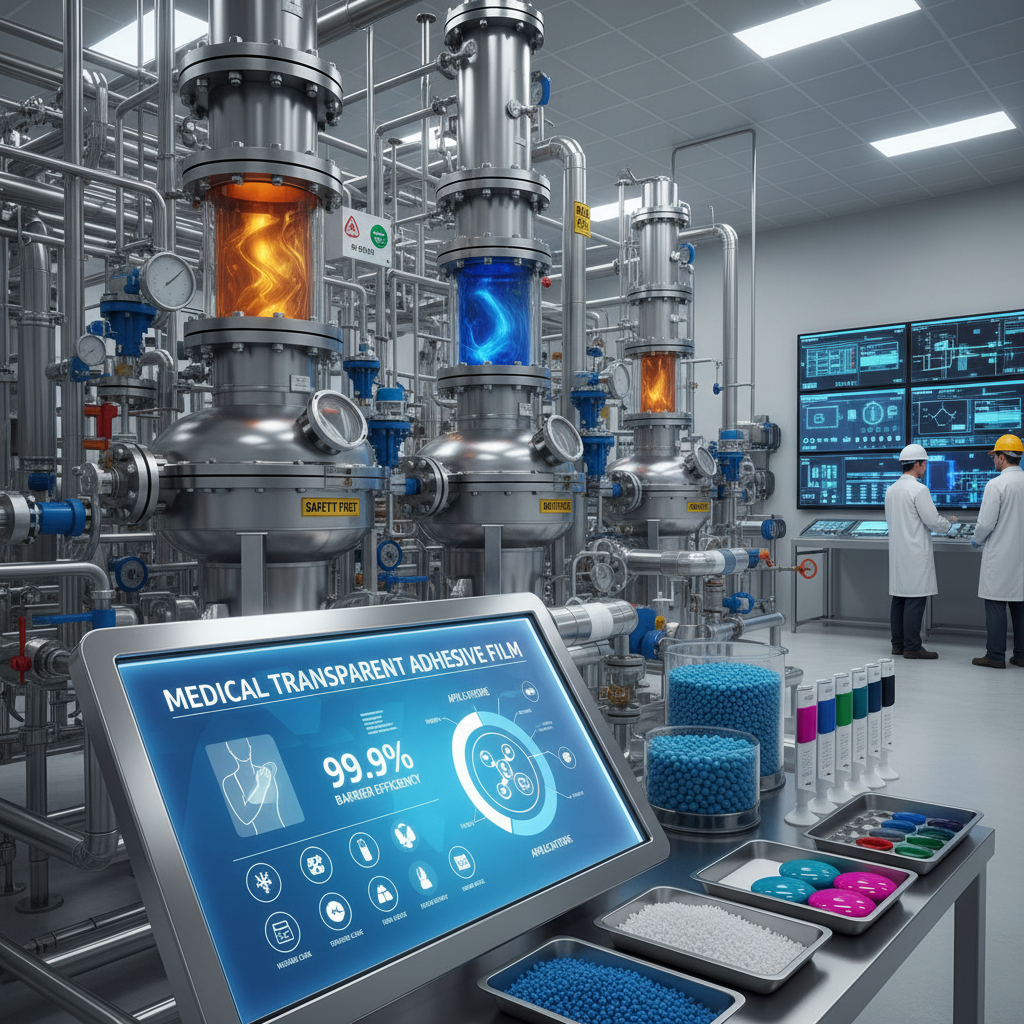
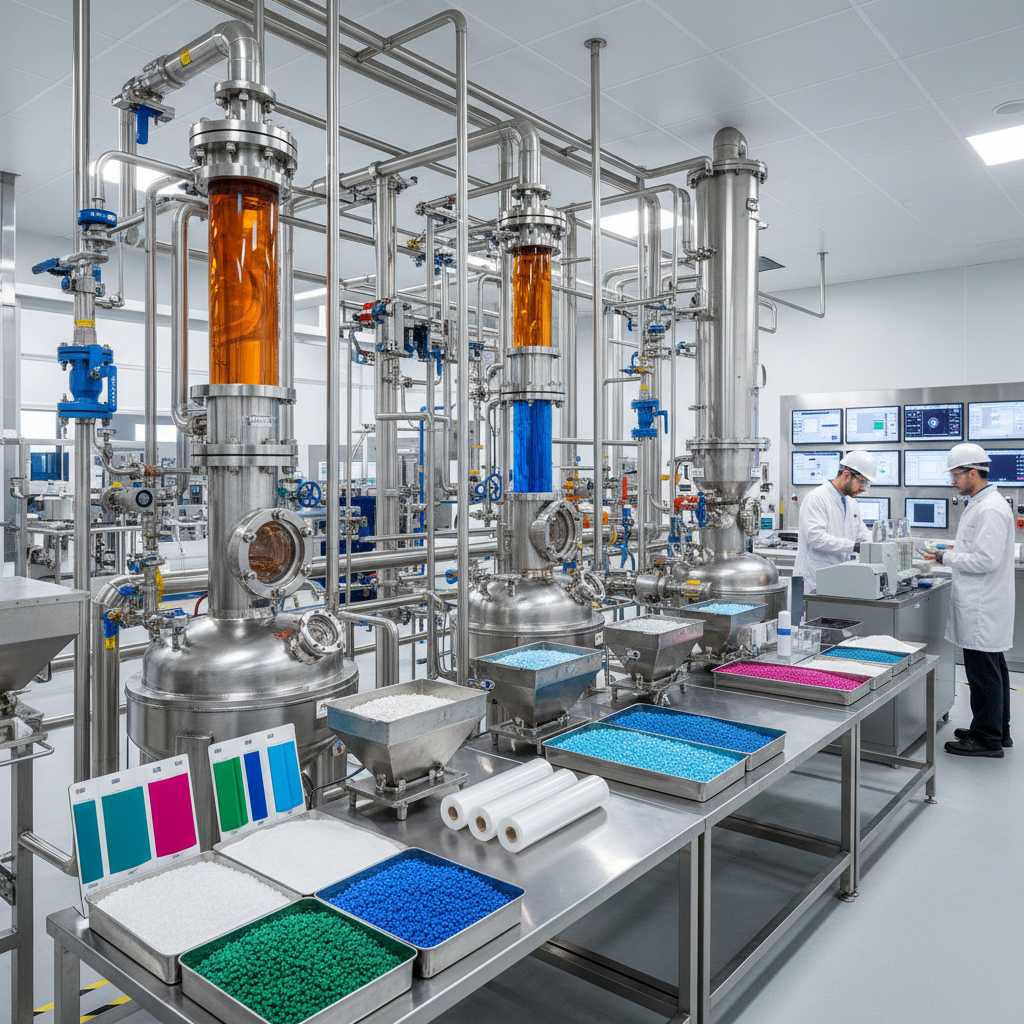
The evolution of wound care and medical device fixation has been significantly advanced by the development of medical transparent adhesive film. This specialized material provides a unique combination of barrier protection and visual monitoring, allowing healthcare providers to observe the healing process without removing the dressing, thereby reducing the risk of secondary infection and patient trauma.
Globally, the demand for high-performance medical adhesives is surging as healthcare systems shift toward minimally invasive procedures and long-term chronic wound management. The ability of a medical transparent adhesive film to maintain a sterile environment while remaining breathable is critical for preventing skin maceration and ensuring the stability of catheters and IV sites.
Understanding the technical nuances of these films—from their polymer composition to their moisture vapor transmission rates (MVTR)—is essential for procurement officers and clinicians alike. By optimizing the selection of these materials, medical facilities can improve patient outcomes, decrease the frequency of dressing changes, and ultimately lower the overall cost of care.
Global Industry Context of Medical Transparent Adhesive Film
The global healthcare landscape is currently facing a dual challenge: an aging population with increasing rates of chronic diseases and a critical need to reduce hospital-acquired infections (HAIs). According to ISO standards and healthcare quality benchmarks, the stabilization of vascular access devices is a primary concern, as accidental dislodgement can lead to severe complications. This is where medical transparent adhesive film becomes an indispensable tool, acting as the first line of defense against external contaminants.
Market data indicates a steady growth in the adoption of advanced polymer films across North America, Europe, and the Asia-Pacific region. The shift toward "smart" hospitals requires materials that are not only biocompatible but also compatible with various skin types and environmental conditions, ensuring that the adhesive maintains its integrity from the moment of application until its scheduled removal.
Defining Medical Transparent Adhesive Film and Its Purpose
At its core, medical transparent adhesive film is a semi-permeable polyurethane or acrylic-based membrane coated with a medical-grade adhesive. Unlike traditional gauze or opaque tapes, these films are engineered to be optically clear, allowing medical staff to monitor the insertion site for signs of phlebitis or infection without disturbing the sterile seal.
The primary purpose of this material is to provide a "second skin" that protects the wound or device from water, bacteria, and viruses while allowing moisture vapor to escape. This critical balance prevents the accumulation of exudate under the film, which would otherwise lead to skin maceration and increase the risk of infection.
Beyond simple protection, these films are essential for the securement of catheters, needles, and sensors. By distributing the tension across a wider surface area, the adhesive film prevents the mechanical pull on the skin, significantly increasing patient comfort and reducing the frequency of device failure in high-activity clinical settings.
Core Technical Components for Optimal Performance
The efficacy of medical transparent adhesive film depends heavily on its material science. The backing layer, typically made of thermoplastic polyurethane (TPU), provides the necessary elasticity to conform to the contours of the human body. This flexibility ensures that there are no gaps at the edges where pathogens could enter the wound site.
Central to its performance is the adhesive chemistry. Most high-quality films use an acrylic-based adhesive that is hypoallergenic and breathable. This specific formulation ensures a strong initial tack for immediate securement, while maintaining a "gentle release" property that minimizes epidermal stripping during removal—a crucial factor for neonatal and geriatric patients with fragile skin.
Finally, the Moisture Vapor Transmission Rate (MVTR) is the technical benchmark for these materials. A well-engineered medical transparent adhesive film allows a controlled amount of water vapor to exit the skin, preventing the "greenhouse effect" that leads to skin breakdown, while remaining completely impermeable to liquid water and microorganisms.
Key Performance Factors and Comparative Analysis
When evaluating different grades of medical transparent adhesive film, clinicians often look at the trade-off between adhesion strength and skin trauma. While a stronger bond may be necessary for long-term catheter securement, it must be balanced with the ability to remove the film without causing skin tears.
The following analysis compares common material variations based on their performance in diverse clinical environments, highlighting how different polyurethane blends impact overall utility and patient comfort.
Performance Metrics of Medical Transparent Adhesive Film Variants
Global Applications and Clinical Use Cases
The application of medical transparent adhesive film extends far beyond the walls of a standard hospital room. In emergency medical services (EMS) and post-disaster relief operations, these films are vital for securing intravenous lines in unstable environments where dust and contaminants are prevalent. Their ability to provide a waterproof seal allows patients to be transported through harsh conditions without compromising the sterility of their access points.
In the realm of long-term care and home health, these films enable patients with chronic conditions to manage their own infusions or glucose monitoring sensors with greater confidence. By reducing the need for frequent dressing changes, the medical transparent adhesive film lowers the psychological stress on the patient and reduces the workload for home-care nurses, creating a more sustainable healthcare delivery model in remote industrial zones or rural communities.
Long-term Value and Patient Safety Advantages
Investing in premium medical transparent adhesive film offers tangible long-term economic value by drastically reducing the incidence of catheter-related bloodstream infections (CRBSIs). When a film fails or leaks, the cost of treating a resulting infection far outweighs the marginal increase in price of a high-quality adhesive material. This shift from a "lowest-cost" to a "best-value" procurement strategy is now a priority for leading global health organizations.
From a patient-centric perspective, the emotional impact of skin integrity cannot be overstated. The use of biocompatible adhesives prevents the pain and dignity loss associated with skin stripping, particularly in elderly patients. When a patient feels secure and comfortable, their trust in the medical provider increases, which is a fundamental component of the healing process.
Furthermore, the reliability of these films ensures that critical medical devices remain in place, avoiding the trauma of repeated re-insertions. This reliability fosters an environment of safety and innovation, where clinicians can focus on treatment rather than the mechanical failure of dressings.
Future Trends in Adhesive Material Innovation
The future of medical transparent adhesive film is leaning toward the integration of "smart" materials. Researchers are currently exploring the incorporation of biosensors directly into the film layer, which could allow for real-time monitoring of wound pH levels or temperature, alerting nurses to infection before visible symptoms appear. This digital transformation of wound care will turn a passive protective layer into an active diagnostic tool.
Sustainability is another driving force in current R&D. The industry is moving toward bio-based polymers and biodegradable adhesives to reduce the environmental footprint of single-use medical plastics. Developing a compostable yet medical-grade medical transparent adhesive film is a major goal for companies aligning with global green energy and sustainability policies.
Additionally, automation in the application process—such as precision-cut films tailored to specific device shapes—is reducing waste and improving the consistency of application. These innovations ensure that the next generation of medical materials will be more efficient, eco-friendly, and deeply integrated with the broader ecosystem of telemedicine.
Comparative Analysis of Future Adhesive Material Trends
| Innovation Dimension |
Current Technology |
Next-Gen Innovation |
Expected Impact |
| Material Base |
Petroleum TPU |
Bio-sourced Polymers |
Reduced Carbon Footprint |
| Monitoring |
Visual Inspection |
Embedded pH Sensors |
Early Infection Detection |
| Adhesion Type |
Static Acrylic |
Switchable Adhesives |
Trauma-free Removal |
| Permeability |
Fixed MVTR |
Adaptive Breathability |
Optimal Skin Hydration |
| Production |
Standard Die-Cut |
3D Precision Molding |
Perfect Device Fit |
| Waste Mgmt |
Landfill/Incineration |
Medical Compostability |
Circular Economy Goals |
FAQS
Unlike standard tape, which is often opaque and only adhesive on one side with a fabric or plastic backing, medical transparent adhesive film is a semi-permeable membrane. It provides a complete waterproof barrier and is designed for full-surface adhesion to the skin, allowing for continuous visual monitoring of the wound or device insertion site without needing to peel back the dressing.
Yes, provided that a hypoallergenic or "sensitive skin" grade of medical transparent adhesive film is selected. These variants use modified acrylic adhesives that reduce the risk of contact dermatitis and are designed for atraumatic removal, making them suitable for neonates, the elderly, and patients with known skin sensitivities.
Depending on the clinical application and the quality of the film, they typically remain secure for 3 to 7 days. However, the film should be replaced immediately if the edges begin to lift, if moisture accumulates underneath, or if there are signs of skin irritation, to maintain the sterile barrier.
Yes, these films are engineered with a specific Moisture Vapor Transmission Rate (MVTR). While they are impermeable to liquid water and bacteria, they allow water vapor (sweat) to escape. This breathability is essential to prevent skin maceration, which occurs when moisture is trapped against the skin for prolonged periods.
High-quality medical transparent adhesive films are designed to leave minimal to no residue. For patients with extremely fragile skin, medical adhesive removers (silicone-based) can be used to further dissolve the bond, ensuring the film is removed without causing epidermal stripping or pain.
One of the primary advantages of medical transparent adhesive film is its waterproof nature. When applied correctly with a tight seal at the edges, it allows patients to shower or bathe without exposing the underlying wound or catheter to contaminated water, significantly improving patient quality of life.
Conclusion
The integration of medical transparent adhesive film into modern clinical practice represents a critical intersection of material science and patient care. By providing a sterile, breathable, and transparent barrier, these films not only enhance the security of medical devices but also play a pivotal role in reducing hospital-acquired infections and improving the overall patient experience through reduced trauma and better monitoring.
Looking ahead, the shift toward smart, bio-based adhesive materials will further refine the balance between efficacy and sustainability. Healthcare providers and procurement specialists are encouraged to prioritize materials that offer high MVTR and atraumatic removal properties to ensure the highest standards of patient safety. To explore our range of high-performance medical materials, visit our website: www.lkintl.com.