You know, I’ve been running around construction sites all year, seeing all sorts of things. Honestly, these days everyone’s talking about prefabricated buildings, modular construction… It’s the trend, no doubt. But it’s not as simple as just slapping some boxes together, believe me. There’s a lot that can go wrong, a lot of hidden headaches. I’ve seen projects delayed for weeks because of seemingly small details.
And have you noticed how everyone wants “eco-friendly” materials? Great idea, but a lot of these so-called green options… well, they don't hold up on a real job site. I was at a factory in Jiangsu last time, and they were pushing this new bio-plastic for panels. Smelled… interesting. Like fermented fruit, if you can imagine. Turns out, it warped in direct sunlight after just a week. A week!
The thing with solar backsheets, specifically, that’s what we’re talking about, right? It's not just about finding something that looks good on paper. It’s about durability, about how it feels in your hands. A good backsheet feels… substantial. Like it can take a beating. We're mostly looking at TPT, TPE, and PET materials. TPT is your workhorse – dependable, but a little rough to the touch. TPE is smoother, feels more premium, but it can get sticky in the heat. And PET? Well, PET is cheap, but you get what you pay for. It’s brittle, prone to cracking.
Industry Trends & Design Pitfalls
Strangely enough, everyone’s chasing thinner and lighter. Which sounds great, right? Less weight, easier installation. But I’ve seen too many flimsy backsheets tear during transport. It's a constant balancing act between weight and strength. And the adhesive! That’s a huge one. If the adhesive fails, you’re looking at delamination, water ingress… a whole world of trouble. I encountered this at a large-scale solar farm in Xinjiang last year. The adhesive couldn’t handle the temperature swings, and panels were failing left and right. It was a mess.
Another pitfall? Ignoring the long-term UV exposure. Manufacturers will tell you their product is UV-resistant, but you gotta ask how they tested it. Was it a few weeks in a lab? Or years of real-world exposure in a harsh environment? There's a difference.
Material Rundown: Feel, Smell, and Handling
Let’s talk materials. TPT, as I mentioned, is your basic, reliable workhorse. It’s got that slightly rough texture, you can really get a grip on it. TPE, that's a different story. It feels almost silky to the touch, a bit slippery, actually. You gotta be careful handling it, especially when it’s hot. It gets tacky. And PET… well, PET just feels cheap. It’s thin, brittle, and cracks easily if you bend it too much. The smell? TPT is pretty neutral. TPE sometimes has a slight plastic odor. And PET… it just smells like… plastic. Anyway, I think the feel is important. If it feels flimsy, it probably is.
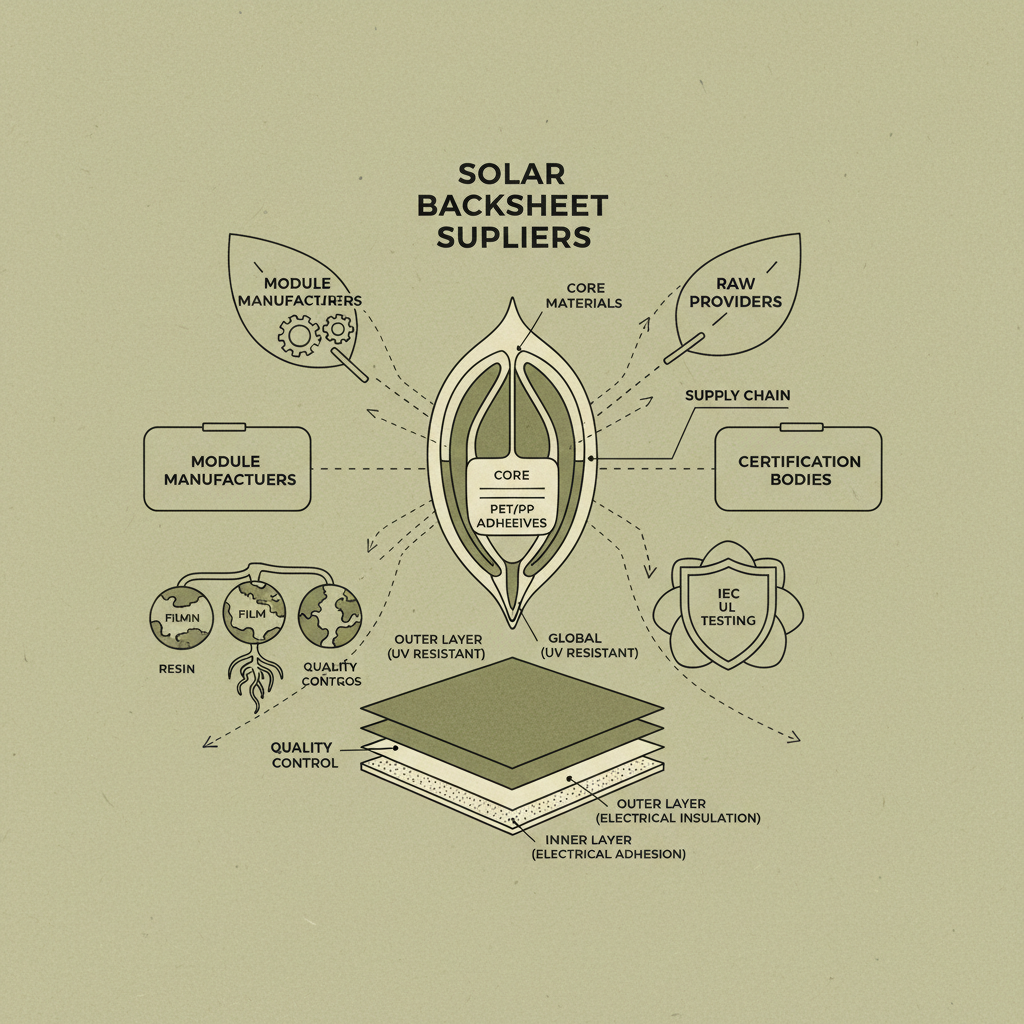
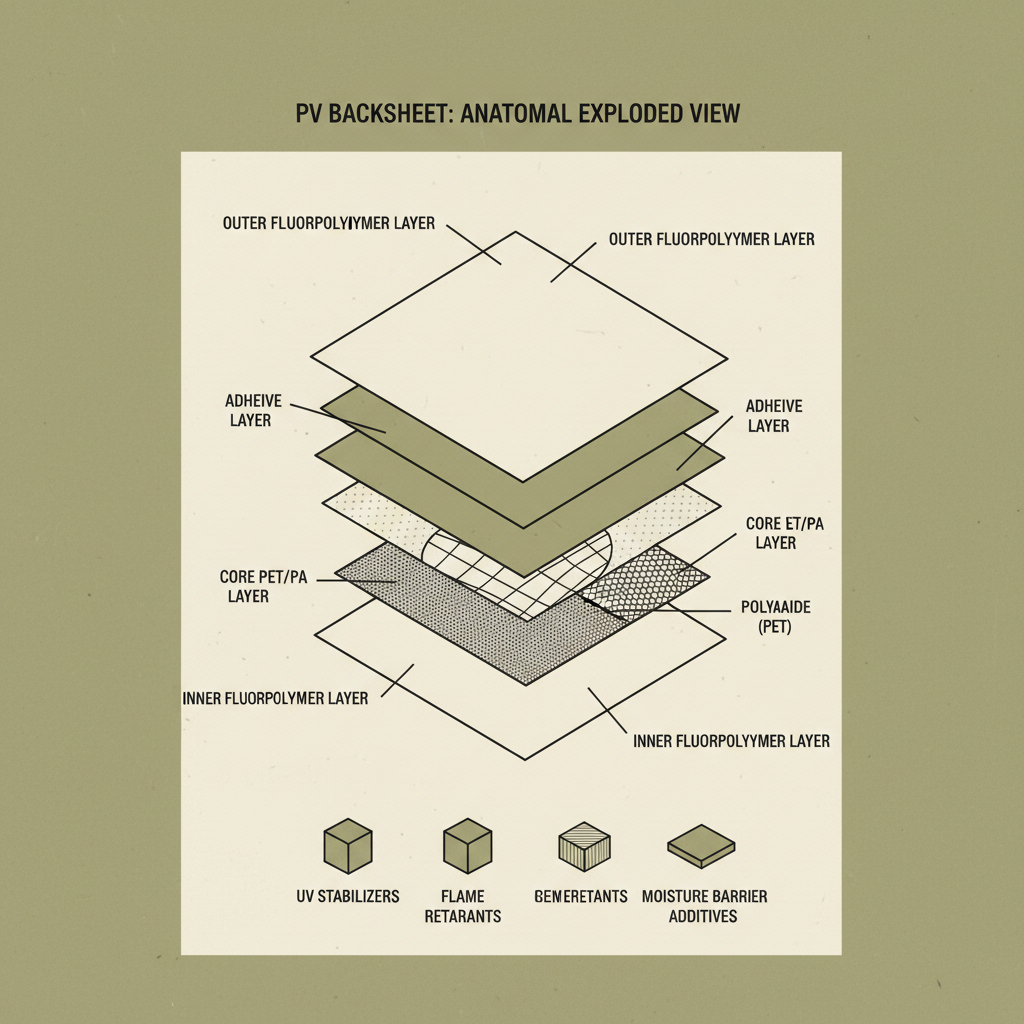
The layering is crucial too. A good backsheet isn't just one material; it’s multiple layers bonded together. You've got the outer protective layer, the core layer for insulation, and the inner adhesive layer. Each layer has a job to do, and if one fails, the whole thing goes.
And don’t even get me started on the different types of adhesives. Some are water-based, some are solvent-based. Water-based are better for the environment, but they don't always have the same adhesive strength as solvent-based. It's a trade-off.
Real-World Testing – Beyond the Lab
Lab testing is fine, but it doesn’t tell the whole story. I've seen backsheets pass all the lab tests and still fail miserably in the field. Real-world testing means exposing them to the elements: extreme heat, cold, humidity, UV radiation, hail, sandstorms… you name it. We like to mount samples on old shipping containers and leave them out in the desert for a year. That’ll tell you what’s what.
Another good test? The “drop test.” Simple, but effective. Just drop a panel with the backsheet onto a concrete floor. See if it cracks. Seriously. I’ve seen guys do it with fancy equipment, but honestly, a good hard drop is usually enough to reveal any weaknesses.
And don’t forget the thermal cycling test. Rapidly heat and cool the backsheet to simulate the temperature swings it will experience in the field. This will reveal any potential for cracking or delamination.
How Users Actually Use Them
This is where things get interesting. You design a backsheet for a specific application, but users always find a way to use it differently. I’ve seen guys use backsheets as temporary roofing material, as protective covers for equipment, even as makeshift sleds! You gotta design for the unexpected.
What I've also noticed is installers often aren’t careful enough during installation. They rush, they bend the backsheets too much, they don’t properly align the panels… and then they wonder why things fail. Training is key, but honestly, a lot of guys just don’t care. They just want to get the job done and move on.
Solar Backsheet Performance Metrics
Advantages, Disadvantages & Honest Opinions
Okay, let's be real. TPT is cheap and reliable, but it’s not pretty. TPE looks good and feels good, but it’s more expensive and can be finicky. PET is dirt cheap, but it’s a gamble. You might get lucky, or you might end up replacing panels every year. I personally lean towards TPT for most applications. It’s a proven workhorse. But for high-end projects, where aesthetics are important, TPE is a good choice – just be prepared to pay a premium.
Honestly, the biggest advantage of any good backsheet is peace of mind. Knowing that your panels are protected, that they’re going to last, that you’re not going to get a call in the middle of the night saying everything’s failed… that's priceless.
Customization & A Shenzhen Story
Customization? Sure, you can get different colors, different thicknesses, different adhesive types. I had a client in Shenzhen last month, a small boss making smart home devices. He insisted on changing the interface to for… reasons. Said it was “more modern.” I tried to explain that it wasn’t necessary, that it would add cost and complexity, but he wouldn’t listen. The result? The adhesive couldn’t handle the new interface, and the whole thing fell apart during testing. A total waste of time and money.
The key takeaway? Don't change things just for the sake of changing them. If it ain't broke, don't fix it. And always, always listen to the guys who actually work with the materials.
Performance Analysis: Key Metrics
Look, at the end of the day, it all boils down to a few key metrics. UV resistance, thermal stability, moisture permeability, mechanical strength… these are the things that matter. We measure these things, of course, but honestly, the most important test is just… time. How long does it last?
Here's a rough idea of what we look for, scribbled on a notepad like always:
The data here isn’t exact science, just ballpark figures from years of experience.
Key Performance Indicators for Solar Backsheet Suppliers
| Material Type |
UV Resistance (1-10) |
Thermal Stability (°C) |
Cost (per m²) |
| TPT (Standard) |
7 |
-40 to 85 |
$1.50 |
| TPT (Premium) |
8 |
-40 to 90 |
$2.00 |
| TPE (Standard) |
6 |
-30 to 80 |
$2.50 |
| TPE (High-Performance) |
9 |
-40 to 95 |
$3.50 |
| PET (Standard) |
4 |
-20 to 70 |
$1.00 |
| PET (Coated) |
5 |
-30 to 75 |
$1.25 |
FAQS
Honestly? They focus too much on price. They see a cheap backsheet and think, “Great, I’m saving money!” But they don’t realize that a cheap backsheet will likely fail sooner, costing them more in the long run. You get what you pay for. It's all about the long game, reliability is everything.
Critical. Absolutely critical. The adhesive is what holds everything together. If it fails, the backsheet will delaminate, water will get in, and your panels will be toast. I’ve seen it happen way too many times. Look for adhesives that are specifically designed for solar applications and have been tested for long-term durability.
Lab tests are okay, but real-world exposure is the gold standard. Mount samples in a harsh environment, like a desert or a coastal area, and leave them there for at least a year. Regularly inspect them for signs of cracking, discoloration, or delamination. It's a slow process, but it’s the most accurate way to assess UV resistance.
Nope. Not even close. The best backsheet for your application depends on a lot of factors: climate, installation location, panel type, budget, and so on. You need to carefully consider all of these factors before making a decision. There is no magic bullet.
That’s a tricky one. A lot of companies throw around the term "eco-friendly" without any real substance. Look for certifications like RoHS and REACH, and ask about the manufacturing process. Where are the materials sourced from? What's the carbon footprint? Be a skeptic!
I think we’ll see more development of bio-based materials, but they need to be more durable. We’ll also see improvements in UV resistance and thermal stability. And I expect to see more customized backsheets tailored to specific applications. But honestly, the biggest improvements will probably come from better installation practices.
Conclusion
So, what have we learned? Solar backsheets aren’t glamorous, but they’re essential. They protect your panels, ensure long-term performance, and ultimately determine the return on your investment. It's not just about materials and specs; it’s about understanding the real-world conditions and choosing a backsheet that can withstand the elements. There's a lot of hype out there, a lot of marketing spin. Don't fall for it.
Ultimately, whether this thing works or not, the worker will know the moment he tightens the screw. And if they’re shaking their head and muttering under their breath, you've got a problem. Trust the guys on the ground. They see it all. If you’re looking for reliable solar backsheet suppliers, check out LK International. They know their stuff.