


Self-developing dental x-ray film is a specialized imaging medium designed to eliminate the need for external chemical developers, allowing the image to emerge through a simplified process. When evaluating self developing dental x ray film price, practitioners must look beyond the initial unit cost and consider the total operational savings gained from reducing chemical procurement and hazardous waste disposal.
In the modern dental clinic, efficiency and environmental compliance are paramount. Traditional film processing requires dedicated darkrooms and precise chemical management, which can be costly and space-consuming. The shift toward self-developing technologies addresses these pain points by streamlining the workflow and lowering the barrier to high-quality diagnostic imaging in diverse clinical settings.
This comprehensive analysis provides a detailed breakdown of the cost factors influencing self developing dental x ray film price, a comparison of processing methodologies, and professional guidance on selecting the right imaging materials to balance diagnostic precision with operational expenditure.

1Understanding Self-Developing Dental Film Technology

Self-developing dental x-ray film incorporates the developing agents directly into the film emulsion or a specialized integrated layer. Unlike conventional films that require immersion in a separate developer solution, these films are activated by a simplified trigger, often involving water or a mild catalyst, which initiates the chemical reduction of silver halide crystals to form a visible image.
This technology is particularly valuable for mobile clinics, emergency dental services, and small practices where the infrastructure for a full darkroom is unavailable. By integrating the chemistry, the risk of processing errors—such as incorrect developer temperature or exhaustion of chemical baths—is significantly reduced.
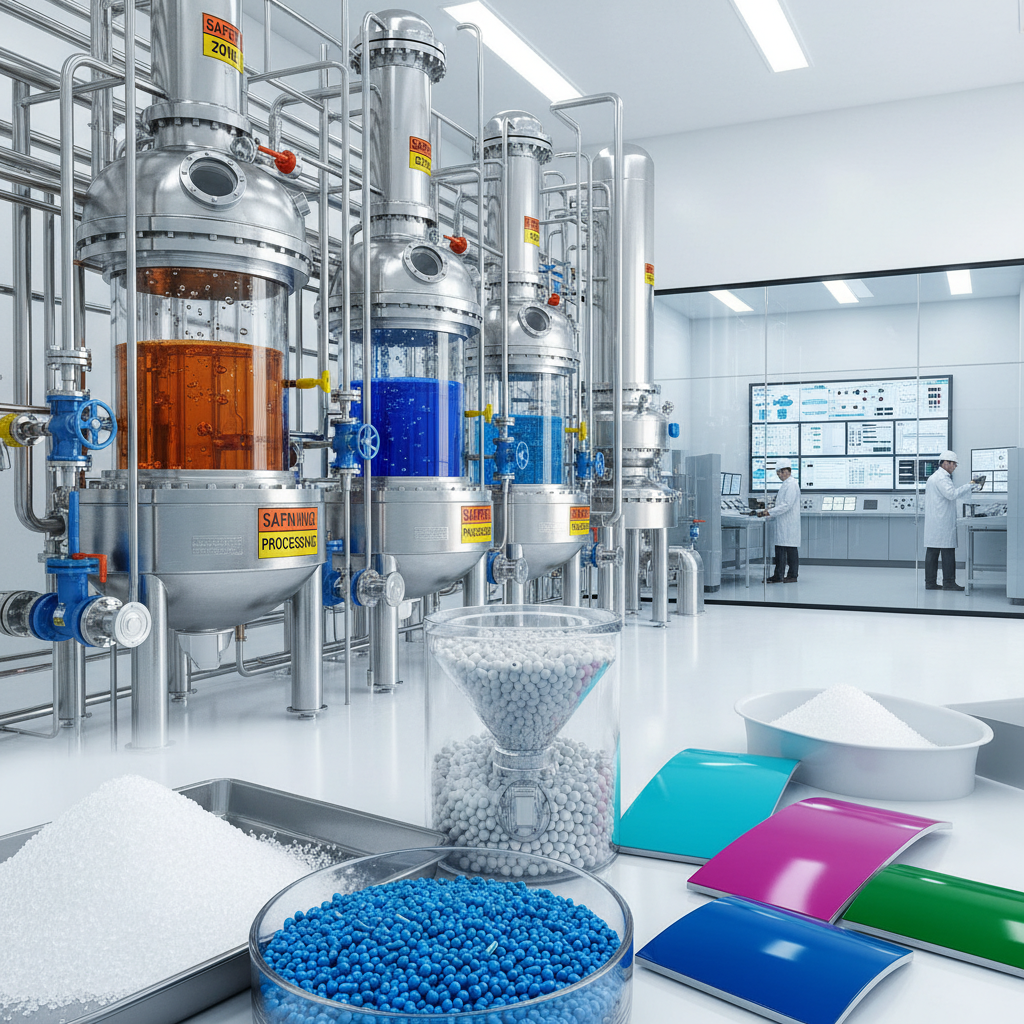
From a materials science perspective, the film relies on an advanced multilayer structure. The balance between sensitivity to x-rays and the stability of the embedded developers is the primary engineering challenge, which directly influences the manufacturing cost and the subsequent self developing dental x ray film price.
2Key Economic Drivers of Film Pricing
The self developing dental x ray film price is influenced by several sophisticated manufacturing variables. The cost of high-purity silver halide emulsions is the baseline, but the addition of stabilized developing agents and the precision co-extrusion of layers add a premium compared to standard x-ray films.
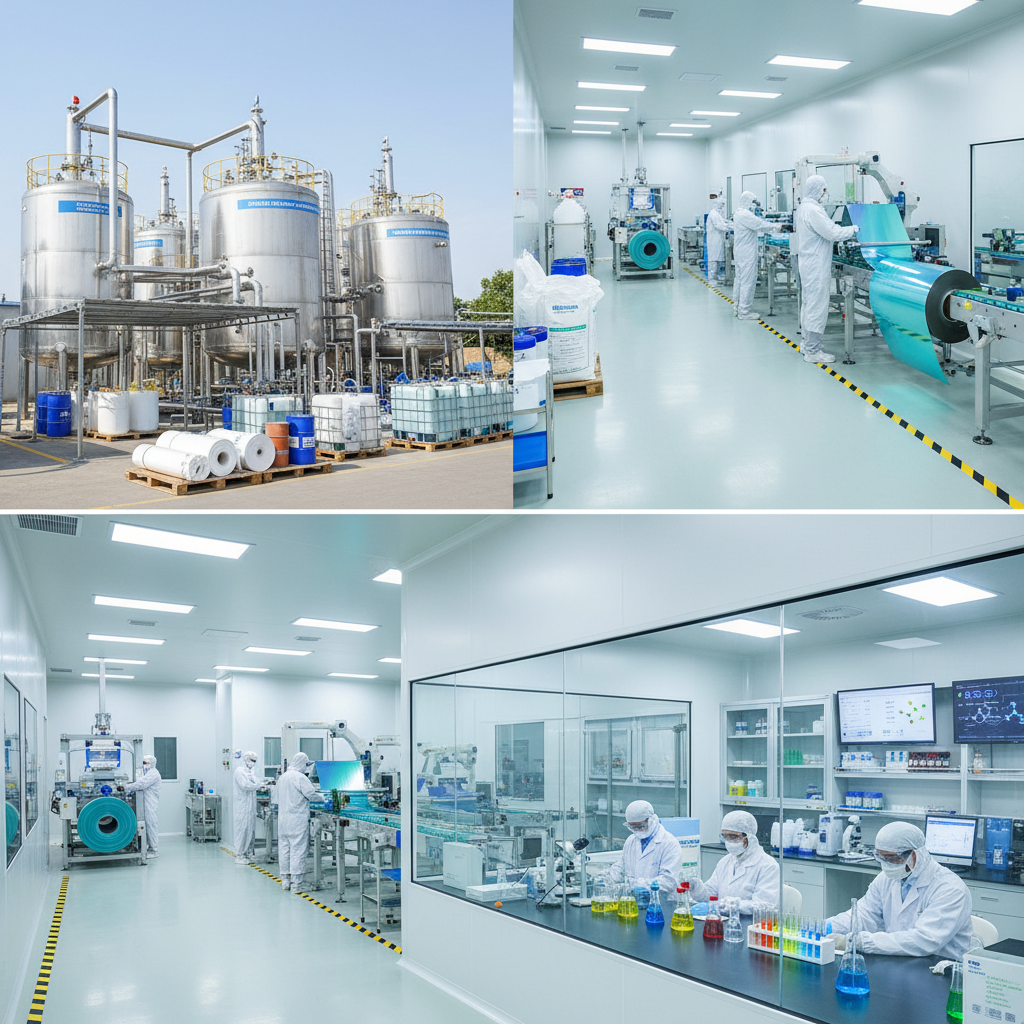
Beyond the raw materials, the scale of production plays a critical role. Specialized manufacturers who leverage integrated supply chains for medical-grade plastics and chemicals can offer more competitive pricing. Additionally, the certification process for medical imaging materials ensures safety and consistency, adding to the overhead of the production cycle.
Buyers often observe price fluctuations based on the volume of the order and the specific diagnostic requirements. For instance, films designed for higher contrast or specific dental views may command a higher price point due to the modified emulsion chemistry required to achieve those results.
3Operational Workflow and Clinical Applications
Implementing self-developing film radically changes the clinical workflow. The traditional sequence of exposure, immersion in developer, rinsing, and fixation is compressed. The practitioner can achieve a diagnostic image in a fraction of the time, which improves patient throughput and reduces the stress on clinical staff.
In practical applications, this is most evident in pediatric dentistry, where reducing the time between x-ray exposure and diagnosis is critical for patient management. It also allows for "chair-side" imaging, where the dentist can verify the quality of the shot immediately without leaving the patient's side to visit a processing area.
However, there are trade-offs. While the workflow is faster, the degree of control over the final image density is lower than in a manual lab setting. This makes the selection of a high-quality film with consistent chemistry essential for maintaining diagnostic accuracy across all cases.
4Performance Metrics: Traditional vs. Self-Developing
When analyzing the efficacy of these systems, we look at a combination of time-to-image, chemical waste production, and labor intensity. Traditional systems exhibit a high overhead in terms of chemical management and environmental mitigation, which often offsets the lower per-sheet price of the film itself.
The data indicates that while the upfront self developing dental x ray film price may be higher per unit, the reduction in secondary costs—such as developer fluid, fixer, and specialized disposal services—creates a net positive financial outcome for the practice over a twelve-month period.
self developing dental x ray film price Performance Metrics
As shown in the comparison, the most significant gains are found in the reduction of chemical waste and setup complexity. This makes the self-developing option an ideal choice for clinics looking to modernize their imaging capabilities without investing in expensive digital sensors immediately.
5Procurement Strategies for Dental Imaging Supplies
Successful procurement of imaging materials requires a balance between immediate cost and long-term reliability. When negotiating the self developing dental x ray film price, clinics should evaluate the supplier's quality control certifications and their ability to provide consistent batches to avoid variations in image quality.
It is also important to consider the storage requirements. Since self-developing films contain active chemicals, they may have different temperature and humidity sensitivities compared to standard films. Procurement should include an assessment of the facility's storage capabilities to prevent premature spoilage.
Diversifying suppliers or partnering with a manufacturer that offers technical support can mitigate risks. Ensuring that the film is compatible with existing x-ray equipment and holders is a prerequisite that should be verified through sampling before committing to large-scale orders.
6Regulatory Compliance and Environmental Impact
Environmental regulations regarding the disposal of silver-containing waste are becoming increasingly stringent worldwide. Traditional dental x-ray processing produces significant amounts of liquid waste that must be treated to remove silver ions before disposal, adding a hidden cost to the traditional workflow.
Self-developing films drastically reduce this environmental footprint. By eliminating the bulk developer and fixer baths, the practice reduces its chemical output. This not only simplifies compliance with environmental laws but also aligns the clinic with "green" healthcare initiatives, which can be a competitive advantage in patient acquisition.
Despite these benefits, the films themselves must still be disposed of according to medical waste guidelines. The integrated chemistry does not exempt the film from standard silver recovery protocols, but it does eliminate the most volatile part of the waste stream: the liquid chemicals.
7Cost-Benefit Analysis and Final Selection
The final decision on whether to switch to self-developing film depends on the specific volume and infrastructure of the practice. For high-volume clinics with established automated processors, traditional film may remain cheaper. However, for the vast majority of small to medium practices, the operational simplicity outweighs the higher unit cost.
When comparing options, the "Total Cost of Ownership" (TCO) is the only reliable metric. This includes the self developing dental x ray film price plus the costs of storage, waste management, and staff labor time. The following table provides a qualitative comparison to assist in this decision process.
| Comparison Factor | Traditional Film | Self-Developing Film | Impact on ROI |
|---|---|---|---|
| Unit Price | Low | Moderate to High | Negative (Direct) |
| Chemical Costs | High Recurring | Negligible | Positive (Direct) |
| Processing Time | 10-15 Minutes | 2-5 Minutes | Positive (Labor) |
| Equipment Cost | Darkroom/Processor | Minimal | Positive (CapEx) |
| Waste Disposal | Complex/Expensive | Simplified | Positive (Ops) |
| Image Control | High (Manual) | Consistent (Fixed) | Neutral |
In conclusion, the transition to self-developing technology is an investment in operational efficiency. While the per-sheet price is higher, the systemic savings in time and chemical management make it a sustainable choice for the evolving dental landscape.
Frequently Asked Questions
Conclusion
Selecting the right imaging medium involves a careful balance between the direct self developing dental x ray film price and the broader operational efficiencies of the clinic. By eliminating the complexities of traditional chemical processing, practices can reduce waste, save time, and minimize the environmental impact of their diagnostic procedures without sacrificing clinical accuracy.
For procurement teams and dental practitioners looking to optimize their imaging workflow, we recommend a total-cost analysis to realize the full value of this technology. Detailed product specifications and supply options can be reviewed at www.lkintl.com to find the most suitable solution for your clinical needs.