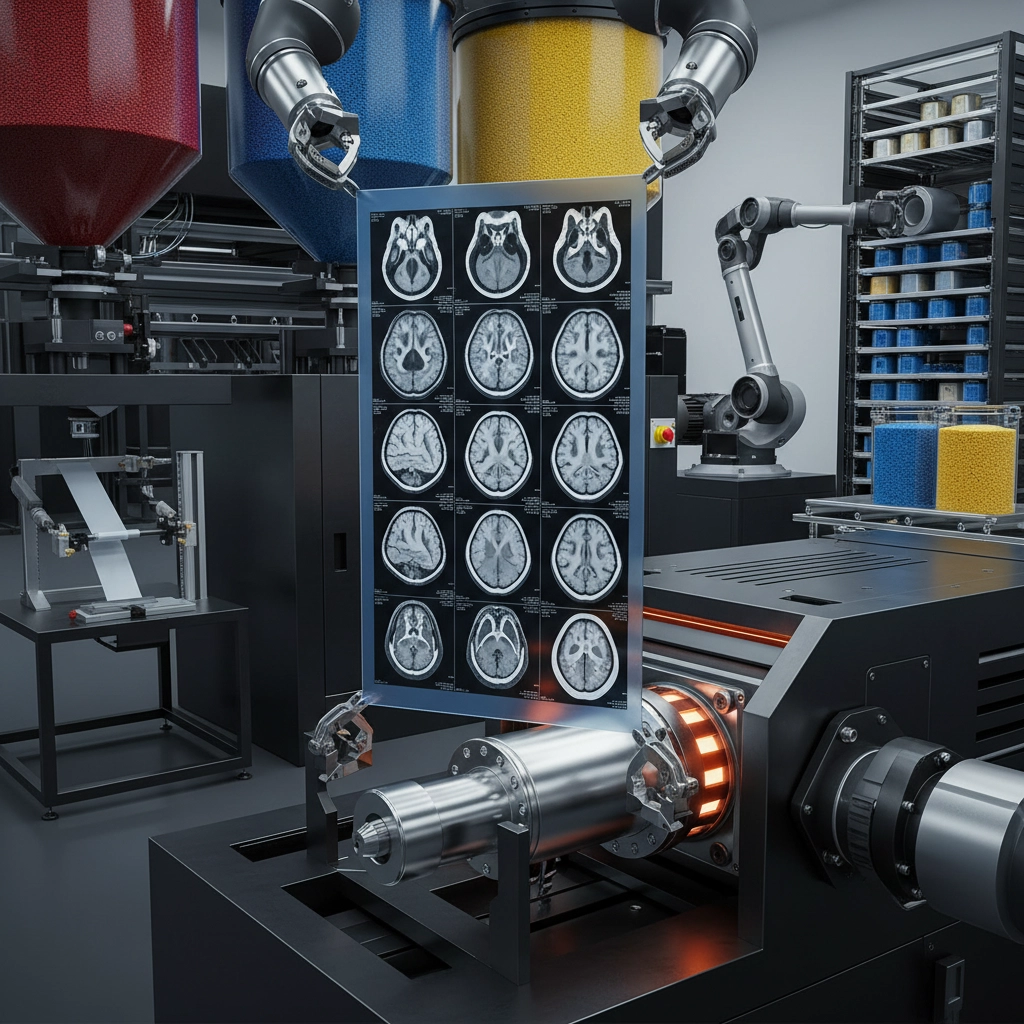


The global demand for high-precision imaging materials has forced a significant shift in how a professional photo paper factory manages substrate stability and chemical coating uniformity. As digital photography converges with industrial printing, the technical requirements for lightfastness and moisture resistance have evolved from simple consumer standards to rigorous industrial benchmarks.
This transition is critical because substandard coating adhesion or inconsistent thickness in professional-grade paper leads to catastrophic failures in archival longevity and color reproduction. For procurement managers and engineers, identifying a manufacturer that integrates advanced polymer science with precise thickness control is no longer optional—it is a requirement for quality assurance.
This technical analysis explores the intersection of materials science and industrial production, providing a framework for evaluating a photo paper factory based on its technical capabilities and quality control systems.


The foundation of professional imaging lies in the synergy between the base substrate and the functional coating layer. In a sophisticated production environment, the focus is on maintaining a precise thickness range and ensuring that UV absorbers are uniformly distributed across the surface to prevent premature degradation.
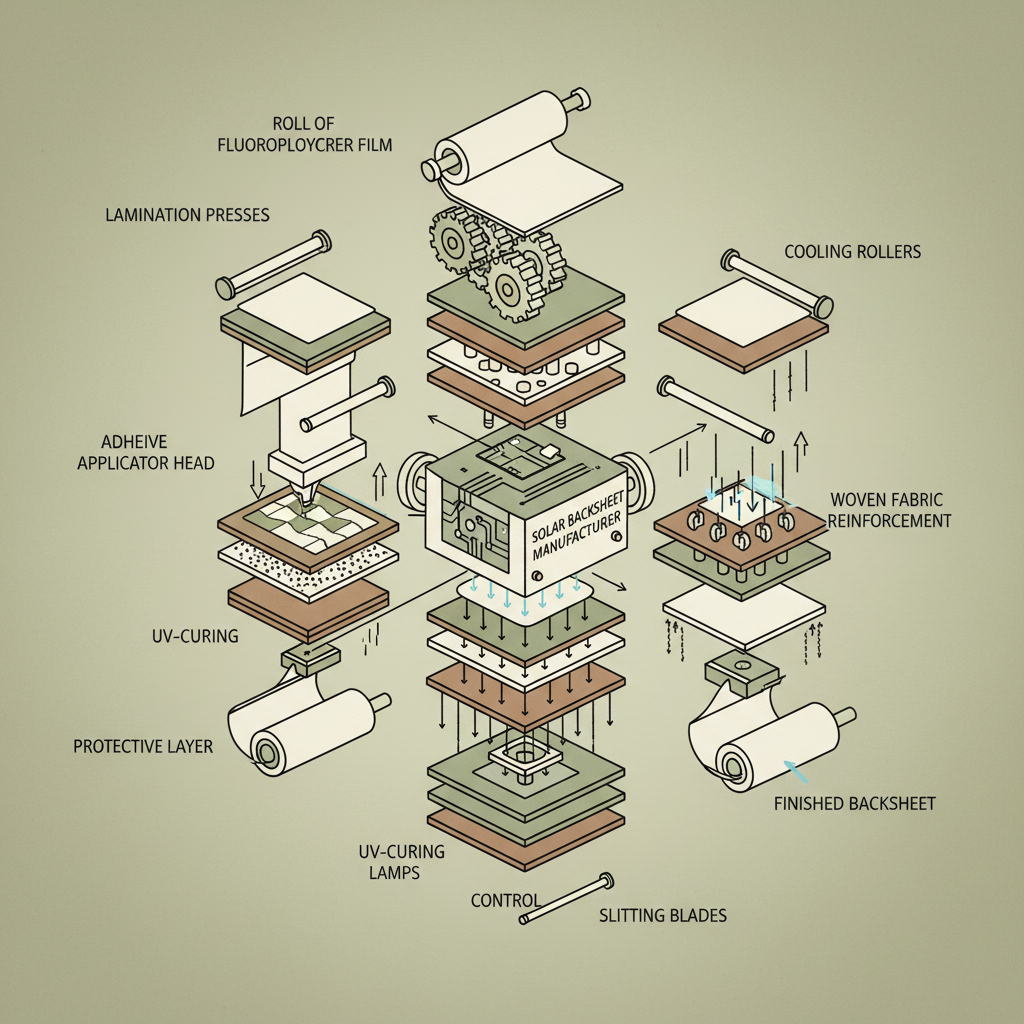
Modern facilities utilize multi-layer co-extrusion and specialized surface treatments to enhance interface bonding. This ensures that the final material can withstand environmental stressors without peeling or discoloring, reflecting a deep integration of polymer chemistry and mechanical engineering.
Technical evaluation of imaging materials depends on several key indicators: volume resistivity, thermal stability, and mechanical tensile strength. For instance, a high-performance material must maintain a melting point above 160°C to ensure stability during high-temperature processing, while the reflectivity should remain above 85% to optimize the final output quality.
Mechanical reliability is equally paramount. Parameters such as elongation at break (ideally >120%) and initial tensile strength (≥100MPa) determine how the material behaves under tension during high-speed printing or rolling. If these thresholds are not met, the material is prone to micro-tearing, which ruins the archival value of the print.
Furthermore, environmental durability—measured through damp heat aging tests and thermal cycling from -40°C to 85°C—validates whether the material can survive extreme logistics and storage conditions without structural abnormalities.
One of the most persistent engineering hurdles in the materials sector is the prevention of lamination bubbles and the optimization of interface bonding strength. When multiple polymer layers are combined, the mismatch in thermal expansion coefficients can lead to delamination over time.
This level of precision is what separates a standard production line from a professional-grade facility. By focusing on the molecular bond between the fluoropolymer film and the bonding layer, engineers can achieve peel strengths that exceed industry baselines, ensuring the product's longevity in harsh environments.
Evaluating the quality of output from a photo paper factory requires a normalized assessment of various material configurations. Different application profiles demand different trade-offs between flexibility, opacity, and weather resistance.
The following chart illustrates a normalized engineering assessment across five common material configurations, highlighting the relationship between stability and environmental resistance.
In representative engineering scenarios, imaging materials are often deployed in environments where they face constant UV exposure or high humidity. For utility-scale projects, the ability of the material to resist acids, alkalis, and salt spray is a critical selection factor.
Integration typically involves a rigorous quality control workflow: from raw material inspection to 100% finished product appearance checks. This ensures that the material maintains a consistent yellowing index and thermal shrinkage profile, which are essential for high-reliability module requirements.
The industry is moving toward the development of specialty functional membranes that offer higher electrical insulation and superior environmental durability. We are seeing a trend toward materials that can support 1500V high-voltage systems, requiring volume resistivity values greater than 1×10¹⁶Ω·cm.
R&D is currently focused on optimizing the co-extrusion process to create even denser structures, reducing the permeability of moisture and oxygen. This evolution will likely expand the use of these materials into more extreme environments, such as aerospace imaging or deep-sea exploration.
As sustainability becomes a priority, the integration of recyclable fluoropolymers without sacrificing performance is the next major engineering frontier. This requires a fundamental rethink of the bonding layer chemistry to allow for easier material separation at the end of the product lifecycle.
When auditing a potential partner, buyers should move beyond marketing claims and analyze specific technical evidence. A reliable facility will provide complete quality traceability records and data from accelerated aging tests.
The following matrix provides a framework for comparing different configuration profiles based on industrial requirements.
By matching the application profile to the technical specification, procurement teams can mitigate the risk of material failure in the field.
| Configuration Type | Stability Metric | Durability Factor | Recommended Use Case |
|---|---|---|---|
| Basic Profile | Standard | Low UV Resistance | Short-term Commercial |
| Standard Profile | Moderate | Standard Aging | General Photography |
| Precision Profile | High (±5μm) | Enhanced Stability | Medical Imaging |
| High-Duty Profile | Very High | Salt Spray Resistant | Outdoor Installations |
| Specialty Profile | Ultra-High | 1500V Compatible | Industrial PV Systems |
| Industry Baseline | Reference | Baseline Spec | Comparative Testing |
Precise thickness control, typically within a range of ±5μm, ensures that the coating is uniform across the entire substrate. Inconsistencies in thickness can lead to uneven ink absorption or chemical reaction rates, resulting in "banding" or color shifts. In professional applications, this precision is vital for maintaining the integrity of the imaging layer and preventing lamination bubbles during the encapsulation process.
Volume resistivity, specifically values exceeding 1×10¹⁶Ω·cm, is a critical measure of electrical insulation. For materials used in high-voltage systems (such as 1500V PV systems), this property prevents electrical leakage and reduces the risk of partial discharge. It ensures that the material acts as an effective dielectric barrier, protecting the rest of the system from short circuits and electrical failure.
Validation is achieved through a combination of accelerated aging tests. This includes UV aging resistance tests (often >150kWh/m²), 3000-hour damp heat aging, and thermal cycling between -40°C and 85°C for 200 cycles. Materials that pass these tests without showing abnormalities in peel strength or yellowing index are considered suitable for harsh outdoor environments.
Delamination is typically caused by poor interface bonding or the mismatch of thermal expansion coefficients between the base substrate and the coating. If the surface is not properly treated or if the bonding layer's melting point is too low (below 160°C), the layers can separate under thermal stress. This is why three-layer co-extrusion and specialized surface treatments are employed to create a more uniform, dense structure.
For high-speed applications, mechanical reliability is key. This includes initial tensile strength (≥100MPa) and elongation at break (>120%). These parameters ensure that the material can be pulled through rollers at high speeds without stretching permanently or tearing. Additionally, the interlayer peel strength must be high enough to prevent the functional layers from separating under the mechanical stress of the printing process.
Buyers should look for a multi-stage inspection system that includes raw material verification, real-time monitoring of production parameters, and 100% finished product inspection. The presence of complete quality traceability records and certifications (such as IEC 62788-2 for specific layers) indicates a mature management system. Requesting data from regular sampling and accelerated aging tests is the best way to verify real-world performance.
The transition from basic paper production to high-precision functional material manufacturing requires a rigorous commitment to polymer science and thickness control. The finding that interlayer bonding stability is the primary failure point suggests that future industrial focus must remain on co-extrusion density and UV stabilization.
For organizations seeking long-term reliability, the practical implication is clear: prioritize manufacturers who can provide documented evidence of thermal cycling stability and volume resistivity. Evaluating a photo paper factory through this technical lens ensures that the chosen materials will support the demanding requirements of modern high-voltage and archival systems.