

When sourcing high-end imaging substrates, procurement managers often find that the glossy paper wholesale price is not a static figure but a variable influenced by coating technology and base material grade. For professional photo output, the difference between a standard glossy finish and a certified photographic base can define the final resolution and color depth of a project. Understanding the cost drivers behind these materials is essential for maintaining margins without sacrificing image fidelity.
The volatility in material costs for the plastics and rubber products industry, particularly in specialty coatings, directly impacts the availability of high-performance imaging information materials. For businesses producing photo albums or professional portfolios, the balance between bulk pricing and technical specifications—such as GSM and scratch resistance—determines the long-term durability of the printed work. This is where the intersection of chemical engineering and imaging science becomes a critical factor for buyers.
To navigate the complexities of the current market, this analysis examines the technical benchmarks and procurement strategies required to optimize quality and cost. By evaluating the relationship between material composition and industrial output, we provide a framework for selecting substrates that ensure stability and color richness. For those seeking a balance of professional grade and economic efficiency, exploring glossy paper wholesale price options can lead to significant operational advantages.


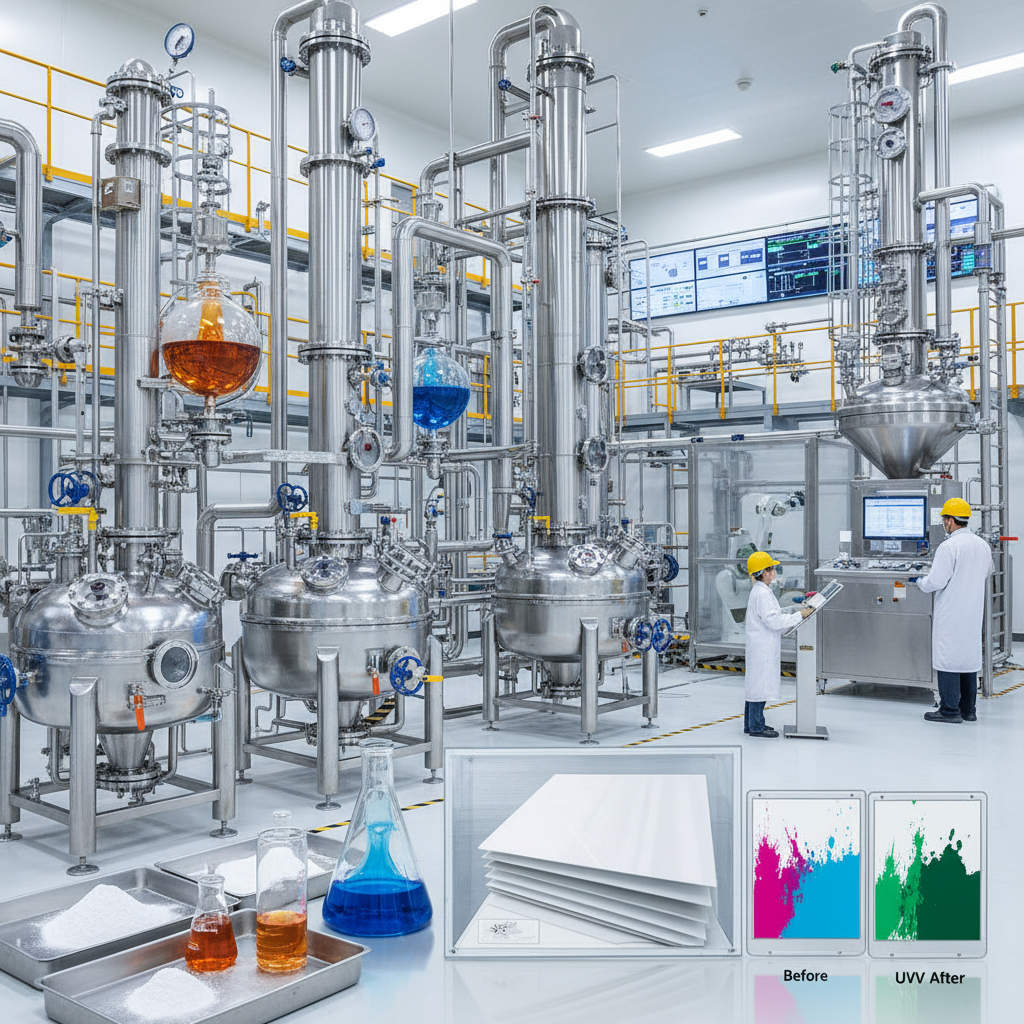
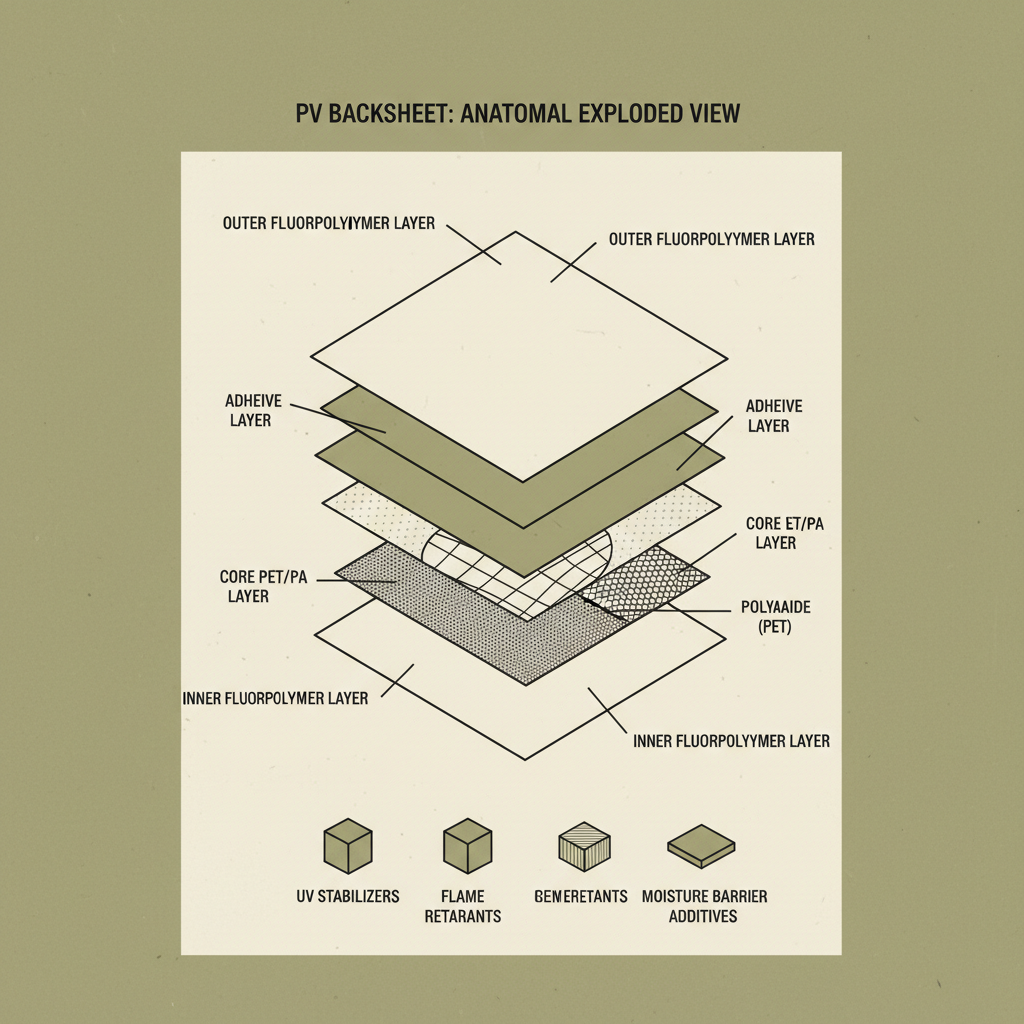
Professional photographic paper is more than a simple carrier for ink; it is a complex multi-layered system. High-quality base paper provides the structural integrity, while specialized coatings—often involving plastic treatments—ensure that the ink adheres correctly without bleeding. This ensures that the image remains sharp and the colors stay vibrant over time.
In the context of industrial manufacturing, these materials are categorized by their finish and weight. For instance, satin and pearly luster finishes offer different light-reflective properties, which can change the perceived depth of a photograph. The choice between a 210g satin and a 260g pearly luster depends entirely on the intended tactile experience and the specific lighting environment of the final display.
Coating stability is the primary determinant of how a paper handles high-resolution digital printing. The use of double-sided plastic coating equipment is crucial for achieving a flat, straight profile that prevents curling during the heating process of digital presses. When the coating is uneven, the resulting image may suffer from "banding" or inconsistent color saturation across the page.
Superior adhesion of printed images is achieved through the precise calibration of the printing layer's chemical composition, ensuring that the ink bonds permanently to the substrate, thereby enhancing scratch resistance and water resistance in demanding environments.
Furthermore, the anti-aging performance of the paper is linked to the stability of its whiteness. Low-grade papers often yellow over time due to the oxidation of the base material or the degradation of the optical brightening agents. Professional-grade materials use stabilized base papers that resist this yellowing, ensuring the longevity of portrait works and high-end brochures.
Double-sided plastic treatment serves as a protective barrier that not only improves the aesthetic gloss but also enhances the physical resilience of the paper. This process allows for double-sided printability, making it an ideal choice for professional photo albums and books where space is at a premium and high resolution is required on every page.
From a procurement perspective, the value of this treatment is seen in the reduction of waste. Papers that are flat and straight reduce misfeeds in high-speed equipment like the Indigo 10000 and 12000 series, directly lowering the operational cost per print.
GSM (Grams per Square Meter) defines the thickness and rigidity of the paper. A 210g satin paper is typically used for standard high-quality inserts, providing a balance of flexibility and professional feel. In contrast, 260g and 300g PP matte or pearly luster options are preferred for covers and premium portrait displays where a stiffer, more substantial feel is necessary to convey luxury.
The higher the GSM, the more the substrate can support heavy ink loads without warping. This is particularly important for rich color performance and strong resolution, as heavier papers can absorb and hold more pigment in the coating layer without compromising the flatness of the sheet.
The application of high-gloss and pearlescent materials extends beyond simple photography. In commercial marketing, product brochures utilize the sparkling texture of pearly luster paper to attract attention and reflect an elegant style, which is essential for luxury goods and creative work displays. The high image resolution allows for intricate details to be captured, which is vital for architectural and product renderings.
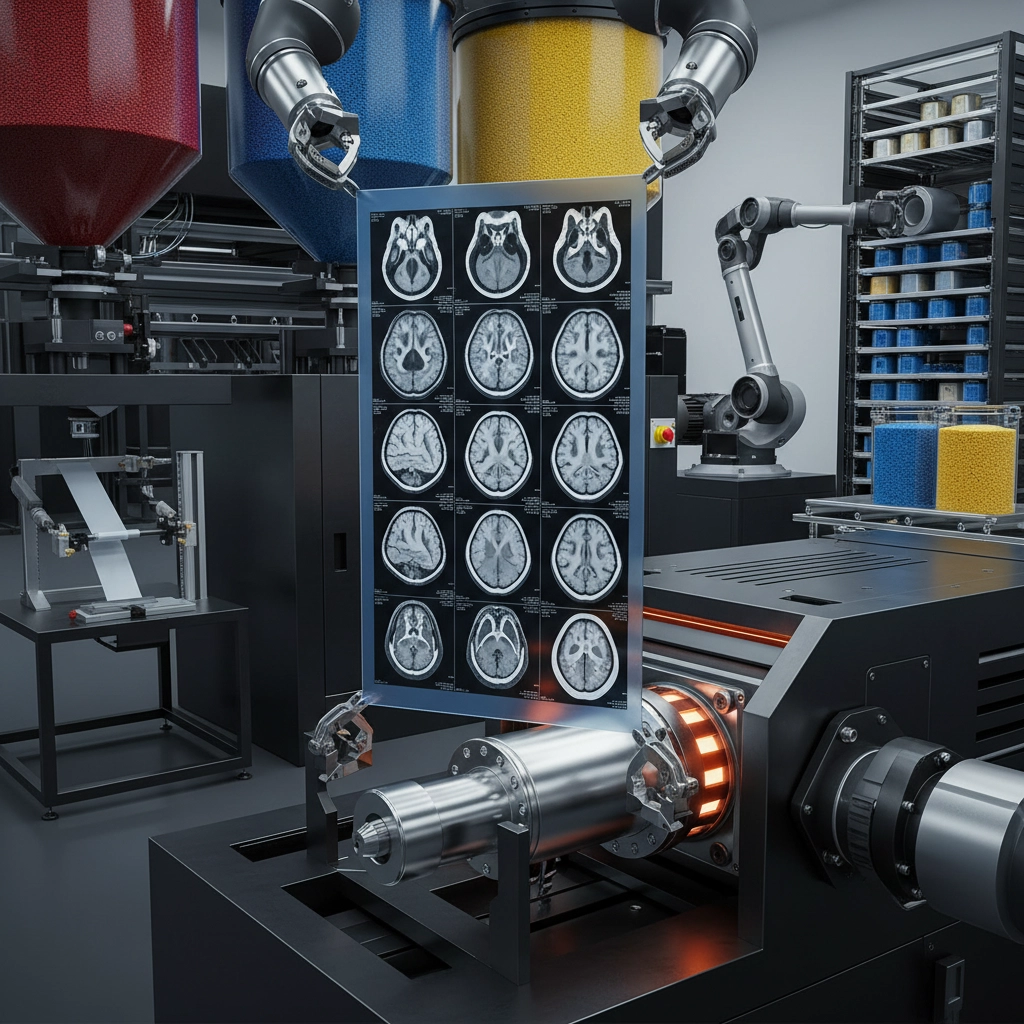
In the medical and technical sectors, imaging materials must meet strict stability standards. While the photographic papers discussed here focus on aesthetics, the same underlying principles of coating uniformity and substrate purity are applied to the production of medical films and functional membranes, ensuring that critical information is recorded without distortion.
The transition from traditional chemical film to digital imaging materials has shifted the focus toward the chemistry of coatings. Early imaging relied on silver halide crystals; today, it relies on the interaction between digital toners or inks and the plastic-coated base. This evolution has allowed for faster production cycles and the ability to customize finishes—such as the transition from high-gloss to satin or matte—on a per-job basis.
Modern manufacturing now integrates advanced German double-sided coating equipment to ensure that every sheet is identical. This level of precision is what allows for "HP certified" status, ensuring that the paper performs predictably on high-end industrial presses without causing mechanical issues or ink failure.
Looking forward, the industry is moving toward more sustainable base materials without sacrificing the "rich color performance" and "strong resolution" that professional photographers demand. The goal is to maintain the elegant texture and durability while reducing the environmental footprint of the plastic coatings.
One of the most frequent challenges in high-volume printing is the mismatch between the ink type and the paper coating. For example, using a paper designed for laser toner on an inkjet printer can result in ink pooling, as the surface tension of the coating is not optimized for the fluid. Ensuring the paper is certified for the specific equipment, such as the Konica C71hc or Canon C910, is the first step in avoiding costly reprints.
Another common issue is the "curling" effect seen in thinner papers during high-heat fusing. By selecting a higher GSM or a paper with double-sided plastic treatment, the internal stresses of the material are balanced, resulting in a product that remains flat even after passing through multiple heat cycles.
Finally, storage conditions can impact the wholesale price value of a bulk purchase. Papers stored in high-humidity environments may develop "edge curl" or lose their coating integrity. Proper climate-controlled storage is essential to maintain the stable whiteness and anti-aging properties of the substrate.
| Product Type | Weight / Material | Primary Finish | Best Use Case |
|---|---|---|---|
| Lucky Photo Paper | 210g Satin | Smooth Satin | Photo Albums |
| Lucky Photo Paper | 260g Satin | High Gloss | Professional Portraits |
| Lucky Photo Paper | 250um PP | Matte | Creative Displays |
| Lucky Photo Paper | 300um PP | Matte | Premium Brochures |
| Lucky Photo Paper | 260g Pearly | Pearlescent | Luxury Invitations |
| Laser Tone Paper | 220g RC Base | Satin | Commercial Printing |
The price is primarily driven by the base material quality, the weight (GSM), and the type of coating applied. For example, double-sided plastic treatment using high-end German equipment increases the cost but provides superior flatness and durability compared to single-sided or non-plastic coatings. Additionally, certifications for specific equipment like HP Indigo can affect the pricing due to the stricter quality controls required.
Pearly luster paper features a unique shimmering texture that diffuses light more softly than a standard high-gloss finish. This makes it more resistant to fingerprints and glare while maintaining a high level of color richness. It is specifically recommended for high-quality portrait works and creative displays where an elegant, sparkling texture is desired to enhance the visual appeal.
Not all wholesale papers support double-sided printing. Only those with specialized double-sided plastic coatings and a balanced base material can ensure that the ink does not bleed through and that the paper remains flat. For professional photo books, selecting a product explicitly designed for double-sided output is critical to prevent image distortion and page curling.
GSM represents the thickness and weight of the paper. Lower weights (like 210g) are better for interior pages of albums, while higher weights (260g to 300g) are necessary for covers or stand-alone portraits. Higher GSM usually correlates with better stability and a more "premium" feel, although it may increase the overall cost and shipping weight of a bulk order.
Check for equipment-specific certifications. For instance, if you are using HP Indigo 10000 or 12000, you should use HP certified papers. For laser tone printing on machines like the Konica C71hc or Cannon C910, ensure the paper uses a compatible RC base. Using non-certified paper can lead to poor ink adhesion or mechanical jams in the printer.
Anti-aging performance is achieved through the use of stable whiteness agents and high-quality base paper that is free from impurities. The plastic coating also acts as a barrier against atmospheric pollutants and moisture, which are the primary causes of oxidation and yellowing. Professional-grade substrates are designed to maintain their original color profile for many years.
Optimizing the procurement of imaging materials requires a deep understanding of the trade-offs between coating technology, material weight, and equipment compatibility. Whether selecting a 210g satin for high-volume albums or a 260g pearly luster for luxury portfolios, the key to success lies in the stability of the substrate and the precision of its finish. By focusing on certified materials and double-sided treatments, businesses can ensure high resolution and long-term durability.
As the imaging industry continues to evolve, the integration of advanced plastic coatings and high-purity base papers will remain the standard for professional output. For those looking to refine their supply chain and secure reliable materials that meet these technical benchmarks, visiting the resources at www.lkintl.com can provide the necessary insights to make informed purchasing decisions.