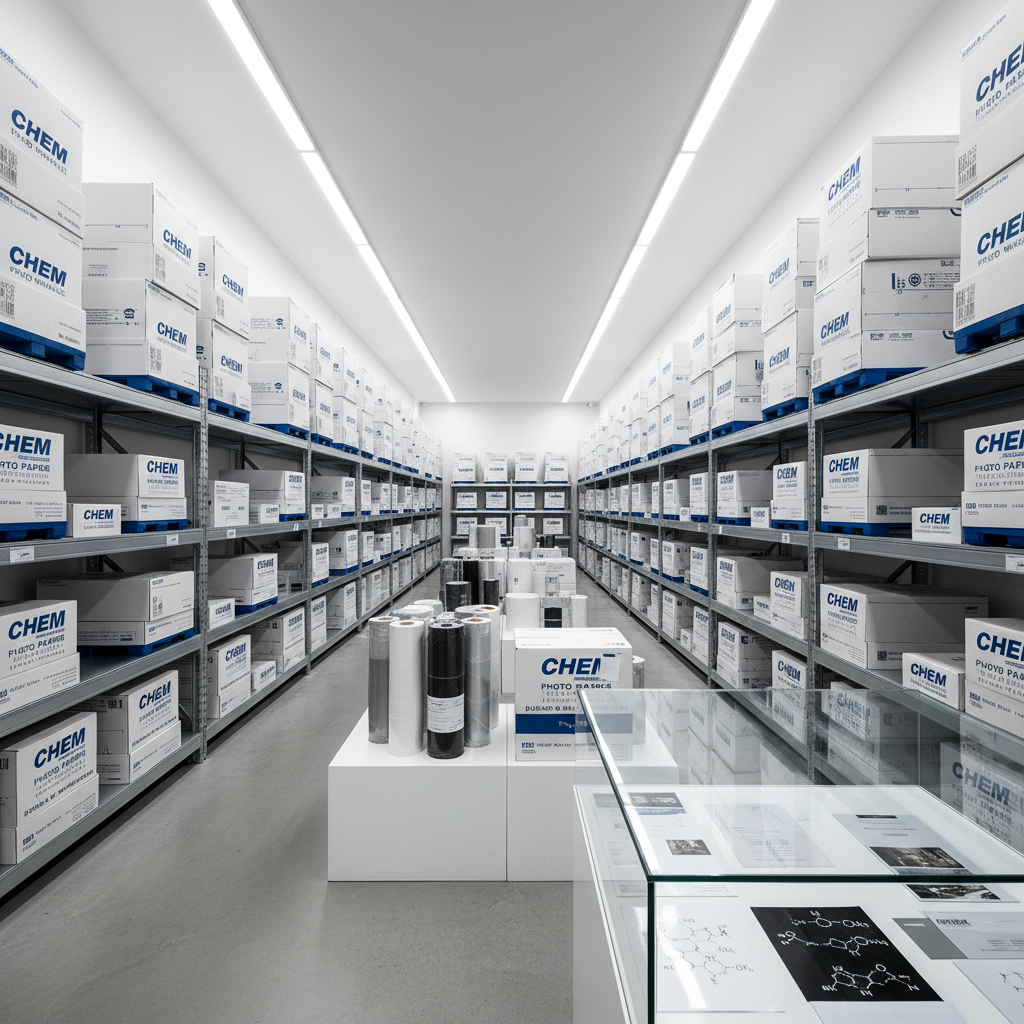



Selecting the right partner among x ray film manufacturing companies is a critical decision for industrial quality control and medical diagnostic precision. The efficacy of Non-Destructive Testing (NDT) depends heavily on the emulsion grain structure and contrast levels of the film used to detect internal defects in materials.
Industrial radiography requires specialized materials capable of capturing minute imperfections in ferrous and non-ferrous metals. From welding seams to complex shaped components, the ability of the film to resolve high-contrast images determines the safety and integrity of engineering projects across the aerospace, automotive, and energy sectors.
This analysis examines the technical benchmarks of high-performance imaging materials, the procurement criteria for industrial films, and how established manufacturers integrate advanced coating technology to meet global NDT standards.

Understanding the Technical Role of Industrial X-Ray Film

Industrial X-ray film serves as the primary recording medium for capturing internal structural anomalies without damaging the subject. Unlike medical film, industrial variants are optimized for higher density materials and often require a double-side-coated blue polyester base to ensure dimensional stability and high sensitivity.
The manufacturing process involves precise emulsion-making and coating stages. A high-quality film must balance speed—the amount of radiation required for exposure—with grain size. Smaller grains generally lead to higher resolution, allowing inspectors to identify hairline cracks or porosity in welding seams that could lead to catastrophic structural failure.
For companies operating in the plastics and metals industry, integrating these materials into a rigorous inspection workflow is essential. The interaction between the X-ray beam, the material's attenuation coefficient, and the film's emulsion determines the final image quality used for certification and safety audits.
Core Performance Indicators for High-Resolution Imaging
When evaluating x ray film manufacturing companies, procurement officers must look beyond brand names to specific technical attributes. The most critical factor is the emulsion-grain structure, which directly impacts the film's ability to demonstrate defects exactly.
Contrast is another pivotal metric. High contrast allows for a clear distinction between the background and the defect, which is especially important when inspecting materials with low attenuation coefficients. The use of advanced polyester base sheets ensures that the film does not warp during the chemical processing stage, preserving the geometric accuracy of the captured image.
Speed and sensitivity also play a role in operational efficiency. High-speed films reduce the required exposure time, thereby increasing throughput in production lines and reducing the radiation dose required, which enhances workplace safety for technicians.
Critical Application Scenarios in Industrial Non-Destructive Testing
The application of industrial X-ray film spans multiple sectors where safety is non-negotiable. In the metallurgy industry, it is widely used for the inspection of ferrous and non-ferrous alloys, ensuring that welding seams are free from slag inclusions or lack of fusion.
Beyond welding, shaped materials and precision components in the automotive and aerospace industries rely on these films to verify the internal integrity of cast parts. By utilizing films like the L7 series, inspectors can identify internal voids or gas pockets that are invisible to the naked eye but could compromise the part's mechanical strength under stress.
Furthermore, the ability to customize size and packaging—ranging from standard 80x300mm sheets to larger 14x17 inch formats—allows manufacturers to adapt their imaging process to the specific dimensions of the component being tested, minimizing waste and optimizing the field of view.
Evaluating Imaging Sensitivity and Contrast Benchmarks
Quantifying the performance of imaging materials requires a comparison between standard industry benchmarks and the actual output of high-grade films. The primary goals are to maximize image resolution while minimizing the exposure time required for a clear result.
When comparing high-speed, small-grain films against standard industrial grades, the difference in defect detection rates becomes evident. High-contrast emulsions allow for a more precise interpretation of grayscale values, which is the basis for identifying material density changes.
x ray film manufacturing companies Performance Metrics
As shown in the data, the integration of advanced emulsion technology typically yields higher sensitivity and better contrast ratios compared to legacy films. This improvement is essential for detecting micro-defects in alloys with high attenuation coefficients, where the X-ray penetration is limited.
Strategic Procurement Considerations for Film Sourcing
Procuring industrial imaging materials requires a balance between technical specifications and supply chain reliability. Buyers should evaluate the manufacturer's ability to maintain consistency across batches, as any variation in emulsion sensitivity can lead to inconsistent X-ray results and failed inspections.
Packaging specifications are also a practical consideration. For instance, options like 100 sheets per box in 10 boxes per carton (for 80x300mm) or 50 sheets per box (for 14x17 inch) ensure that the film is protected from environmental contaminants and physical stress during transit.
Furthermore, verifying the manufacturer's history in imaging materials is vital. A company with a legacy of innovation, such as the Lucky Group, provides a level of trust regarding the stability of their chemical formulations and their ability to scale production to meet global demand across Asia, Europe, and the Americas.
Future Directions in Specialized Imaging Materials
The landscape of industrial radiography is evolving towards higher sensitivity and reduced environmental impact. While digital radiography is growing, traditional X-ray films remain indispensable for high-resolution archival records and specific high-energy applications where digital sensors may suffer from saturation.
Future innovations are likely to focus on the development of new materials for the polyester base to further reduce shrinkage and the introduction of more efficient emulsion-making processes that lower the required exposure time without sacrificing grain size.
Additionally, there is a trend toward more sustainable chemical processing for films, reducing the toxicity of developers and fixers used in the darkroom. Manufacturers who can integrate these ecological advancements while maintaining NDT standard compliance will likely lead the market in the coming decade.
Comparing X-Ray Film Specifications for Decision Making
Selecting the appropriate film size and type depends on the geometry of the part and the required level of detail. A standard comparison of common industrial film configurations helps in determining the most cost-effective and technically sound choice for a specific project.
The following table outlines the typical specifications for industrial X-ray films used in NDT, highlighting the trade-offs between size, quantity, and application weight.
| Film Size (inch/mm) | Packing Unit | Carton Weight | Primary Application |
|---|---|---|---|
| 100 Sheets/Box | 11.5 Kg/ctn | Small Welded Components | |
| 100 Sheets/Box | 13.0 Kg/ctn | Medium Pipe Sections | |
| 50 Sheets/Box | 16.5 Kg/ctn | General Industrial Parts | |
| 50 Sheets/Box | 19.8 Kg/ctn | Large Castings / Plates | |
| Upon Request | Variable | Specialized Aerospace Parts | |
| Standardized | Standardized | High-Contrast NDT Testing |
For organizations requiring specific dimensions or larger quantities, customized packing options are often available. We recommend reviewing detailed technical sheets at www.lkintl.com to ensure the selected film aligns with your specific radiographic equipment and processing capabilities.
Frequently Asked Questions
Conclusion
The selection of industrial X-ray film is a technical balancing act between speed, resolution, and cost. By prioritizing manufacturers who demonstrate consistent emulsion quality and provide a range of standardized and customizable sizes, companies can ensure the highest levels of reliability in their non-destructive testing protocols.
As the industry moves toward more precise and sustainable imaging solutions, the role of high-performance films remains central to global safety standards. For detailed product specifications and sourcing options for Imaging Information Materials, professional buyers can explore the comprehensive catalog available through www.lkintl.com.