

Mar . 09, 2026
The question of whether you can use inkjet paper in a laser printer arises frequently. While seemingly simple, the answer involves understanding the differences between these paper types and the technologies used in each printer. Using the wrong paper can lead to printer damage, poor print quality, and wasted resources. This article provides a detailed exploration of this topic, outlining the risks, potential solutions, and offering advice for optimal printing. Understanding these factors is key to maintaining your printer's performance and achieving professional-looking results.
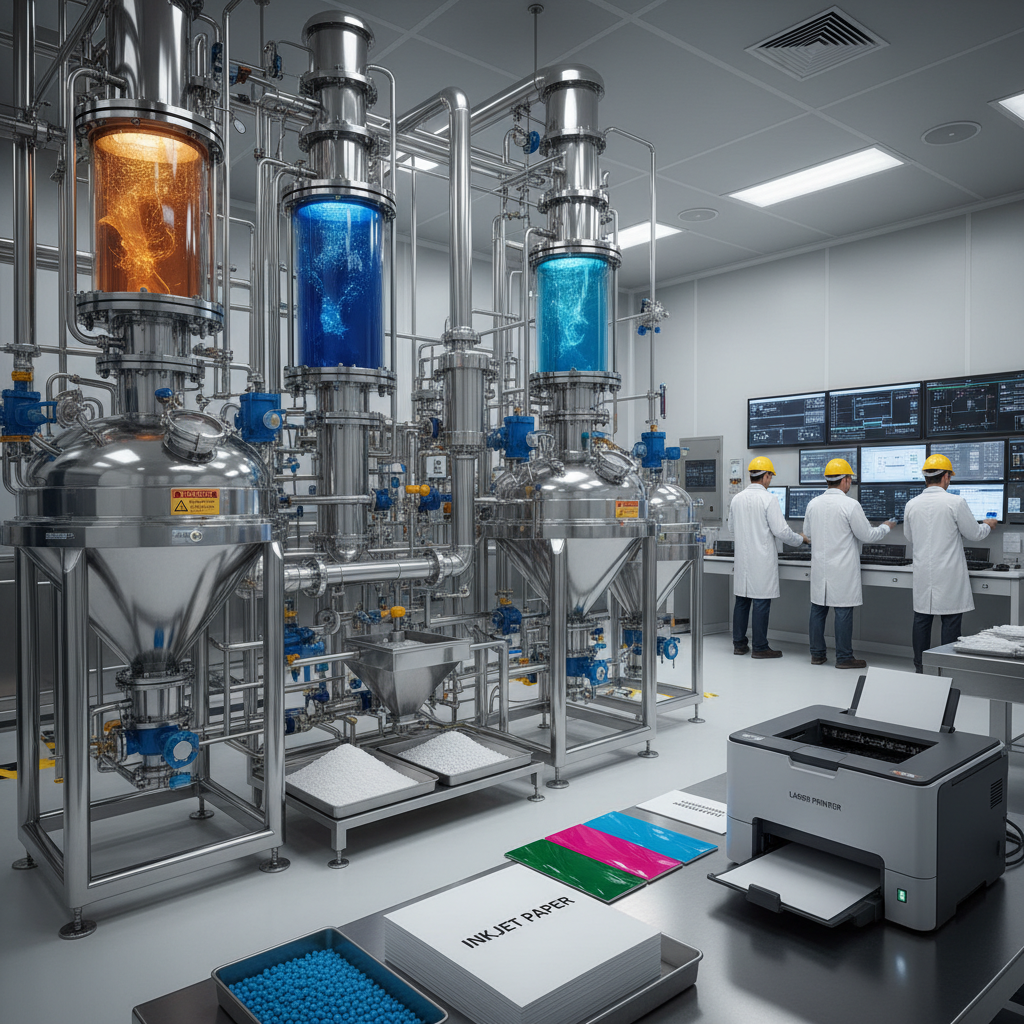
Inkjet paper is designed to absorb liquid ink, often with a coating that enhances color vibrancy and sharpness. This coating is crucial for preventing the ink from bleeding and ensuring high-quality images. Laser printers, conversely, use toner, a fine powder fused to the paper using heat. Laser paper is specifically engineered to withstand this heat without melting, curling, or producing fumes. The surface of laser paper is usually smoother and less absorbent than inkjet paper. Attempting to run inkjet paper through a laser printer can lead to a variety of issues, discussed in the following sections.
Key Differences at a Glance: Inkjet paper absorbs liquid ink with a specialized coating. Laser paper withstands heat fusing process, generally smoother and less absorbent.
Using inkjet paper in a laser printer can pose several risks. The coating on inkjet paper isn't designed to withstand the high temperatures involved in the laser printing process. This can cause the coating to melt, resulting in smudging, sticking, and potential damage to the printer's fuser unit – a crucial component responsible for fusing toner to the paper. Furthermore, the melted coating can release harmful fumes and contribute to paper jams. The resulting prints will likely be of poor quality, with blurred text and faded colors. Long-term use of incorrect paper can lead to costly repairs or even necessitate a printer replacement.
Potential Problems:
• Coating melting and smudging
• Damage to the printer's fuser unit
• Release of harmful fumes
• Paper jams and poor print quality
To better understand the differences and potential issues, here's a direct comparison between using inkjet paper and laser paper in a laser printer. The results highlight the importance of using the correct paper type for optimal performance and longevity of your printer. The data shows a clear correlation between paper type and print quality, as well as potential damage to the printer.
While strongly discouraged, a very limited amount of inkjet paper might pass through a laser printer without immediate, catastrophic failure. However, this is a gamble. The risk is still present, and even short-term use can leave residue that accumulates and causes problems later. It's especially risky with coated inkjet papers. If you absolutely must use inkjet paper temporarily, stick to plain inkjet paper (uncoated) and use the lowest heat setting available on your laser printer. But again, this is not recommended as a long-term solution. It is always best to invest in the correct paper type for your printer.
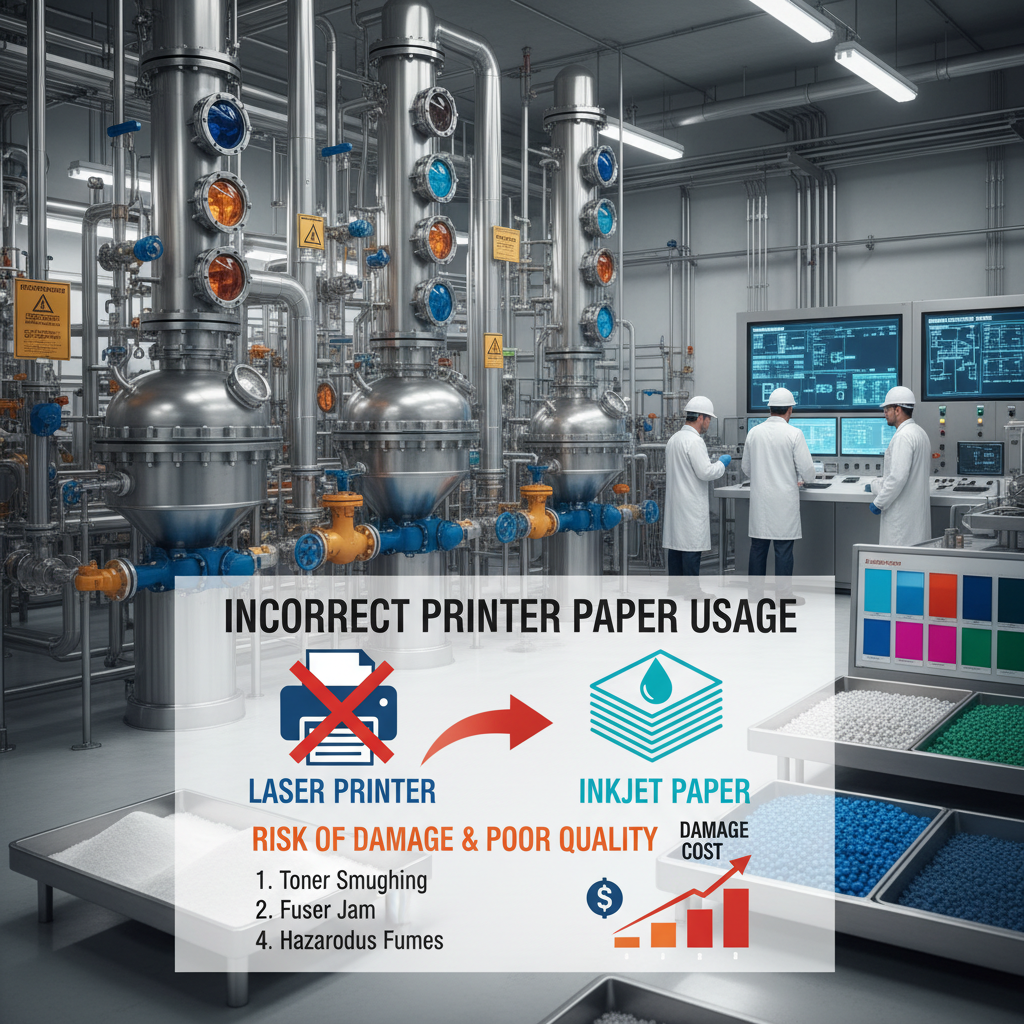
The best course of action is to always use paper specifically designed for laser printers. Look for paper labeled "Laser Guaranteed" to ensure compatibility. Laser paper is available in various weights and finishes to suit different printing needs, from everyday documents to professional presentations. LK International offers a wide selection of high-quality laser paper to meet all your printing requirements. Investing in the right paper safeguards your printer and ensures consistently excellent print results.
Using the correct paper in your laser printer is crucial for both printer longevity and print quality. While the temptation to use readily available inkjet paper might exist, the risks far outweigh any potential convenience. Stick to laser-guaranteed paper to ensure smooth operation, vibrant prints, and avoid costly repairs. Choose LK International for all your paper needs.
Laser paper comes in various weights (typically measured in pounds or grams per square meter), finishes (matte, glossy, satin), and brightness levels. Heavier weights are suitable for professional documents and presentations, while lighter weights are ideal for everyday printing. Different finishes provide varying levels of sheen and impact on color reproduction. The brightness level affects the contrast and clarity of the printed text and images. Selecting the appropriate paper depends on your specific printing needs and desired outcome.
The easiest way is to check for a "Laser Guaranteed" label on the packaging. This indicates that the paper has been tested and approved for use in laser printers. If there's no label, look for paper specifically marketed as "laser paper." Avoid using paper labeled solely for inkjet printers, as it's likely to cause problems. You can also check the paper's weight; laser printers typically work best with paper between 20 and 28 pounds.
First, immediately stop printing. Turn off the printer and carefully remove any remaining paper from the tray and the internal mechanisms. Inspect the fuser unit for any signs of melted coating or damage. If you suspect damage, it's best to consult a qualified printer technician. Running the printer with damaged components can lead to further issues. Preventative measures, such as ensuring correct paper stock, are always the best approach.
LK International is a trusted supplier of high-quality laser paper. We offer a wide range of options to meet all your printing needs, from standard office paper to specialty finishes. Our commitment to quality and competitive pricing makes us an ideal partner for businesses and individuals alike. We also offer expert advice to help you select the best paper for your specific printer and applications.
Lucky Medicinal Cold-Forming Composite Material

Backsheet Material Selection for Harsh Climates