

Oct . 20, 2025
In an era increasingly dominated by digital modalities, the strategic importance of traditional x ray film continues to be a critical consideration for medical institutions and industrial NDT practitioners worldwide. While digital radiography offers immediate viewing and advanced post-processing, film-based systems provide distinct advantages in specific contexts, particularly concerning image resolution, archival stability, and cost-effectiveness for certain applications. This article delves into the technical intricacies, market dynamics, and operational benefits of modern x ray film, offering insights for B2B decision-makers and technical professionals.
The diagnostic imaging market is experiencing a dual trajectory: rapid innovation in digital solutions coexisting with a sustained demand for traditional film. Global market analysis indicates a nuanced perspective. While CR and DR systems are seeing significant adoption due to workflow efficiency and dose reduction, the market for x ray film is stabilizing in niche segments. Factors driving this include the vast installed base of analog equipment, the need for robust, long-term archival solutions without complex digital migration, and superior spatial resolution in specific high-precision applications like mammography or industrial flaw detection where sub-millimeter details are paramount. Moreover, in regions with developing infrastructure or constrained budgets, the lower initial capital outlay for film-based systems remains a significant advantage. The shift is not absolute but rather a diversification, with film retaining its role for specialized needs and as a reliable backup.
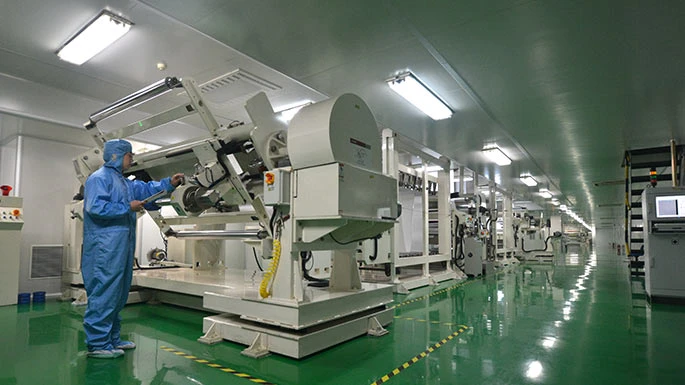
The production of high-quality x ray film is a sophisticated photochemical and mechanical engineering feat, demanding rigorous control at every stage to ensure consistent performance, sensitivity, and archival stability. This process directly impacts the film's ability to capture subtle diagnostic information and endure for decades.
Service Life: When stored under recommended conditions (cool, dry, away from radiation), unused x ray film typically has a shelf life of 24-36 months. Processed and properly archived films, especially those developed using stringent chemical controls and fixation, can maintain diagnostic quality for 50-100 years, providing unparalleled long-term archival reliability.
Target Industries & Advantages: The primary target industries include medical diagnostics (radiography, mammography), industrial Non-Destructive Testing (NDT) for critical infrastructure (petrochemical, aerospace, metallurgy), and scientific research. In these scenarios, film offers advantages such as high inherent spatial resolution (up to 5-10 line pairs/mm for specialized films, exceeding many digital flat panels), excellent image stability for long-term legal/medical records, and often superior contrast latitude for discerning subtle material variations or pathologies. For example, in industrial NDT, the fine grain of film is critical for detecting minute cracks in welds or castings, ensuring the integrity of structures in sectors like energy and transportation.
Understanding the technical specifications of x ray film is crucial for selecting the optimal product for specific diagnostic or industrial applications. Key parameters define a film's performance characteristics.
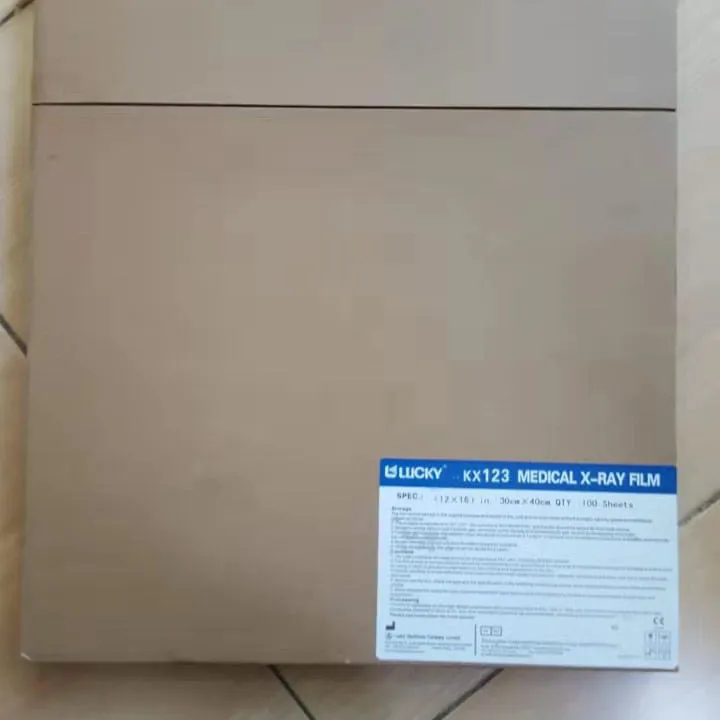
| Parameter | Lucky Kx123 (Blue Sensitive) | Lucky Kx171 (Green Sensitive) |
|---|---|---|
| Application | General Radiography with Blue Emitting Screens | General Radiography with Green Emitting Rare-Earth Screens |
| Spectral Sensitivity | Blue (400-480 nm) | Green (490-570 nm) |
| Film Speed | Medium (e.g., ISO Class 400 equivalent for general use) | High (e.g., ISO Class 800 equivalent for dose reduction) |
| Contrast | High Contrast | High Contrast |
| Graininess (RMS) | Fine | Fine-to-Medium |
| Base Material | Polyester, Blue Tinted | Polyester, Blue Tinted |
| Processing | Automatic 90-sec & Manual | Automatic 90-sec & Manual |
| Storage Conditions | 10-23°C, 40-60% RH | 10-23°C, 40-60% RH |
Note: Specific speed and contrast values are dependent on processing conditions and intensifying screen types. Values are indicative and subject to manufacturer's detailed specifications.
The versatility and reliability of x ray film ensure its continued prominence across diverse high-stakes environments. Its technical advantages often provide superior outcomes for specific imaging requirements.
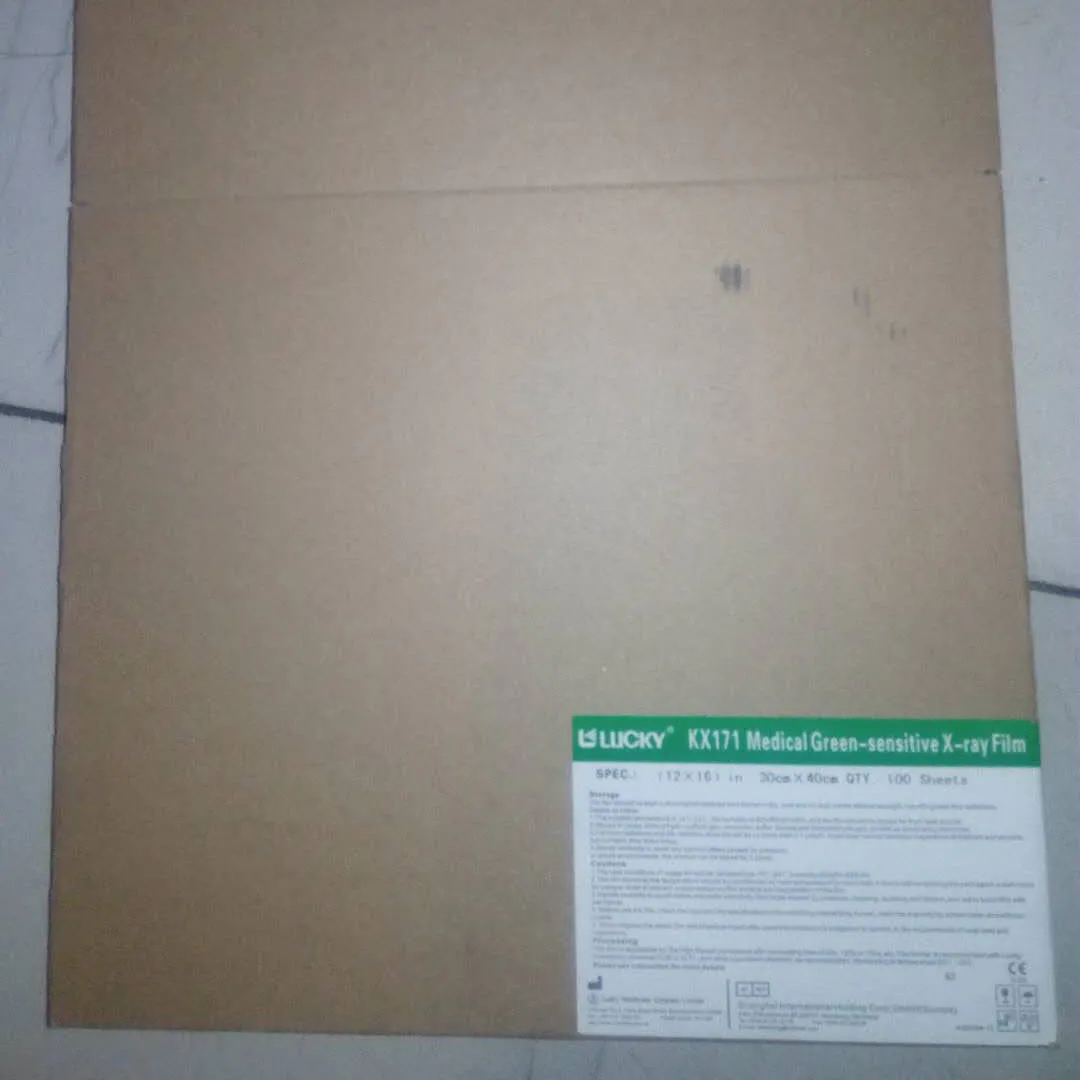
Selecting the right x ray film vendor involves evaluating product quality, consistency, and the ability to provide tailored solutions that meet specific operational and technical requirements.
| Feature/Criterion | Lucky Medical X Ray Film (Kx123/Kx171) | General Industry Standard Film |
|---|---|---|
| Emulsion Consistency | High, through stringent ISO-certified manufacturing. | Variable, depending on manufacturer's QC. |
| Image Sharpness | Optimized for high detail and minimal crossover. | Good, but can vary with spectral match. |
| Dose Efficiency | Engineered for balanced speed and image quality, supporting dose reduction (Kx171). | Standard for a given film speed class. |
| Archival Properties | Designed for long-term stability with proper processing. | Standard, dependent on base material and processing. |
| Certifications | ISO 9001, ISO 13485 (Medical Devices), CE, potentially FDA registered. | Typically ISO, but may lack specific medical device certifications for all products. |
| Customization Options | Yes, for specific sizes, packaging, or speed/contrast profiles on request. | Limited, usually standard product lines. |
Disclaimer: This table provides a general comparison. Specific product performance may vary.
For specialized applications, off-the-shelf x ray film may not always meet the exact requirements. Reputable manufacturers like Lucky Medical understand this need and offer customized solutions. This can include:
These bespoke solutions ensure that clients receive a product perfectly matched to their operational workflow, enabling optimal diagnostic output and efficiency.
Real-world applications underscore the continued value and efficacy of high-quality x ray film in critical diagnostic and inspection scenarios.
A leading orthopedic trauma center faced challenges with digital radiography in visualizing hairline fractures and subtle bone avulsions, particularly in extremities. After a consultation, they integrated Lucky Medical Kx123 blue-sensitive film for specific high-detail orthopedic cases. The fine grain and high contrast of the film, coupled with a matched intensifying screen, allowed radiologists to consistently detect minute pathological changes that were occasionally ambiguous on digital images. This led to a 15% reduction in equivocal diagnoses and improved surgical planning accuracy, resulting in better patient outcomes and reduced revision surgeries. The center appreciated the unparalleled resolution for critical assessments.
A major energy company conducting integrity assessments of aging petrochemical pipelines required a robust and highly sensitive method for detecting microscopic stress corrosion cracking and welding defects. Conventional digital NDT methods sometimes lacked the necessary spatial resolution for sub-millimeter flaw detection in thick-walled steel pipes. By employing industrial-grade x ray film from a leading supplier, they achieved superior defect recognition, consistently identifying defects as small as 0.05 mm. The film's wide exposure latitude also proved invaluable for inspecting welds of varying thicknesses on-site. The ability to produce permanent, verifiable film records for regulatory compliance was an added strategic benefit.
Q: What is the recommended storage for unused x-ray film?
A: Film should be stored upright in its original packaging in a cool (10-23°C), dry (40-60% RH) environment, away from direct sunlight, heat sources, and any ionizing radiation, to preserve its integrity and performance.
Q: How does film speed impact imaging?
A: Faster films require less radiation exposure, beneficial for dose reduction, but may exhibit slightly increased graininess. Slower films offer finer detail and higher resolution, often used for demanding applications like mammography or industrial precision NDT, but necessitate higher doses.
Q: Is film processing compatible with existing automatic processors?
A: Yes, Lucky Medical x ray film is designed for compatibility with standard 90-second automatic processors and manual processing techniques, provided appropriate chemicals and consistent quality control procedures are followed.
Standard stock items of Lucky Medical X Ray Film Kx123 & Kx171 are typically available for shipment within 3-5 business days of order confirmation. For large volume orders or customized specifications, lead times may range from 2-4 weeks, depending on production schedules and specific requirements. We maintain a robust supply chain to ensure timely delivery to our global clientele.
Lucky Medical x ray film is warranted against defects in materials and manufacturing for the duration of its stated shelf life, provided it has been stored and handled according to manufacturer's recommendations. Our commitment is to provide products of the highest quality and consistent performance. Any claims related to manufacturing defects will be promptly investigated and addressed.
Our dedicated customer support team and technical specialists are available to assist with product selection, application guidance, troubleshooting, and processing optimization. We offer comprehensive support to ensure our clients achieve optimal results with Lucky Medical x ray film. Contact us via phone, email, or through our website portal for expert assistance.
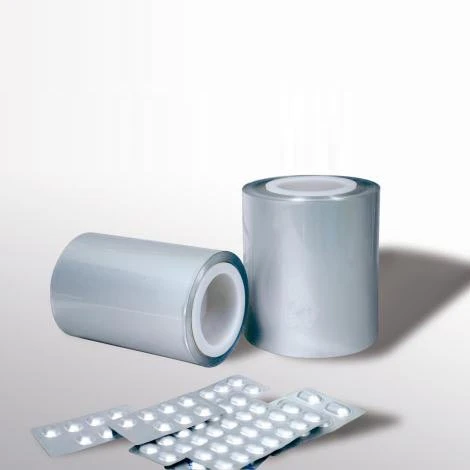
Lucky Medicinal Cold-Forming Composite Material
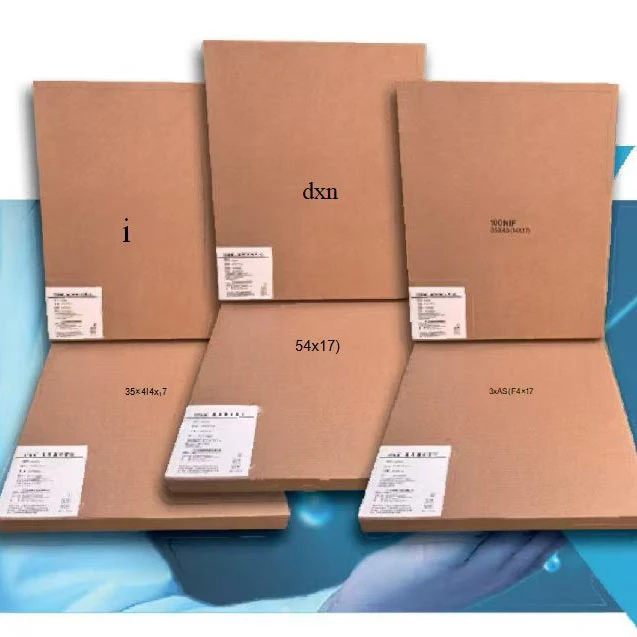
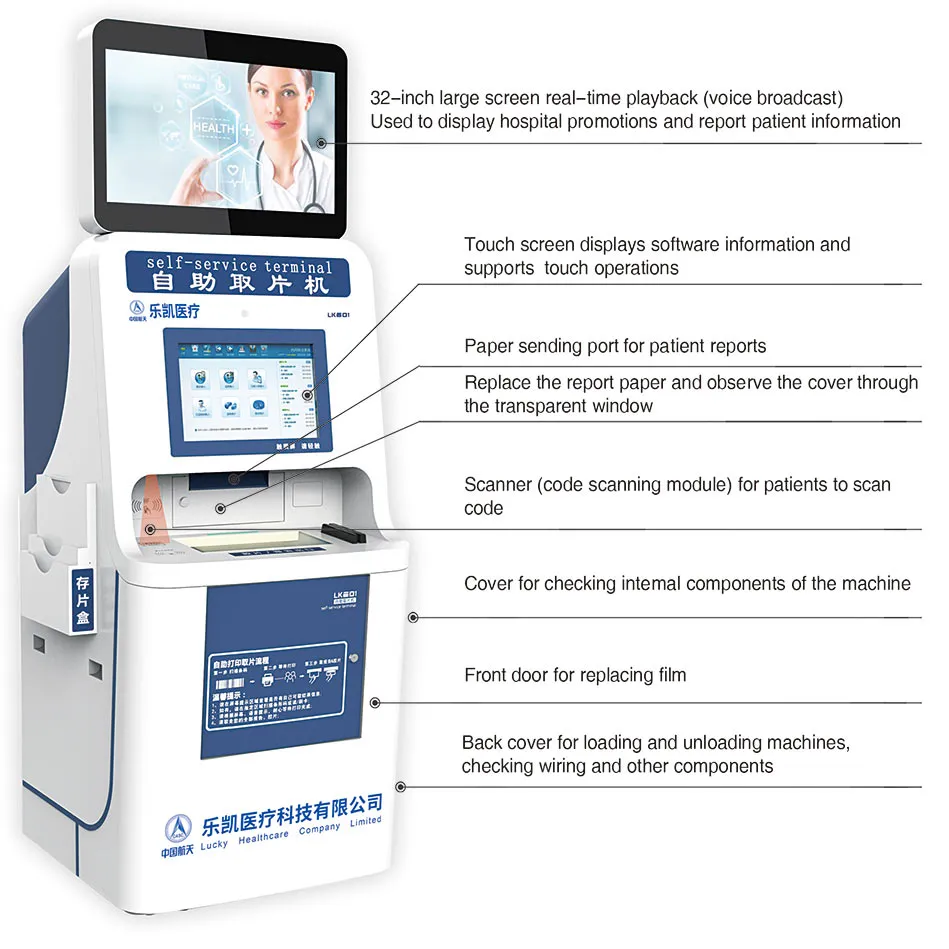
Efficient Patient Kiosk Check In | Hospital Self-Service Solutions