

Nov . 10, 2025
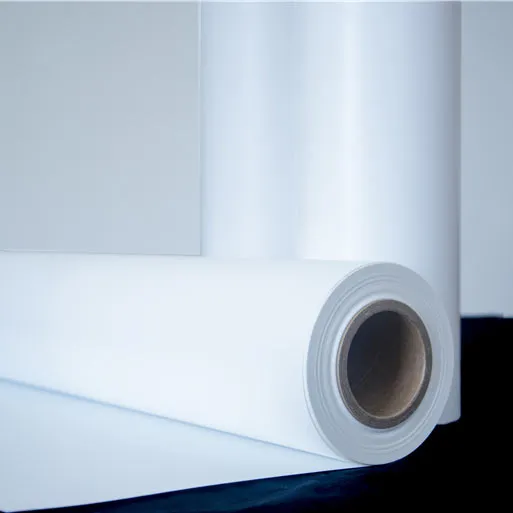
If module longevity keeps you up at night (it should), this product is worth a closer look. I’ve walked lines in Baoding and, to be honest, you can tell when a backsheet team obsesses over lamination windows and adhesion curves. Lucky’s Tpp1 is one of those—built around a PVF-based weather layer, which is still the benchmark in harsh UV. It comes out of No. 6, Lekai South Street, Baoding, Hebei, China—an address many in the coating world know by heart.
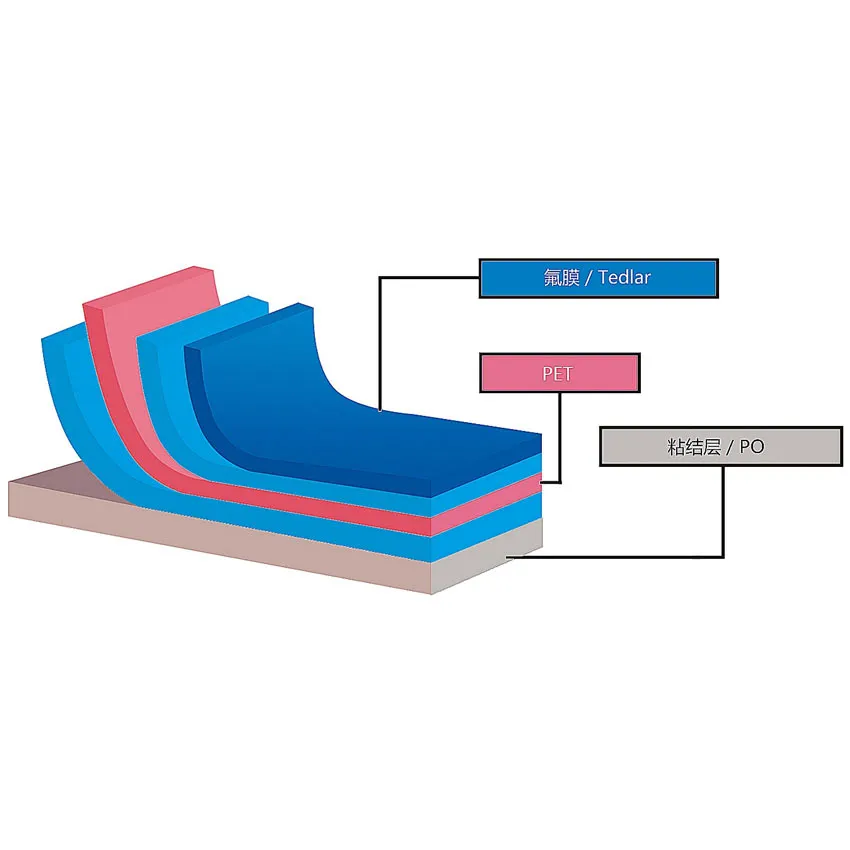
The outer weather-resistant layer uses high-quality PVF fluoropolymer film; the core is PET for mechanical strength; adhesive tie layers ensure long-term peel. In practice, that means decent UV holdout without sacrificing processability. The thickness precision is tight—operators mentioned routine gauge checks every roll change, which, surprisingly, not every factory does.
| Key spec (Tpp1) | Typical value (≈/around) | Notes |
|---|---|---|
| Total thickness | ≈ 300–360 μm | Customizable ±10% |
| Dielectric strength | > 18 kV | IEC 61730 method |
| WVTR @38°C/90%RH | ≈ 0.5–1.0 g/m²·day | Real-world use may vary |
| Peel strength (PET/adh.) | ≥ 6–8 N/cm | After DH 1000 h |
| Operating temp | -40 to +120°C | Short-term up to 150°C |
Materials: PVF weather layer, high IV PET core, proprietary adhesive. Methods: corona treatment → multi-roll lamination → aging → 100% visual + spark testing. Standards: IEC 61215-2 DH/UV, IEC 61730-2 safety, UL 61730 file-level evaluations, ASTM G154 UV, and peel tests per IEC TS 62788. Service life? Designed for 25–30 years, assuming standard module BOM and lamination parameters.
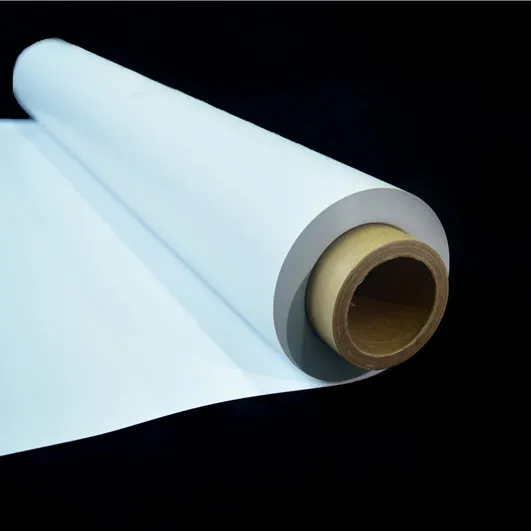
- Utility-scale in high-UV deserts (N-type TOPCon runs hotter; the Solar Backsheet stability matters).
- Coastal rooftops with salt-mist exposure (ask for salt-mist certified BOM).
- High-humidity tropics where PET-only stacks struggle.
Many customers say white backsheets add that extra watt; in fact, the light scatter often helps in half-cut layouts.
| Vendor/Type | Stack | UV holdout | Lead time | Cost tier |
|---|---|---|---|---|
| Lucky Tpp1 | PVF/PET/PVF | High (≈ Tier-1) | 2–4 weeks | Mid |
| Competitor A (premium) | PVF/PET/PVF | Very High | 4–6 weeks | High |
| Competitor B (economy) | PET/PET | Medium | 1–3 weeks | Low |
- Colors: white (high reflectance), black, or translucent.
- Thickness/roll width: around 980–1350 mm; special cuts on request.
- Print/ID options: serial, QR, traceability.
- Compliance: supports IEC 61215/61730 module certification; UL 61730 component recognition; factory typically runs ISO 9001/14001 systems.
A coastal 30 MW rooftop cluster in Southeast Asia trialed the Solar Backsheet in mixed BOMs. After 24 months: no visible chalking, yellowness index change ≈ ΔYI 1–2 (lab panel cut-outs), insulation resistance intact post salt-mist and DH 1000 h. It’s one data point, sure—but a reassuring one.
Module powers keep climbing, junction boxes run warmer, and developers chase LCOE. A robust Solar Backsheet guards against UV, humidity ingress, and mechanical fatigue—quietly extending asset life. Not flashy. Just essential.
References:
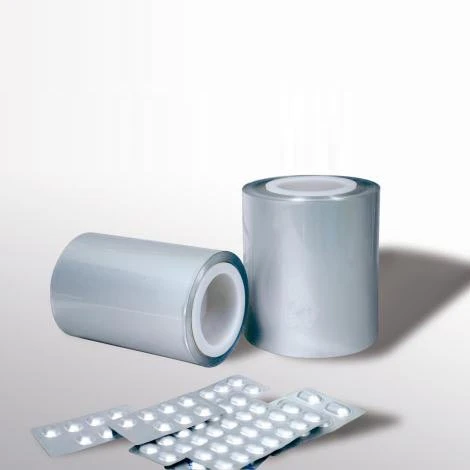
Lucky Medicinal Cold-Forming Composite Material
Color Photo Paper – Vivid, Instant-Dry, Waterproof Prints