

Oct . 08, 2025
Hospitals went “filmless,” sure—but radiology boards, tumor conferences, and surgeons walking into the OR still want something they can hold. That’s where mri films remain surprisingly relevant. To be honest, I’ve lost count of how many department heads told me, “We don’t print much… except when we really need to.”
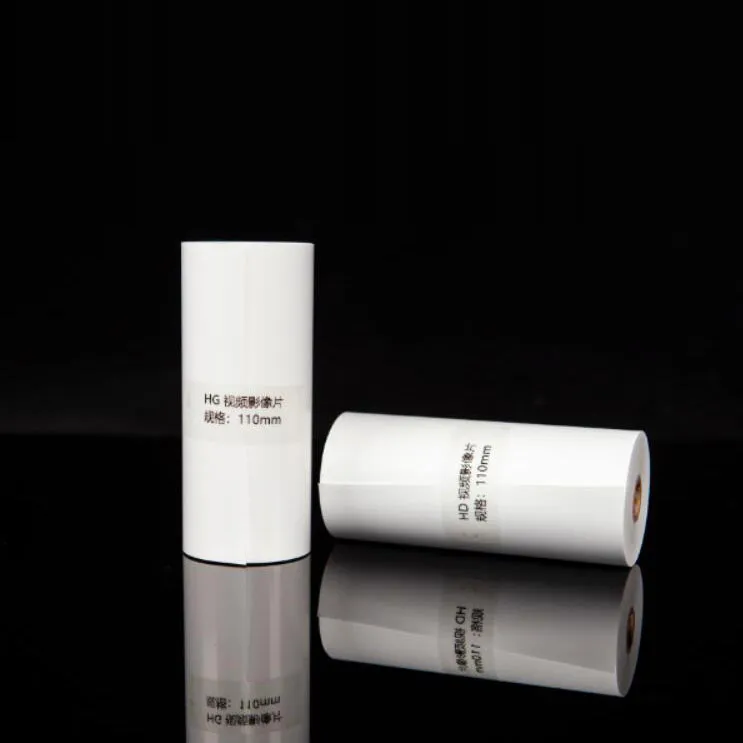
From No. 6, Lekai South Street, Baoding, Hebei, China, the Lucky Kx210 has been getting quiet praise in procurement circles. It’s a thermal video imaging film with broad printer compatibility (many ultrasound/MR hardcopy printers), high color density, tight grayscale control, fast heat transfer, and robust resistance to water, fingerprints, and even ultrasonic gel—because real-world use is messy.
In mixed modality departments, teams use Kx210 to print key MR sequences for board review while still handling day-to-day ultrasound prints seamlessly. It feels pragmatic rather than flashy, which—frankly—is what buyers tell me they want.
| Base material | PET base with dye-receiving layer + protective topcoat |
| Sizes | 210 mm width rolls/sheets; other widths on request |
| Thickness | ≈ 90–120 μm |
| Optical density (Dmax) | ≈ 3.0 (profile-dependent) |
| Grayscale levels | Precise tone steps; calibrated to GSDF workflows |
| Print speed | Fast heat transfer; very short thermal head contact time |
| Resistance | Water, fingerprints, gel droplets; high-temp/high-humidity color stability |
| Storage life | 12–24 months sealed; printed image longevity ≥ 7 years in controlled archives |
| Compatibility | Various thermal medical printers (check model list) |
Process flow (simplified): PET base selection → surface activation → dye-receiving layer coating → protective topcoat → thermal calibration → roll/sheet cutting → QC.
Methods and standards touchpoints: density and uniformity checks to GSDF-aligned targets; humidity/temperature stress; water-contact resistance (lab protocols inspired by ASTM D570); archival handling aligned with imaging materials good practice (ISO 18902). Facilities integrating Kx210 often include it in DICOM print pipelines and calibrate to the Grayscale Standard Display Function so film matches monitored images better.
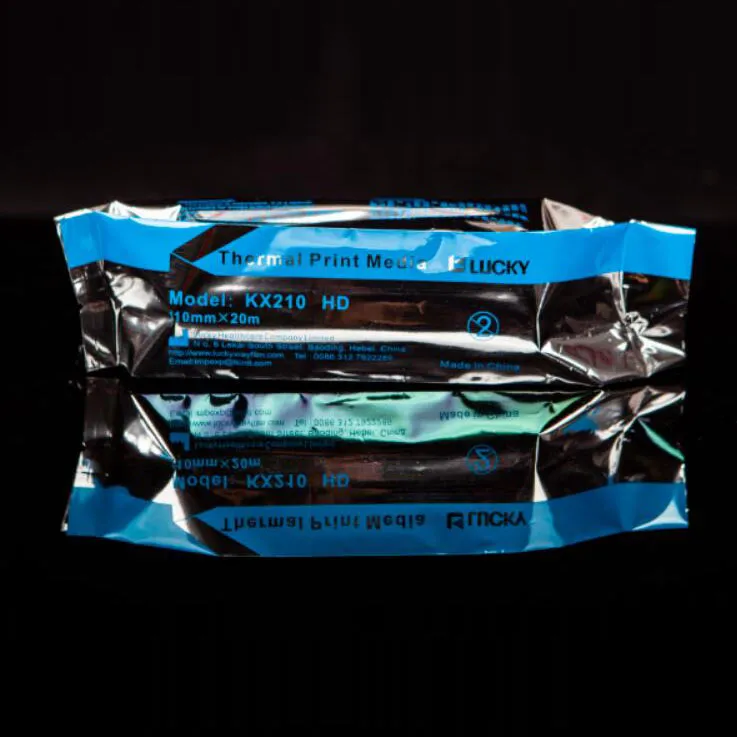
Internal bench tests (typical results): Dmax ≈ 2.9–3.1; ΔE drift after 7 days at 35°C/80% RH remained within tight tolerances for clinical hardcopy; smear resistance rated “high” after gel contact wipe-down. Real-world may vary by printer head condition and profiles.
| Vendor/Film | Typical Use | Strengths | Notes |
|---|---|---|---|
| Lucky Kx210 | MR/US thermal hardcopy | Fast print; water/gel resistance; balanced grayscale | Value-focused; broad compatibility |
| Sony UPT-210BL | Medical thermal printers | Widely supported; consistent density | Brand premium pricing |
| Mitsubishi KP-65HM | Ultrasound/MR hardcopy | Sharp detail; reliable | Model-specific compatibility |
Hospitals ask for private label cartons, custom widths (e.g., 110 mm/210 mm), and density targets tuned to MR series (T1, T2, FLAIR) so small lesions don’t get crushed in the mid-tones. Lucky offers OEM branding, profile presets, and packaging options to cut storage hassle. Certifications typically include ISO 13485 QMS and RoHS compliance; CE/UKCA documentation available on request.
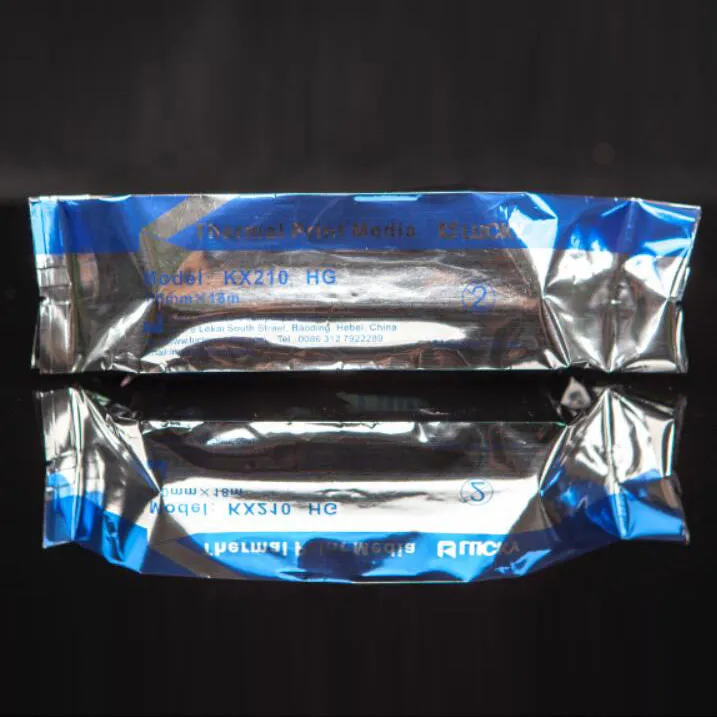
A 600-bed regional center shifted board-review prints to Kx210. After calibrating the printer to GSDF, radiologists reported fewer “too dark” mri films and a 17% reduction in reprints over three months. One surgeon told me, “It just looks closer to what I saw on PACS, which saves me time before scrub-in.” Not scientific, but telling.
If you still print selectively—and many do—the Lucky Kx210 is a practical, durable choice for dependable mri films. Calibrate once, keep the printer heads clean, and it’ll just get on with the job.
Lucky Medicinal Cold-Forming Composite Material
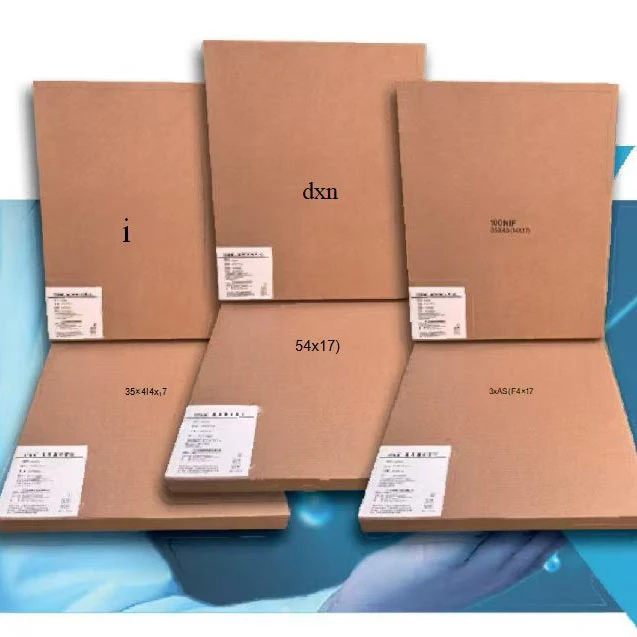
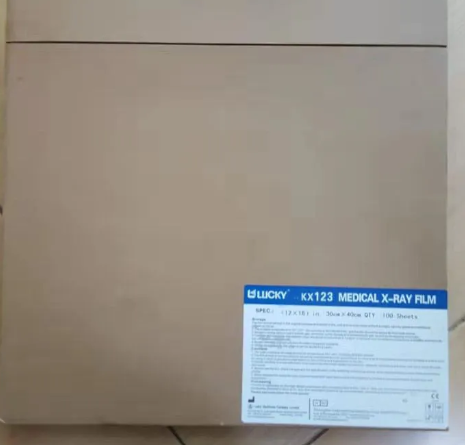
X Ray Film Printing in Pediatric Radiology