

Sep . 22, 2025
In the rapidly expanding photovoltaic (PV) industry, the selection of reliable solar backsheet suppliers is paramount for ensuring the longevity, efficiency, and safety of solar modules. The backsheet, often underestimated, serves as the outermost layer of a PV module, acting as a crucial protective barrier against environmental degradation, electrical insulation, and mechanical stress. Its robust construction safeguards the sensitive PV cells and encapsulants from moisture ingress, UV radiation, thermal cycling, and potential abrasion, thereby directly impacting the module's 25-year-plus operational lifespan.
Choosing the right backsheet involves a comprehensive evaluation of material science, manufacturing precision, and stringent performance criteria. Key considerations include the backsheet's ability to resist Potential-Induced Degradation (PID), maintain high reflectivity, dissipate heat effectively, and provide superior dielectric strength. As global demand for solar energy accelerates, the innovation within solar backsheet suppliers focuses on developing advanced composite materials that offer enhanced durability, reduced weight, and cost-effectiveness, all while adhering to international standards. This strategic focus ensures that PV modules can perform optimally in diverse and often harsh climatic conditions, from scorching deserts to humid coastal regions.
The performance of a solar backsheet is intrinsically linked to the overall reliability and economic viability of a solar power plant. A compromised backsheet can lead to module failure, reduced power output, and significant maintenance costs, undermining the investment. Therefore, understanding the technical specifications, manufacturing processes, and quality assurance protocols employed by leading suppliers is essential for B2B decision-makers in the solar energy sector.
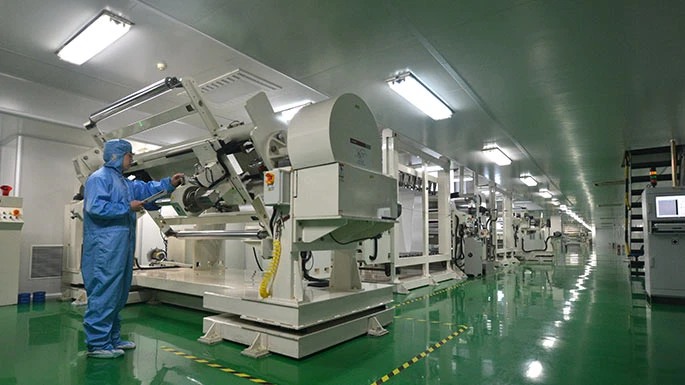
The production of high-performance solar backsheets is a sophisticated multi-stage process that combines advanced material science with precision engineering. Top solar backsheet suppliers employ rigorous quality control at each step to ensure the final product meets the demanding standards of the photovoltaic industry. The process typically involves several key stages, from raw material preparation to final testing and slitting.
Selection of high-grade fluoropolymer films (PVF, PVDF), PET core layers, and specialized adhesives. Quality inspection for purity and consistency.
For certain types of backsheets (e.g., co-extruded structures), polymer resins are extruded into thin films, precisely controlling thickness and molecular orientation.
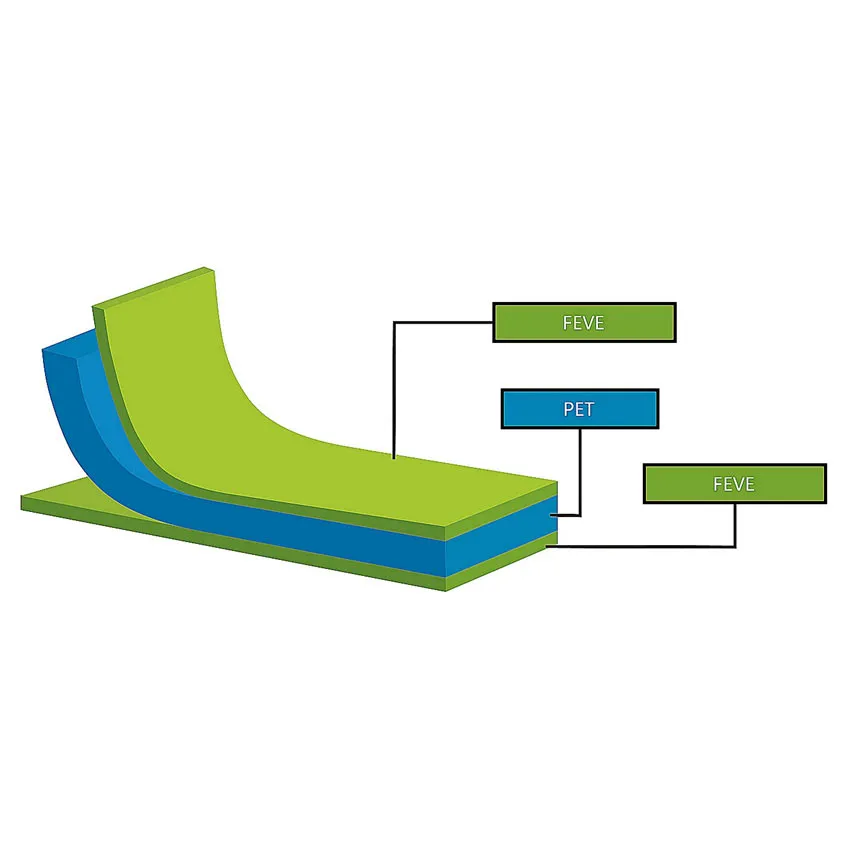
Multiple layers (e.g., protective outer layer, PET core, inner adhesive layer) are precisely laminated together under controlled temperature and pressure using specialized adhesives. This ensures robust adhesion and eliminates air pockets.
After lamination, the composite film undergoes a curing process, often involving heat, to fully bond the layers and stabilize the material properties, enhancing durability and preventing delamination.
Plasma treatment or other surface modifications may be applied to enhance adhesion to encapsulants or improve UV resistance.
Extensive testing is conducted including mechanical strength, UV resistance (IEC 61215, IEC 61730), partial discharge, dielectric breakdown voltage, moisture vapor transmission rate (MVTR), and adhesion strength. ISO 9001 and ISO 14001 standards are strictly followed.
The finished backsheet rolls are slit to specific widths required by module manufacturers and carefully packaged to prevent damage during transit.
Adherence to international standards is non-negotiable for reputable solar backsheet suppliers. The primary standards include IEC 61215 (design qualification and type approval of PV modules) and IEC 61730 (safety qualification of PV modules). These standards mandate rigorous tests for UV exposure, damp heat, thermal cycling, and mechanical load. For instance, the Damp Heat Test (DH1000) exposes backsheets to 85°C and 85% relative humidity for 1000 hours, simulating accelerated aging to predict performance over a 25-30 year service life. Partial discharge tests evaluate the electrical insulation integrity under high voltage, critical for safety.
Solar backsheets are integral to every segment of the PV market.
The advantages in these scenarios include not only enhanced corrosion resistance and electrical insulation but also indirect energy saving through the preservation of module efficiency over its entire lifespan. A superior solar backsheet film prevents moisture ingress and UV degradation, which are common causes of power loss and premature module failure, thus ensuring sustained energy output and optimal system performance.
The solar backsheet industry is dynamic, driven by continuous innovation to meet evolving PV module designs and performance demands. Current trends highlight a shift towards thinner, lighter, and more cost-effective materials, alongside a strong emphasis on enhanced durability and environmental sustainability.
The Lucky Cpcw1 Solar Backsheet, a product from leading solar backsheet suppliers, exemplifies the integration of advanced materials and rigorous engineering to deliver superior protection. This specific backsheet is engineered for durability and performance in diverse environmental conditions.
| Parameter | Value/Specification | Test Standard |
|---|---|---|
| Product Name | Lucky Cpcw1 Solar Backsheet | N/A |
| Structure Type | CPC (Co-extruded Protective Layer + PET Core) | Proprietary |
| Total Thickness | 280 ± 20 µm | ISO 4593 |
| Tensile Strength (MD/TD) | ≥ 80 N/15mm / ≥ 70 N/15mm | ASTM D882 |
| Elongation at Break (MD/TD) | ≥ 80% / ≥ 80% | ASTM D882 |
| Adhesion Strength (to EVA) | ≥ 50 N/cm (initial) | IEC 61215 |
| Water Vapor Transmission Rate (MVTR) | ≤ 1.5 g/(m².24h) @ 38°C, 90% RH | ASTM E96 |
| Dielectric Breakdown Voltage | ≥ 15 kV | IEC 61730 |
| Partial Discharge (PD) | ≤ 5 pC @ 1200V | IEC 60664-1 |
| UV Resistance (TUV/UL) | Favorable, passes 3000kWh/m² | IEC 61215, UL 746C |
| Operating Temperature Range | -40°C to +85°C | N/A |
| Flammability Rating | UL 94 V-0 equivalent | UL 94 |
Note: MD = Machine Direction, TD = Transverse Direction. Values are typical and subject to production variation.
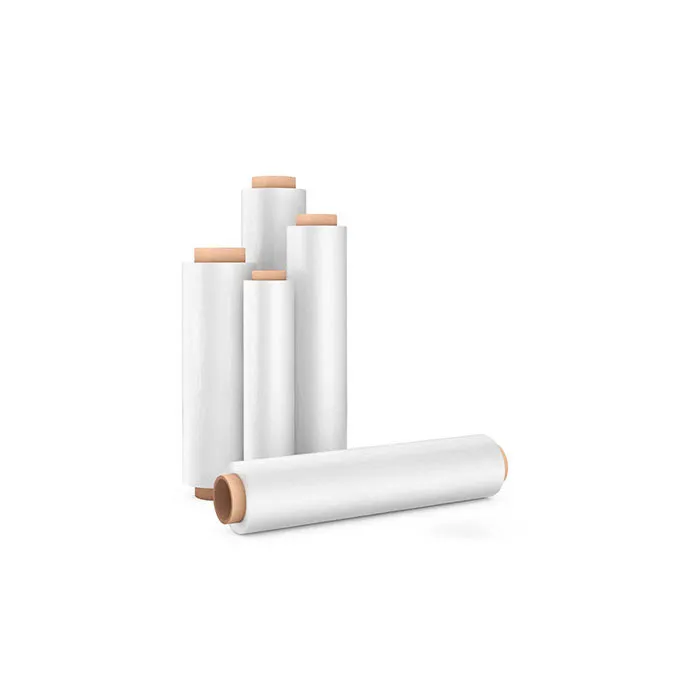
The diverse range of solar backsheets available from specialized solar backsheet suppliers allows for optimized performance across various photovoltaic applications. Each application demands specific characteristics to ensure maximum module lifespan and efficiency.
High-quality solar backsheet material provides a multitude of technical advantages:
These technical advantages translate directly into enhanced energy generation, reduced operational risks, and a significantly longer useful life for solar PV modules, ultimately optimizing the return on investment for solar project developers and asset owners.
The market for solar backsheets is competitive, with numerous solar backsheet suppliers offering a range of products. A strategic vendor comparison is essential for B2B procurement to align product specifications with project requirements and budget. Furthermore, many leading suppliers now offer customized solutions to address unique application challenges.
Backsheets are typically categorized by their material composition, each offering a distinct balance of performance and cost.
| Feature | TPT (Tedlar/PET/Tedlar) | KPC (Kynar/PET/Co-extruded) | Co-extruded (e.g., CPC) | Fluorine-Free (e.g., PP-based) |
|---|---|---|---|---|
| Outer Layer | PVF (Tedlar®) film | PVDF (Kynar®) film | Co-extruded protective polymer (e.g., acrylic/polyolefin) | Polyolefin, PET, or specialized polymer blends |
| Core Layer | PET (Polyester) | PET (Polyester) | PET (Polyester) or other specialized core | PET or polymer composites |
| UV Resistance | Excellent (benchmark) | Excellent | Very Good to Excellent (material dependent) | Good to Very Good (rapidly improving) |
| Hydrolysis Resistance | Very Good | Good | Good to Very Good | Good to Excellent |
| PID Resistance | Good | Very Good | Excellent (especially with optimized inner layers) | Excellent (often inherent with specific polymer types) |
| Cost-Effectiveness | High | Medium-High | Medium | Medium-Low (trending lower) |
| Environmental Impact | Fluorine-based | Fluorine-based | Varies (can be fluorine-free) | Lower (fluorine-free) |
Note: TPT (Tedlar/PET/Tedlar) and KPC (Kynar/PET/Coated) are common industry acronyms. Co-extruded backsheets encompass a wide range of fluorine-containing or fluorine-free structures, with CPC (Co-extruded Protective Layer + PET Core) being a specific example.
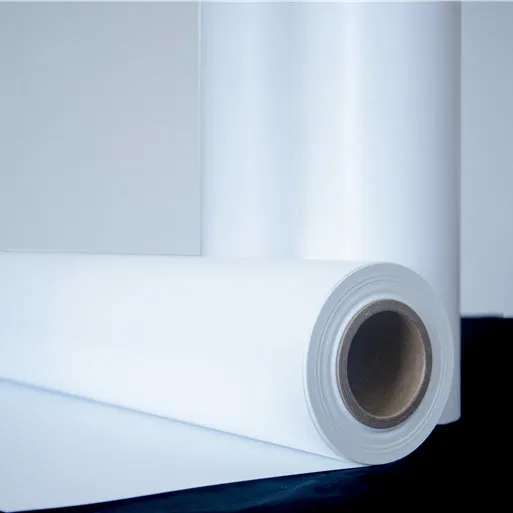
Recognizing that no two solar projects are identical, leading solar backsheet suppliers offer tailored solutions beyond standard product lines. This customization can involve:
This bespoke approach allows PV module manufacturers to differentiate their products and address niche markets or overcome specific environmental challenges, showcasing the expertise and flexibility of advanced solar backsheet film manufacturers.
Establishing authoritativeness and trustworthiness is critical for B2B transactions in the solar industry. Reputable solar backsheet suppliers demonstrate this through certifications, partnerships, transparent data, and robust customer support frameworks.
A key indicator of quality and reliability is adherence to international standards and certifications. Leading suppliers ensure their products, such as the Lucky Cpcw1 solar back sheet, are rigorously tested and certified by independent bodies. This includes:
Real-world deployments demonstrate the proven performance of backsheets.
A major utility-scale solar farm in the Middle East, commissioned in 2018, utilized modules equipped with high-performance pv module backsheet from a leading supplier. The modules were exposed to extreme UV levels, daily temperature swings exceeding 40°C, and abrasive sandstorms. After five years of operation, inspections revealed no signs of backsheet yellowing, cracking, or delamination. Electrical insulation remained intact, and power output degradation was well within predicted ranges, underscoring the backsheet's critical role in maintaining module integrity in challenging desert environments.
Customer Feedback: "The reliability of the backsheets has been a cornerstone of our project's success. We experienced minimal module failures attributable to the backsheet, which is crucial for our operational efficiency and long-term ROI."
In a humid, salty coastal environment in Southeast Asia, a commercial rooftop solar array installed in 2019 used modules featuring advanced anti-PID backsheets. The high humidity and airborne salinity typically accelerate material degradation and PID. Regular performance monitoring and electroluminescence imaging, conducted over four years, showed excellent resistance to PID and no significant moisture ingress, preserving the modules' power output and ensuring system stability despite the corrosive atmosphere.
Customer Feedback: "Our choice of backsheet was critical for this humid coastal site. We've seen outstanding performance and no signs of PID, which validates our decision and supports our long-term energy generation goals."
The selection of the right solar backsheet is a strategic decision that significantly impacts the overall performance, safety, and economic viability of photovoltaic modules. As the solar industry continues its rapid growth, the demand for high-quality, durable, and innovative backsheet solutions will only intensify. Partnering with established and forward-thinking solar backsheet suppliers is therefore essential for PV module manufacturers seeking to enhance product reliability, extend operational lifespans, and meet the stringent requirements of diverse global markets.
The continuous evolution in material science, manufacturing processes, and testing protocols ensures that modern solar backsheets offer unparalleled protection against environmental stressors, electrical hazards, and mechanical degradation. By focusing on suppliers that demonstrate expertise, experience, authoritativeness, and trustworthiness through certifications, detailed technical specifications like those of the Lucky Cpcw1, and robust customer support, B2B decision-makers can ensure their investments in solar technology are safeguarded for decades to come, contributing to a sustainable and efficient energy future.
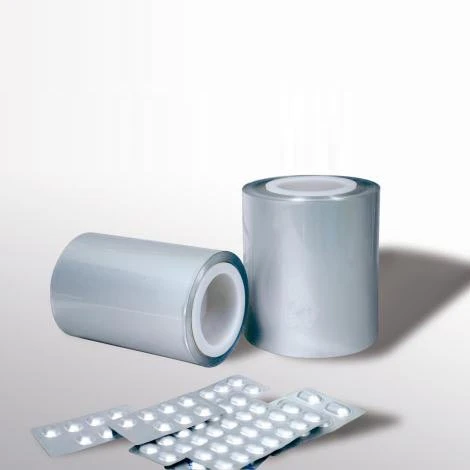
Lucky Medicinal Cold-Forming Composite Material
Environmental Impact of DICOM Printer Usage