

Apr . 09, 2026
For photography enthusiasts and professional labs alike, the magic of capturing a moment doesn't end with the click of a shutter. The critical transition from a latent image to a visible masterpiece relies entirely on the quality of the photo film developer. This chemical agent is responsible for converting exposed silver halide crystals into metallic silver, defining the contrast, grain, and overall tonal range of the final print. Understanding how to select and use the right developer is essential for anyone looking to achieve gallery-quality results in the darkroom. In this comprehensive guide, we will explore the science, types, and best practices for using professional-grade developers to ensure your memories are preserved with absolute clarity.
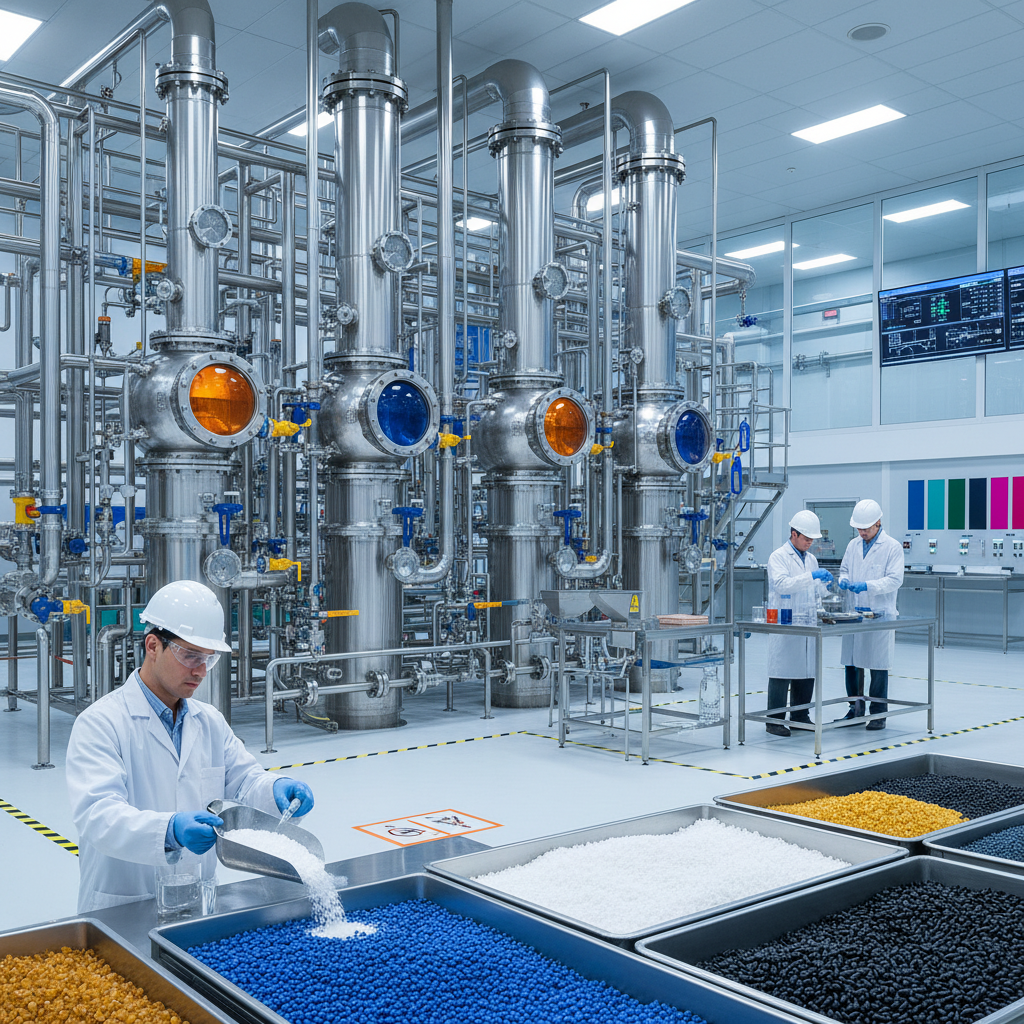
At its core, a photo film developer acts as a reducing agent. When film is exposed to light, a small amount of silver halide is activated. The developer selectively targets these activated crystals, reducing them to black metallic silver. The precision of this process determines the "sharpness" and "grain" of the image. If the developer is too aggressive, it may cause "fogging" or excessive grain; if it is too weak, the shadows may lack detail. Professional developers are formulated with specific accelerators and preservatives to maintain a consistent reaction rate, ensuring that every frame of your roll is developed uniformly.
Not all films are created equal, and neither are their developers. Depending on whether you are shooting high-contrast street photography or soft-toned portraits, your choice of photo film developer will drastically alter the outcome. Fine-grain developers are ideal for large prints where texture must be minimized, while high-contrast developers are preferred for graphic, bold imagery. Many professionals prefer a balance between speed (the time it takes to develop) and resolution. Below is a comparison of the most common developer categories used in the industry today.
Using a photo film developer requires strict adherence to environmental variables. Temperature control is the most critical factor; a difference of even two degrees Celsius can lead to over-development or under-development, causing inconsistent density across your images. Additionally, agitation techniques—the process of gently shaking the tank—ensure that fresh chemicals constantly reach the film surface, preventing "bromide drag" and uneven development streaks.
Pro Tip: Always use distilled water when mixing your developer chemicals to avoid mineral interference, which can create spotting or streaks on your negatives.
When sourcing your photo film developer, you will likely encounter two main formats: pre-mixed liquids and concentrated powders. Liquid developers offer the advantage of convenience and consistency, as they are calibrated by the manufacturer. Powder developers, however, are often more cost-effective for high-volume labs and have a significantly longer shelf life before mixing. For those who prioritize speed and reliability, liquids are the way to go; for those managing a budget or long-term storage, powders are superior.
To ensure the highest quality of image reproduction, it is important to understand the chemical specifications of your photo film developer. Most industrial-grade developers are designed to work within a specific pH range to optimize the reduction of silver halides. The following table outlines the standard specifications you should expect from a high-performance developer solution.
The journey from a roll of film to a stunning photograph is a delicate balance of art and science. By selecting a high-quality photo film developer and mastering the variables of temperature, time, and agitation, you can unlock the full potential of your film stock. Whether you are a hobbyist or a commercial lab, the quality of your chemicals is the foundation of your image quality. Invest in professional solutions to ensure that your vision is captured with precision, depth, and timeless clarity.
The lifespan of a developer depends on its chemical composition and usage. Liquid developers usually have a set expiration date, but once mixed, they begin to oxidize. For high-volume labs, it is recommended to replace the solution after a certain number of rolls (e.g., 10-15 rolls) to avoid a loss in contrast and an increase in grain. If you notice the solution changing color significantly or if your negatives are starting to look "flat," it is time for a fresh batch. Storing the developer in an airtight, opaque bottle in a cool environment can extend its usability.
No, you cannot. Black and white developers are designed to reduce silver halides into metallic silver. Color film, however, uses a much more complex process involving dye couplers and a series of different developers (often referred to as C-41 or E-6 processes). Using a B&W developer on color film will not produce a color image and may ruin the film entirely. Always ensure that your photo film developer is specifically matched to the type of film you are processing to achieve the intended results.
Over-development occurs when the film remains in the developer for too long or the temperature is too high. This typically results in increased contrast, where the highlights become "blown out" (pure white with no detail) and the grain becomes much more prominent and harsh. While some photographers use "push processing" (intentional over-development) to create a gritty, high-contrast look, accidental over-development usually leads to a loss of detail in the brightest areas of the image, making the photo look unnatural and overly sharp.
Yes, agitation is crucial. As the developer works, it creates a "boundary layer" of exhausted chemicals and bromide ions immediately surrounding the film emulsion. If the film is left static, this layer prevents fresh developer from reaching the silver halides, leading to uneven development, streaks, or a lack of density in the shadows. Proper agitation—typically a few seconds every minute—replenishes the active chemicals and ensures a consistent, smooth tonal transition across the entire image. However, over-agitation can increase grain, so following a standardized routine is key.
Lucky Medicinal Cold-Forming Composite Material

Inkjet Heat Transfer Paper A4 - Reliable, High-Quality Transfers