

Apr . 07, 2026
The world of film photography is experiencing a vibrant resurgence, and with it, a renewed interest in the art of chemical development. But navigating the options for developing chemicals photography can be daunting. This guide will break down the essentials, covering types of developers, fixing agents, and the crucial considerations for achieving stunning results. Whether you're a seasoned pro or a curious beginner, understanding these chemicals is key to unlocking the magic of analog photography. Choosing the right chemicals dramatically impacts image quality, longevity, and your creative control.
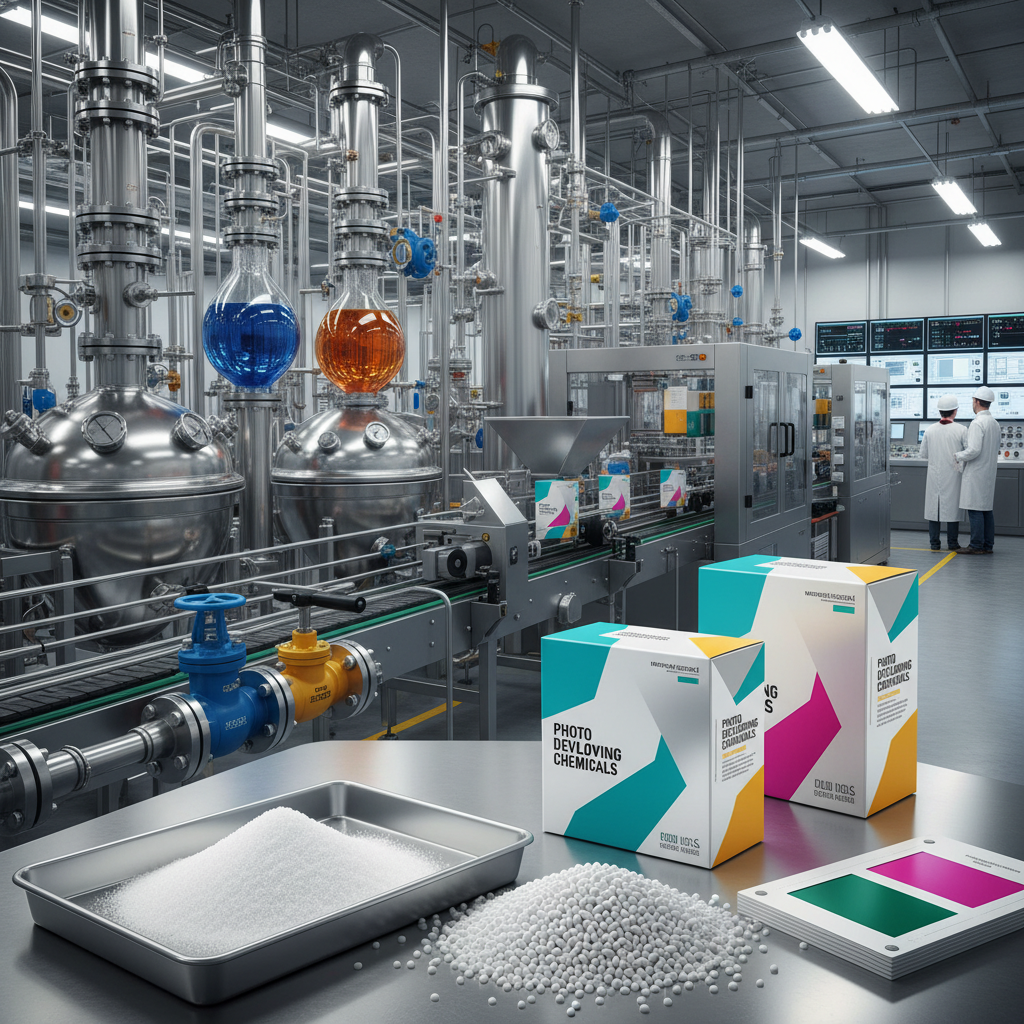
The development process typically involves three core stages: development, stop bath, and fixing. Each relies on specific chemicals to convert the latent image on the film into a visible negative. The developer transforms the exposed silver halide crystals into metallic silver, creating the image. A stop bath quickly neutralizes the developer, halting the developing process. Finally, the fixer (or fixing agent) removes the unexposed silver halide crystals, making the image permanent and no longer sensitive to light. Mastering the interplay of these chemicals is essential for consistent and high-quality results.
Key Takeaway: The three main chemicals in film development - developer, stop bath, and fixer - each play a crucial role in transforming a latent image into a visible negative.
Different types of developers offer unique characteristics, impacting contrast, grain, and overall image tone. Common options include D-76, HC-110, and Rodinal. D-76 is a versatile, general-purpose developer known for its fine grain and good sharpness. HC-110 is another popular choice, offering excellent sharpness and tonal range. Rodinal, an older formula, produces a distinctive grainy look and is favored by photographers seeking a classic aesthetic. Understanding these differences allows you to tailor the development process to your specific artistic vision.
Developer Characteristics:
• D-76: Fine grain, good sharpness, versatile.
• HC-110: Excellent sharpness, tonal range.
• Rodinal: Distinctive grain, classic aesthetic.
The fixing agent, often based on ammonium thiosulfate or sodium thiosulfate (hypo), is critical for removing unexposed silver halide crystals. This process not only makes the image visible but also stabilizes it, preventing further development and ensuring its permanence. Insufficient fixing can lead to image fading or deterioration over time. Proper fixing time and agitation are essential for optimal results. Using a hardening fixer after the main fix can help protect the emulsion and reduce the risk of scratches.
Working with developing chemicals photography requires careful attention to safety. These chemicals can be irritants or even corrosive. Always work in a well-ventilated area, wear gloves and eye protection, and avoid contact with skin. Proper disposal of used chemicals is also crucial – never pour them down the drain. Check local regulations for guidance on safe chemical disposal practices. Always read and follow the manufacturer’s instructions on the product packaging.
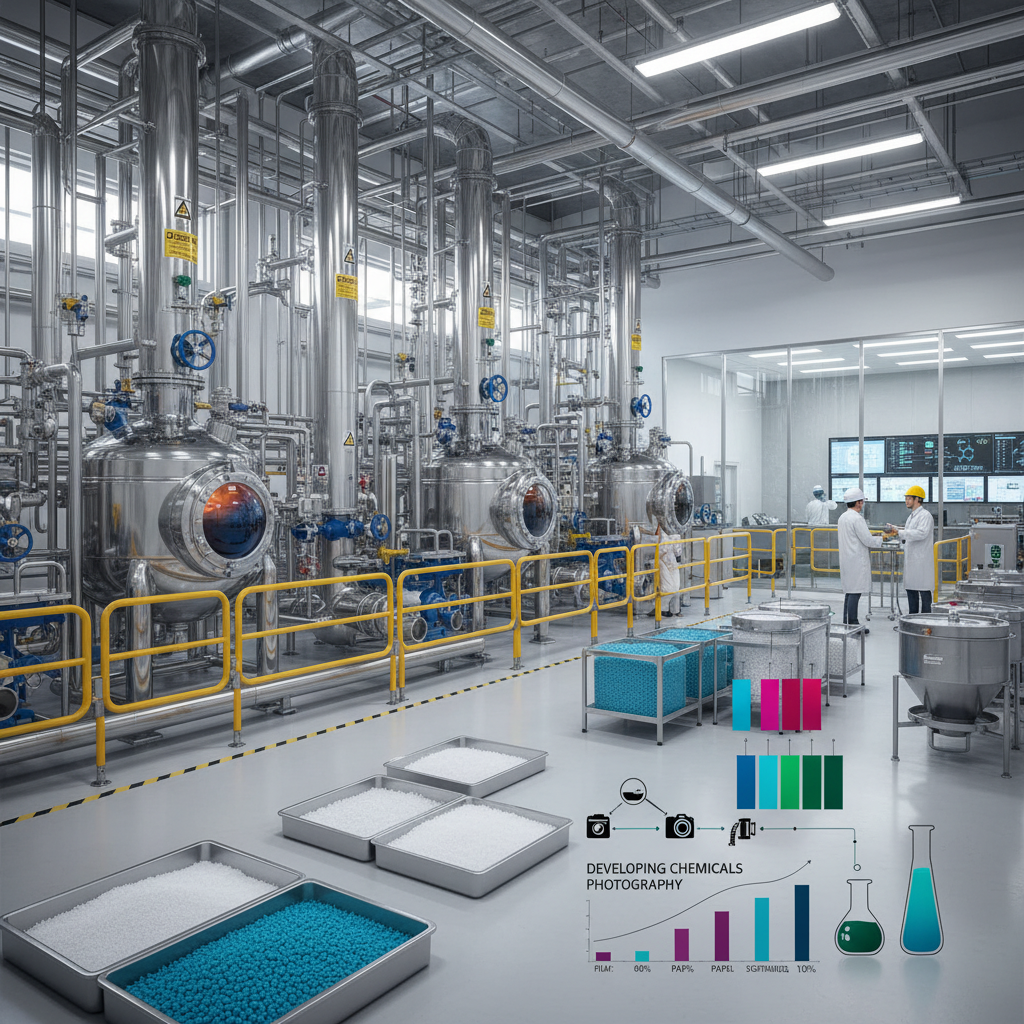
At LK International, we offer a comprehensive range of high-quality developing chemicals to meet the needs of every photographer. From classic developers like D-76 and HC-110 to reliable fixing agents, we provide the tools you need to achieve exceptional results. Our team is committed to providing expert advice and support to help you select the right chemicals for your specific films and desired aesthetic. Explore our selection today and elevate your film photography experience.
Mastering the art of film development requires a solid understanding of the chemicals involved. By choosing the right developers and fixing agents, prioritizing safety, and following best practices, you can unlock your photographic potential and create stunning, timeless images. LK International is your trusted partner in achieving photographic excellence.
Developing chemicals do have a shelf life, though it varies depending on the chemical and how it’s stored. Generally, unopened developers and fixers can last for several years. Once opened, they should be used within 6-12 months for optimal performance. Expired chemicals can lead to inconsistent results, reduced contrast, and increased grain. Proper storage – in airtight containers, away from light and heat – can help extend their lifespan. Look for expiration dates on the packaging.
Never pour used developing chemicals down the drain. This can contaminate water supplies and harm the environment. The proper disposal method varies depending on your location. Many photo labs and some local recycling centers offer chemical disposal services. You can also neutralize some chemicals (like stop bath) with appropriate acids or bases, but this should be done cautiously and according to established safety protocols. Check with your local authorities for specific regulations.
Mixing different types of developers is generally not recommended. Developers have different chemical compositions, and combining them can lead to unpredictable results, including staining, uneven development, and image degradation. Stick to using a single developer per batch of film to ensure consistent and reliable outcomes. Experimentation is great, but keep it controlled by using separate solutions for each test.
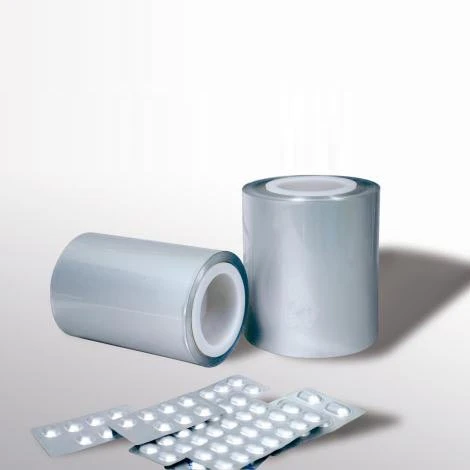
Lucky Medicinal Cold-Forming Composite Material
Lucky KPCW1 Solar Backsheet - Baoding Lekai International Ltd. | UV Protection, Weather Durability