

Apr . 04, 2026
For photographers who cherish the artistry of traditional darkroom techniques, selecting the right black and white photographic paper and chemicals is paramount. This guide offers a deep dive into the world of silver halide printing, covering everything from paper types and chemical developers to storage and troubleshooting. Whether you’re a seasoned pro or just beginning your analog journey, understanding these materials is crucial for achieving stunning results. We’ll explore the nuances of each component and how they work together to create timeless images.
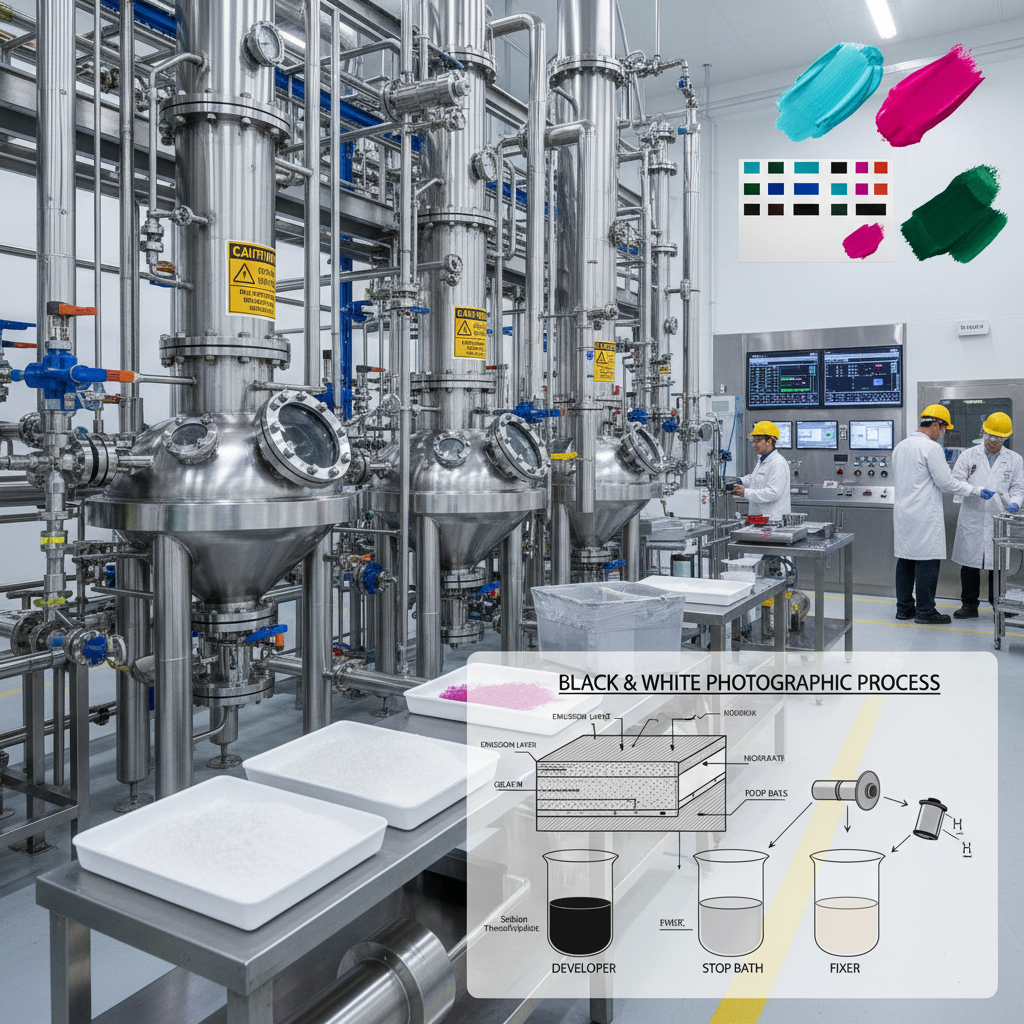
Black and white photographic paper is the foundation of the darkroom process. It’s a light-sensitive material coated with a silver halide emulsion. Different paper types offer varying characteristics in terms of contrast, tone, surface texture, and weight. Resin-coated (RC) paper is popular for its convenience—it's faster processing and easier handling—while fiber-based (FB) paper is prized for its archival qualities and rich tonality. Choosing the right paper depends on your artistic vision and desired longevity of the prints. Consider factors like contrast range, sharpness, and the intended display method.
Key Considerations: Different paper weights and finishes influence the final print's look and feel. Fiber-based papers generally offer better archival stability, but require more careful processing and drying.
Developing black and white photographs requires several key chemicals, each playing a critical role in bringing the latent image to life. The developer converts the exposed silver halide crystals into metallic silver, creating the visible image. The stop bath halts the development process, preventing overdevelopment. The fixer removes the unexposed silver halide crystals, making the image permanent. Finally, a wetting agent helps prevent water spots during drying. The quality of these chemicals directly impacts the final print quality, so selecting reputable brands like those available at LK International is crucial.
Chemical Roles:
• Developer: Converts exposed silver halide into metallic silver.
• Stop Bath: Neutralizes the developer.
• Fixer: Removes unexposed silver halide.
• Wetting Agent: Prevents water spots.
The choice between Resin-Coated (RC) and Fiber-Based (FB) black and white photographic paper is a fundamental one. RC papers offer convenience, faster processing times, and a flatter, smoother surface. They are ideal for beginners and situations where quick turnaround is essential. FB papers, on the other hand, are known for their archival quality, richer tonality, and ability to hold fine detail. They require more meticulous processing and drying techniques but yield prints that are considered more timeless and durable.
The developer you choose significantly impacts the final look of your print. Different developers emphasize different characteristics – some are designed for high contrast, others for fine grain, and still others for maximum shadow detail. Consider your aesthetic preferences and the type of images you’re developing when selecting a developer. For example, a developer designed for push processing is ideal for underexposed negatives, while a standard developer is suitable for normally exposed images. Proper dilution and temperature control are also vital for consistent results. You can find a comprehensive selection of developers at LK International.

Proper storage is crucial for maintaining the quality and longevity of your black and white photographic paper and chemicals. Paper should be stored in a cool, dark, and dry place, away from direct sunlight and moisture. Chemicals should be stored in tightly sealed containers, away from heat and contaminants. Always check the expiration dates on chemicals and discard any that have expired. Properly stored materials will ensure consistent results and minimize waste.
The world of black and white photography offers a unique level of creative control and artistic expression. By understanding the characteristics of different papers and chemicals, and employing proper storage techniques, you can consistently produce stunning and archival-quality prints. Resources like LK International provide the materials and expertise you need to elevate your darkroom skills and bring your vision to life.
Water spots are a common issue in film processing. The key is to use a wetting agent during the final wash. Wetting agents reduce surface tension, allowing water to sheet off the print evenly instead of forming droplets. Ensure your wash water is clean and flowing consistently. Also, avoid drying prints in a dusty environment. Proper drying techniques, such as using a print dryer or hanging prints in a clean, dust-free room, are essential. Using distilled water for the final rinse can also minimize spotting.
Determining the correct development time requires some experimentation. Start with the developer manufacturer’s recommendations for your specific paper and film combination. Then, perform a test strip. Expose a strip of paper to a range of times, developing each section for a different duration. This will help you identify the optimal development time that yields the desired contrast and density. Factors like developer temperature, film type, and paper type can all influence development time, so careful monitoring is crucial. Remember to keep detailed notes of your tests to reproduce consistent results.
Yes, black and white prints can be toned to alter their color and archival properties. Selenium toning is a popular method for enhancing print longevity and adding a subtle warm tone. Gold toning produces richer, warmer tones, while platinum toning yields a cooler, more subtle effect. Toning involves immersing the print in a toning solution after fixing. Each toner offers unique aesthetic and archival benefits, allowing you to customize the look and feel of your prints.
Photographic chemicals can be hazardous, so it’s essential to take proper safety precautions. Always wear gloves and eye protection when handling chemicals. Work in a well-ventilated area to avoid inhaling fumes. Avoid skin contact with chemicals, and if contact occurs, rinse thoroughly with water. Never mix chemicals haphazardly, as dangerous reactions can occur. Dispose of chemicals properly according to local regulations. Consult the Material Safety Data Sheets (MSDS) for specific safety information on each chemical.
Lucky Medicinal Cold-Forming Composite Material
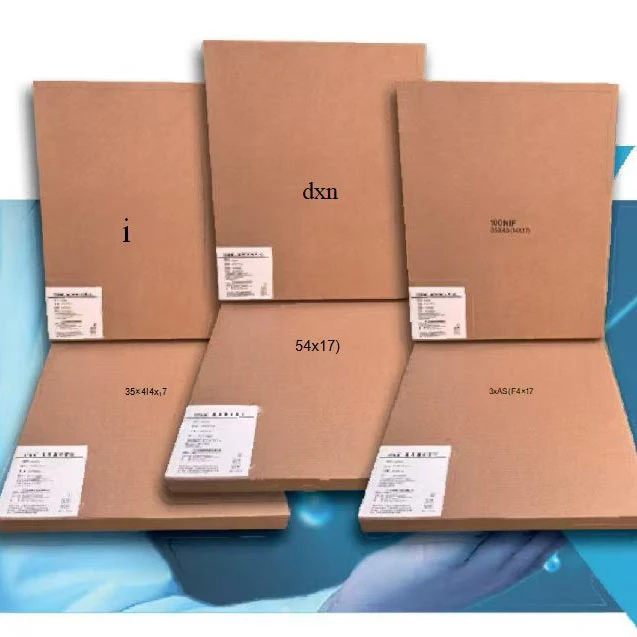

Choosing the Premier Inkjet Photo Paper Manufacturer for Superior Print Quality