

Mar . 31, 2026
Photographic chemicals are essential components in both traditional film photography and certain specialized digital imaging processes. From developers and fixers to toners and reducers, these substances facilitate the creation and manipulation of images. Choosing the right photographic chemicals is crucial for achieving desired results, ensuring image quality, and prolonging the life of photographic materials. This article provides a detailed overview of these chemicals, their applications, safety considerations, and where to source high-quality products. We'll explore the different types of chemicals, how they work, and what to consider when making a purchase.
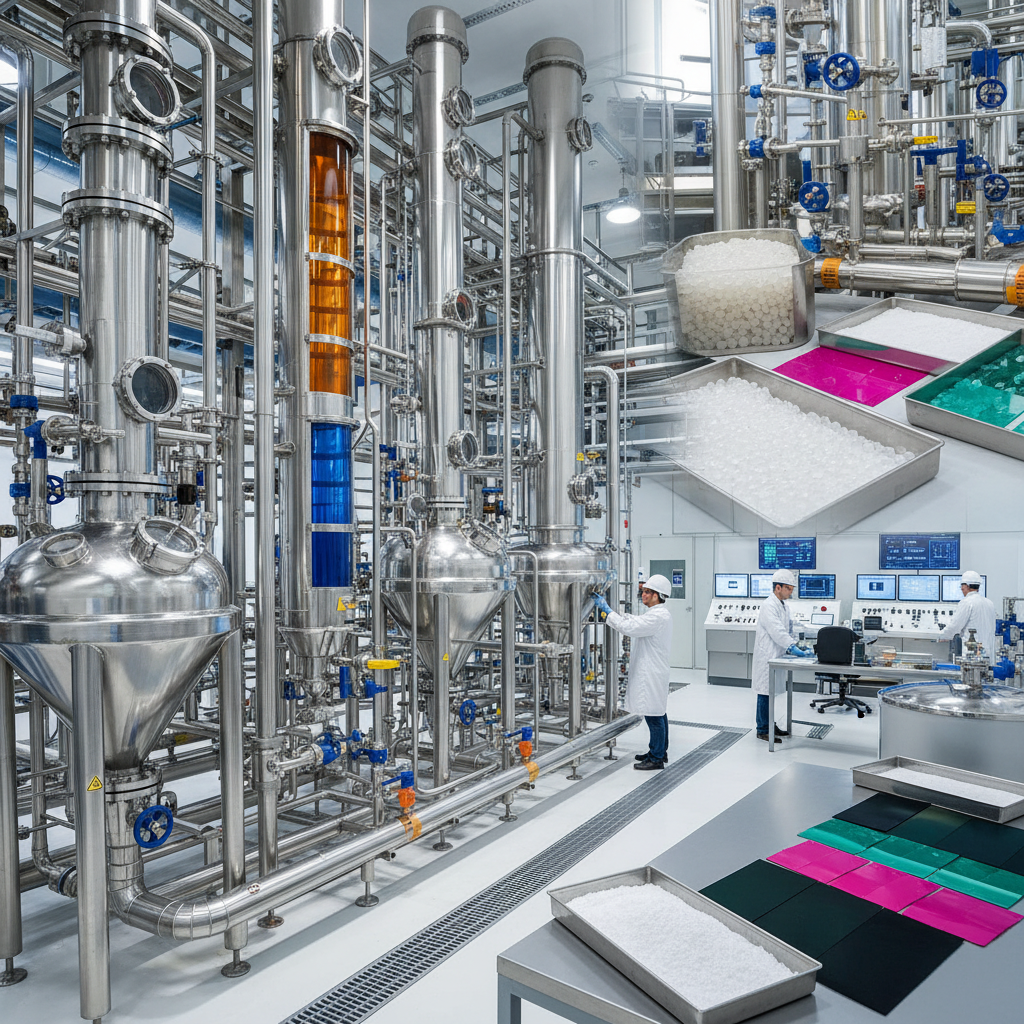
At the heart of photographic processing lie several key chemical groups. Developers convert the latent image (formed when light hits the film or paper) into a visible image by reducing silver halide crystals. Fixers (or Hypo) remove the unexposed silver halide crystals, making the image permanent. Stoppers (typically dilute acetic acid) halt the development process. Toners alter the color and archival properties of the image. Understanding the role of each chemical is fundamental to successful photographic processing. The quality and freshness of these chemicals directly influence the clarity, contrast, and longevity of your photographs. Using chemicals from a reputable supplier, like LK International, is therefore paramount.
Key Takeaway: The precise interaction of developers, fixers, and other chemicals is what transforms a latent image into a lasting photograph. Maintaining chemical balance and purity is essential.
Photographic developers come in various formulations, each suited to different film types and desired effects. Black and White developers such as D-76, Rodinal, and HC-110 offer varying levels of contrast, grain, and sharpness. Color developers (like C-41 for color negative film and E-6 for color slide film) are more complex and require precise temperature control. Specialty developers cater to specific needs, such as push processing (increasing film speed) or compensating development (reducing contrast). Choosing the right developer depends on the type of film you’re using, the lighting conditions during exposure, and the artistic effect you’re aiming for. LK International offers a comprehensive range of developers to meet diverse photographic requirements.
Developer Characteristics:
• Contrast: The difference between light and dark areas in the image.
• Grain: The visible texture of the silver particles in the image.
• Sharpness: The clarity and definition of details in the image.
Fixers are essential for removing unexposed silver halide crystals and stabilizing the image. Traditional fixers are based on sodium thiosulfate (also known as Hypo). Rapid fixers contain accelerators to speed up the fixing process, reducing processing time. Hypo Clearing Agents help to remove residual fixer from the film or paper, improving archival stability. More environmentally friendly alternatives, while less common, are being developed to reduce the impact of chemical waste. The choice of fixer depends on processing speed requirements and environmental considerations. LK International provides a range of fixing agents to suit different needs.
Photographic chemicals can be hazardous if not handled properly. Many are irritants and can cause skin or respiratory problems. Always work in a well-ventilated area, wear gloves and eye protection, and avoid contact with skin and clothing. Never mix chemicals unless specifically instructed to do so, as dangerous reactions can occur. Proper disposal of used chemicals is also crucial; follow local regulations for hazardous waste disposal. LK International provides Material Safety Data Sheets (MSDS) for all its chemicals, detailing safety precautions and handling procedures.
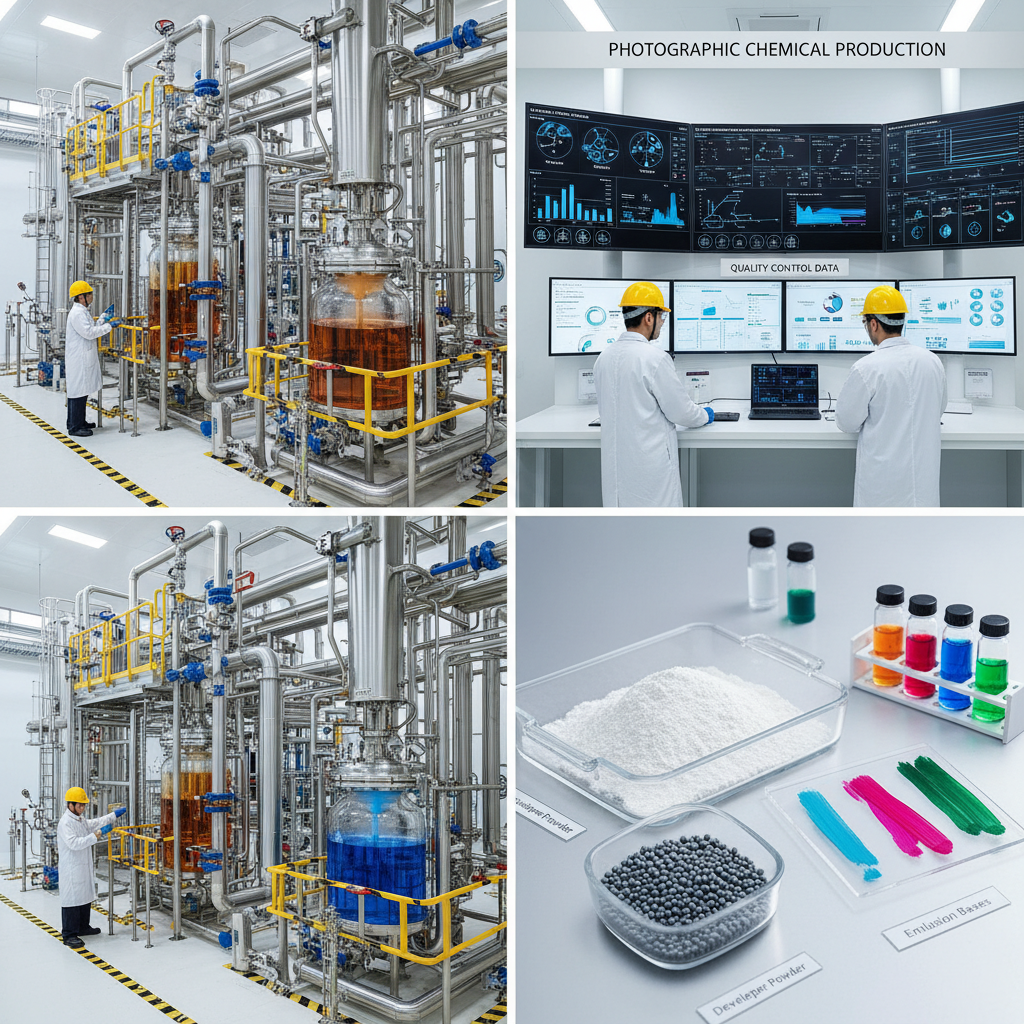
Sourcing chemicals from a reputable supplier is paramount to ensuring quality and consistency. LK International is a leading provider of photographic chemicals, offering a comprehensive selection of developers, fixers, toners, and accessories. We pride ourselves on providing high-purity chemicals, competitive pricing, and excellent customer service. We cater to both amateur and professional photographers, providing the products needed to achieve exceptional results. Choosing a trusted supplier like LK International safeguards your photographic work and ensures optimal performance.
The success of any photographic process hinges on the quality of the chemicals used. Understanding the different types of chemicals, their applications, and safety precautions is essential for achieving consistent and professional results. LK International is your trusted partner for sourcing high-quality photographic chemicals, providing the tools you need to unlock your creative potential.
The shelf life of photographic chemicals varies depending on the type and storage conditions. Generally, unopened chemicals have a longer shelf life than those that have been opened. Developers and fixers typically last for 6-12 months when stored in a cool, dark, and dry place. Toners may have a shorter shelf life. It's crucial to check the expiration date on the packaging and discard any chemicals that are past their prime. Using expired chemicals can lead to inconsistent results and image quality issues. Properly sealed containers and cool storage are vital for maximizing lifespan.
Used photographic chemicals are considered hazardous waste and should not be poured down the drain or disposed of in regular trash. The correct disposal method varies depending on local regulations. Generally, you'll need to collect the used chemicals in sealed containers and take them to a hazardous waste collection facility. Some communities offer specific programs for photographic waste. It's essential to follow all applicable regulations to protect the environment and public health. LK International can provide resources and guidance on responsible chemical disposal.
It is generally not recommended to mix different brands of photographic chemicals. Each brand formulates its chemicals with specific ingredients and concentrations, and combining them can lead to unpredictable reactions, reduced effectiveness, or even the creation of harmful substances. Stick to using chemicals from the same brand and specifically designed to be used together. Using a consistent system ensures optimal performance and avoids potential problems.
Lucky Medicinal Cold-Forming Composite Material
Impact of Humidity on Medical Dry Film Quality