

Mar . 28, 2026
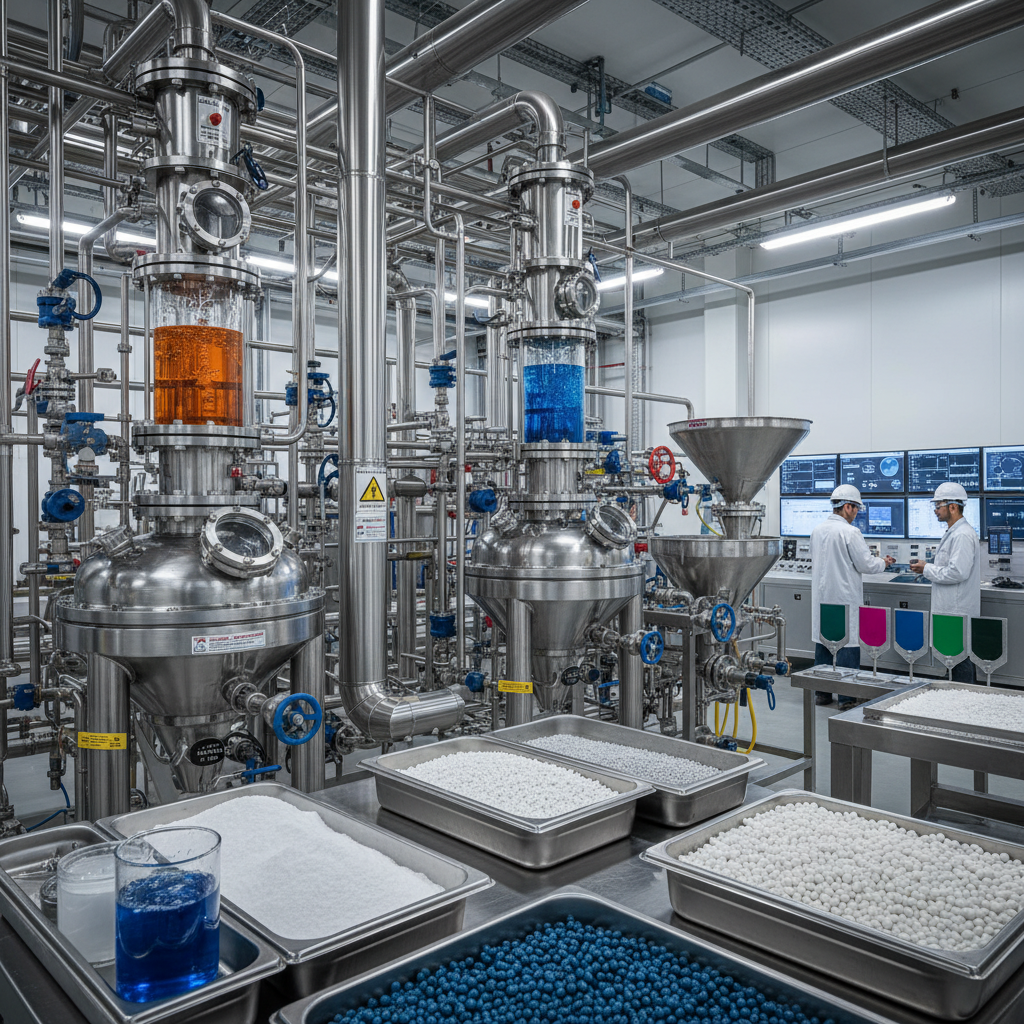
The world of photography relies heavily on the precision and quality of photo developing chemicals. From traditional darkroom techniques to modern film processing, these chemicals are essential for transforming latent images into visible photographs. This article provides a detailed overview of different types of developing chemicals, their uses, safety considerations, and how to choose the right products for your specific photographic needs. Understanding these chemicals is key to achieving consistently high-quality results.

Several key chemicals play crucial roles in the photo development process. Developers convert the exposed silver halide crystals into metallic silver, forming the visible image. Stop baths halt the development process, preventing overdevelopment. Fixers remove the unexposed silver halide crystals, making the image permanent and light-safe. Finally, wetting agents reduce surface tension, ensuring even drying and preventing water spots. Different developers cater to various film types and desired effects – from high-contrast black and white to color negative and positive films.
Key Chemicals: Developers, Stop Baths, Fixers, and Wetting Agents each serve a distinct purpose in achieving the final photographic image.
Selecting the right developer is paramount. Different developers provide varying levels of grain, contrast, and sharpness. For example, fine-grain developers are ideal for enlarging prints, while high-contrast developers are suited for specialized effects. The type of film also influences the choice; black and white film requires different developers than color film. Factors like temperature and dilution also significantly affect the outcome.
Developer Characteristics:
• Grain Size: Fine, Medium, or Coarse
• Contrast Level: Low, Medium, or High
• Film Compatibility: Black and White, Color Negative, Color Positive
• Development Time: Influenced by temperature and dilution
Choosing the correct photo developing chemicals can seem daunting. Here's a comparative look at some popular options:
Developing chemicals can be hazardous if not handled correctly. Always wear gloves and eye protection to prevent skin and eye irritation. Work in a well-ventilated area to avoid inhaling fumes. Never mix chemicals indiscriminately, as dangerous reactions can occur. Dispose of used chemicals properly according to local regulations. It’s crucial to review the Material Safety Data Sheet (MSDS) for each chemical before use.
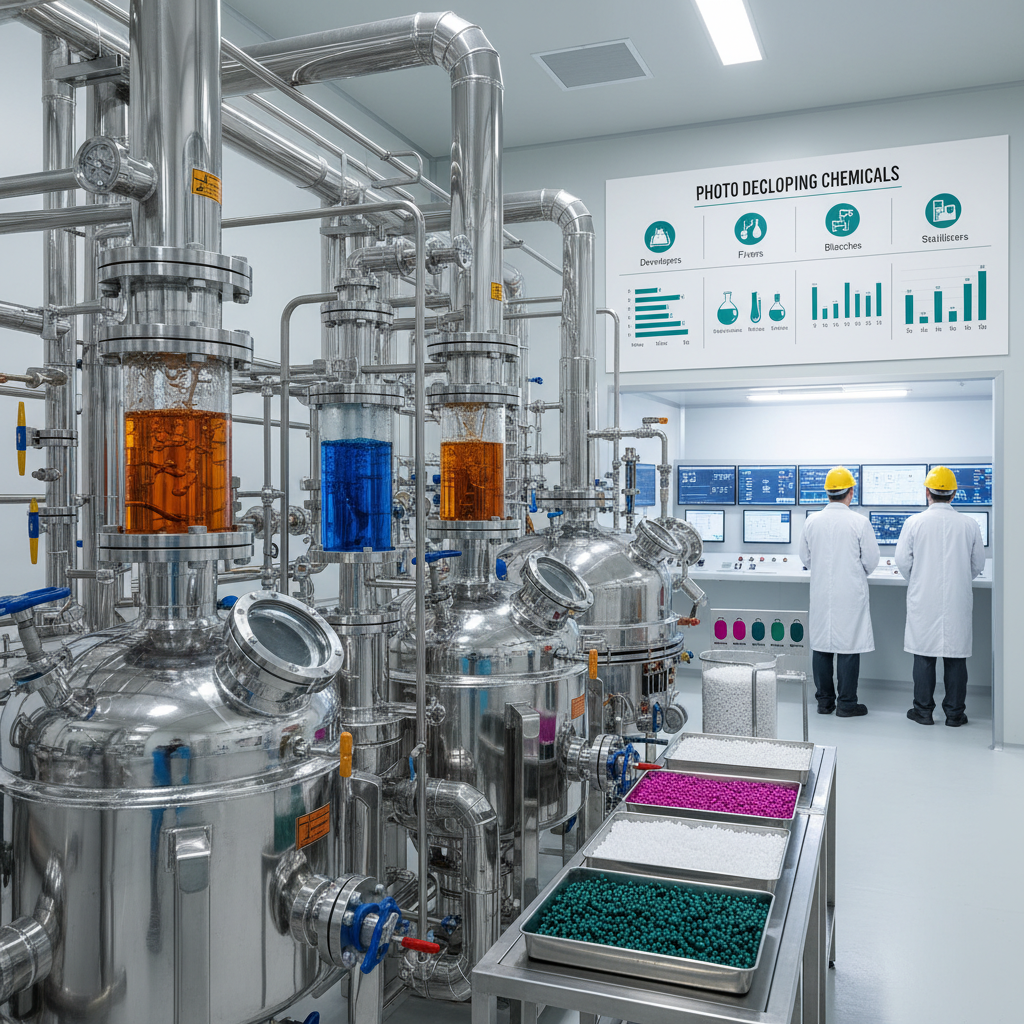
LK International offers a wide range of high-quality photo developing chemicals to suit every photographer’s needs. We provide detailed product information, technical support, and competitive pricing. Whether you’re a seasoned professional or a hobbyist, we can help you find the perfect chemicals to achieve stunning results. We prioritize quality, consistency, and customer satisfaction.
Understanding photo developing chemicals is essential for anyone serious about film photography. By choosing the right chemicals, following safety precautions, and optimizing your development process, you can unlock the full potential of your images. We at LK International are dedicated to providing you with the highest quality chemicals and expert support to help you achieve your photographic vision.
The shelf life varies depending on the chemical. Generally, unopened developers and fixers can last for several years if stored in a cool, dark, and dry place. Once opened, their lifespan significantly decreases, typically lasting 6-12 months. It's best to check the expiration date on the packaging and discard any chemicals that show signs of degradation, such as discoloration or precipitate formation. Properly sealed and stored chemicals will maintain their effectiveness for a longer period.
While technically possible, reusing developer and fixer is generally not recommended for optimal results. Repeated use leads to chemical exhaustion, resulting in inconsistent development and reduced image quality. Fixer can sometimes be reused a limited number of times, but it should be monitored closely for signs of depletion. Always discard exhausted chemicals responsibly according to local environmental regulations. Using fresh chemicals ensures consistent and predictable results.
Never pour used developing chemicals down the drain. They contain harmful substances that can contaminate water supplies. The best disposal method is to contact your local waste management authority for guidance on hazardous waste disposal. Some photography stores or labs may offer chemical recycling or disposal services. Always follow local regulations to ensure responsible environmental practices.
Temperature plays a critical role in the development process. Higher temperatures accelerate the development rate, leading to increased contrast and grain. Lower temperatures slow down the process, resulting in lower contrast and finer grain. Maintaining a consistent temperature throughout the development process is crucial for achieving predictable and consistent results. Typically, developers are used at around 68°F (20°C), but this can vary depending on the specific developer and film type.
Lucky Medicinal Cold-Forming Composite Material