

Mar . 06, 2026
Achieving professional-quality prints at home or in the office relies heavily on selecting the appropriate paper. For vibrant, eye-catching results, inkjet printer glossy paper is often the go-to choice. This article provides a comprehensive guide to understanding the different types of glossy paper, their applications, and how to choose the best option for your inkjet printing needs. We'll cover everything from paper weight and finish to compatibility and cost, ensuring you can make an informed decision.

Inkjet glossy paper isn't a one-size-fits-all solution. Different types cater to specific printing applications. The primary distinctions lie in the paper weight, coating, and finish. Heavier weight papers (above 80lb) typically produce higher-quality images and are more durable, while lighter weights (around 60lb) are better suited for everyday prints. The coating determines how well the ink adheres and affects the paper's sheen. Glossy papers generally fall into three main categories: standard glossy, premium glossy, and super glossy.
Key Takeaway: The choice of glossy paper depends on the intended use of the print. High-quality photos require premium or super glossy paper, while presentations and flyers can often use standard glossy paper.
Paper weight is measured in pounds (lb) or grams per square meter (gsm). A higher weight indicates a thicker, more durable paper. Choosing the right weight is crucial for achieving the desired look and feel for your prints. Here’s a breakdown of common weights and their ideal applications:
The level of glossiness impacts the visual appeal of your prints. A higher gloss generally results in more vibrant colors and a more polished look. Here's a comparative overview:
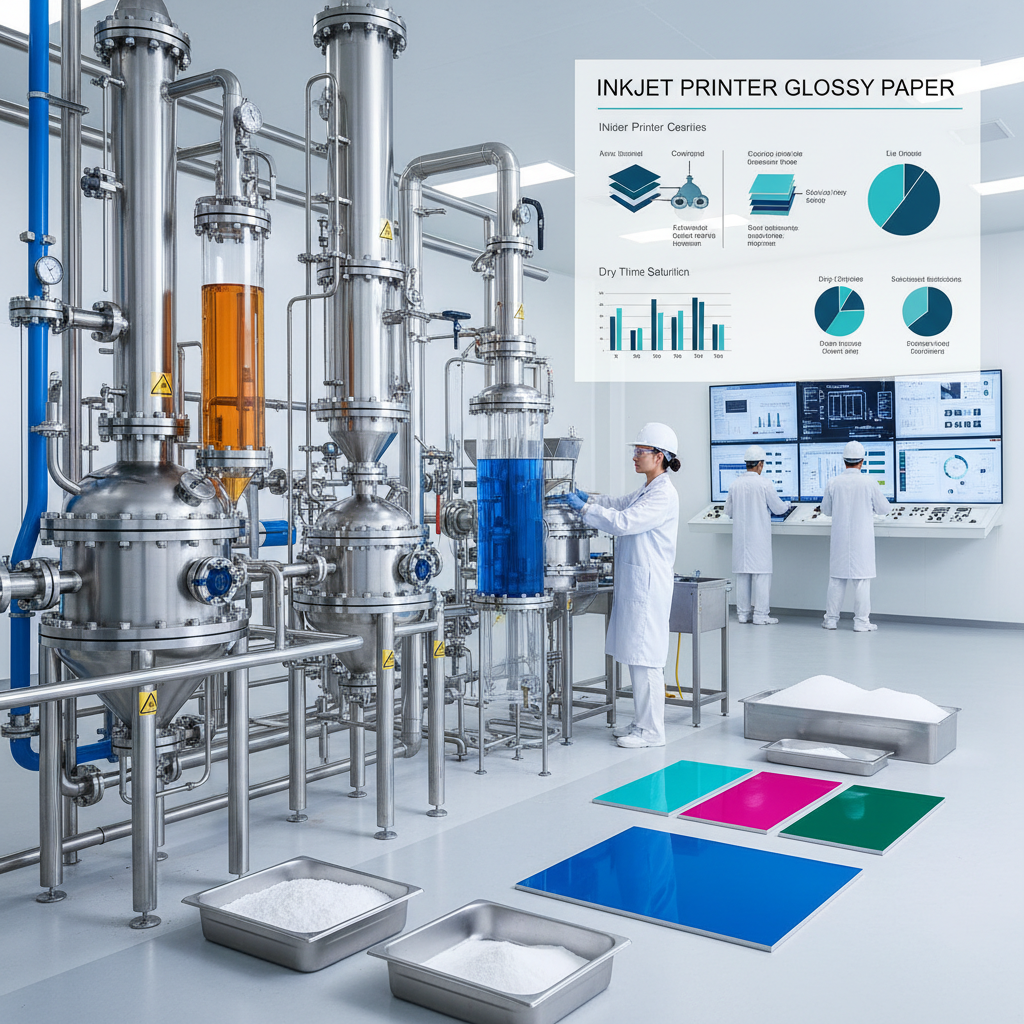
Ensure the glossy paper you choose is specifically designed for inkjet printers. Different inkjet printers use different ink types (dye-based or pigment-based). While most glossy papers are compatible with both, it’s always best to check the paper’s packaging for specific recommendations. Pigment-based inks generally offer better fade resistance, making them ideal for prints that need to last. Using the wrong paper or ink combination can result in smudging, poor color accuracy, or rapid fading. At LK International, we offer a wide range of glossy papers compatible with all major inkjet printer brands.
The cost of inkjet printer glossy paper varies depending on the weight, finish, and brand. While cheaper options may be tempting, investing in higher-quality paper can significantly improve the overall appearance and longevity of your prints. Consider the intended use and the desired level of quality when making your decision. Buying in bulk can often reduce the per-sheet cost, especially for frequent printers. Explore the range of options available at LK International to find the best value for your needs.
Choosing the right inkjet printer glossy paper is essential for achieving professional-looking prints. By understanding the different types, weights, and finishes available, you can select the perfect paper for your specific needs. Remember to consider compatibility with your inkjet printer and ink type, as well as your budget. Investing in quality paper will elevate your prints and ensure they make a lasting impression.
Glossy photo paper delivers vibrant colors and a reflective finish, making images “pop.” It’s ideal for photos you want to stand out. Matte photo paper, on the other hand, has a non-reflective surface, providing a more subtle and natural look. It's less prone to fingerprints and glare, making it suitable for art prints or portraits. The choice depends on the desired aesthetic and viewing environment. Glossy paper typically enhances color saturation, while matte paper offers better detail and reduces reflections.
While you can, it's often not the most cost-effective choice. Glossy paper is typically more expensive than standard paper. For documents, reports, or everyday printing tasks, standard printer paper is sufficient. Save glossy paper for photos, presentations, or materials where a professional, high-quality appearance is essential.
Proper storage is crucial to prevent warping, fading, and damage. Store glossy paper in a cool, dry place, away from direct sunlight and humidity. Keep it in its original packaging or a sealed container to protect it from dust and moisture. Avoid storing it near heat sources or in areas with fluctuating temperatures. Proper storage will help maintain the paper's quality and ensure optimal printing results.
Smudging on glossy paper is usually caused by using the wrong ink settings, letting the prints sit too long before handling, or using paper not specifically designed for your inkjet printer. Ensure your printer settings are set to "glossy paper" or a similar setting. Allow the ink to fully dry before touching the print, typically 10-20 minutes, depending on the ink and paper. Using high-quality, compatible glossy paper will also minimize the risk of smudging.
Lucky Medicinal Cold-Forming Composite Material

Types of Solar Backsheet Materials for Enhanced Durability