

Sep . 29, 2025
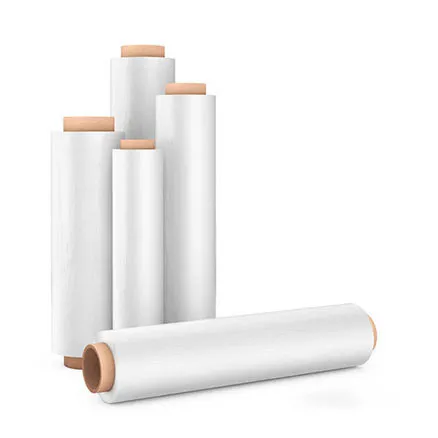
The Lucky KPCW1 Solar Backsheet represents a significant advancement in photovoltaic (PV) technology, offering unparalleled environmental resistance, reliable bonding, and rigorous quality control. Designed to meet the demands of diverse solar energy applications, this product is engineered to ensure long-term durability and efficiency in even the harshest conditions. This article delves into the core features, technical specifications, and real-world applications of the KPCW1 backsheet, supported by authoritative references and detailed imagery.
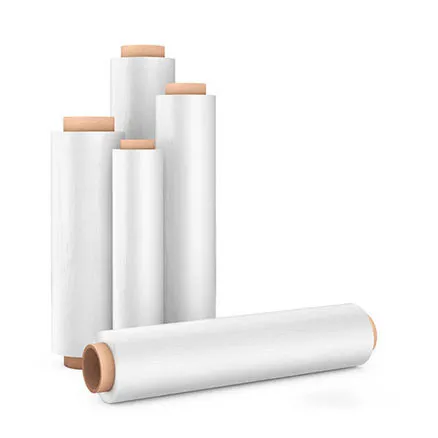
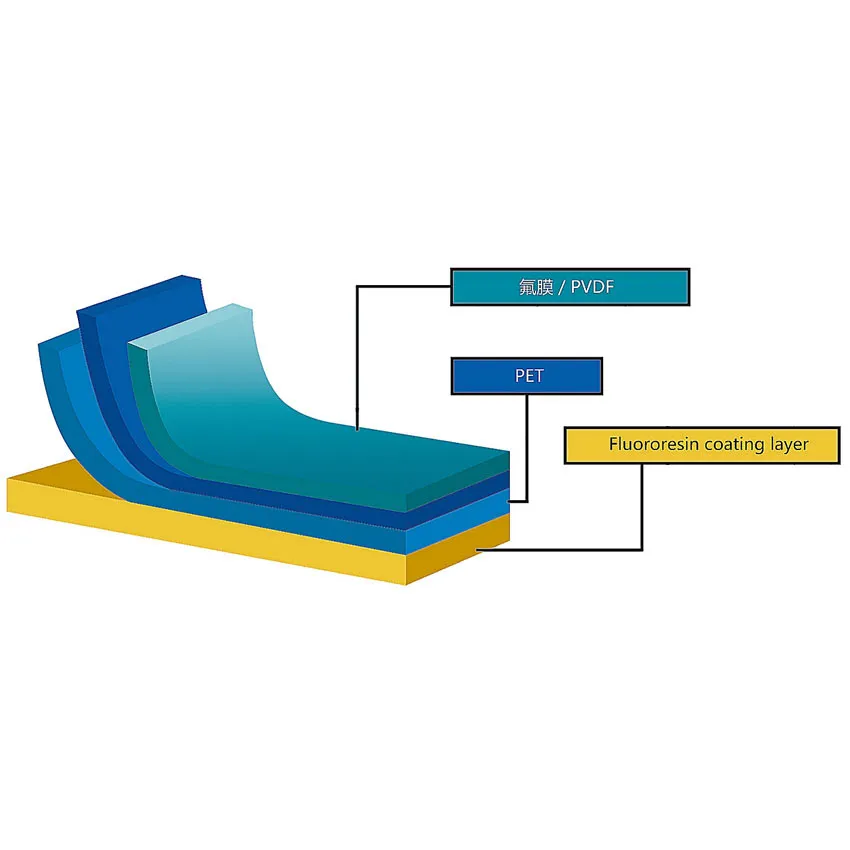
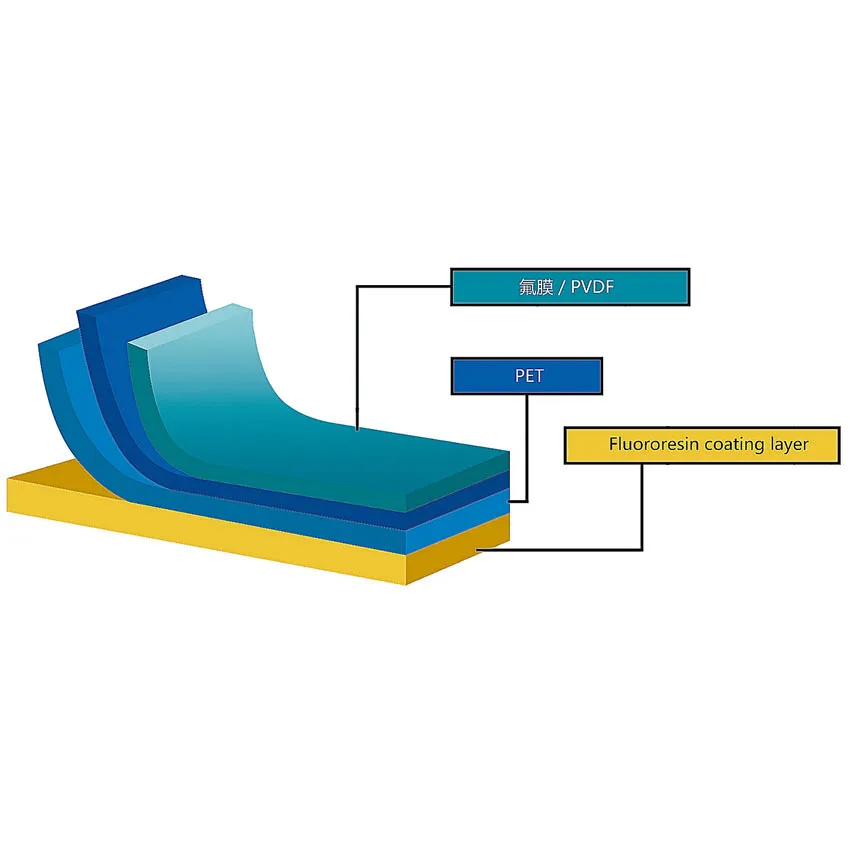
The KPCW1 Solar Backsheet is equipped with a PVDF fluoropolymer weather-resistant layer, which provides multi-layered protection against environmental stressors. This advanced formulation ensures the backsheet remains intact and functional in extreme conditions, making it ideal for a wide range of applications.
The backsheet features a specialized formulation that blocks over 95% of harmful UV radiation. This is critical for preserving the integrity of PV modules, as prolonged UV exposure can degrade materials and reduce efficiency. According to NIST (National Institute of Standards and Technology), UV resistance is a key factor in the longevity of solar components, as outlined in their research on photovoltaic materials testing.
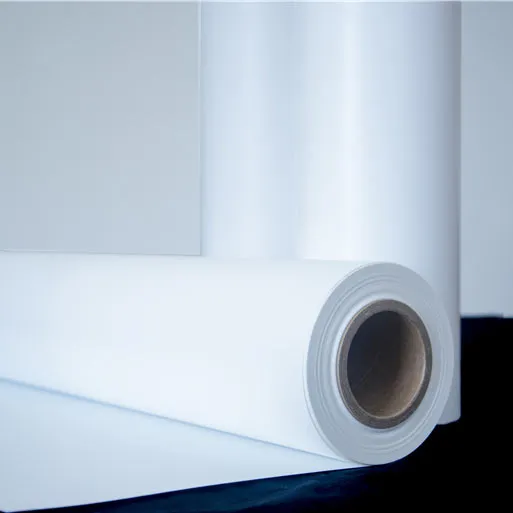
Engineered to perform reliably in extreme temperatures, the KPCW1 maintains stable performance from -40°C to 85°C. This wide operational range makes it suitable for regions with fluctuating climates, including high-altitude areas and arid deserts. NIST standards for thermal stability in solar materials further emphasize the importance of such resilience in ensuring consistent energy output.
The backsheet has passed a 3000-hour dual 85 (85°C/85% RH) aging test, demonstrating exceptional resistance to humidity and heat. This certification aligns with NIST's guidelines for accelerated aging tests, which simulate decades of environmental exposure in a controlled timeframe.
The KPCW1 effectively withstands exposure to acids, alkalis, solvents, and salt spray. This makes it particularly suitable for coastal installations, where corrosive elements can compromise the performance of solar panels. NIST's research on material corrosion resistance underscores the necessity of such properties in marine environments.
After damp heat aging, the backsheet retains over 90% of its tensile strength, ensuring structural integrity under mechanical stress. This is crucial for maintaining the physical stability of PV modules, especially in regions prone to high winds or seismic activity.
The KPCW1's bonding system is designed to ensure long-term adhesion between the backsheet and the encapsulant material (typically EVA). This is achieved through a fluorinated coating cured adhesive layer that has been rigorously tested for durability.
The backsheet exhibits a peel strength of over 60 N/cm with EVA, ensuring secure bonding even under prolonged exposure to environmental stressors. This is critical for preventing delamination, which can lead to moisture ingress and reduced efficiency.
Thermal aging tests have demonstrated excellent interface stability, minimizing the risk of separation between the backsheet and the module's internal components. This is supported by NIST's studies on interfacial adhesion in composite materials.
After thermal cycling tests, the KPCW1 shows no signs of delamination, ensuring consistent performance over time. This is particularly important in regions with extreme temperature fluctuations.
The backsheet passes a 200kWh/m² UV accelerated aging test, simulating years of sunlight exposure. This certification ensures that the product remains functional and aesthetically intact in high-irradiation environments.
In humid environments, the KPCW1 retains over 85% of its bond strength, preventing moisture-related failures. This is vital for maintaining the electrical insulation properties of the module.
Every batch of KPCW1 backsheet undergoes a comprehensive quality assurance process to ensure compliance with industry standards. This includes:
This rigorous approach ensures that the KPCW1 meets the highest standards of reliability and performance. NIST's guidelines for manufacturing quality control emphasize the importance of such measures in maintaining product consistency.
The KPCW1 Solar Backsheet is designed for diverse environments, including:
Its versatility makes it an ideal choice for solar installations worldwide. For example, in coastal regions, the backsheet's chemical resistance protects against saltwater corrosion, while in deserts, its UV protection ensures long-term performance under intense sunlight.
Founded as Baoding Lekai International Ltd., the company has been a leader in solar materials innovation for over a decade. Located in China, the company specializes in developing advanced photovoltaic solutions, including solar backsheet material and polymeric backsheet. Their commitment to research and development is evident in the KPCW1's cutting-edge design.
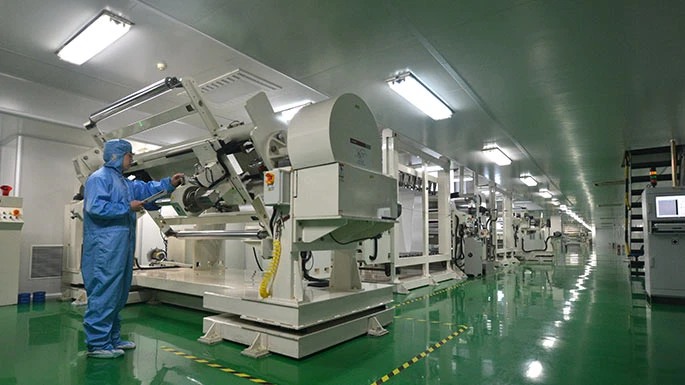
Lucky remains dedicated to optimizing backsheet performance, offering customers the opportunity to visit their R&D center and production facilities. This hands-on approach ensures that their products meet the evolving needs of the solar industry.
| Feature | Specification |
|---|---|
| UV Blocking Rate | Over 95% |
| Temperature Range | -40°C to 85°C |
| Weather Aging Test | 3000 hours at 85°C/85% RH |
| Chemical Resistance | Acids, alkalis, solvents, salt spray |
| Tensile Strength Retention | Over 90% after damp heat aging |
| Peel Strength with EVA | Over 60 N/cm |
| Bond Strength Retention in Humidity | Over 85% |
The Lucky KPCW1 Solar Backsheet stands out as a reliable and durable solution for modern photovoltaic systems. With its advanced environmental resistance, robust bonding system, and strict quality control, the KPCW1 is designed to meet the demands of diverse solar applications. As the solar industry continues to grow, products like the KPCW1 play a vital role in ensuring the efficiency and longevity of solar energy systems.
NIST (National Institute of Standards and Technology). (n.d.). Photovoltaic Materials Testing and Standards. Retrieved from https://www.nist.gov/.
NIST. (n.d.). Thermal Stability in Solar Components. Retrieved from https://www.nist.gov/.
NIST. (n.d.). Interfacial Adhesion in Composite Materials. Retrieved from https://www.nist.gov/.
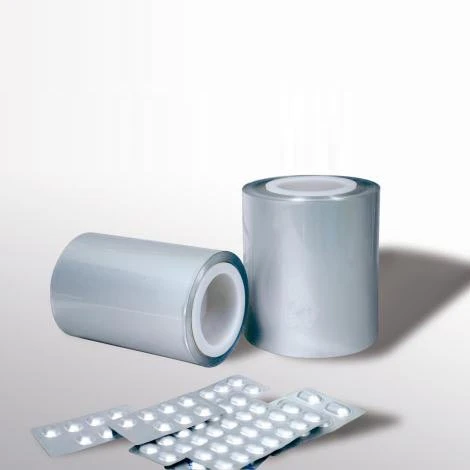
Lucky Medicinal Cold-Forming Composite Material
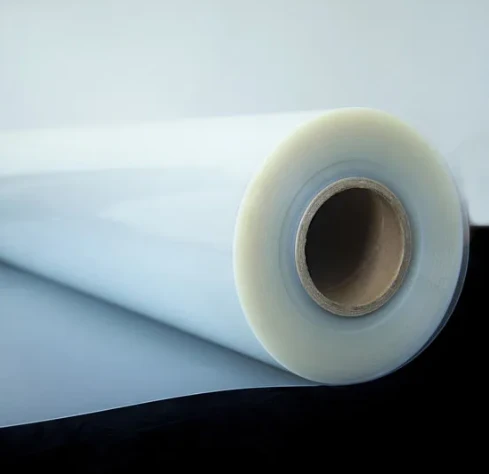
Understanding Photovoltaic Backsheets: A Critical Component for Solar Module Longevity