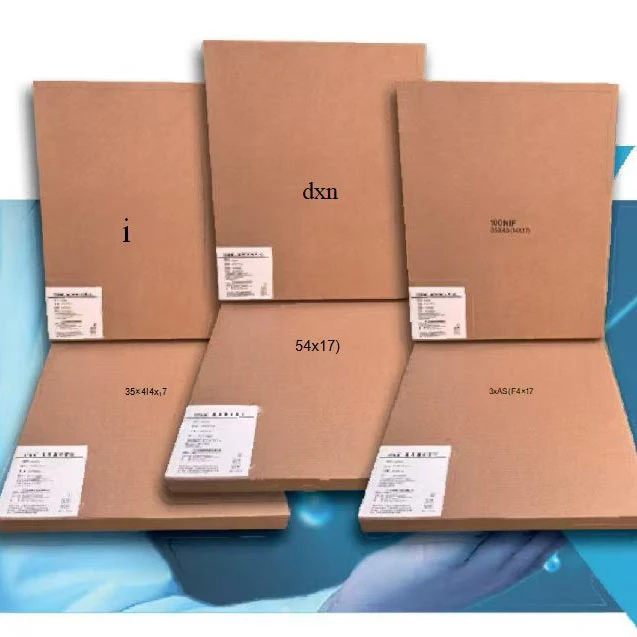
Understanding Digital X Ray Film Price: What You Need to Know
Digital x ray film price might sound like a niche term, but its significance spans the medical, industrial, and humanitarian sectors worldwide. Simply put, it’s the cost associated with digital imaging alternatives to traditional X ray films—technology that’s transforming diagnostics, manufacturing inspections, and disaster relief operations globally. Grasping the factors that influence this pricing helps hospitals reduce costs, ensures manufacturers maintain quality control affordably, and enables NGOs to budget for emergency interventions more effectively.
The Global Context Behind Digital X Ray Film Pricing
As the World Bank and WHO data confirm, global healthcare demands are growing rapidly. Digital radiography, as a minimally invasive diagnostic method, plays a vital role in addressing those healthcare needs, especially with portable or mobile scanners reaching rural communities. Yet, the price of digital x ray films remains a bottleneck. For example, in low-income regions, a high price tag can limit access and widen health disparities. Similarly, in industries reliant on nondestructive testing (NDT), the balance between cost and quality is delicate. Digital x ray film price is thus more than a number; it's a measure that influences accessibility on a global scale.
Takeaway: Understanding these pricing dynamics informs smarter procurement and ultimately supports better health outcomes worldwide.
Breaking Down Digital X Ray Film Price: What Does It Really Mean?
In essence, digital x ray film price refers to the cost of media and services that capture, store, and allow for the visualization of x ray images using digital technology instead of conventional photographic films. Unlike the old days, when physical film rolls were a must, digital solutions streamline image management, reduce waste, and speed diagnosis. It's closely connected to modern demands like faster healthcare diagnostics, industrial safety inspections, and archive-friendly record-keeping.
Oddly enough, despite the “digital” tag, pricing is influenced by physical factors too — such as sensor life, software licensing, and maintenance contracts.
Core Components Influencing Digital X Ray Film Price
1. Technology and Resolution
Higher resolution sensors and advanced image processing increase production costs. This typically means better image clarity but at a higher price point. For example, ultra-high definition detectors can double the cost compared to standard ones.
2. Durability and Reusability
Many digital x ray films or plates today are reusable, but their lifespan varies. The better the durability, the more you pay upfront. This upfront expense can pay off over time if the plates withstand frequent use without degradation.
3. Software and Integration
Digital imaging isn’t just hardware; it depends on software suites for image processing, storage, and sharing. Licensing these tools impacts the overall cost. Open platforms may reduce price but might lack features found in premium vendors.
4. Supply Chain and Vendor Support
Where you source your digital x ray products matters. Overseas suppliers may offer lower prices but can complicate warranty or service availability—which indirectly affects cost efficiency.
5. Regulatory Compliance and Certification
Products meeting ISO or FDA standards usually command higher prices but assure quality and safety, critical in medical or sensitive industrial use.
Mini takeaway: The digital x ray film price isn’t a single figure but an outcome of intertwined tech, durability, usability, and regulatory factors.
Real-World Applications of Digital X Ray Film Technology
Healthcare tops the list. For instance, hospitals in rural Africa increasingly rely on digital X ray units because digital films eliminate costly chemical waste and speed up diagnoses. In post-disaster scenarios—think of earthquake zones in Nepal—compact digital x ray setups have enabled rapid screening of injuries where traditional film processing is impossible.
On another note, manufacturing plants in Southeast Asia use digital x ray films for NDT to detect weld defects or structural faults in pipelines, preventing accidents caused by faulty material.
Even space agencies flirt with digital x ray sensors for material testing under harsh environments to ensure astronaut safety.
Product Specification Table
| Specification |
Typical Range |
Notes |
| Image Resolution |
50–150 microns |
Higher resolution increases price |
| Plate Lifespan |
Up to 20,000 exposures |
Depends on usage and care |
| Price per Plate |
$200–$800 |
Varies by brand and specs |
| Software License Cost |
$500–$2500 annually |
Annual fee for image management suites |
| Weight per Plate |
1.5–2.5 kg |
Affects portability |
Vendor Comparison: Who’s Offering What?
| Vendor |
Price Range (per plate) |
Support Services |
Notable Strength |
| XFilm Tech |
$250–$750 |
24/7 Phone Support |
Robust image software |
| MediScan Solutions |
$200–$650 |
On-site training available |
Strong in rural healthcare |
| IndustrialVue |
$300–$800 |
Extended warranty |
Excellent for NDT use |
Why Digital X Ray Film Pricing Still Makes a Difference
Sure, digital radiography cuts out many recurring costs tied to chemicals and physical storage, but initial investments remain high. Hospitals and organizations weigh those upfront prices against long-term savings in maintenance, faster diagnosis, and environmental gains. Emotionally speaking, patients feel safer with faster, more accurate imaging; technicians appreciate less exposure to toxic waste; organizations earn reputations for innovation.
Ultimately, price transparency helps stakeholders make savvy choices—balancing budgets without compromising outcomes or dignity.
What’s Next? Innovations on the Horizon
Looking ahead, digital x ray film price might shift downward due to improved manufacturing methods and tougher competition. Imagine ultra-lightweight, flexible sensors powered by green energy harvesting technology. Automation for remote diagnostics is already emerging, which could affect pricing by reducing human labor costs. Also, adoption of cloud-based AI interpretation tools will alter how we value imaging services overall.
Challenges in the Market and How to Overcome Them
You’d think costs would just fall and everyone’s happy, but reality is messy. Supply chain disruptions, fluctuating raw material prices, and software license lock-ins can keep prices stubbornly high. Many engineers say integration pains when switching from legacy systems mean additional hidden costs.
Thankfully, modular designs and open-source software are gaining traction, helping to chip away at these barriers. Collaborating directly with vendors for bundled packages offers both better support and pricing clarity.
FAQ: Your Questions About Digital X Ray Film Price
- Q: How do digital x ray film prices compare to traditional film costs?
A: Initially, digital options cost more upfront, but savings on chemicals, storage, and processing make them cheaper over time. Plus, turnaround is faster and waste is reduced.
- Q: Are there recurring fees beyond the purchase of digital x ray plates?
A: Yes. Many systems require annual software licenses, maintenance contracts, and possible upgrades, which impact total cost of ownership.
- Q: Can NGOs afford digital x ray solutions on tight budgets?
A: Some vendors offer discounts or leasing models targeted to NGOs. It’s worth negotiating terms or exploring grants supporting tech adoption in healthcare.
- Q: What factors should I consider when comparing digital x ray film prices?
A: Beyond sticker price, evaluate image quality, vendor support, durability, regulatory compliance, and software features.
- Q: How does digital x ray film pricing impact post-disaster medical interventions?
A: Lower costs mean faster deployment of diagnostic tools in disaster zones, enabling timely treatment and saving lives.
Wrapping Up: Why Knowing Digital X Ray Film Price Matters
In the grand scheme, digital x ray film price isn’t just about dollars and cents; it’s about enabling better healthcare, safer industries, and more responsive humanitarian efforts worldwide. By understanding the components influencing price, you can make smarter purchasing decisions that balance quality, longevity, and technology. For the latest in pricing, specs, and vendor options, check out digital x ray film price and stay ahead in your field.
References:
1. Wikipedia: Digital Radiography
2. ISO Standards for Medical Imaging
3. WHO: Radiology in Healthcare