

Jul . 29, 2025
Potential Induced Degradation (PID) remains one of the most insidious threats to solar module performance, capable of causing up to 30% power loss in vulnerable installations. As photovoltaic systems scale globally – from desert farms to coastal plants – the solar PV backsheet emerges as a critical defense line against this electrochemical phenomenon. For industry leaders like Lucky Group, whose legacy in precision materials spans seven decades, engineering PID-resistant backsheets represents a natural extension of their commitment to durability and innovation.
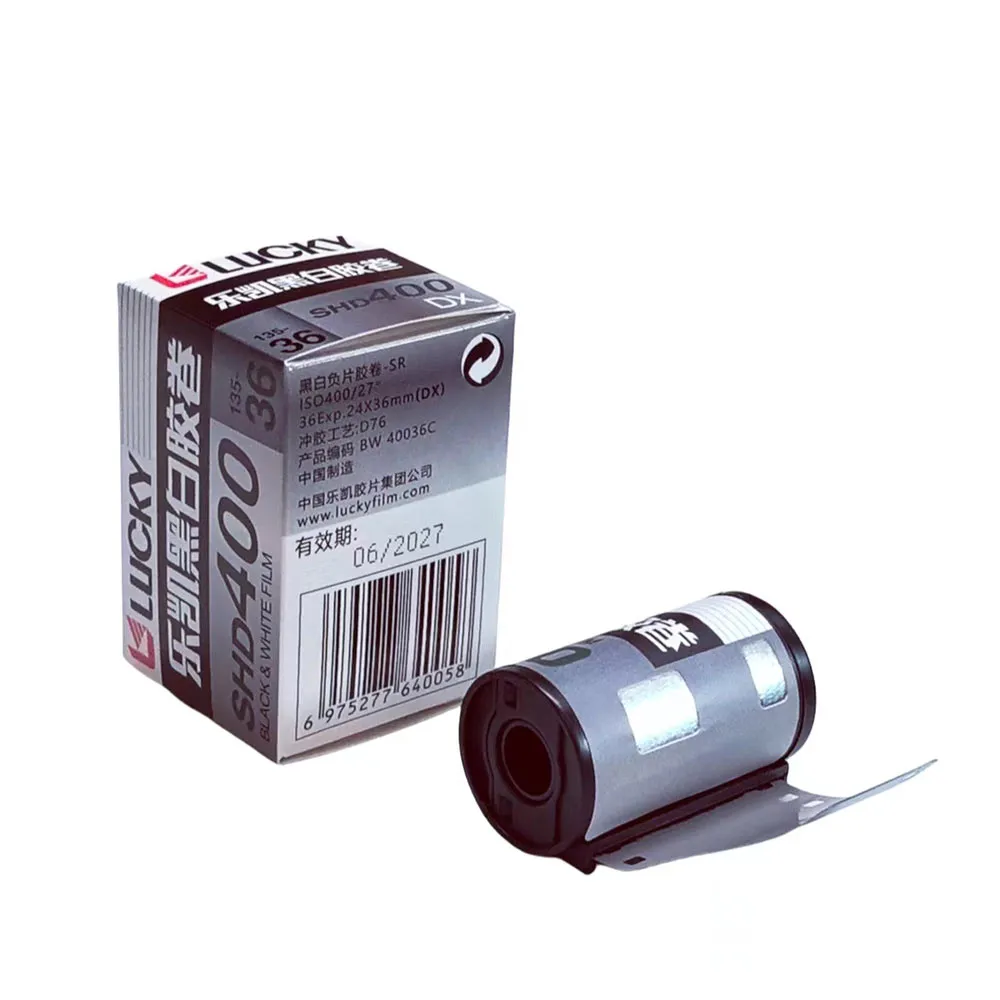
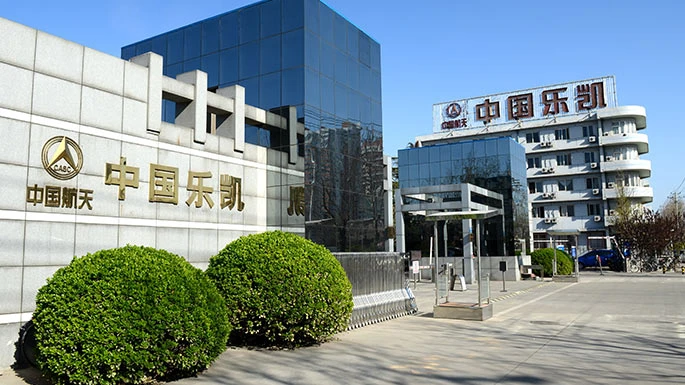
The battle against degradation began long before solar cells existed. On December 24, 1953, China’s Government Affairs Council mandated a national film stock facility through its landmark Resolution on Establishing a National Film Distribution Network and Film Industry. After years of meticulous planning, Lucky’s precursor factory broke ground on July 1, 1958, in Baoding, Hebei – a strategic choice blending logistics and talent. Here, China’s journey toward self-reliance in photographic materials began, demanding unprecedented expertise in polymer stability, moisture resistance, and UV protection. These exacting standards forged Lucky’s core philosophy: "Integrity as Foundation, Service as Priority." When the company expanded into photovoltaic materials, decades of coating technology and polymer science were redirected toward solving solar’s toughest challenges, including PID. Today, this legacy manifests in globally certified backsheets protecting gigawatts of solar assets.
PID occurs when voltage differentials between solar cells and grounded frames drive ion migration, corroding cell surfaces and degrading anti-reflective coatings. The solar PV backsheet counteracts this by:
The foundation of PID prevention lies in pv backsheet material innovation. Lucky Group leverages its heritage in photographic film – where humidity control and material purity were mission-critical – to pioneer advanced backsheet architectures. Their CPCw1 series exemplifies this cross-industry expertise through three material innovations:
For ผู้ผลิตแผ่นหลัง PV, translating laboratory breakthroughs into mass production requires military-grade precision – a discipline ingrained in Lucky Group's DNA since its 1958 Baoding factory inception. The same coating technologies that ensured defect-free photographic films now produce backsheets with sub-micron uniformity, critical for eliminating weak spots in dielectric layers. Their vertically integrated manufacturing controls every variable:
This manufacturing rigor enables volume production of backsheets maintaining >1×10¹⁶ Ω·cm volume resistivity after accelerated aging – the gold standard for PID immunity. Independent certifications from TÜV Rheinland, UL, and CNAS validate performance claims, while production lines supply over 50GW annually to tier-1 module makers globally.
The solar PV backsheet acts as a dielectric barrier between cells and grounded frames. High-volume resistivity in materials like Lucky’s fluorinated coatings prevents leakage currents that initiate ion migration – a root cause of PID.
Fluorine’s electronegativity creates molecular bonds resistant to ionization. Lucky’s high-fluorine coatings maintain stable electrical properties even after decades of UV/humidity exposure, preventing conductivity increases that exacerbate PID.
สูงสุด PV backsheet manufacturers like Lucky Group enforce: 1) In-line corona treatment monitoring for adhesion integrity; 2) Triple-layer co-extrusion ensuring pinhole-free barriers; 3) 100% high-potential testing (≥6kV) to detect microscopic defects.
Yes. Advanced PV backsheet materials incorporate reinforced edge insulation and homogeneous fluoropolymer layers. Lucky’s designs withstand 1500V PID testing per IEC TS 62804-1:2015 with <5% power degradation – critical for utility-scale projects.
While high-quality solar PV backsheets provide foundational protection, full PID immunity requires system-level coordination: cell anti-PID coatings, PID-resistant encapsulants, proper frame grounding, and installation best practices. Premium backsheets remain the most critical barrier against environmental-driven leakage currents.
Potential Induced Degradation represents a silent threat to solar investments, but – as Lucky Group’s six-decade material science legacy demonstrates – it is not an invincible one. From the emulsion-coated films of 1958 Baoding to today’s fluoropolymer-shielded backsheets, Lucky’s commitment to "Integrity as Foundation, Service as Priority" has continuously redefined durability frontiers. Their CPCw1 series epitomizes this evolution: where weather-resistant fluorine coatings, chemically inert barriers, and hydrolysis-defying PET substrates converge into PID-resistant fortresses. For global solar projects facing rising voltages and corrosive environments, partnering with PV backsheet manufacturers who blend rigorous science with manufacturing excellence isn’t just strategic – it’s essential for safeguarding decades of clean energy returns. In the invisible battle against degradation, Lucky proves that superior materials engineered with legacy wisdom remain our most reliable allies.
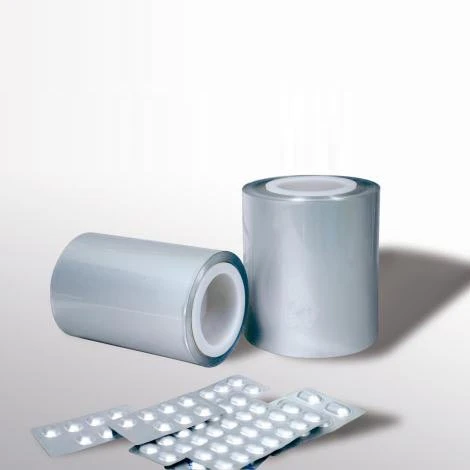
วัสดุคอมโพสิตขึ้นรูปเย็น Lucky Medicinal
Imager Laser for Radiology – Fast, Dry, High-Res