


Mar . 11, 2026
Industrial x-ray film plays a critical role in non-destructive testing (NDT) across numerous industries, enabling the detection of internal flaws and ensuring the integrity of materials and structures. From aerospace to oil and gas, and manufacturing to medical equipment, the ability to ‘see’ inside components without damaging them is invaluable. At LK International, we specialize in providing high-quality industrial x-ray film and radiographic solutions to meet diverse needs. This article will delve into the types, applications, handling, and future trends of industrial x-ray film, offering insights for professionals and those new to the field.

Industrial x-ray films aren’t one-size-fits-all. They’re categorized based on several factors, primarily speed and image resolution. Film speed refers to the amount of radiation required to produce a visible image; faster films require less radiation, reducing exposure time. Resolution determines the level of detail that can be captured in the image. Common types include:
The applications of industrial x-ray film are extensive. Some key areas include:
Key Advantage: The primary benefit of utilizing industrial x-ray film lies in its ability to detect internal flaws without causing damage to the inspected object. This is critical for maintaining the integrity of valuable components.
Selecting the appropriate x-ray film is crucial for obtaining reliable inspection results. Several factors come into play, including the material thickness, desired resolution, and radiation source. Generally, thicker materials require faster films, while applications demanding high detail necessitate slower films. Understanding the specific requirements of your inspection process is paramount.
Key Considerations for Film Selection:
• Material Thickness
• Required Resolution
• Radiation Source Characteristics
• Sensitivity Needed for Defect Detection
While industrial x-ray film remains a widely used NDT method, digital radiography (DR) is gaining prominence. DR offers several advantages, including instant image viewing, digital image processing, and reduced chemical waste. However, film still holds its own due to its lower initial cost and proven reliability.
Proper handling and storage are essential to maintain the quality and effectiveness of industrial x-ray film. Films should be stored in a cool, dry, and dark environment, away from radiation sources and strong magnetic fields. Avoid bending or scratching the film, and always handle it with clean hands or gloves. Follow the manufacturer's guidelines for optimal storage conditions.
The field of industrial radiography is constantly evolving. While x-ray film will likely remain a viable option for specific applications, the trend is towards increasingly sophisticated digital solutions. Advancements in DR technology, including computed radiography (CR) and direct radiography (DR), are driving improvements in image quality, efficiency, and safety. At LK International, we are committed to staying at the forefront of these advancements, offering our customers the latest technologies to meet their evolving needs.
Whether you opt for traditional industrial x-ray film or embrace the latest digital radiography technologies, selecting the right solution is vital for ensuring accurate and reliable inspection results. LK International is your trusted partner, providing high-quality products, expert advice, and comprehensive support.
The shelf life of unused industrial x-ray film varies depending on the film type and storage conditions. Generally, unopened film can maintain its sensitivity for several years if stored properly – in a cool, dry, and dark environment. However, it's best to check the manufacturer’s expiration date, as sensitivity can gradually decrease over time. It's crucial to use film before its expiration date to ensure accurate results. Proper storage minimizes degradation and extends usability.
Safety is paramount when handling both x-ray film and processing chemicals. Always wear appropriate personal protective equipment (PPE), including gloves and eye protection. Work in a well-ventilated area when processing film to avoid inhaling chemical fumes. Follow the manufacturer’s instructions for safe chemical handling and disposal. Proper shielding should be used when exposing the film to radiation to minimize exposure. Adhering to these safety measures protects both personnel and the environment.
Film speed and exposure time are inversely proportional. Faster films (Class III) require shorter exposure times because they are more sensitive to radiation. Slower films (Class I) need longer exposure times to achieve a usable image. Selecting the appropriate film speed based on the material thickness and desired image quality is vital. Insufficient exposure results in a faint image, while overexposure leads to a loss of detail. Correct exposure is crucial for accurate interpretation.
At LK International, we offer a comprehensive range of high-quality industrial x-ray film from leading manufacturers. We provide expert advice to help you choose the right film for your specific application and ensure reliable performance. Contact us today for a quote or to discuss your needs.
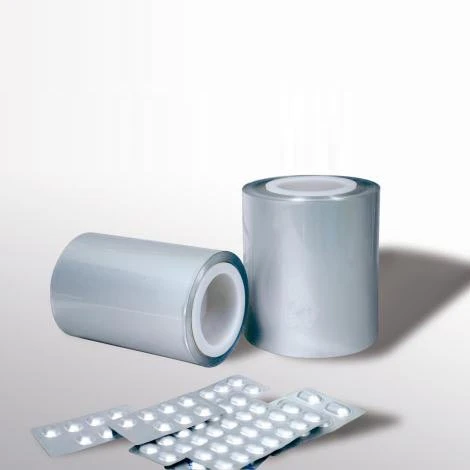
Lucky Medicinal Cold-Forming Composite Material
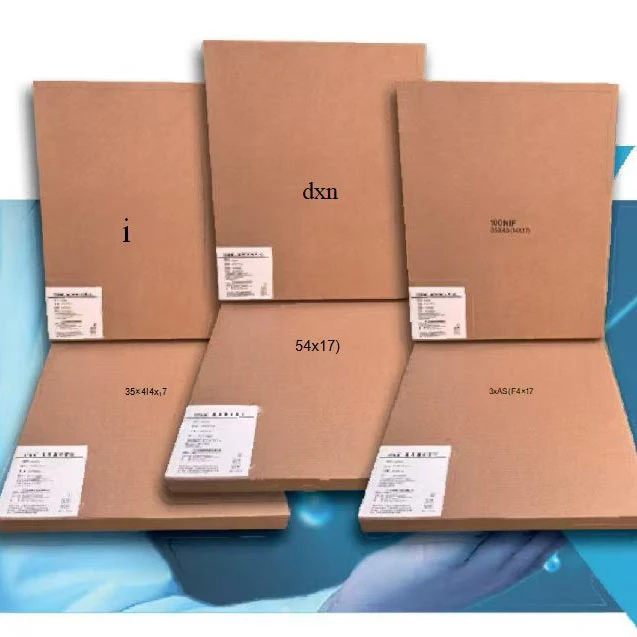

Silver Halide Photographic Paper vs Inkjet Photo Paper