

Feb . 26, 2026
When choosing materials for professional photo printing, many users compare silver halide photographic paper and inkjet photo paper. Both options can produce excellent images, but they rely on completely different technologies and serve different purposes. Understanding the differences between these two photo printing media helps photographers, print labs, and businesses select the best solution for quality, durability, and cost.
This guide explains the key differences between silver halide photographic paper vs inkjet photo paper, including printing processes, image quality, longevity, and practical applications.
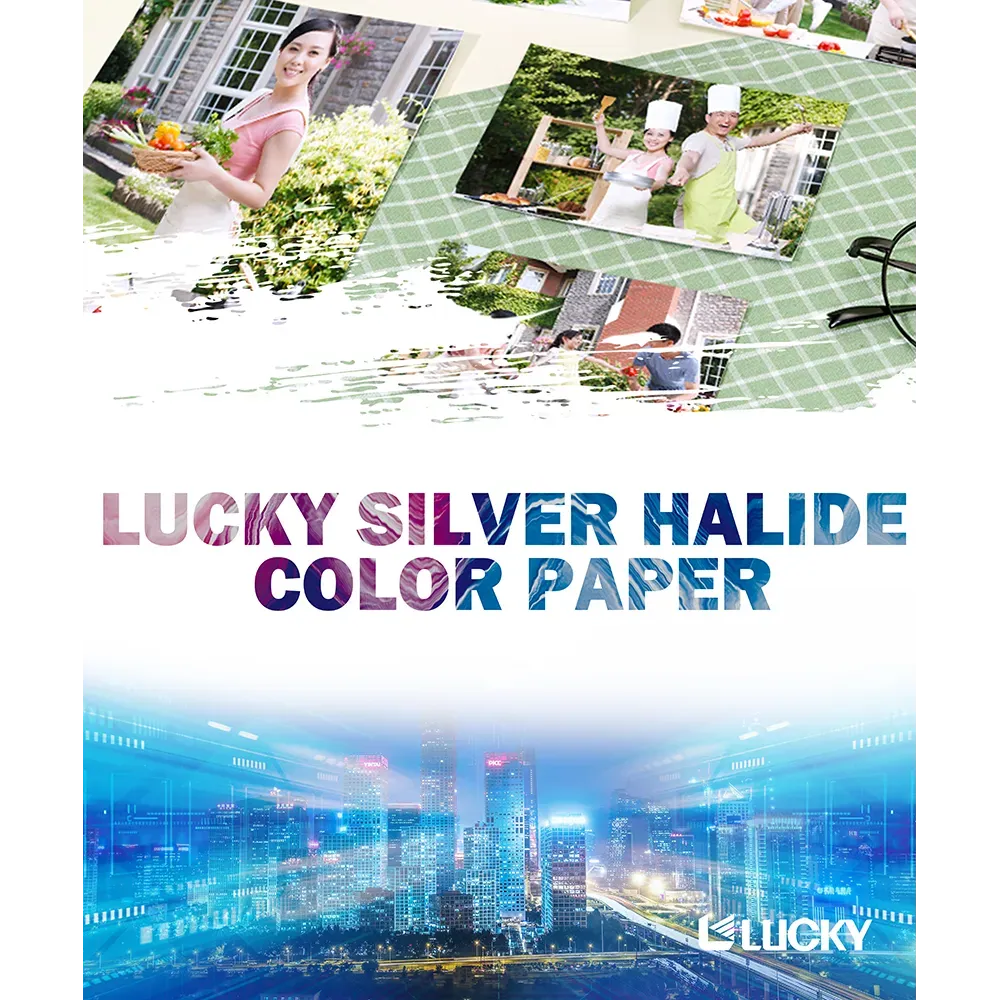
Silver halide photographic paper is a traditional light-sensitive photo paper used in professional photo labs. It contains microscopic silver halide crystals embedded in an emulsion layer. When exposed to light and processed with photographic chemicals, these crystals form highly detailed images.
Silver halide photo printing is commonly used in:
Professional photo labs
Wedding photography
Studio portrait printing
Museum-quality photo reproduction
Commercial photo finishing services
This type of paper is typically processed using digital minilab printers or laser exposure systems, which combine digital imaging with traditional chemical development.
One of the biggest advantages of silver halide photographic paper is its continuous-tone image reproduction. Instead of tiny ink dots, the image forms through chemical reactions, producing extremely smooth color transitions and natural skin tones.
Because of this, silver halide prints are widely regarded as a benchmark for professional photographic quality.
Inkjet photo paper is specially coated paper designed for use with inkjet printers. The coating absorbs liquid ink and keeps droplets from spreading, allowing printers to produce sharp and vibrant images.
Inkjet photo paper is commonly used for:
Home photo printing
Office printing
Small print shops
On-demand photo production
Craft and design work
Inkjet printing uses microscopic droplets of pigment or dye-based ink sprayed onto the paper surface. Modern inkjet printers can achieve very high resolution and strong color saturation.
One major advantage of inkjet photo paper is flexibility and convenience. Users can print photos instantly without waiting for lab processing.
Inkjet photo paper is available in many finishes:
Glossy
Matte
Satin
Luster
Metallic
Fine art textured surfaces
This wide range of options makes inkjet paper suitable for creative and customized printing projects.
Image quality is the most important factor when comparing silver halide photographic paper vs inkjet photo paper.
Key strengths include:
True continuous-tone images
Smooth color gradients
Natural skin tones
High detail reproduction
Professional photo-lab appearance
Silver halide prints often look more like traditional photographs, especially for portrait and wedding photography.
Key strengths include:
Extremely high resolution printing
Strong color saturation
Excellent sharpness
Wide color gamut (with advanced printers)
Modern inkjet printers can produce results close to silver halide prints, but images are still composed of microscopic ink dots.
For most everyday uses, inkjet quality is more than sufficient, while silver halide remains preferred for premium photo products.
Durability is another important difference between silver halide photographic paper and inkjet photo paper.
Silver halide prints typically offer:
Strong resistance to fading
Long archival life
Stable color reproduction
Good resistance to humidity
Properly processed silver halide photographs can last 30–100 years or more under suitable storage conditions.
This makes silver halide paper ideal for:
Archival photo storage
Wedding albums
Family memories
Professional portfolios
Inkjet print longevity depends heavily on:
Ink type (pigment vs dye)
Paper coating quality
Storage conditions
Pigment-based inkjet prints can last decades, but dye-based inks may fade faster when exposed to light and air.
Lower-quality inkjet paper may also suffer from:
Ink bleeding
Surface scratches
Moisture damage
High-end inkjet paper with pigment ink can achieve near-archival performance, but consistency varies widely.
Cost and workflow differences strongly influence the choice between silver halide photographic paper vs inkjet photo paper.
Silver halide printing typically requires:
Professional lab equipment
Chemical processing
Skilled operation
Batch production
This makes silver halide prints:
Cost-effective for large volumes
Less practical for small runs
Dependent on photo labs
Turnaround time is usually longer compared to inkjet printing.
Inkjet printing allows:
Instant printing
Small batch production
On-demand printing
Lower startup cost
However, inkjet printing may have:
Higher cost per print
Expensive ink cartridges
Paper compatibility limitations
Inkjet printing is ideal for businesses needing flexibility and customization.
Choosing between silver halide photographic paper and inkjet photo paper depends on the application.
Producing professional photo albums
Printing wedding photography
Creating retail photo prints
Requiring traditional photo appearance
Producing large quantities
Photo labs and professional photographers often prefer silver halide paper for consistent results.
Printing photos at home or office
Producing small batches
Creating custom prints
Making art prints
Printing on demand
Inkjet photo paper is especially suitable for small businesses and creative professionals.
Environmental impact is another factor when comparing silver halide photographic paper vs inkjet photo paper.
Silver halide processing uses:
Chemical developers
Fixers
Water washing processes
These materials require proper waste treatment and disposal.
Inkjet printing produces less chemical waste but generates:
Used ink cartridges
Packaging waste
Paper offcuts
Modern eco-friendly inkjet inks and recyclable cartridges help reduce environmental impact.
Overall, inkjet printing is often considered more environmentally convenient for small-scale use.
The comparison between silver halide photographic paper vs inkjet photo paper shows that both options have clear advantages depending on the intended use.
Silver halide photographic paper remains the preferred choice for professional photo labs and premium photographic prints, offering smooth tones, excellent longevity, and traditional photographic quality.
Inkjet photo paper provides flexibility, convenience, and creative freedom, making it ideal for home users and on-demand printing.
Understanding the differences between silver halide photographic paper and inkjet photo paper allows photographers and businesses to select the best material for their printing needs. For professional-grade photo reproduction, silver halide remains a classic solution, while inkjet photo paper continues to improve with modern printing technology.
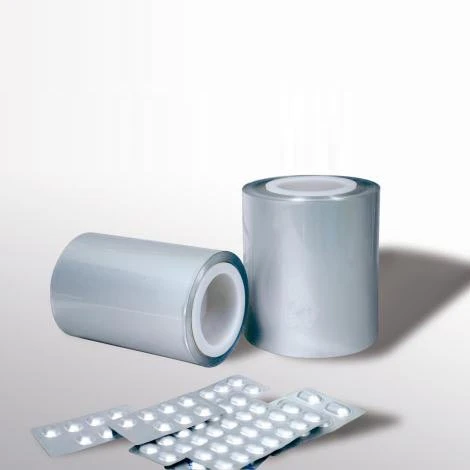
Lucky Medicinal Cold-Forming Composite Material
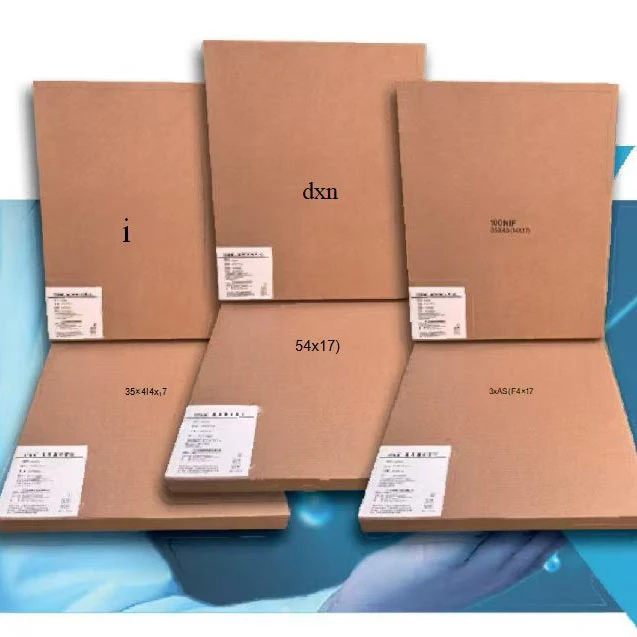
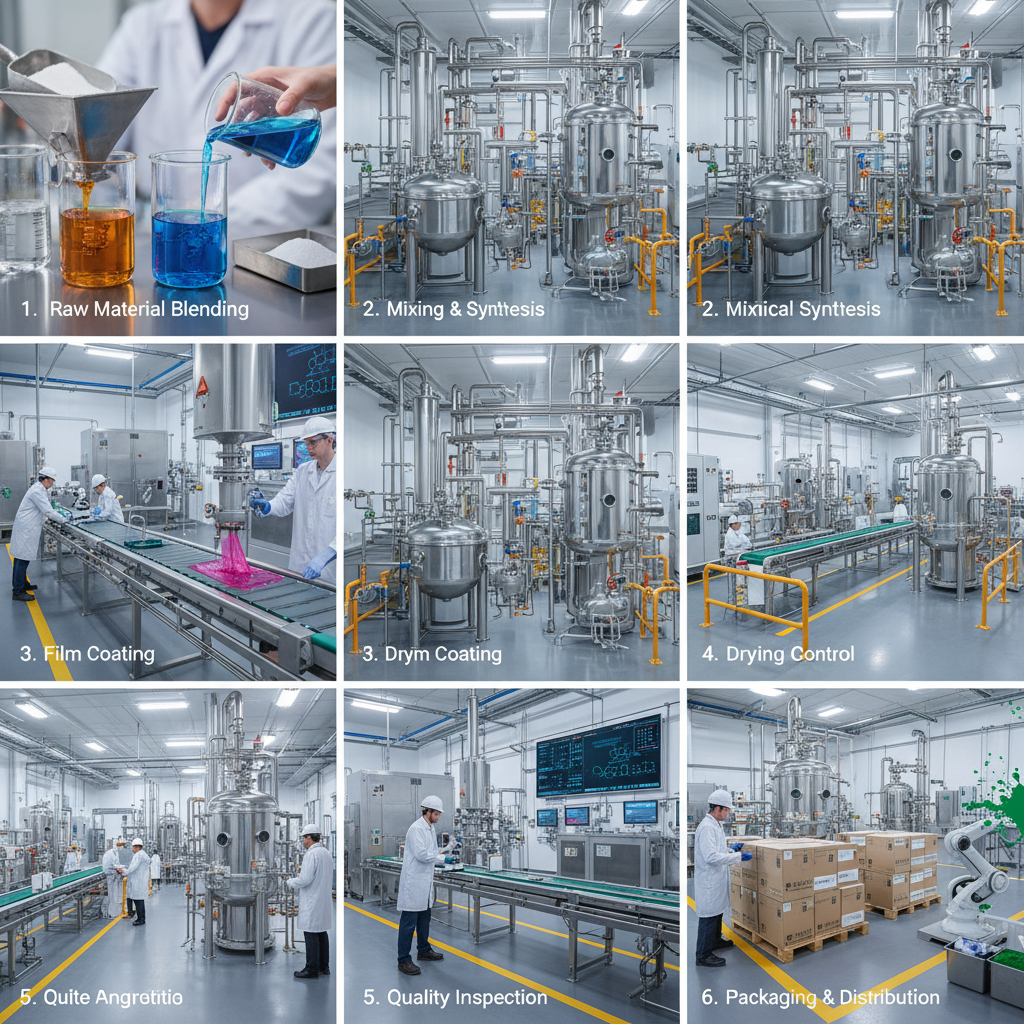
Comprehensive Guide to Industrial X Ray Film Manufacturers and Applications