

Mar . 26, 2026
Photographic processing chemicals are essential components in bringing images to life, from traditional film development to modern digital printing. They play a crucial role in converting latent images into visible prints or digital files. Choosing the right chemicals is vital for achieving optimal image quality, longevity, and consistent results. This article will delve into the world of photographic processing chemicals, exploring their types, applications, safety considerations, and the latest advancements. Whether you're a professional photographer, a hobbyist, or involved in commercial printing, understanding these chemicals is paramount.

The range of photographic processing chemicals can seem daunting, but they generally fall into a few key categories. Developers convert the latent image into a visible one, increasing the density of silver particles. Fixers (also known as hypo) remove unexposed silver halide crystals, making the image permanent and light-safe. Stop baths neutralize the developer, halting the development process. Toners alter the image tone and enhance archival qualities. Finally, wetting agents reduce surface tension, preventing water spots during drying. Each chemical plays a unique role in the photographic process, and their proper use is essential for optimal results. LK International offers a comprehensive selection of these chemicals.
Key Highlights: Proper use of developers, fixers, stop baths, toners, and wetting agents is essential for achieving high-quality photographic results.
These chemicals are not limited to traditional black-and-white film development. They are widely used in color film processing (C-41 and E-6 processes), professional photographic printing, and even in certain industrial applications like lithography. Different types of film and paper require specific chemical formulations and processing times. For instance, black-and-white processing uses different chemicals than color processing. The rise of digital printing has also created demand for specialized chemicals used in inkjet and laser printing processes, including photo papers and coatings. Understanding the specific application is crucial when selecting the right chemicals.
Application Areas:
• Black and White Film Development
• Color Film Processing (C-41, E-6)
• Professional Photographic Printing
• Digital Printing (Inkjet & Laser)
The characteristics of different developers, for example, can significantly impact the final image. Some developers are known for their fine grain, while others produce higher contrast. Similarly, fixers vary in their speed and archival properties. Here’s a comparison of common developer types:
Many photographic chemicals can be hazardous if not handled properly. Always wear appropriate protective gear, including gloves, eye protection, and ventilation. Follow the manufacturer's safety data sheets (SDS) carefully. Never mix chemicals unless specifically instructed, as dangerous reactions can occur. Proper disposal of used chemicals is also critical to protect the environment. Check local regulations for proper disposal methods. Storing chemicals in a cool, dry, and well-ventilated area is essential. LK International provides detailed safety information along with its products.
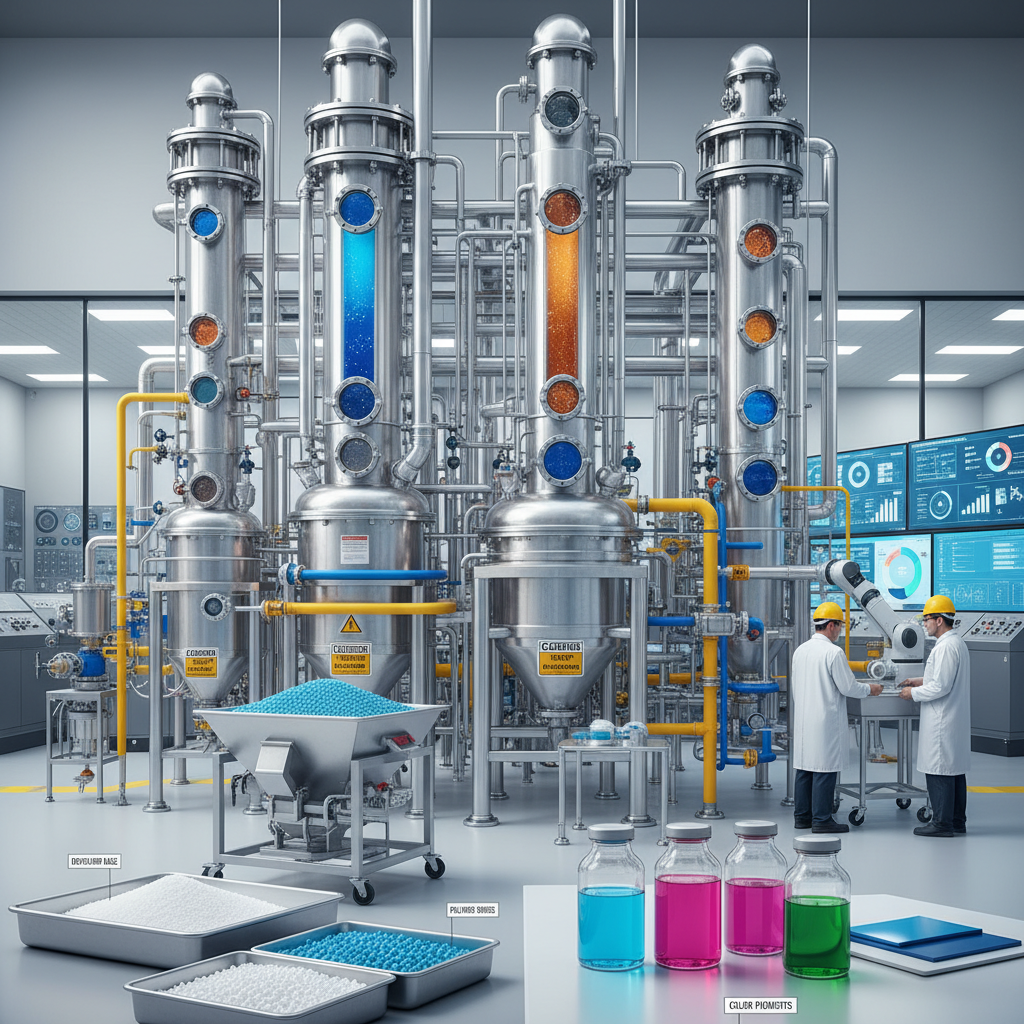
The photographic industry is constantly evolving. Research is ongoing to develop more environmentally friendly chemicals and processes. There's a growing interest in sustainable alternatives to traditional chemicals, such as bio-based developers and fixers. Furthermore, advancements in digital printing technologies are driving the development of new and improved inks and coatings. The demand for archival-quality materials remains strong, leading to innovations in toners and protective coatings. Staying abreast of these trends is vital for photographers and industry professionals.
Understanding photographic processing chemicals is fundamental for achieving optimal results in both traditional and modern photography. From selecting the right developer to ensuring safe handling and disposal, each step plays a crucial role. As the industry evolves, embracing sustainable practices and staying informed about new technologies will be essential for continued success.
The shelf life of photographic chemicals varies depending on the type and storage conditions. Generally, unopened chemicals can last for several years if stored in a cool, dry, and dark place. Once opened, chemicals are susceptible to oxidation and degradation. Developers, in particular, have a limited shelf life once mixed with water. It’s best to prepare developer solutions fresh for optimal results. Always check the manufacturer's recommendations on the product packaging for specific storage and shelf life information. Expired chemicals may produce inconsistent results or even damage your film or paper.
Improper disposal of photographic chemicals can harm the environment. Never pour chemicals down the drain, as they can contaminate water sources. Instead, collect used chemicals in labeled, sealed containers and contact your local waste management authority for proper disposal guidelines. Some areas offer designated hazardous waste collection facilities. Neutralizing certain chemicals before disposal may be required, but always follow local regulations and safety precautions. Many photography supply stores also offer chemical recycling or disposal services.
Black and white developers primarily focus on converting silver halide crystals into metallic silver. Color developers, however, are more complex and involve dye couplers that create the color images. Color developers require precise temperature control and specific processing times to ensure accurate color reproduction. Black and white developers are generally more forgiving in terms of temperature variations. Additionally, color developers often require replenishing during the process to maintain consistent results, while black and white developers can often be used for multiple rolls of film.
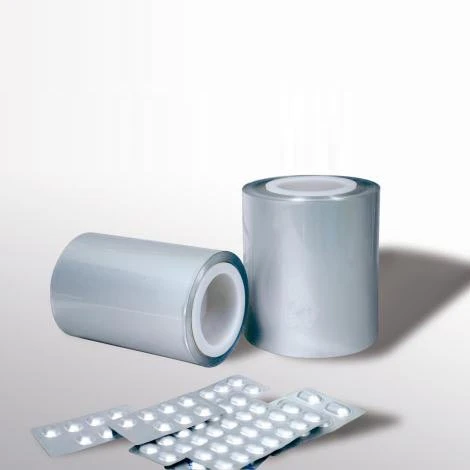
Lucky Medicinal Cold-Forming Composite Material

Inkjet Photo Paper Suppliers: A B2B Guide