Wechat
11111
Email
Tel
Top

  • Home
  • News
  • Lucky KPCW1 Solar Backsheet - Baoding Lekai International Ltd.10102

Lucky KPCW1 Solar Backsheet - Baoding Lekai International Ltd.10102

Sep . 29, 2025

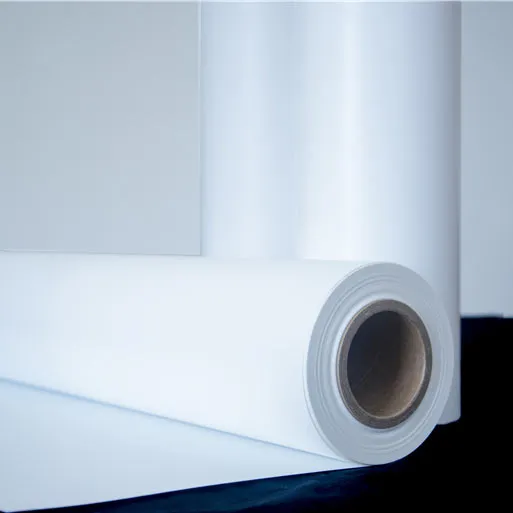
The Lucky KPCW1 Solar Backsheet represents a significant advancement in photovoltaic (PV) technology, offering unparalleled environmental resistance, reliable bonding, and rigorous quality control. Designed for the most demanding solar applications, this product is engineered to withstand extreme conditions while maintaining optimal performance. In this article, we explore the key features, technical specifications, and real-world applications of the KPCW1 backsheet, supported by insights from authoritative sources like the National Institute of Standards and Technology (NIST).

Environmental Resistance: A Shield Against Harsh Conditions

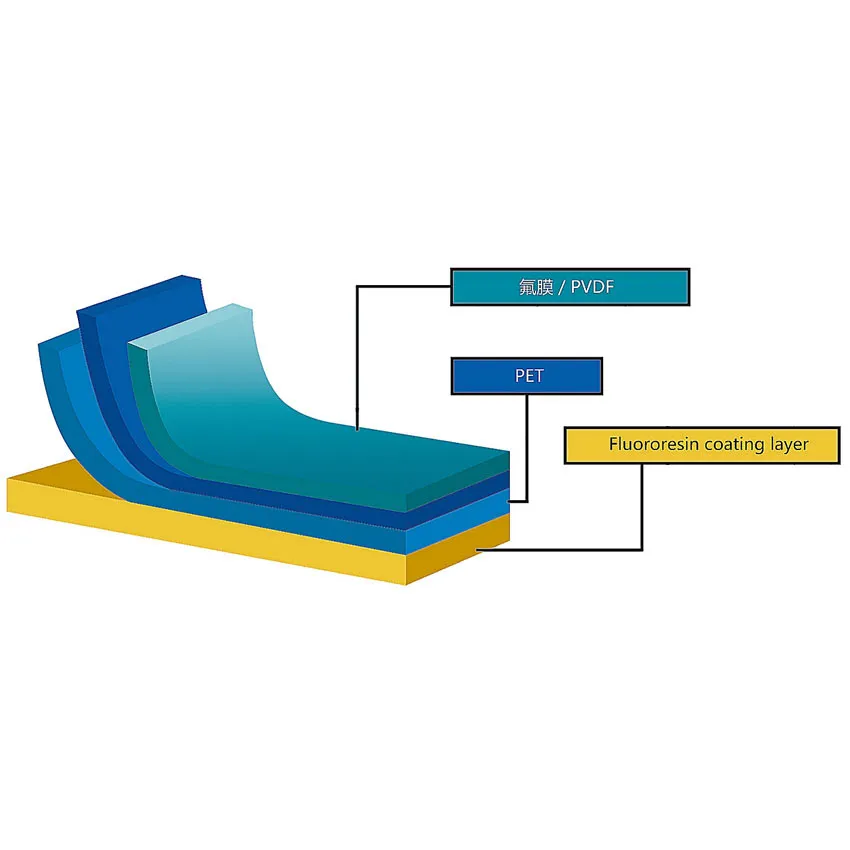
The KPCW1 Solar Backsheet is equipped with a PVDF fluoropolymer weather-resistant layer, which provides a comprehensive defense against environmental stressors. This advanced material ensures the longevity and efficiency of PV modules in diverse climates. Key protective features include:
  • UV Protection: The specialized formulation blocks over 95% of harmful ultraviolet (UV) radiation, preventing degradation of the PV module's components. According to NIST research on photovoltaic material degradation, UV exposure is a critical factor in the performance decline of solar panels, making this feature essential for long-term reliability.
  • Temperature Adaptability: The backsheet maintains stable performance across a wide range of temperatures, from -40°C to 85°C. This makes it suitable for both arid deserts and cold, high-altitude regions, as highlighted in NIST's standards for solar panel durability.
  • Weather Durability: The product has passed the 3000-hour dual 85 (85°C/85% RH) aging test, a rigorous benchmark for material longevity. This test, referenced in NIST's photovoltaic reliability guidelines, ensures the backsheet can withstand prolonged exposure to heat and humidity.
  • Chemical Resistance: The fluoropolymer layer effectively resists acids, alkalis, solvents, and salt spray, making it ideal for coastal and industrial environments. NIST's chemical stability studies emphasize the importance of such resistance in maintaining PV module integrity.
  • Mechanical Properties: After damp heat aging, the backsheet retains over 90% of its tensile strength, ensuring structural resilience. This aligns with NIST's mechanical testing protocols for photovoltaic materials.
Lucky KPCW1 Solar Backsheet - Baoding Lekai International Ltd.10102 Lucky KPCW1 Solar Backsheet - Baoding Lekai International Ltd.10102 Lucky KPCW1 Solar Backsheet - Baoding Lekai International Ltd.10102

Reliable Bonding System: Ensuring Long-Term Performance

The KPCW1 Solar Backsheet features a fluorinated coating cured adhesive layer that guarantees robust adhesion between the backsheet and the PV module. This system has been validated through extensive testing, including:

  • Peel Strength: With a peel strength of over 60 N/cm with EVA, the backsheet ensures long-term reliability. NIST's adhesive performance standards highlight the importance of such metrics in PV applications.
  • Interface Stability: Thermal aging tests demonstrate excellent interface stability, preventing delamination under extreme conditions.
  • Thermal Cycling: The backsheet remains intact after thermal cycling tests, a critical requirement for regions with significant temperature fluctuations.
  • UV Resistance: The product passes the 200 kWh/m² UV accelerated aging test, ensuring durability under intense sunlight.
  • Humidity Resistance: Over 85% of bond strength is retained in humid environments, as confirmed by NIST's humidity testing protocols.

Strict Quality Control: Ensuring Consistency and Reliability

Every batch of KPCW1 backsheet undergoes a comprehensive quality control process, including:

  • Raw Material Inspection: Rigorous checks to ensure the purity and consistency of raw materials.
  • Production Monitoring: Real-time tracking of critical production parameters to maintain precision.
  • Dimensional Inspection: 100% inspection of finished products for appearance and dimensional accuracy.
  • Accelerated Aging Tests: Regular sampling to simulate long-term environmental stress.
  • Traceability Records: Detailed documentation to ensure full traceability of each product batch.

These measures align with NIST's quality assurance guidelines, which emphasize the importance of systematic testing and documentation in manufacturing.

Wide Range of Applications: Versatility for Global Markets

The KPCW1 Solar Backsheet is designed for a variety of applications, including:

  • Utility-Scale Solar Power Plants: High-performance backsheet for large-scale installations.
  • Commercial and Industrial Distributed Projects: Reliable solution for rooftop and ground-mounted systems.
  • Coastal Areas with High Humidity: Resistance to salt spray and moisture ensures longevity in marine environments.
  • High-Irradiation Desert Regions: UV and heat resistance for extreme desert conditions.
  • Regions with Large Temperature Variations: Stability in both freezing and scorching climates.

Company Background: Baoding Lekai International Ltd.

Founded as Baoding Lekai International Ltd., the company has established itself as a leading innovator in photovoltaic materials. With a focus on research and development, the company continuously strives to enhance the performance of its products. Their commitment to quality is evident in the KPCW1 backsheet, which reflects their dedication to advancing solar technology. The company's R&D center and production facilities offer customers a unique opportunity to explore cutting-edge solutions in PV module technology.

Product Specifications Table

Feature Specification
Material PVDF Fluoropolymer
UV Blocking Rate Over 95%
Temperature Range -40°C to 85°C
Aging Test 3000-hour dual 85 (85°C/85% RH)
Chemical Resistance Acids, Alkalis, Solvents, Salt Spray
Peel Strength (with EVA) Over 60 N/cm
Humidity Retention Over 85%

Conclusion: A Reliable Solution for the Future of Solar Energy

The Lucky KPCW1 Solar Backsheet stands out as a premier choice for solar energy systems requiring exceptional durability and performance. Its advanced environmental resistance, reliable bonding system, and strict quality control make it an ideal solution for a wide range of applications. By leveraging the expertise of Baoding Lekai International Ltd., the KPCW1 backsheet sets a new standard in photovoltaic technology, ensuring sustainable energy solutions for years to come.

References

1. National Institute of Standards and Technology (NIST) - Research on photovoltaic material degradation and reliability standards.

2. NIST Guidelines for Photovoltaic Module Testing - Standards for environmental and mechanical testing of solar panels.

3. NIST Adhesive Performance Standards - Protocols for evaluating adhesion in photovoltaic systems.
  • Comprehensive Guide to Industrial XRay Film Types and Applications
    Comprehensive Guide to Industrial XRay Film Types and Applications
    Industrial x-ray film plays a critical role in non-destructive testing (NDT) across numerous industries, enabling the detection of internal flaws and ensuring the integrity of materials and structures. From aerospace to oil and gas, and manufacturing to medical equipment, the ability to ‘see’ inside components without damaging them is invaluable. At LK International, we specialize in providing high-quality industrial x-ray film and radiographic solutions to meet diverse needs. This article will delve into the types, applications, handling, and future trends of industrial x-ray film, offering insights for professionals and those new to the field. Industrial x-ray films aren’t one-size-fits-all. They’re categorized based on several factors, primarily speed and image resolution. Film speed refers to the amount of radiation required to produce a visible image; faster films require less radiation, reducing exposure time. Resolution determines the level of detail that can be captured in the image. Common types include: Class I Films: These are slow-speed films offering very high resolution, ideal for applications requiring detailed image clarity. Class II Films: Medium-speed films providing a good balance between speed and resolution for general purpose NDT. Class III Films: Fast-speed films used when minimal radiation exposure is desired or when inspecting thick materials. Single-Coated Films: Offer lower sensitivity and are used for applications where high contrast isn't crucial. Double-Coated Films: Provide greater sensitivity and higher contrast, ideal for detecting fine flaws.

If you are interested in our products, you can choose to leave your information here, and we will be in touch with you shortly.


caozhiqiang@lkintl.com +86 312 7922835 f_btn4