

Dec . 12, 2025
Solar Backsheet is a key solution in the new energy industry, specifically within solar photovoltaic and Photovoltaic module materials. This article explores how Baoding Lekai International Ltd. supports professionals with durable, high-performance products, and explains why this product is an ideal choice for businesses in these sectors.
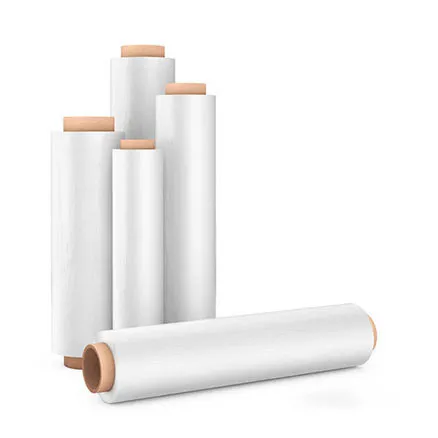
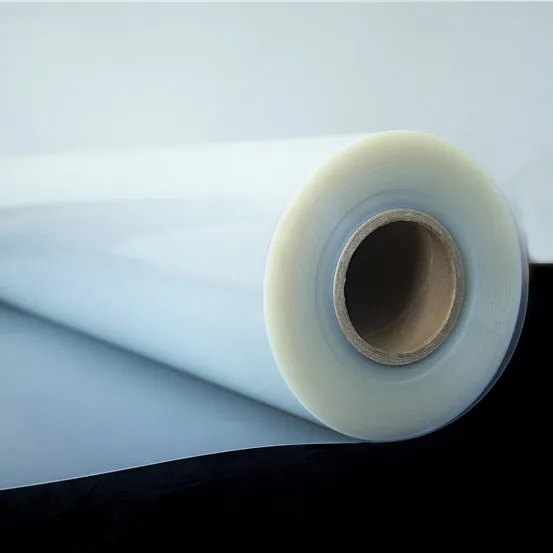
A solar backsheet is the outermost protective layer on the rear side of a back sheet solar panel. As the primary electrical insulation and environmental barrier, the solar backsheet film safeguards cells and interconnects from UV radiation, moisture, and mechanical stress throughout a 25–30+ year lifetime. Typical constructions include fluoropolymer/PET laminates such as PVDF/PET/PVDF (often called a PVDF backsheet or KPK), PVF/PET/PVF (the classic Tedlar backsheet, also known as TPT), and advanced fluorine-free co-extruded designs. The white backsheet solar panel format is widely adopted for its high reflectivity, which can marginally boost module power by reflecting light back into the cells, while black or transparent backsheets serve aesthetic or specific optical needs.
From a technical standpoint, quality solar backsheets demonstrate high dielectric strength, low water vapor transmission rates, robust UV weatherability, and strong adhesion to the encapsulant (for example, an EVA solar backsheet interface or POE). They are validated under industry reliability protocols (e.g., damp heat, UV, thermal cycling, and wet leakage tests aligned with IEC standards). Baoding Lekai International Ltd. engineers solar backsheets to meet demanding field conditions for utility-scale, C&I, and residential PV, leveraging materials science, precision coating, and lamination expertise to deliver durable, bankable performance for module makers worldwide.
In module manufacturing, solar backsheets are selected to match cell technology, system voltage, climate exposure, and end-market requirements. For mainstream mono-facial modules, a white, high-gloss solar backsheet can increase rear-side reflectance, while black backsheets support architecturally integrated, low-glare aesthetics. For bifacial or glass-like optical needs, transparent types of solar backsheet are used. Tedlar backsheet (PVF-based) solutions are valued for long-term weathering resistance, whereas PVDF backsheet constructions balance durability and cost. Fluorine-free co-extruded architectures are gaining ground for sustainability and recyclability objectives. Across all variants, the solar backsheet film must bond reliably with EVA or POE encapsulants and maintain insulation at elevated voltages used in modern 1500 V systems.
Baoding Lekai International Ltd. supports these applications with a portfolio that addresses optical reflectivity, adhesion, hydrolytic stability, and UV protection, enabling stable power output and fewer field failures. Competitive advantages include consistent film quality, controlled surface energy for strong lamination to EVA, and formulations tuned for crack resistance under thermal cycling. Whether for utility-scale arrays in hot-dry zones, rooftop projects with high pollution loads, or coastal environments with salt-mist exposure, Lekai’s solar backsheets help module OEMs hit reliability targets while optimizing cost and throughput on the lamination line.
Total cost of ownership in PV hinges on durable materials that preserve insulation and minimize moisture ingress over decades. A robust solar backsheet reduces the risk of backsheet chalking, cracking, or delamination that can trigger wet leakage, string outages, or safety incidents—issues that drive costly O&M interventions. Selecting the right construction (e.g., PVDF backsheet or fluorine-free co-extruded alternatives) helps module makers balance upfront material cost with lifetime yield and warranty risk. For mono-facial modules, a white backsheet solar panel can also contribute to marginal energy gains through higher reflectance compared to dark or transparent options—supporting improved lifetime energy yield and ROI.
Feedback from EPCs and asset owners consistently underscores that stable lamination to EVA and enduring dielectric strength translate to fewer field failures and more predictable performance. Baoding Lekai International Ltd. emphasizes process control and material consistency to help module OEMs achieve high first-pass yields on the lamination line, lowering scrap and rework. For B2B decision makers, this means a more bankable module bill of materials, reduced long-term service exposure, and a smoother path to warranty compliance and investor confidence.
Global PV growth is accelerating with utility-scale pipelines, distributed generation, and storage hybrids expanding rapidly. As module powers climb and system voltages reach 1500 V, the solar backsheet must keep pace with higher electrical stress and harsher climates. In parallel, regulators and buyers are pushing for safer chemistries, lower carbon footprints, and easier end-of-life handling. This is driving innovation across types of solar backsheet, including fluorine-free co-extruded structures designed for recyclability, and solvent-lean manufacturing that supports compliance with evolving RoHS/REACH and producer responsibility frameworks.
Baoding Lekai International Ltd. positions its solar backsheets for this transition, focusing on material efficiency, long-term reliability, and compatibility with advanced cell technologies such as TOPCon and HJT. By aligning product development with sustainability roadmaps—covering emissions, safer additives, and recycling readiness—Lekai gives module makers a forward-looking choice that supports ESG targets without compromising performance. For procurement teams and technical leaders, this translates into resilient supply, durable modules, and reduced lifecycle risk across global project portfolios.
In the solar photovoltaic value chain, the solar backsheet is a small component with outsized impact—protecting modules, preserving insulation, and sustaining long-term energy yield. From classic Tedlar backsheet architectures to PVDF and fluorine-free designs, Baoding Lekai International Ltd. delivers solar backsheets that balance durability, processability, and cost for high-volume module production. Trusted by professionals, Lekai’s materials help reduce O&M risk and enhance project bankability.
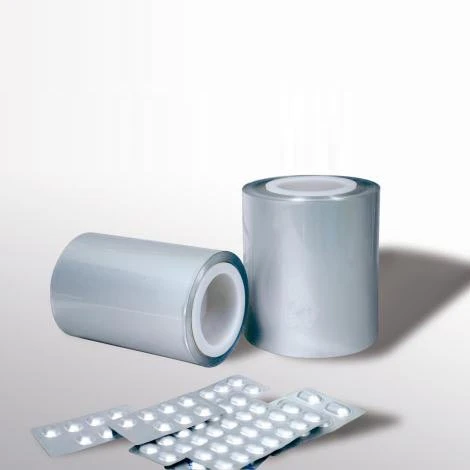
Lucky Medicinal Cold-Forming Composite Material
Comprehensive Guide to Industrial Radiographic Film Types and Applications