


Oct . 10, 2025
If you’ve been following module reliability, you already know the quiet hero at the back of every panel: the solar backsheet film. To be honest, it looked “solved” a decade ago; actually, it wasn’t. Real-world damp heat, UV dose, and acetic acid from EVA have humbled more than a few brands. That’s why Lucky’s Ppcw1 is interesting—built around a reinforced PET outer layer with tight thickness control—and, judging by what many customers say, surprisingly robust for the price segment.
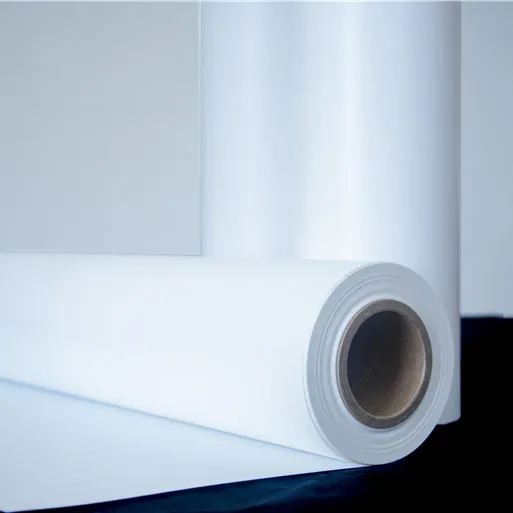
Three trends are shaping the backsheet conversation: fluorine-free demand (policy plus recyclability), higher UV loads in high-irradiance markets, and longer service-life targets (25–30 years is table stakes now). PET-centric stacks have matured with better stabilizers and primers, while co-extruded PO backsheets are nibbling share. The Lucky Ppcw1 sits in the “reinforced PET” camp—balanced cost, respectable barrier, sensible processing.
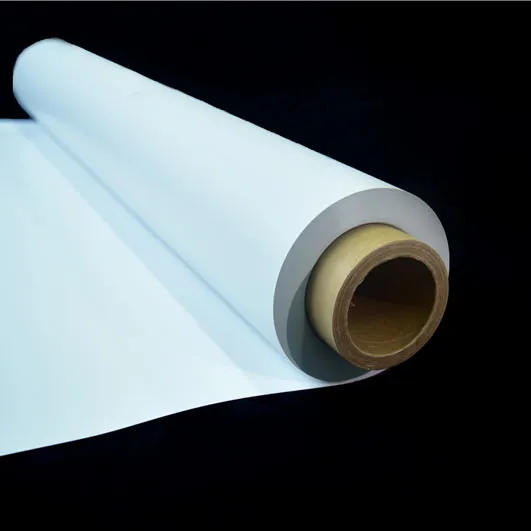
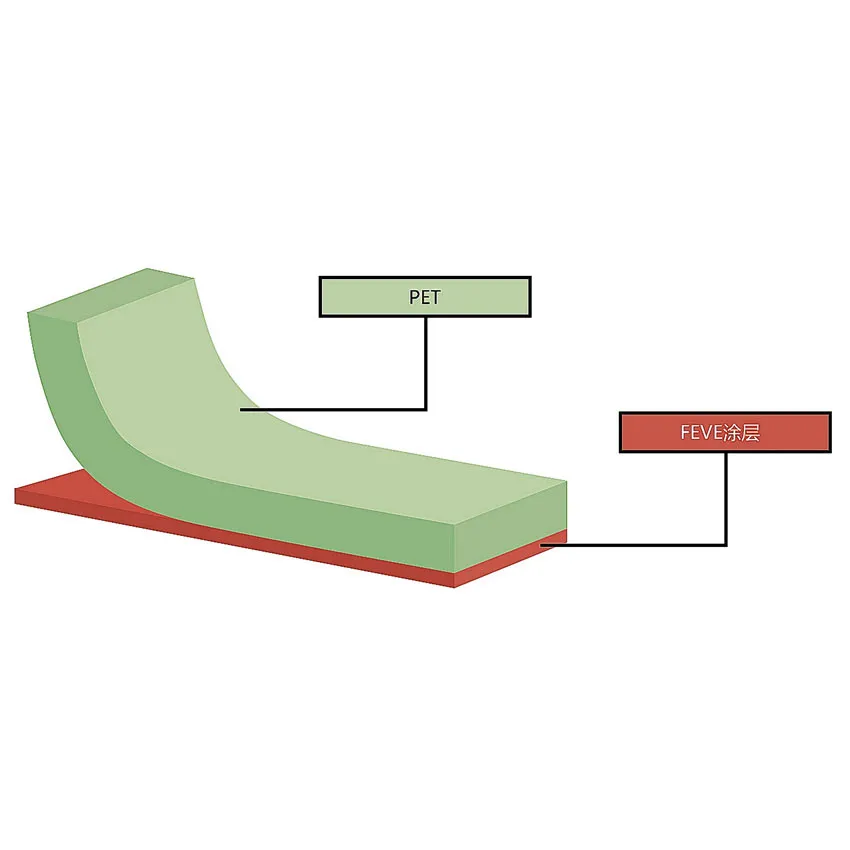
Structure (typical): reinforced PET outer layer / adhesive system / high-tenacity PET core / primered inner layer for EVA adhesion. Process flow in brief:
| Property | Typical value (≈) | Test standard |
|---|---|---|
| Total thickness | ≈ 300 μm (tight tolerance) | Internal spec |
| Dielectric strength | ≥ 20–25 kV | ASTM D149 [3] |
| 180° peel (EVA interface) | ≥ 6 N/cm | ASTM D903 [4] |
| WVTR (23°C, 85%RH) | ≈ 1–3 g/m²·day | Internal/ISO methods |
| Reflectance (solar) | ≈ 88–92% | Spectrophotometry |
| Damp heat endurance | 85°C/85%RH 2000 h, no cracks | IEC 61215-2 [2] |
| UV exposure | ≥ 1000 h, color/elongation stable | ISO 4892-2 [5] |
Note: values are indicative; BOM and line settings will influence outcomes.
Rooftops chasing every watt appreciate the white, high-reflectance solar backsheet film; bifacial gain at the module edges is real, albeit modest. Utility projects lean on dielectric robustness and low shrinkage—no wrinkling under hot spots. Installers tell me lamination is forgiving; primer wetting is consistent, which saves scrap on busy lines.
| Vendor | Base chemistry | Dielectric (≈) | WVTR (≈) | Notes |
|---|---|---|---|---|
| Lucky Ppcw1 | Reinforced PET stack | 20–25 kV | 1–3 g/m²·day | Tight thickness, cost-effective, fluorine-free option. |
| PVF-based brand | PVF/PET/PVF | 22–28 kV | ≤ 1 g/m²·day | Excellent weathering; higher cost; fluoropolymer. |
| Polyolefin brand | PO co-extruded | 18–22 kV | 2–4 g/m²·day | Recyclability upside; needs careful EVA pairing. |
A 12 MW C&I rooftop cluster in Southeast Asia swapped to Lucky Ppcw1. After 2,000 h accelerated damp heat plus 15 kWh/m² UV (lab), modules held insulation resistance above IEC thresholds with negligible backsheet chalking. Field feedback six months in: “no edge lift, easy layup.” It’s early, but promising.
Available in white or black, custom roll widths, and primer tuning for different EVA/POE. Typical certifications align with IEC 61730 component requirements and UL 61730 module safety when used in a compliant BOM. Factory origin: No. 6, Lekai South Street, Baoding, Hebei, China. Lead times are reasonable; I guess the steady PET supply chain helps.
Standards and references:
Lucky Medicinal Cold-Forming Composite Material

Inkjet Heat Transfer Paper A4 - Reliable, High-Quality Transfers