In the demanding landscape of modern healthcare, the development of high-performance barrier materials has become a cornerstone for patient safety and wound management. The emergence of pu film medical has revolutionized how clinicians approach protective dressings, offering a sophisticated balance between impermeable protection and biological breathability. By leveraging advanced polymer science, these films ensure that sterile environments are maintained while allowing the skin to recover naturally.
Globally, the demand for medical-grade polyurethane films is driven by an aging population and an increase in chronic wound care requirements, such as diabetic ulcers and surgical site protections. The versatility of pu film medical allows it to be integrated into various medical devices, from IV catheter securement to advanced transparent dressings. This material is not merely a cover but a functional interface that reduces the risk of hospital-acquired infections.
Understanding the technical nuances of these materials is essential for procurement officers and medical engineers who aim to optimize patient outcomes. From moisture vapor transmission rates (MVTR) to biocompatibility standards, the specifications of pu film medical dictate the efficiency of the healing process. As we delve deeper into the industrial applications and future trends of these polymers, it becomes clear that innovation in this sector is directly linked to global healthcare quality.
Global Relevance of pu film medical
The global healthcare market has seen a significant shift toward minimally invasive procedures and advanced wound care, placing pu film medical at the center of surgical recovery protocols. According to international healthcare standards and ISO certifications, the ability of a dressing to act as a bacterial barrier while remaining transparent is critical for early detection of infections without removing the bandage.
In regions with high humidity or underdeveloped sanitary infrastructure, the application of high-quality PU films prevents external contaminants from entering open wounds, thereby reducing the burden on local healthcare systems. This global relevance is further amplified by the rise of home-care services, where durable and easy-to-apply medical films empower patients and caregivers to maintain clinical-grade hygiene outside of hospital settings.
Defining the Standards of Medical PU Films
At its core, pu film medical is a thermoplastic polyurethane membrane engineered for high biocompatibility and specific permeability. Unlike standard industrial plastics, medical-grade PU is synthesized to be non-irritating to human skin and hypoallergenic, ensuring that it can be worn for extended periods without causing dermatitis or allergic reactions.
The primary function of this material is to create a "semi-permeable" barrier. This means it is liquid-proof—blocking water, blood, and bacteria—but allows water vapor and oxygen to pass through. This unique property prevents the maceration of the skin (over-hydration) while keeping the wound bed moist, which is scientifically proven to accelerate epithelialization.
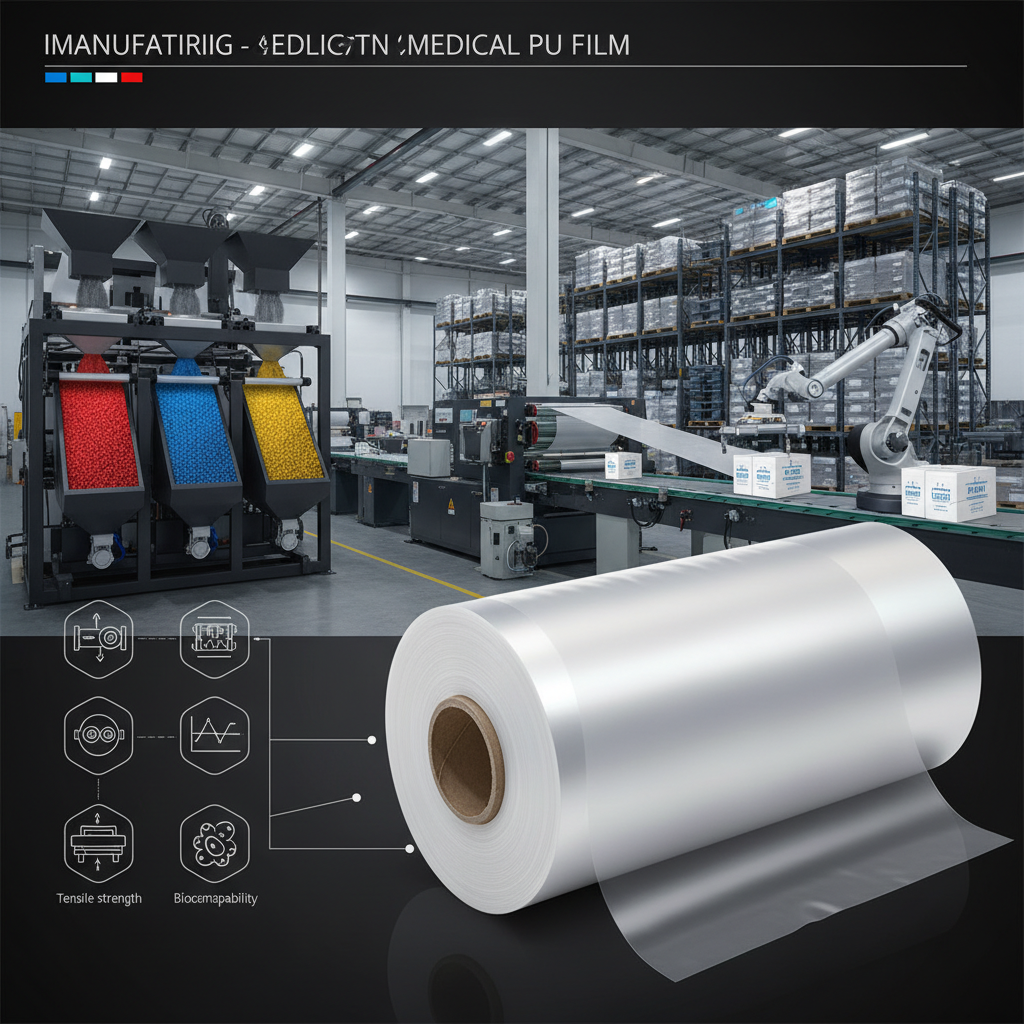
From a manufacturing perspective, the production of pu film medical involves precise extrusion processes to control the thickness and porosity of the film. These technical specifications are strictly governed by pharmacopeia standards to ensure that every square centimeter of the material provides consistent protection and reliability across different batches.
Core Components of pu film medical Performance
The effectiveness of pu film medical is primarily determined by its Moisture Vapor Transmission Rate (MVTR). A high MVTR ensures that sweat and wound exudate do not accumulate under the film, which would otherwise lead to skin breakdown and increase the risk of bacterial growth.
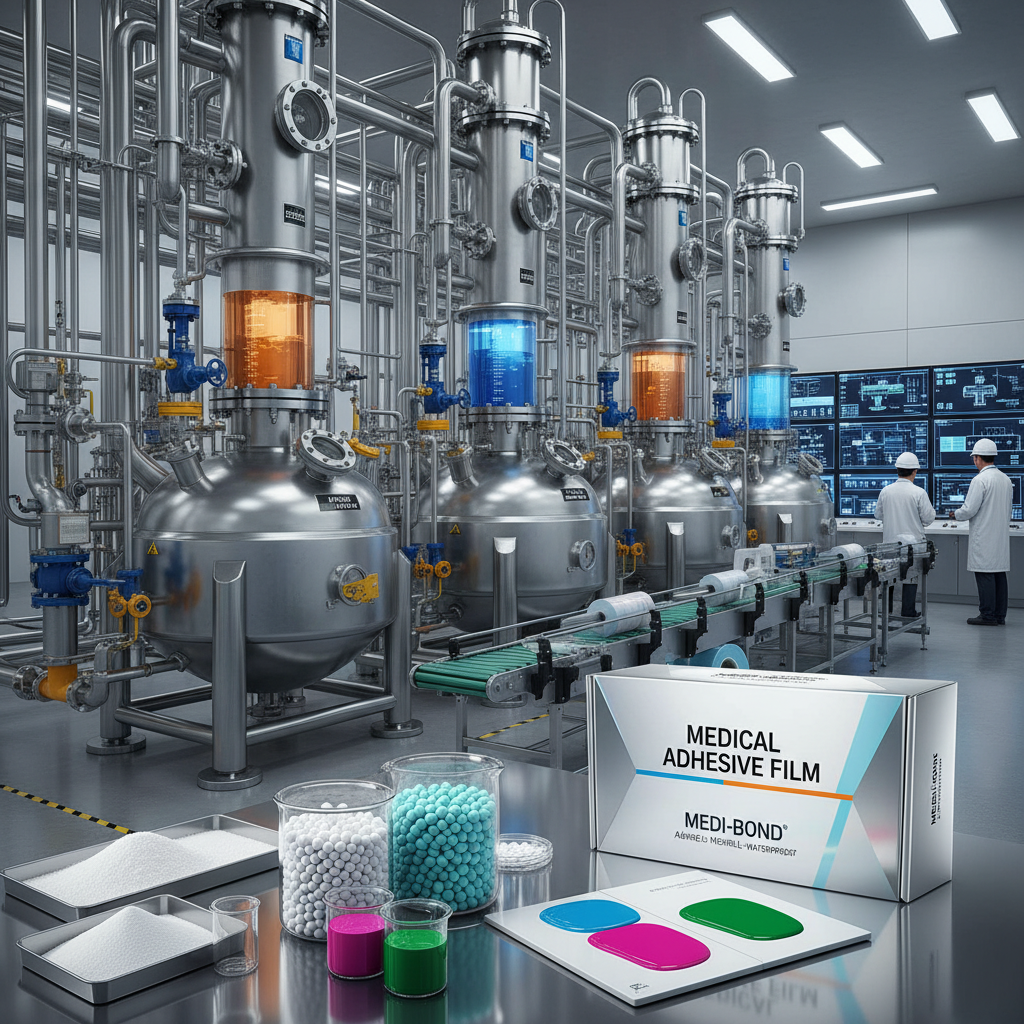
Another critical component is the adhesive chemistry used in conjunction with the pu film medical. Medical-grade acrylic adhesives are typically employed to provide a secure seal that resists shear forces from clothing yet can be removed with minimal trauma to the stratum corneum, ensuring patient dignity and comfort.
Lastly, the optical clarity of the film is a vital performance factor. By maintaining a high level of transparency, pu film medical allows clinicians to monitor the wound site for redness, swelling, or discharge without disturbing the sterile environment, thus reducing the frequency of dressing changes and the risk of secondary contamination.
Comparative Analysis of PU Film Applications
Different medical scenarios require different specifications of pu film medical. For instance, a film used for an IV site requires higher breathability to prevent skin maceration over a 7-day period, whereas a film used for a surgical incision may prioritize a stronger adhesive bond to ensure the wound remains completely sealed against external pressures.
When comparing various grades of PU films, the trade-off often lies between thickness (durability) and flexibility (conformability). Thinner films offer better drape over jointed areas like elbows or knees, while thicker films provide superior puncture resistance for high-risk environments.
Performance Metrics of pu film medical Variants
Global Use Cases in Clinical Environments
In high-intensity clinical settings, such as Intensive Care Units (ICUs), pu film medical is indispensable for the stabilization of central venous catheters. By creating a waterproof seal, these films prevent the entry of Staphylococcus aureus and other opportunistic pathogens, significantly lowering the incidence of catheter-related bloodstream infections.
Beyond hospitals, this material is widely utilized in post-disaster relief operations. In environments where sterile conditions are impossible to maintain, the rapid deployment of PU-based wound covers provides an immediate biological shield for injured persons, bridging the gap between field triage and surgical intervention in remote industrial or disaster zones.
Long-term Value and Patient Safety
The adoption of high-quality pu film medical translates directly into reduced healthcare costs by shortening hospital stays and minimizing the need for expensive antibiotic treatments associated with secondary infections. The reliability of these materials ensures that the healing process is not interrupted by frequent dressing changes.
From a psychological perspective, the use of transparent films enhances patient dignity and comfort. Patients are less anxious when they can see their healing progress, and the lightweight, "second-skin" feel of the PU film reduces the physical burden and irritation often associated with heavy gauze and adhesive tapes.
Furthermore, the scalability of this technology allows for the development of customized shapes and sizes, fitting everything from small finger incisions to large abdominal surgical sites. This adaptability ensures that pu film medical remains a versatile tool in the arsenal of modern wound care, providing consistent value across diverse patient demographics.
Future Innovations in pu film medical
The next frontier for pu film medical lies in the integration of "smart" materials. Researchers are currently developing PU films embedded with nanosensors capable of monitoring pH levels and temperature in real-time. This would allow the film to signal the onset of an infection through a color change before clinical symptoms become visible.
Sustainability is also driving innovation. The shift toward bio-based polyurethanes aims to reduce the carbon footprint of medical consumables without compromising the sterile properties of the film. By utilizing renewable feedstocks, the industry is moving toward a more circular economy in medical plastics.
Additionally, automation in the application process, such as precision-cut films tailored to individual patient anatomy via 3D scanning, is on the horizon. This will further optimize the seal of pu film medical, ensuring that no gaps are left for contaminants to enter.
Technical Specification Comparison of Future pu film medical Trends
| Innovation Type |
Primary Benefit |
Implementation Stage |
Impact Score (1-10) |
| Bio-based PU |
Eco-friendly production |
Early Commercialization |
8 |
| pH-Sensing Films |
Early infection detection |
R&D Phase |
10 |
| 3D Custom Fit |
Perfect anatomic seal |
Pilot Testing |
7 |
| Antimicrobial PU |
Active pathogen killing |
Market Available |
9 |
| Ultra-High MVTR |
Zero maceration risk |
Advanced Production |
8 |
| Drug-Eluting PU |
Controlled medication release |
Clinical Trials |
9 |
FAQS
Unlike gauze, which can stick to the wound and cause pain upon removal, pu film medical provides a non-adherent, waterproof barrier. It allows for continuous monitoring of the wound without exposing it to the air, reducing infection risks and promoting faster healing through a moist environment.
Depending on the grade and the site of application, most high-quality pu film medical products are designed to remain secure for 3 to 7 days. The exact duration depends on the moisture vapor transmission rate and the stability of the adhesive on the specific skin type.
Yes, provided that the film is medical-grade and uses hypoallergenic adhesives. Most pu film medical products are biocompatible and tested to minimize irritation. However, it is always recommended to check for specific acrylic-free options for patients with known adhesive allergies.
Generally, transparent PU films should not be used as a primary dressing for heavily draining or infected wounds, as the fluid can accumulate and cause maceration. However, they are excellent as secondary dressings to secure absorbent pads while still providing a waterproof outer shield.
MVTR controls how much water vapor escapes from the skin. If the MVTR is too low, moisture builds up, softening the skin and making it prone to infection. If it is too high, the wound may dry out. Optimized pu film medical maintains a perfect balance for rapid cellular regeneration.
The skin should be clean, dry, and free of oils. Apply the pu film medical from the center outward, smoothing the edges to remove air bubbles. This prevents "channeling," where contaminants can leak under the film through air gaps.
Conclusion
The integration of pu film medical into global healthcare protocols has fundamentally changed the paradigm of wound management and patient protection. By combining superior barrier properties with biological breathability, these films not only safeguard the patient from external threats but also create an ideal internal environment for physiological recovery. From the technical precision of MVTR to the emotional value of patient comfort, the impact of medical-grade polyurethane is profound.
Looking ahead, the transition toward smart, bio-based, and personalized PU films suggests a future where wound care is proactive rather than reactive. For manufacturers and healthcare providers, investing in high-specification materials is no longer optional but a necessity for improving clinical outcomes. We encourage you to explore the latest advancements in medical materials to ensure the highest standards of safety and efficacy. Visit our website: www.lkintl.com