Understanding Dental X Ray Film Types: Why It Matters
Dental x ray film types might sound like niche jargon, but in reality, they’re the quiet workhorse behind quality dental care worldwide. Choosing the right film isn’t just about sharper images; it impacts patient safety, diagnostic accuracy, and workflow efficiency. In an era where digital tech pushes boundaries, dental x ray film types still hold crucial ground—especially in areas with limited digital access.
Globally, understanding different dental x ray film formats can improve healthcare outcomes, support developing regions, and reduce waste. Plus, it’s important to appreciate the nuances between films to judge cost, durability, and image clarity. So, whether you’re a dentist, a procurement expert, or just curious, knowing your dental x ray film types translates to smarter, safer, and more sustainable decisions.
The Global Lens on Dental X Ray Film Types
Dental imaging isn’t just a fancy tool in a well-equipped office. The World Health Organization estimates millions lack access to adequate dental diagnostics, making affordable and reliable film types essential in many regions. According to ISO standards, film properties must meet strict criteria for contrast and resolution, which vary by type.
Oddly enough, traditional x ray films still dominate some markets—in Africa, parts of Asia, and remote areas of Latin America—simply because digital infrastructure isn’t robust or affordable. These regions face a challenge: how to maintain diagnostic accuracy while managing cost and supply logistics. Films with higher sensitivity and faster processing times tend to help overcome those barriers, making the right dental x ray film types a practical cornerstone of global oral healthcare.
What Exactly Are Dental X Ray Film Types?
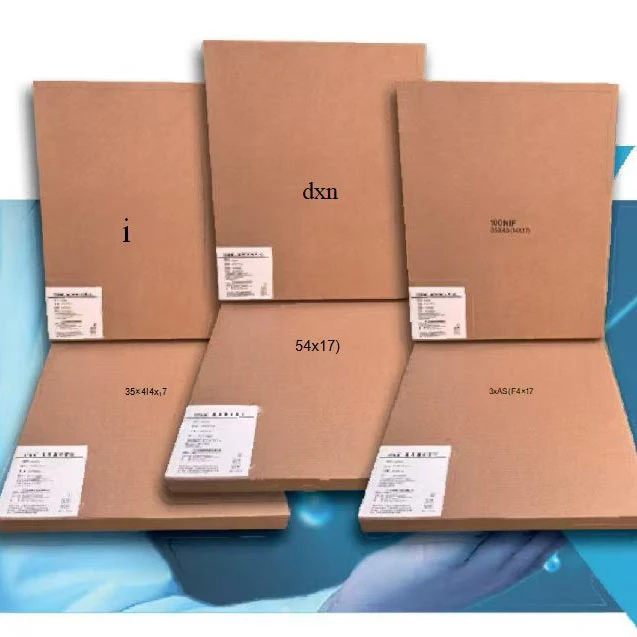
At its simplest, dental x ray film types refer to the various physical films designed to capture radiographic images of teeth and jaws. They differ by size, speed, sensitivity, contrast, and compatibility with developing systems.
Think of it like photography—some films are faster, producing images with less exposure, others capture finer detail but need longer exposure times. These distinctions affect everything from procedure time to radiation dosage, making the choice a fairly technical but ultimately very human decision focused on patient welfare.
The Connection to Modern Dentistry and Beyond
While digital imaging gradually takes over, these films remain critical to dental offices where modernization is slow or inconsistent. Plus, in humanitarian missions, post-disaster relief operations, or mobile clinics, reliable traditional films can mean the difference between diagnoses made on the spot and patients left untreated.
Key Aspects of Dental X Ray Film Types
1. Speed and Sensitivity
This describes how much radiation the film needs to produce a quality image. Fast films reduce patient exposure but may sacrifice image sharpness. Conversely, slow films yield better detail but might increase exposure time. Balancing this is key to safe, precise diagnostics.
2. Size and Format
The standard dental x ray film comes in sizes such as 0, 1, 2, 3, and 4—each tailored for specific imaging tasks (bitewings, periapicals, occlusals). The right size improves patient comfort and diagnostic clarity.
3. Durability and Storage
Films must withstand challenging storage conditions—humidity, temperature changes—without degrading. Modern coatings help, but choosing films rated for your environment prevents data loss or repeated exposures.
4. Cost Efficiency
Cost remains a major factor, especially in larger clinics or government-supported programs. Some films offer a better balance of upfront price plus developing costs, making them economical over time.
5. Compatibility with Developing Equipment
Not all films play well with every developing system. Syncing your film type to your processing technology ensures high-quality images and avoids costly errors.
6. Environmental Impact
Because chemical processing can produce waste, some films and developing methods aim to reduce environmental footprints—a growing concern in healthcare worldwide.
Dental X Ray Film Types: Practical Real-World Applications
For example, in remote parts of Southeast Asia, clinics often rely on fast-speed films with compact sizes. These reduce both exposure times and patient discomfort while fitting tiny, sometimes makeshift offices.
Meanwhile, large urban hospitals in Europe or the US might still use high-detail films for orthodontic diagnostics or complex oral surgery planning—where the most refined image is crucial.
And in disaster zones, portable dental x ray kits—preloaded with versatile films—help responders quickly assess injuries, save teeth, and reduce infection risks.
Mini Takeaway:
Dental x ray film types aren’t just products on a shelf. Globally, they serve unique communities—from under-resourced clinics to high-tech surgical centers—tailoring care one film choice at a time.
Advantages and Long-Term Value of Choosing the Right Dental X Ray Film Types
- Patient Safety: Faster films reduce radiation exposure—a win-win every dentist dreams of.
- Cost Control: Economical films lower long-term expenses without compromising diagnostic quality.
- Reliability: Durable films that hold up during transport or storage prevent retakes and delays.
- Sustainability: Environmentally friendly films and processing clinics advance healthcare's green goals.
- Trust & Innovation: Clinics using the right film types constantly refine their practice and build patient confidence.
Looking Ahead: Innovations in Dental X Ray Film Types
The industry isn’t standing still—even as digital looms large. Manufacturers are developing hybrid films compatible with both old and new scanning tech. Others focus on biodegradable films or reducing chemical byproducts during development.
Another promising trend? Films combined with smart sensors that self-calibrate exposure or record metadata for easier diagnostics and patient history tracking.
Of course, these shifts align with broader healthcare trends: digital transformation, green energy integration, and tightened global supply chains influencing availability and sustainability.
Common Challenges and Ways Around Them
Subpar storage conditions remain the biggest enemy of dental x ray films—humidity causes fogging or loss of contrast. Clinics solve this by investing in temperature-controlled units or switching to faster-developing, more stable films.
Another issue is compatibility. Sometimes, older processors struggle with newer film coatings, leading to imperfect images. The best fix is proper vendor consultation and thorough testing before switching products.
Example Specifications of Popular Dental X Ray Films
| Film Type |
Size (inches) |
Speed (ISO) |
Sensitivity |
Typical Use |
Storage Life |
| Insight X Fine Detail |
2 × 3 |
ISO 200 |
High |
Orthodontic |
2 years |
| SpeedRay Ultra |
1.5 × 2.5 |
ISO 400 |
Medium |
Routine Exams |
1.5 years |
| EcoDent Green Film |
2.5 × 3.5 |
ISO 320 |
High |
Developing Markets |
2 years |
Vendor Comparison: Choosing Your Dental X Ray Film Supplier
| Vendor |
Film Range |
Price per Box |
Global Shipping |
Eco-Friendly Options |
Customer Support |
| DentX Films Ltd. |
Wide (5 sizes) |
$85 |
Yes |
Limited |
24/7 phone |
| BrightView Medical |
Medium (3 sizes) |
$75 |
Yes |
Yes |
Email only |
| EcoDent Supplies |
Selective (2 sizes) |
$90 |
No (regional only) |
Strong focus |
Phone & email |
FAQ: Common Questions About Dental X Ray Film Types
Q1: How do I choose the right speed type for my clinic?
A1: Consider your patient volume and equipment. Fast films (ISO 400 or above) are great for busy clinics because they reduce x ray exposure time, but if image detail is critical, slower films may be better. Also, check your processor compatibility for best results.
Q2: Are all dental x ray film types compatible with digital scanners?
A2: Not always. Some traditional films can be digitized, but quality varies. Some films are designed to work with phosphor plates or digital converters, so verify with your vendor if digitization is part of your workflow.
Q3: Can dental x ray films be used in harsh environments?
A3: Yes, but choose films rated for tough storage conditions—humidity and temperature resistant films help maintain image quality. Proper storage practices and timely processing also prevent degradation.
Q4: What environmental concerns exist regarding dental film processing?
A4: The chemical developers used can produce hazardous waste if not managed properly. Many labs now focus on recycling and using eco-friendly films to minimize this impact. This also aligns with stricter regulations worldwide.
Q5: How often should dental x ray film stock be rotated or replaced?
A5: Film typically has a shelf life of 1.5 to 2 years. Use older stock first and store films properly to avoid fogging or image loss. Always check manufacturer recommendations.
Wrapping It Up: The Value of Knowing Your Dental X Ray Film Types
Dental x ray film types remain essential in many corners of the world and for many clinical uses. Understanding their speed, size, sensitivity, and environmental footprints helps dental professionals—and supply managers—make informed, sustainable choices that improve patient care long-term. Frankly, picking the right film is as much about respect for the patient’s experience as it is about crisp images.
Interested in exploring reliable film options or brushing up your clinic’s imaging kit? Visit our website at https://www.lkintl.com for trusted products and expert advice.
References
- World Health Organization: Oral Health
- Wikipedia: Dental Radiography
- ISO 4090: Dental x-ray films - Characteristics and test methods