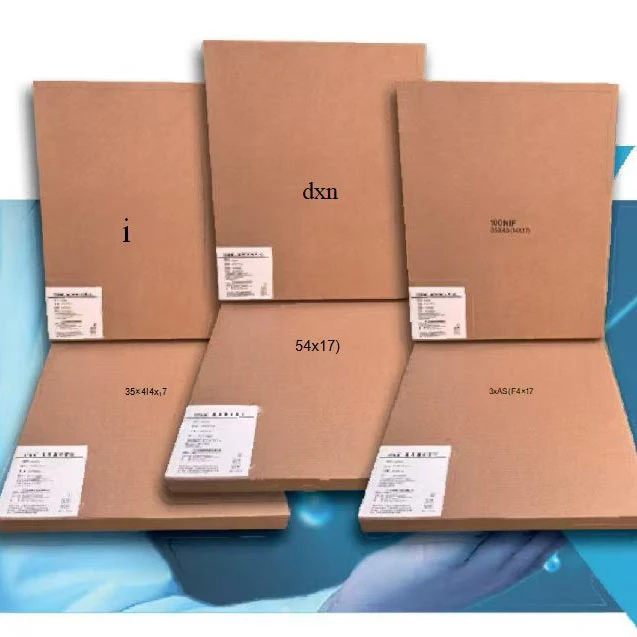
Understanding X Ray Film Speed: What It Is and Why It Matters
X ray film speed might sound like an obscure technical term, but it’s pretty crucial both in the medical world and in industrial applications everywhere. Essentially, it defines how quickly an X ray film reacts to radiation exposure — a factor that, frankly, impacts image quality, patient safety, and cost. Think of it as the sensitivity setting on your camera, but for capturing internal images of objects or bodies. Getting this right means clearer pictures, faster processing, and less radiation exposure. In a world where health diagnostics and industrial inspections are increasingly vital, mastering the nuances of x ray film speed benefits everyone involved — patients, technicians, engineers, and even disaster relief organizations.
The Global Importance of X Ray Film Speed
Across the globe, millions of X ray films are exposed every day. The International Organization for Standardization (ISO) sets parameters to ensure consistency, but the demand for varied film speeds continues to grow. In developing countries, faster film speeds are a game changer — they mean less time in the exam room, lower doses of radiation, and quicker diagnoses, which is essential in under-resourced clinics. On the flip side, in industries such as aerospace, automotive, and construction, selecting the right film speed is key to nondestructive testing (NDT) and maintaining safety standards. According to WHO data, radiological services have increased by over 25% worldwide in the last decade, showing just how pivotal x ray film speed is to meet rising diagnostic demands without compromising quality.
Mini Takeaway: X ray film speed is a global linchpin in ensuring high-quality, efficient radiography, affecting everything from global health to structural safety.
What Exactly Is X Ray Film Speed?
In straightforward terms, x ray film speed refers to the measure of a film’s sensitivity to X ray photons. Faster films require less exposure to radiation to produce a visible image, while slower films take longer but often yield higher image detail. The speed of the film is determined by various chemical and physical properties — including the size and distribution of silver halide crystals within the film emulsion.
In humanitarian contexts, such as post-disaster zones, fast film speed means quicker setups and less exposure risk for patients and technicians facing harsh conditions. In industrial settings, it allows rapid inspection of critical components, making processes more efficient and reliable.
Core Factors Affecting X Ray Film Speed
1. Sensitivity of Film Emulsion
The actual chemical makeup determines how reactive the film is to radiation. Larger silver halide crystals speed up the process but can reduce fine detail. Engineers often balance these trade-offs depending on use.
2. Image Resolution
Slower films typically capture sharper images with more contrast, essential for detailed diagnostics or precision NDT (nondestructive testing). Faster films tend to produce a noisier image but are better when time or dose is critical.
3. Exposure Time
Films with greater speed reduce the time an X ray is active, lowering exposure to harmful radiation. This impacts patient safety directly and also throughput in busy medical centers.
4. Cost Efficiency
Faster films can reduce overall costs by cutting down on wasted exposures and increasing workflow, but the films themselves may be pricier. Balancing cost vs speed is a classic call.
5. Durability & Storage
X ray films need careful handling and storage. High-speed films sometimes require more controlled environments to preserve quality, which adds a layer of logistic complexity.
Mini Takeaway: The key to choosing the right x ray film speed lies in balancing sensitivity, resolution, exposure, cost, and handling needs for your specific application.
Global Applications and Real-World Use Cases
What’s cool is how x ray film speed finds a place in wildly different settings. Take a rural clinic in Sub-Saharan Africa — speedy films mean quicker screenings for tuberculosis, where resources and X ray equipment are scarce. Or imagine an aircraft mechanic in Germany using slower, high-resolution films to scrutinize engine parts for microfractures that could spell disaster.
In fact, international relief organizations utilize high-speed films during emergency responses to mass trauma or natural disasters, where rapid diagnosis saves lives. Industrial companies in China leverage custom film speeds to keep factory pipelines safe, emphasizing the industrial sector’s reliance on selecting the right speed grade.
Product Specification Table: Typical X Ray Film Speeds
| Specification |
Fast Speed Film |
Medium Speed Film |
Slow Speed Film |
| Exposure Time |
Short (0.05s - 0.1s) |
Moderate (0.1s - 0.5s) |
Long (0.5s+) |
| Image Resolution |
Lower |
Balanced |
High |
| Radiation Dose |
Low |
Moderate |
High |
| Cost (per roll) |
High |
Moderate |
Low |
| Typical Uses |
Emergency, Pediatrics |
General Radiography |
Detailed Diagnostics, NDT |
Vendor Comparison: Leading X Ray Film Manufacturers
| Feature |
Acme Radiograph Inc. |
Global MedFilm Ltd. |
SilverTech Imaging |
| Film Speed Options |
Fast, Medium, Slow |
Medium, Slow |
Fast, Medium |
| Pricing (per roll) |
$$$ |
$$ |
$$$ |
| Global Distribution |
Yes |
Emerging Markets Focus |
Europe & Asia |
| Customization |
Yes |
Limited |
Yes, Fast Speeds Only |
| Sustainability Initiatives |
Recycling Program |
None Reported |
Eco-Friendly Packaging |
What Are the Advantages and Long-Term Benefits?
The choice of x ray film speed affects a myriad of outcomes. Faster films reduce radiation exposure, a huge plus for patient safety. Lower waiting times mean healthcare facilities can treat more patients, something strained healthcare systems welcome warmly. On the business side, enhanced throughput increases efficiency and lowers operational costs.
From a social perspective, reliable, quick X ray imaging builds trust in medical services, especially in underserved populations. Imagine a mother in a remote village who can finally get a clear tuberculosis diagnosis in a single visit. X ray film speed indirectly enhances dignity and hope.
Industries benefit too. In infrastructure projects, quick nondestructive inspections facilitated by optimal film speeds prevent potentially catastrophic failures before they even start. There’s something quite reassuring about knowing safety rests partly on such a sensitive, nuanced material.
Future Trends: Innovations on the Horizon
It’s no surprise that digital radiography is reshaping the field, but film isn’t out of the picture yet — especially where cost, availability, or rugged conditions apply. Advances in emulsion chemistry are leading to films that are both fast and high resolution, minimizing old trade-offs. Emerging polymers and silver halide substitutes hint at environmentally friendlier options.
Automation in film handling and exposure systems combined with AI image analysis is another exciting frontier. Couple that with x ray film speed choices tailored to automated systems, and there’s huge potential for faster diagnostics with better accuracy.
Challenges and How Experts Are Tackling Them
Despite all the benefits, challenges persist. High-speed films can sometimes sacrifice detail, leading to missed diagnoses or defects. Environmental factors, including humidity and temperature in storage, can degrade film quality. Plus, supply chain disruptions occasionally limit availability, especially in remote zones.
Industry experts recommend hybrid solutions — combining fast films for initial screening and slower films for confirmatory diagnostics. Enhanced training for radiographers and rigorous storage protocols also play crucial roles. Manufacturers investing in sustainable packaging and recycling address environmental concerns, helping move the industry forward.
FAQ: Common Questions About X Ray Film Speed
- Q1: Why is film speed important for patient safety?
- A faster film speed reduces the amount of radiation exposure the patient receives during an X ray, minimizing health risks while still producing a usable image.
- Q2: How does x ray film speed affect image quality?
- Slower speeds generally provide better detail and contrast but require longer exposure, whereas faster speeds shorten exposure time but might sacrifice some image sharpness.
- Q3: Are all x ray films compatible with every machine?
- No. Different machines and applications require films with specific speed and sensitivity characteristics. It’s important to choose film compatible with your equipment and intended use.
- Q4: Can fast film speed be used for industrial inspections?
- Yes, but for precise defect detection, medium or slow speed films are sometimes preferred due to their higher resolution. However, fast films are valuable when quick assessments are needed.
- Q5: Is transitioning to digital imaging making film speed obsolete?
- Digital is rising, but film remains relevant in many parts of the world due to cost, reliability, and the practical challenges of digital adoption — especially in harsh or resource-limited environments.
Wrapping It Up: Why X Ray Film Speed Still Counts
In real terms, understanding x ray film speed isn’t about geeky metrics — it’s about striking the right balance for quality, safety, and efficiency. From medical clinics in remote areas to aerospace plants in industrial hubs, choosing the right speed affects outcomes profoundly. It touches thousands of lives and livelihoods, every day.
Interested in learning more or finding the perfect film speed for your needs? Visit our website at https://www.lkintl.com to explore detailed product info and expert advice.
Mini Takeaway: The careful selection of x ray film speed directly supports safer, faster, and more reliable radiographic imaging worldwide — a small detail that makes a big difference.
References
- Radiographic Film - Wikipedia
- ISO Standard for Radiographic Film
- WHO Tuberculosis Factsheet