Understanding X Ray Film Size in Inches: Why It Matters Worldwide
If you’re working with medical imaging, industrial non-destructive testing, or even historical archives, knowing the right x ray film size in inches is more important than you might think. It sounds straightforward — after all, film dimensions are just measurements, right? But this simple data point ripples across global healthcare logistics, manufacturing quality control, and even emergency humanitarian aid. Frankly, it can mean the difference between a perfect diagnostic image and a blurry guess. So, why care about exactly how many inches of film you’re handling? Because standardized sizes help ensure compatibility with machines worldwide, cost control, and seamless workflow integration in fast-paced, often critical environments.
- Global consistency: Uniform film sizes make equipment design and supply-chain planning easier.
- Quality control: The right size ensures precision in imaging and testing.
- Cost efficiency: Bulk production of standard sizes keeps pricing reasonable, especially in healthcare systems.
Mini takeaway: While it might look like a simple measurement detail, x ray film size in inches underpins vital global systems, saving time, money, and lives.
Global Relevance: The Big Picture Behind X Ray Film Size
Did you know that the World Health Organization estimates over 5 billion diagnostic imaging procedures globally each year? And a good chunk of these still rely on traditional film methods in developing regions where digital takes time to spread. According to ISO standards, film size not only affects image quality but also logistical facets like storage, transport, and regulatory compliance. From a UN report on humanitarian health interventions, the availability of standardized x ray films in resource-limited settings remains a bottleneck.
The challenge? Different countries and industries settling on varying sizes can create headaches in procurement and maintenance. Plus, classic sizes don't always fit modern digital adaptation seamlessly, creating a transition gap.
Mini takeaway: Globally accepted x ray film sizes in inches help bridge divides across healthcare infrastructure, industrial inspection, and emergency response sectors.
What Exactly Does "X Ray Film Size in Inches" Mean?
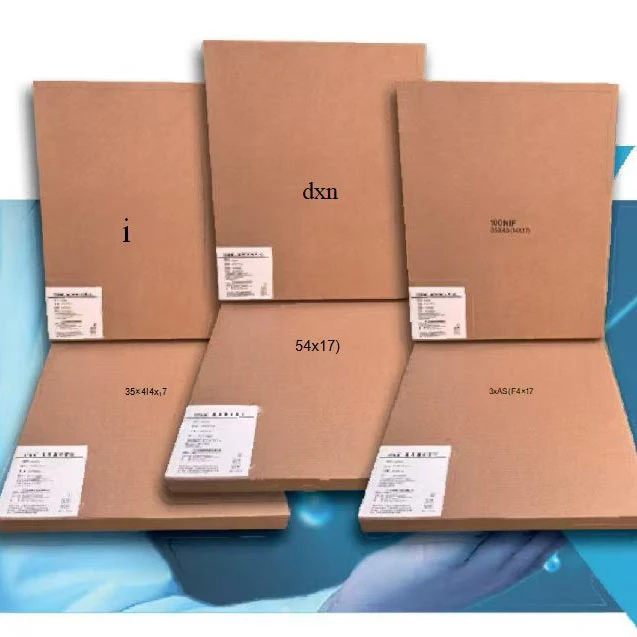
Simply put, x ray film size refers to the physical dimensions of the photosensitive sheet used to capture radiographic images, usually measured in inches. These dimensions come in standardized formats to match x ray machines and processing envelopes. Common sizes range from tiny 4 x 4 inches, often for dental applications, to large 14 x 17 inches for chest or orthopedic imaging.
Its relevance extends beyond hospitals — think aviation maintenance checking airplane parts or customs agents screening cargo containers. So, this term means the exact footprint of that protective sheet, which directly shapes image resolution, patient comfort (larger film sometimes means more exposure area), and workflow.
Key Factors Affecting X Ray Film Size Choice
1. Compatibility with Imaging Equipment
Machines are usually built to accept certain standardized film sizes. For example, many industrial x ray units are designed around 10 x 12-inch films, mainly because it's a great size to cover most metal welds or circuit boards without waste. Choosing the right size means smooth operation and avoids cumbersome modifications.
2. Image Resolution and Diagnostic Needs
Bigger films can capture more detailed or holistic images — say, an entire chest cavity — but smaller sizes offer higher resolution for specific parts. Hospitals often choose according to clinical demands; dental x rays are a prime example needing smaller, precise film.
3. Cost and Waste Minimization
Using oversized film when a smaller size suffices can balloon consumable costs and waste. In emerging economies, this is a big deal — every inch counts literally.
4. Durability and Storage
Larger films can be trickier to store and transport without damage. Especially for field operations or disaster zones, smaller, robust sized films are preferred. They fit into easier packaging and reduce breakage risk.
5. Integration with Digital Systems
Though digital x ray is sweeping globally, many workflows hybridize with film — so film size also needs to gel with scanners and archiving software designed around certain dimensions.
Mini takeaway: Not all film sizes are created equal — your choice mixes machine specs, budget, and practical needs into one decision.
Where Are These Film Sizes Used Globally? Industry & Humanitarian Scenarios
- Healthcare: Hospitals across North America and Europe primarily use 14 x 17-inch films for chest X-rays; Asia sees more mix due to varying equipment, including smaller 8 x 10-inch sizes.
- Industrial Testing: Automotive plants in Germany and Japan utilize 10 x 12-inch films for weld inspection, while oil rigs in the Middle East prefer customized sizes tailored for pipe diameters.
- Disaster Relief: NGOs operating in remote zones, like parts of Africa or Southeast Asia, rely heavily on portable units with compact film sizes (around 4 x 4 or 6 x 6 inches) for rapid diagnosis.
For example, following the 2010 Haiti earthquake response, portable radiography units with smaller standardized films enabled field hospitals to manage injury evaluation quickly and effectively amid supply chain constraints.
Advantages & Why it’s Worth Knowing Film Sizes Well
Knowing which x ray film size in inches suits your needs delivers clear benefits:
- Cost savings: Avoid overpaying for oversized films.
- Waste reduction: Lower environmental impact by right-sizing.
- Faster diagnostics: Film fits perfectly into machines, reducing errors.
- Improved safety: Proper sizing ensures minimal retakes, lowering radiation exposure.
- Trust & reliability: Consistent sizing underpins clear, trusted diagnostic results.
Honestly, it’s a small detail that cascades into better patient safety, smoother industrial inspections, and smarter humanitarian aid.
Product Specification Table: Typical X Ray Film Sizes
| Film Size (inches) |
Common Usage |
Format |
Typical Industry |
| 4 x 4 |
Dental, extremities |
Cut sheet |
Medical, veterinary |
| 8 x 10 |
Small chest or limbs |
Cut sheet |
Medical |
| 10 x 12 |
Industrial weld, inspection |
Cut sheet |
Industrial, Aerospace |
| 14 x 17 |
Chest X-rays, full limb |
Cut sheet |
Hospitals, Clinics |
Vendor Comparison Table: Leading X Ray Film Sizes Suppliers
| Vendor |
Size Range (inches) |
Price Range (per sheet) |
Notable Strengths |
Support Regions |
| Radiance Films Co. |
4x4 to 14x17 |
$0.30 - $1.20 |
High clarity, medical-grade |
North America, Europe |
| IndustFilm Co. |
6x6 to 12x15 |
$0.25 - $1.00 |
Durable, industrial-strength films |
Asia, Middle East |
| Global Medfilm |
4x4 to 16x18 |
$0.35 - $1.50 |
Wide range, eco-friendly choices |
Worldwide |
Future Trends & Innovations in X Ray Film Technology
While digital x ray dominates the long-term horizon, traditional film remains valuable — especially as hybrid workflows emerge. Vendors are innovating on thin, flexible films and eco-conscious chemical coatings to cut waste and disposal impact. Green manufacturing is becoming a big theme, partly driven by global agreements like the Basel Convention limiting hazardous medical waste.
Also, there’s progress on films optimized for scanning accuracy, helping bridge analogue with digital archives better. Oddly enough, some aerospace and construction sectors still favor film’s robustness in extreme environments where digital sensors can fail.
Challenges & How Industry Is Responding
Supply chain disruptions often hit film availability — raw chemicals and specialized paper aren’t easy to source everywhere. That leads to higher prices and delays. Plus, compatibility across aging machinery and new digital devices can cause hiccups.
Yet, experts suggest dual-format bundles (film plus digital) help phase transitions gently. Also, local production hubs are cropping up in underserved regions to stabilize supply. It’s a good reminder: thoughtful planning beats quick fixes.
Frequently Asked Questions About X Ray Film Size in Inches
Q1: What is the best x ray film size for dental applications?
A1: Dental x rays typically utilize small sizes like 4 x 4 inches or 4 x 6 inches for clarity and convenience. These sizes fit intraoral receivers and help reduce patient discomfort. Check equipment specs to confirm compatibility.
Q2: How does x ray film size affect image quality?
A2: Larger film sizes can capture broader anatomy, but smaller sizes often yield higher resolution on specific targets. So, the right size balances coverage with detail, depending on diagnostic needs.
Q3: Can I use standard medical x ray film for industrial purposes?
A3: Technically, yes, but industrial films often have higher durability and specific coatings for better contrast on metals. Using the right industrial-specific film ensures more accurate inspections.
Q4: How do I choose between different film sizes if my machine supports multiple?
A4: Evaluate your diagnostic or testing objectives first, then consider cost and handling logistics. Smaller films might save cost and reduce waste but might require multiple images; larger films can capture bigger areas but may be pricier.
Q5: Where can I find standardized information about film sizes?
A5: ISO standards and medical device guidelines often provide detailed size classifications. Also, reliable suppliers and manufacturers usually publish spec sheets to help with choices.
Conclusion: Why Knowing Your X Ray Film Size in Inches Pays Off
At the end of the day, getting familiar with the range and implications of x ray film size in inches is an investment in smoother operations, financial savings, and most importantly, effective, safe diagnostics that affect lives. Whether you’re running a hospital imaging center, inspecting aircraft parts, or managing disaster relief medical camps, this detail matters. If you want to dive deeper into film specs or find your perfect size match, visit x ray film size in inches for comprehensive resources and supplier guidance.
After all, it’s often the small measurements that make the biggest difference.
References:
1. ISO 11699-1:2015 Radiography Film Standards
2. WHO: Diagnostic Imaging Procedures
3. Wikipedia: X-ray