

Mar . 04, 2026
The question of whether you can use inkjet photo paper in a laser printer is a common one, particularly as many consumers look for ways to maximize the use of their paper supplies. While seemingly straightforward, the answer involves understanding the fundamental differences between inkjet and laser printing technologies, and the composition of the paper designed for each. Using the wrong type of paper can lead to print quality issues, printer damage, and wasted materials. At LK International, we understand the importance of optimal paper selection for various printing needs. This article will provide a comprehensive guide to help you understand the compatibility, potential issues, and best practices for your printing projects.

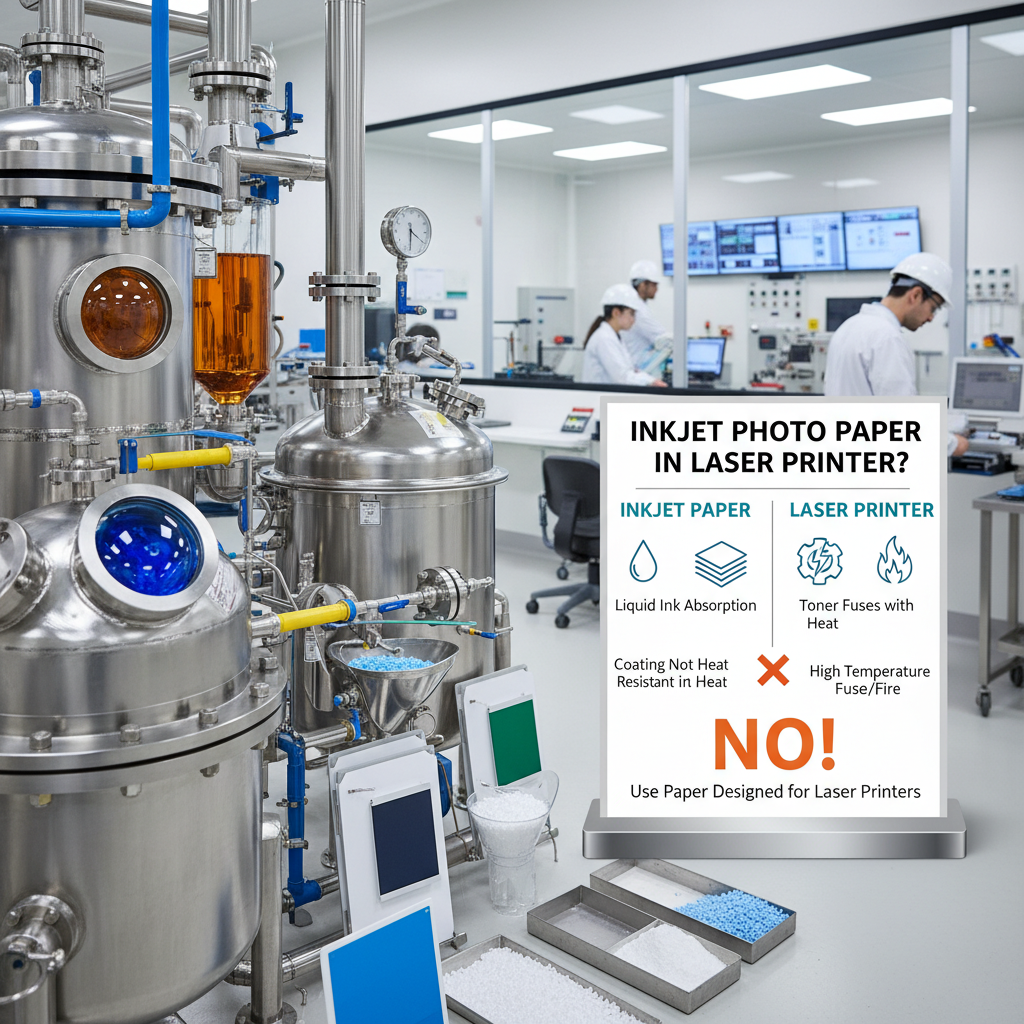
Inkjet printers use liquid ink to create images on paper, spraying tiny droplets onto the surface. Laser printers, on the other hand, use a laser beam to create an electrostatic image on a drum, which then attracts toner (a fine powder). This toner is then fused onto the paper using heat. This difference in process dictates the paper types best suited for each technology. Inkjet photo paper is designed to absorb the liquid ink quickly and evenly, preventing smudging and producing vibrant colors. It often features a coating that enhances ink adhesion and color saturation. Laser paper, conversely, is treated to withstand the high heat of the fusing process and to allow the toner to adhere properly without melting or running.
Key Difference: Inkjet paper absorbs liquid ink, while laser paper is designed for toner adhesion and heat resistance.
Generally, it’s not recommended to use inkjet photo paper in a laser printer. The coated surface of inkjet paper can cause several issues. Firstly, the toner may not adhere properly, resulting in faded or smudged prints. Secondly, the coating can melt or damage the fuser unit within the laser printer, leading to costly repairs. The heat from the fusing process can also release harmful chemicals from the coating, potentially causing unpleasant odors and even damaging the printer's internal components. While some users might attempt it for a specific effect, the risk of damage and poor print quality is significant.
Potential Issues:
• Poor toner adhesion and faded prints
• Damage to the laser printer’s fuser unit
• Release of harmful chemicals from the coating
• Unpleasant odors
Laser photo paper is specifically designed to withstand the high temperatures of the laser printing process. It typically has a smooth surface and a special coating that allows the toner to adhere properly and create vibrant, durable prints. Using laser photo paper with a laser printer will yield the best possible results, ensuring sharp images and accurate color reproduction. Here’s a breakdown of key differences:
To ensure optimal print quality and avoid damaging your laser printer, always use paper specifically designed for laser printers. This includes standard laser paper, laser photo paper, and other specialty laser papers. Consider the weight and finish of the paper based on your specific needs. Heavier weights are often preferred for photos and presentations, while lighter weights are suitable for everyday documents. At LK International, we offer a wide selection of high-quality laser papers to meet diverse printing requirements.
In conclusion, while it might be tempting to use inkjet photo paper in a laser printer, it's a practice best avoided. The potential for damage to your printer and the resulting poor print quality far outweigh any perceived cost savings. Investing in the correct paper type – laser paper – is crucial for ensuring the longevity of your printer and achieving the high-quality results you expect. LK International provides a range of premium laser papers designed to deliver exceptional performance and reliability.
If you accidentally use inkjet paper, immediately stop the printing process. The extent of the damage will depend on how much paper has been used. At a minimum, you might experience poor print quality. However, repeated use can lead to the toner not adhering, coating buildup on the fuser roller, and ultimately, fuser damage which can be a costly repair. It's best to inspect the fuser unit for any visible residue or damage and consult your printer’s manual or a qualified technician.
While it's generally not recommended, some users report limited success with very thin inkjet photo paper for testing purposes, but even then, the risk remains significant. The results are often unpredictable, and it’s not worth risking damage to your printer. It's always best to prioritize using paper specifically designed for your printer type.
You can find a wide variety of laser printer paper at office supply stores, online retailers, and directly from paper manufacturers. LK International offers a comprehensive selection of laser papers, including photo paper, standard printing paper, and specialty papers to meet all your printing needs. We also provide detailed product information to help you make the right choice.
To maintain the quality of your laser paper, store it in a cool, dry place away from direct sunlight and humidity. Keep it sealed in its original packaging until ready to use. Exposure to moisture can cause the paper to warp or become damaged, affecting print quality. Proper storage will help ensure consistent and reliable printing results.
Lucky Medicinal Cold-Forming Composite Material
Photo Card Paper Type Guide | Archival, Waterproof Finishes